DbcultAccessing Vault...
6.7/10
Senior Film Conservator
A definitive 6.7/10 rating for a film that redefined the boundaries of cult cinema. Guns of Loos remains a cornerstone of transgressive art.
If you're someone who actively seeks out early British cinema, especially pre-WWII dramas that aren't afraid to blend war heroics with industrial strife and a dash of romance, then Guns of Loos might be worth an afternoon. Everyone else? Probably give it a miss, unless you're a serious Madeleine Carroll completist or just morbidly curious about how these kinds of stories were told nearly a century ago. It’s certainly not a film for casual viewing; it asks for a specific kind of patience.
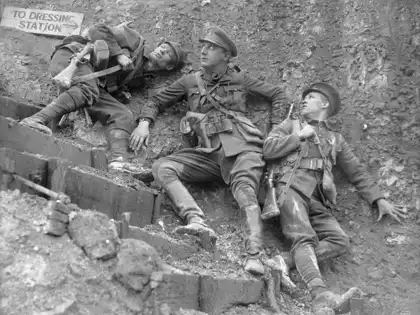
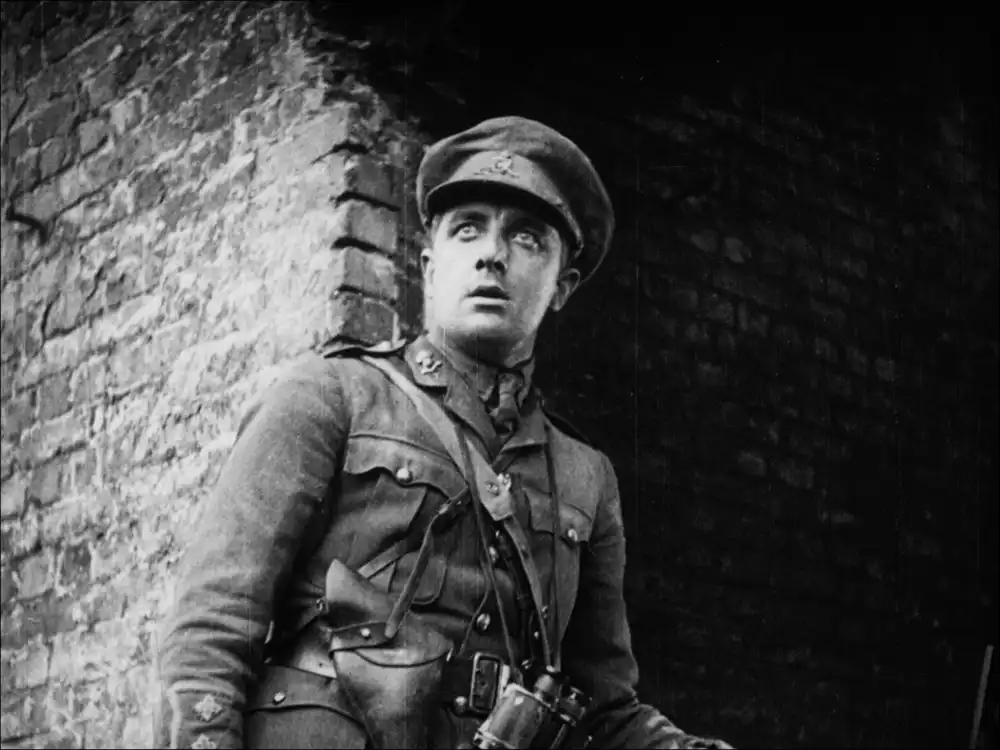
The film opens with Philip Hewland's character, the ironmaster, being quite the stoic, almost unfeeling, boss. We're meant to understand he's 'hard' but fair, a common trope. The war scenes, where he loses his sight saving men, are fairly brief and a bit murky, but they set up the core dramatic shift. The blindness itself feels a little... convenient. It's a plot device more than a deeply explored disability, which is typical for the period. He's blind, but still manages to stride around his factory with an almost uncanny confidence, bumping into things only when the plot absolutely requires a moment of pathos.
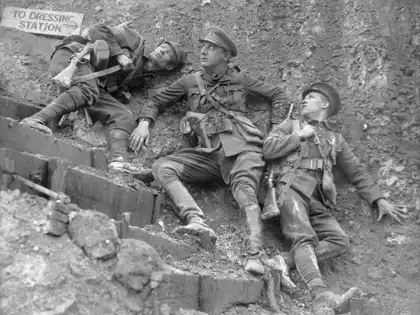
Once he's back home, the real meat of the story, or what the film thinks is the real meat, kicks in: a looming strike. This part is fascinatingly dated. The workers are portrayed with a kind of broad, almost cartoonish grievance, easily swayed by a single agitator. The ironmaster's solution to the strike isn't really about negotiation or understanding their plight, it's more about his personal moral authority and a bit of a paternalistic lecture. There’s a scene where he addresses the gathered men, and the dialogue feels so unnatural, like a political pamphlet read aloud. You can almost feel the film trying to convince you this moment matters, that his words are profound, but they just hang there, a little empty.
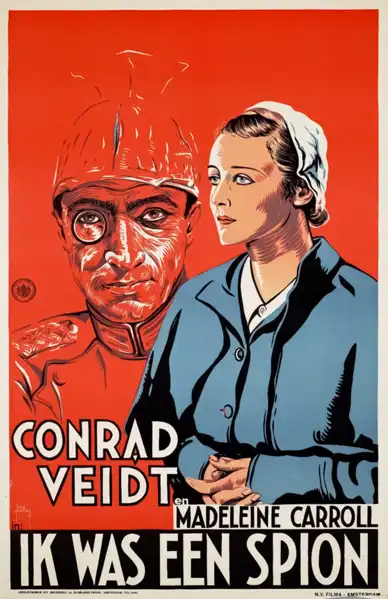
Madeleine Carroll, as the Lady's daughter he's meant to win over, is, as expected, radiant. She brings a spark that the rest of the cast sometimes struggles to generate. Her initial interactions with the blinded ironmaster are a highlight, a genuine sense of awkwardness and burgeoning respect that feels earned. There's a particular shot of her watching him stumble slightly, and her quick, almost imperceptible flinch, that tells you more than pages of dialogue could. It’s a quiet moment that works.
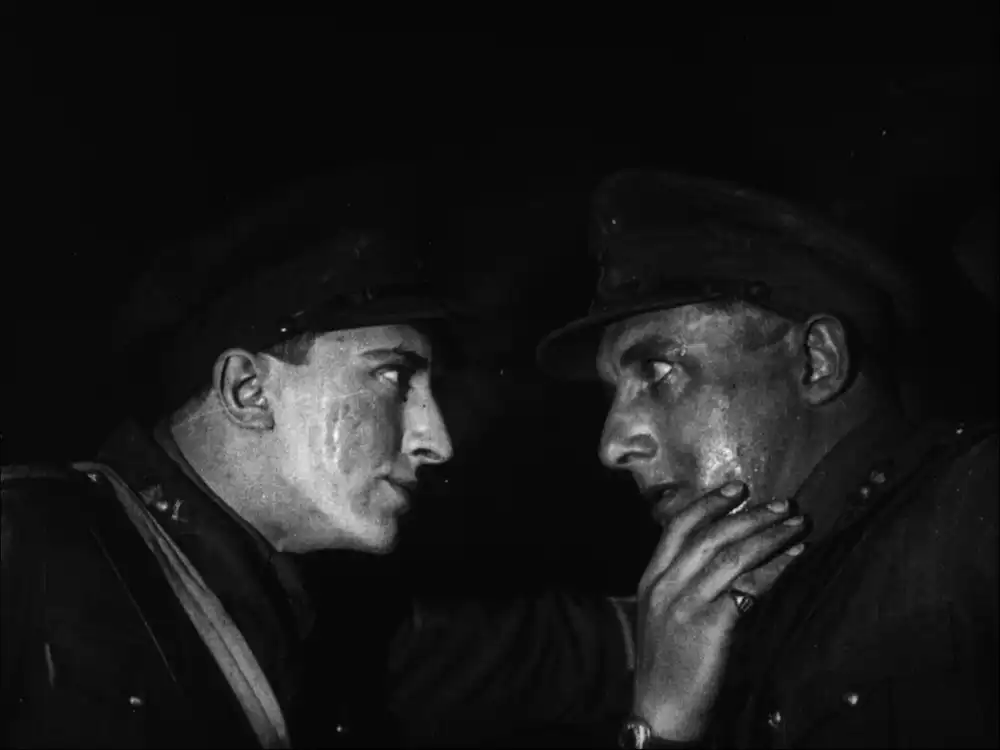
The pacing, however, is a bit all over the place. Some scenes drag considerably, especially the ones focused solely on the industrial dispute, which often feel less like drama and more like a civics lesson. Then, suddenly, the romance zips along, with declarations of love appearing almost out of nowhere. The film struggles to balance its different narrative threads. You get a sense the filmmakers were trying to cram a lot into a relatively short runtime, and the seams really show.
One detail I couldn't quite shake: the ironmaster's costumes. Even after being blinded and supposedly humbled, his suits remain impeccably tailored, almost too perfect for a man who just returned from the trenches and is now navigating a dark world. It’s a small thing, but it contributes to the slight disconnect from reality. The sets, though, especially the factory interiors, have a nice, gritty feel to them, providing a much-needed sense of place.
There's a character, one of the more boisterous workers, played by Wally Patch, who occasionally injects a bit of much-needed comic relief or at least a more grounded performance. He feels like he's from a slightly different, more naturalistic film, and his presence is a welcome break from some of the more theatrical turns. Hermione Baddeley has a small role too, and even in her limited screen time, you can see the beginnings of the sharp, witty presence she'd become known for.
The ending, where the ironmaster finally 'wins' the daughter, feels a little too neat, a bit too convenient after all the industrial strife. It’s the kind of resolution that makes you wonder if the film itself got tired and just wanted to wrap things up. The final shot is meant to be heartwarming, I think, but it left me with more questions about the future of the factory workers than the happy couple.
Guns of Loos is a historical artifact, no doubt. It offers a glimpse into the concerns and storytelling conventions of its time, but it’s a bumpy ride. If you're into that sort of thing, you'll find moments to appreciate, particularly Madeleine Carroll's performance. Otherwise, there are probably better ways to spend your time, perhaps with something like The Great Impersonation for a more consistent early drama, or even just sticking to the more widely recognized classics of the era.
IMDb —
1924
Community
Log in to comment.