DbcultAccessing Vault...
7.2/10
Senior Film Conservator
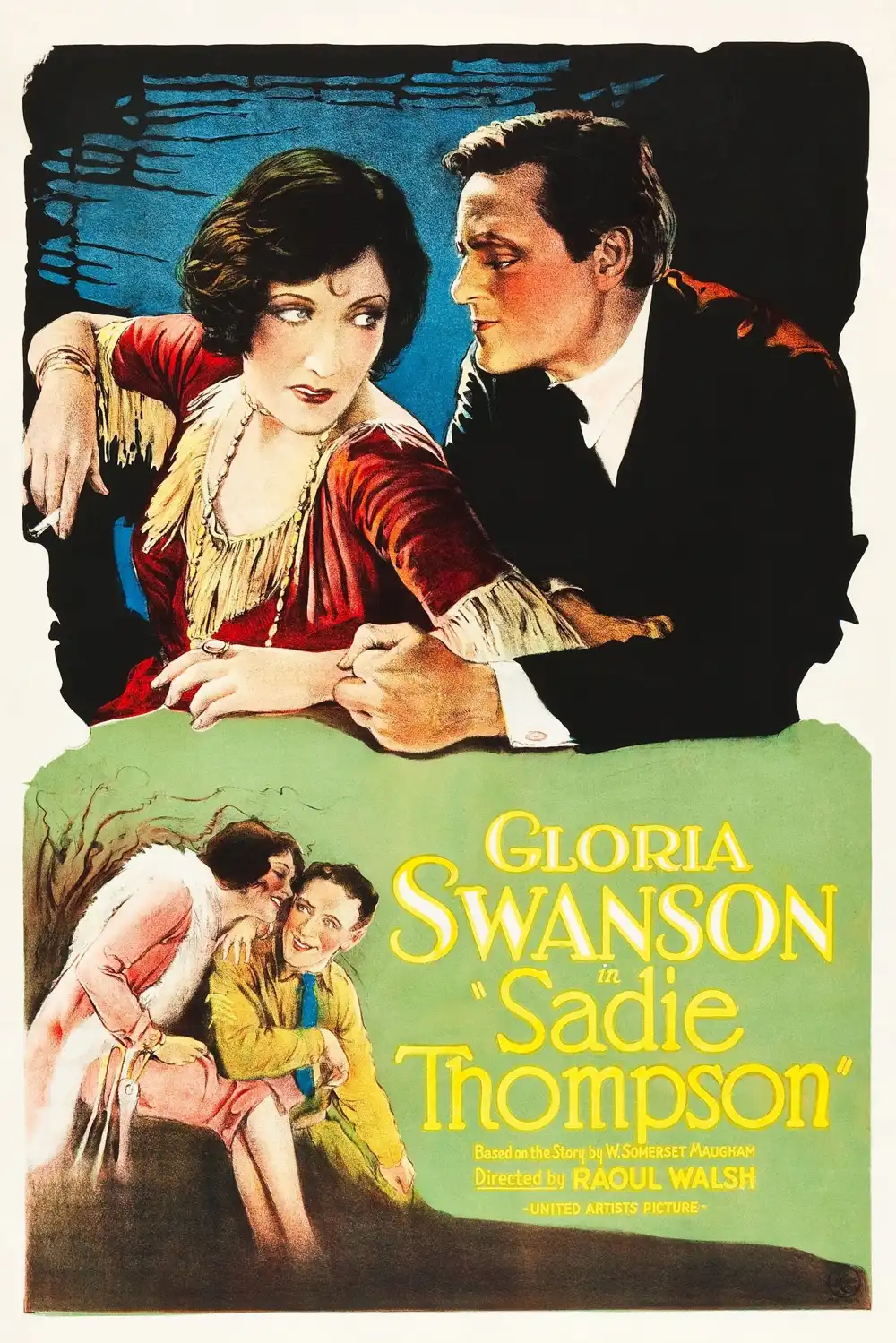
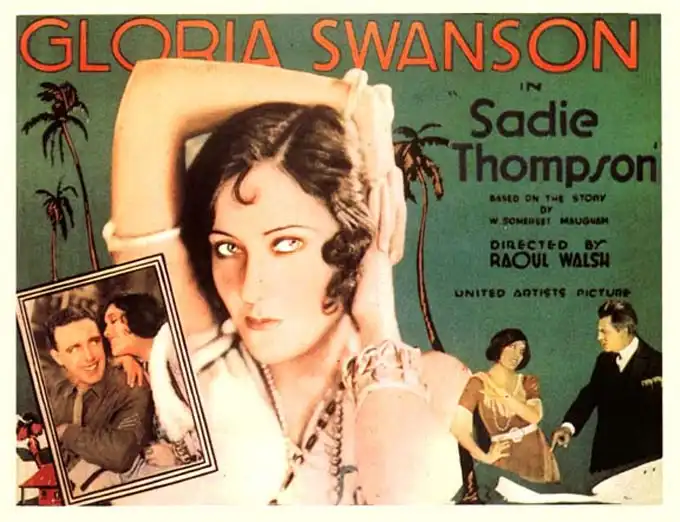
A definitive 7.2/10 rating for a film that redefined the boundaries of cult cinema. Sadie Thompson remains a cornerstone of transgressive art.
If you think silent cinema is nothing but damsels in distress tied to railroad tracks, Sadie Thompson will correct that misconception within ten minutes. It is absolutely worth watching today, primarily because the conflict at its center—the clash between personal freedom and religious authoritarianism—hasn't aged a day. It’s a film for people who appreciate character-driven drama and don't mind a bit of tropical grit. If you struggle with the slower pacing of the late 1920s or the 'theatrical' acting style of the era, you might find some of the middle sections repetitive, but the payoff is visceral.
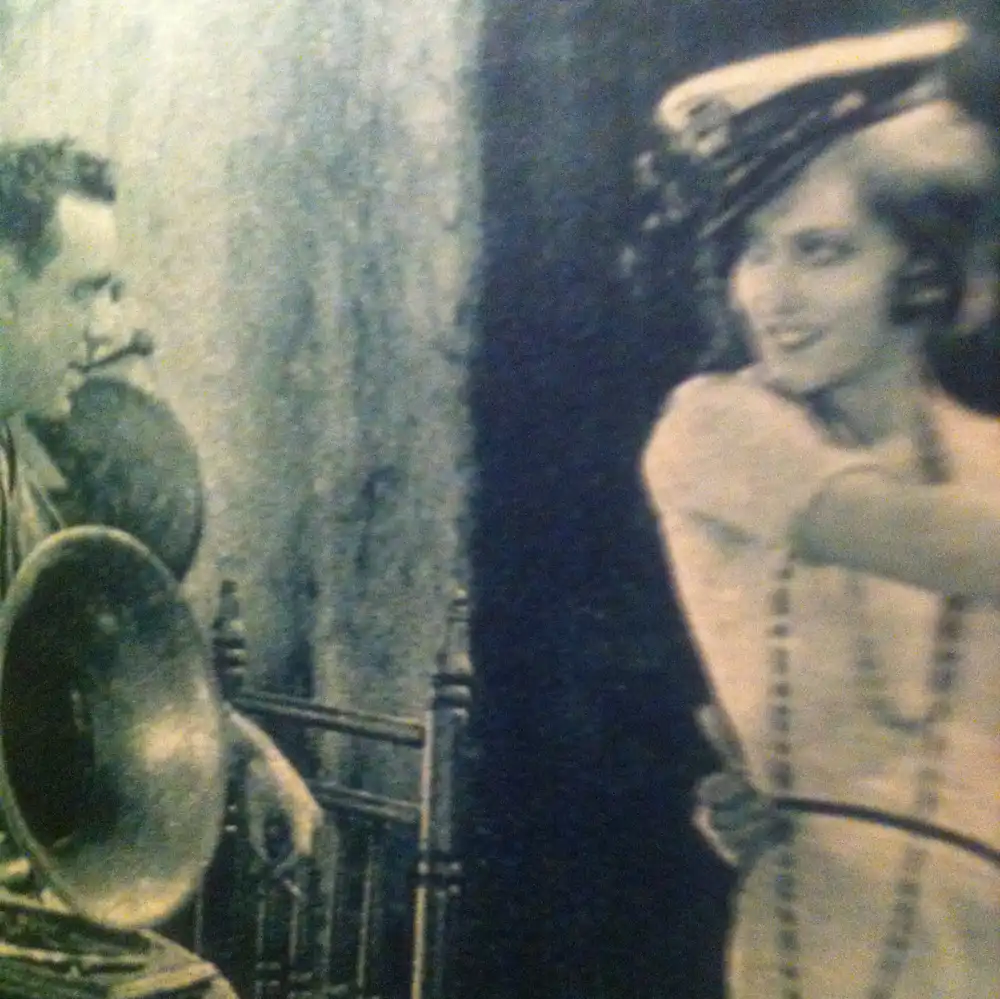
Gloria Swanson isn’t just 'acting' here; she is vibrating. From the moment she walks off the boat with her parasol and her defiant smirk, she owns the screen. What’s most impressive is how she handles Sadie’s wardrobe and physicality. She starts the film draped in cheap finery—clunky jewelry and a hat that’s just a little too loud—and as the rain and Mr. Davidson wear her down, we see her literally shrink. There’s a specific scene where she’s sitting on her bed, her makeup smeared and her spirit broken, that feels shockingly modern. She manages to convey a woman who has used her sexuality as a shield for so long that she doesn’t know who she is without the bravado.
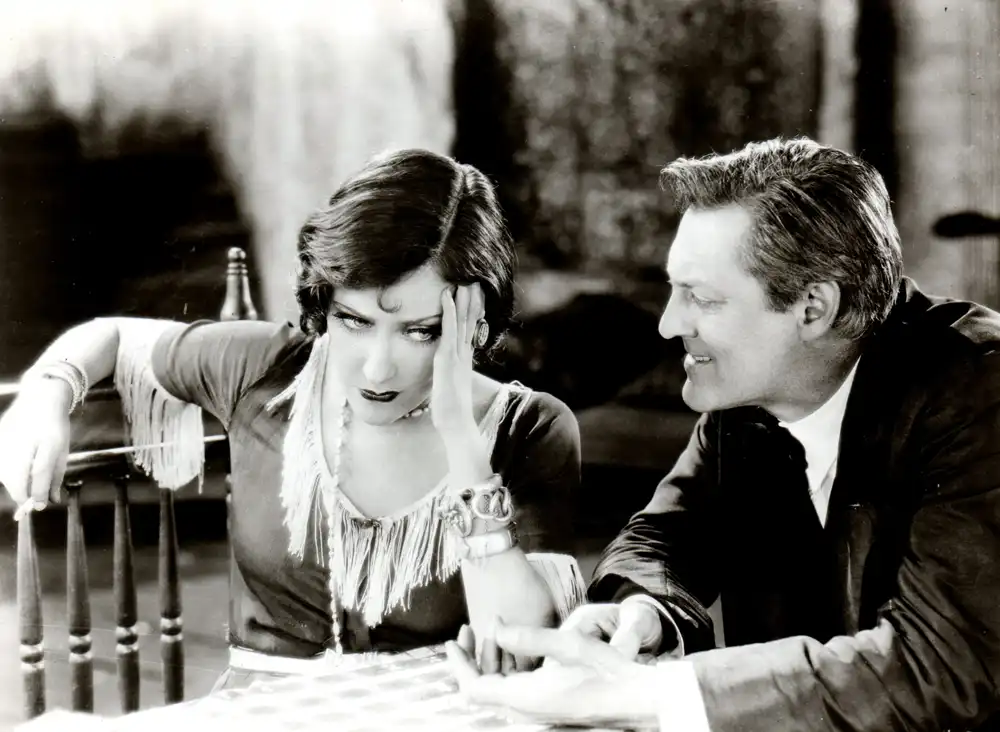
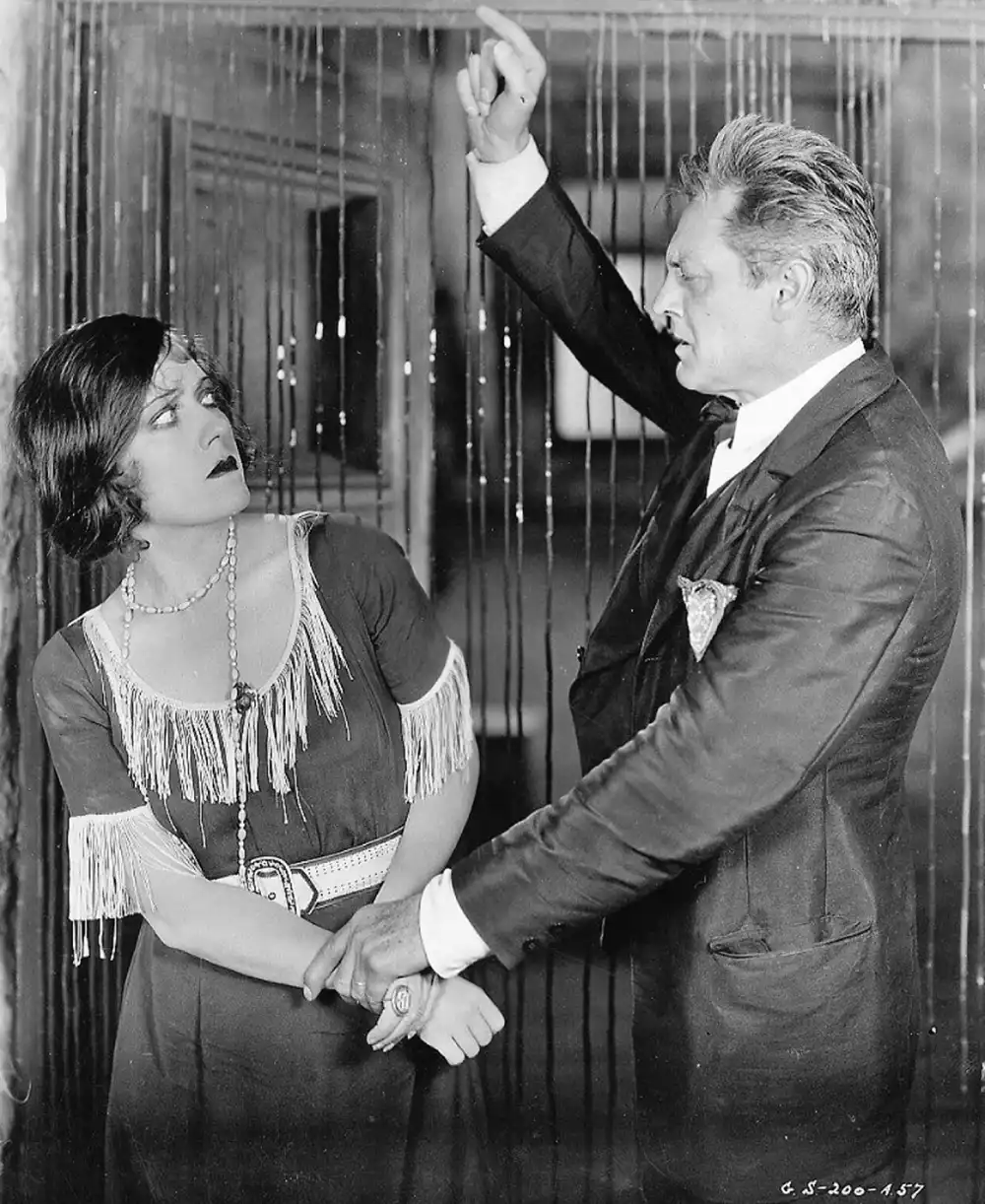
Opposite her, Lionel Barrymore as Mr. Davidson is genuinely skin-crawling. He doesn’t play the reformer as a cartoon villain; he plays him as a man who is terrified of his own shadow. You can see it in the way he stands—stiff, unyielding, always looking down his nose. The way he looms over Sadie in the cramped quarters of the boarding house creates a sense of claustrophobia that the camera captures perfectly. He doesn’t need to shout to be threatening; his silence is much heavier.
The pacing of the film is dictated by the weather. The constant, thrumming rain of Pago Pago is a character in itself. Raoul Walsh, who both directed and played the role of Sergeant O'Hara, uses the weather to trap these characters together. You can almost feel the humidity coming off the screen. The lighting choices in the indoor scenes—heavy shadows and flickering lamps—emphasize the moral gray areas everyone is operating in.

One detail that only someone who has sat through the film would notice is the use of the gramophone. It’s not just background noise; it’s Sadie’s weapon. Every time she cranks it up to play a jazz record, it’s a middle finger to Davidson’s prayer meetings. The editing rhythm during these confrontations is sharp, cutting between the Marines dancing and Davidson’s sour, judgmental face. It’s a simple visual metaphor, but it works because the film doesn't over-explain it.
It’s not a perfect experience. Like many films from this period, particularly those adapted from stage plays like W. Somerset Maugham’s 'Rain,' the middle section can feel a bit circular. There are only so many times we can see Davidson demand Sadie repent and Sadie refuse before we want the plot to move forward. Additionally, for modern viewers, the 'reconstruction' of the final reel can be jarring. Because the original ending was lost for decades, most available versions use still photos and the original script to fill in the gaps. While it’s handled as well as possible, it does break the immersion just as the story reaches its fever pitch.
Raoul Walsh as O'Hara provides a nice counterbalance to the heavy drama, but his performance is significantly flatter than Swanson’s. He’s there to be the 'nice guy' Marine, and while he’s charming, he lacks the psychological depth that makes the Sadie/Davidson dynamic so compelling. It occasionally feels like he’s stepped out of a lighter film, like Jumbles and Jokers, rather than this heavy-handed morality play.
Walsh’s direction is surprisingly fluid for 1928. He uses tracking shots to follow Sadie through the crowded, muddy streets, giving the audience a sense of the geography of the island. He also isn't afraid of the close-up. He lingers on Swanson’s face, catching the tiny flickers of doubt or anger that a lesser director might have missed. The costume design also deserves a mention; Sadie’s transition from 'shady' glamour to the drab, modest clothing Davidson forces her into tells the story of her psychological colonization better than any dialogue could.
The film avoids the trap of being a 'message movie.' It doesn't pretend Sadie is a saint, nor does it make the Marines out to be heroes. They are just people trying to survive the heat and the boredom. This groundedness keeps the film from feeling like a preachy essay, unlike some of its contemporaries like The Taint or Parentage, which often felt more like lectures than cinema.
Sadie Thompson is a raw, sweaty, and deeply cynical film that holds up remarkably well. It’s a showcase for Gloria Swanson at the height of her powers and a reminder that the battle for a person's soul is often just a mask for a battle for their control. Despite the lost footage at the end, the emotional core remains intact. It’s a must-watch for anyone interested in the history of censorship or simply anyone who wants to see a great actress go toe-to-toe with a great villain. It’s uncomfortable, it’s loud, and it’s brilliant.

IMDb 6.4
1931
Community
Log in to comment.