DbcultAccessing Vault...
5.1/10
Senior Film Conservator
A definitive 5.1/10 rating for a film that redefined the boundaries of cult cinema. Gustaf Wasa del I remains a cornerstone of transgressive art.
Gustaf Wasa del I is probably not for everyone today. If you're a serious silent film buff, especially interested in early Swedish historical epics, then yes, absolutely carve out an evening for this. You'll find some genuinely interesting choices here, moments that hint at the grandeur they were aiming for. But if you're just looking for a casual dip into old cinema, or if you struggle with the often-deliberate pacing and acting conventions of the late 1920s, this one might feel like a bit of a slog. It demands a particular kind of patience.
The film opens right in the thick of it, with the Swedes and Danes clashing outside Stockholm. This is a big moment, historically, and the filmmakers clearly tried to make it feel important. There are a lot of extras, a lot of running around with swords and shields, and a general sense of chaos. But the actual impact of the fighting often feels... stagey. You see a Danish soldier take a hit, and he just sort of slowly, almost gracefully, crumples to the ground, his sword clattering a good two seconds after he's already down. It pulls you right out of the moment. You almost want to laugh, but you know they're going for serious drama, for the weight of a nation's struggle.
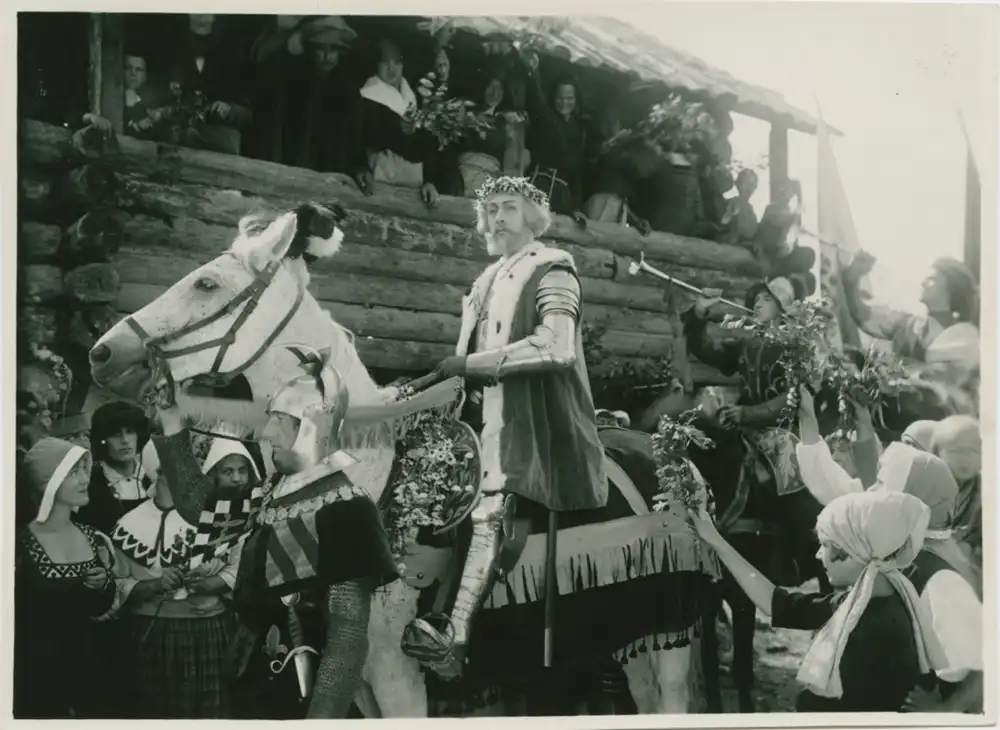
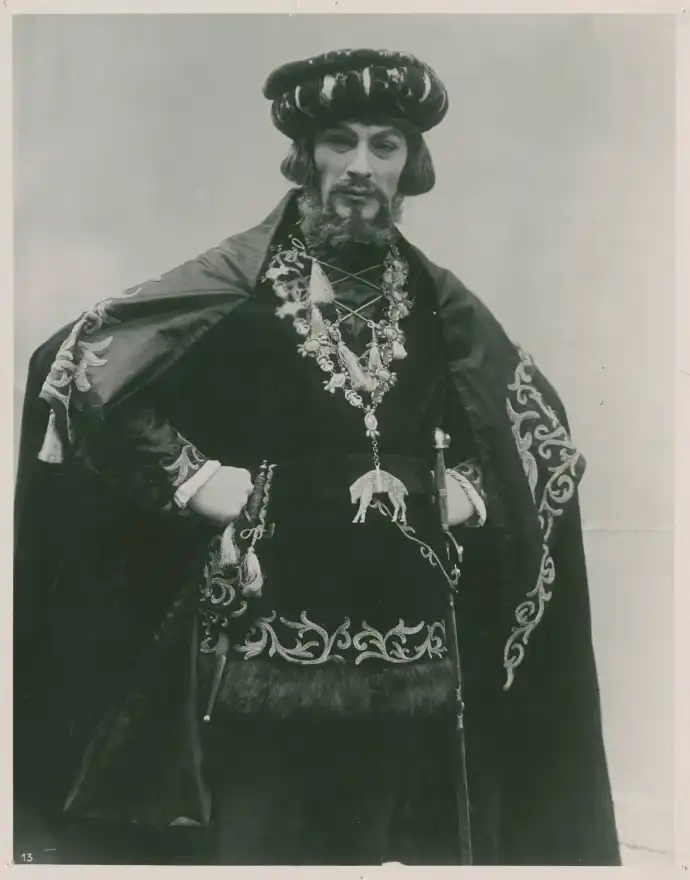
Wictor Hagman as Gustaf Wasa has this very particular, intense stare. It’s effective in close-ups, where you really get the sense of his determination, his single-mindedness. But then in wider shots, especially when he's meant to be rousing the troops or addressing a gathered crowd, sometimes he looks a little... lost. Like he's waiting for his cue in a school play, rather than leading a rebellion. The crowd scenes around him often feel a bit thin, too, like they couldn't quite fill the frame with enough genuinely enthusiastic patriots.
There are these strange little jumps in continuity that crop up now and then. A character will be standing in one spot, then the very next cut, they're suddenly a few feet away, or their arm position has completely changed. It’s not jarring enough to be avant-garde or intentional, just enough to make you scratch your head for a second. And the whole thing takes its time, you know? There's a scene, I forget exactly which one, where Wasa is just... walking. Across a field. For what feels like an eternity. I get it, he's on a journey, he's contemplating, but you could trim about thirty seconds from that and lose absolutely nothing of the narrative or emotional beat.
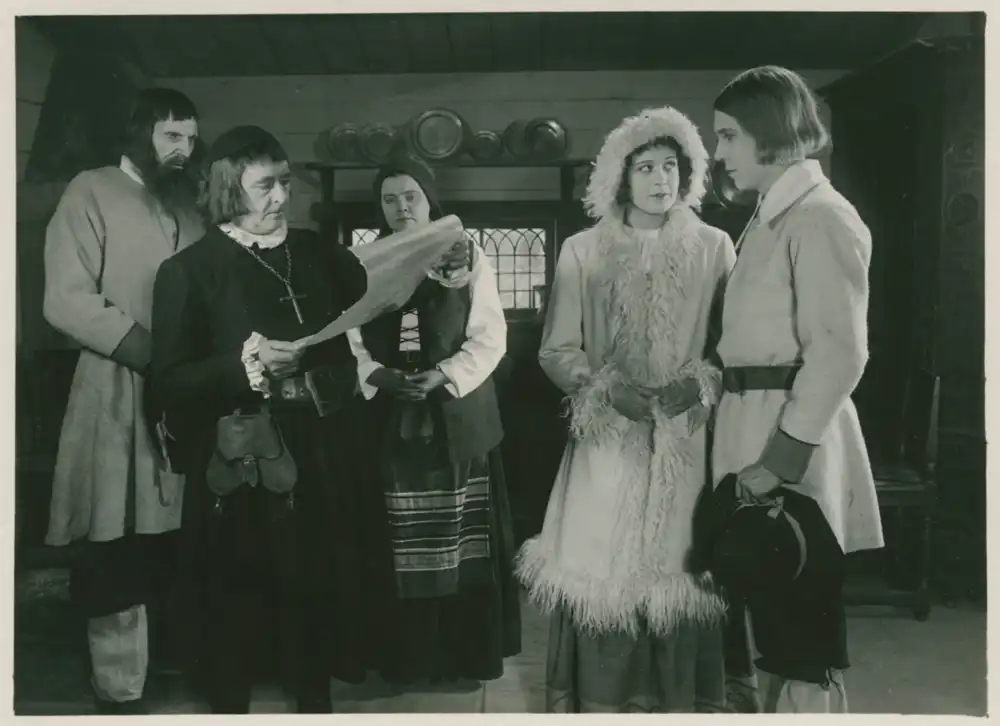
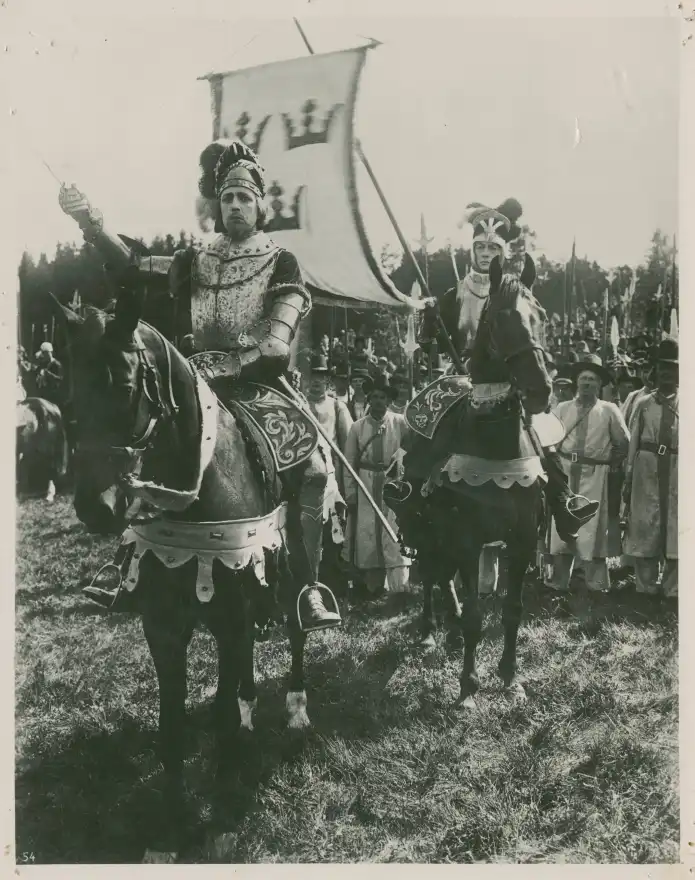
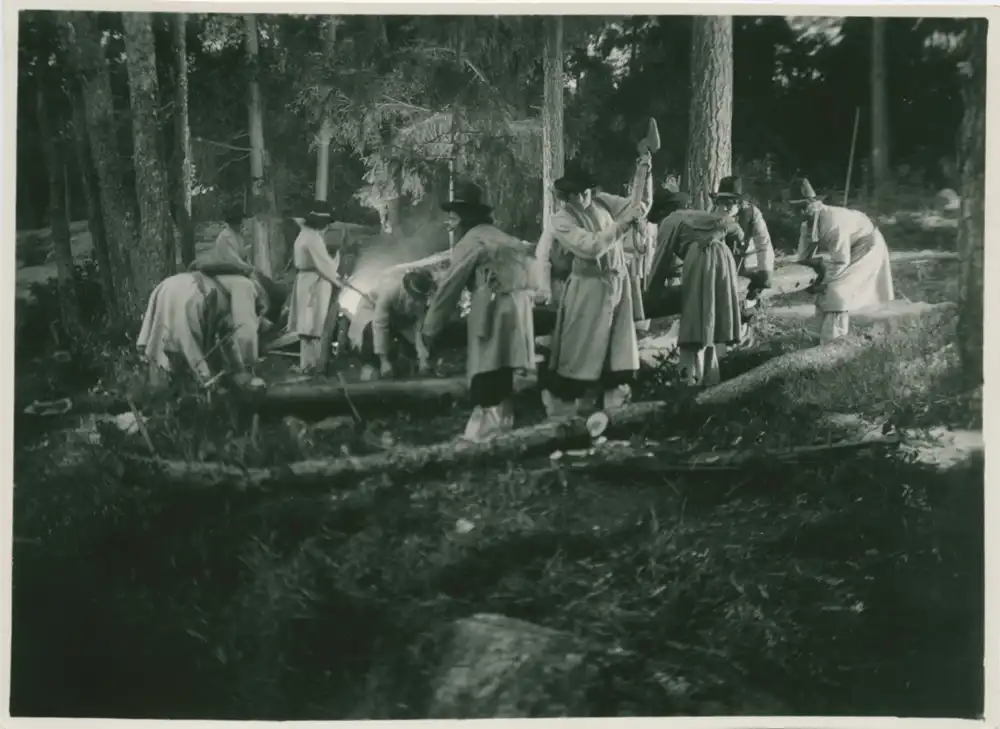
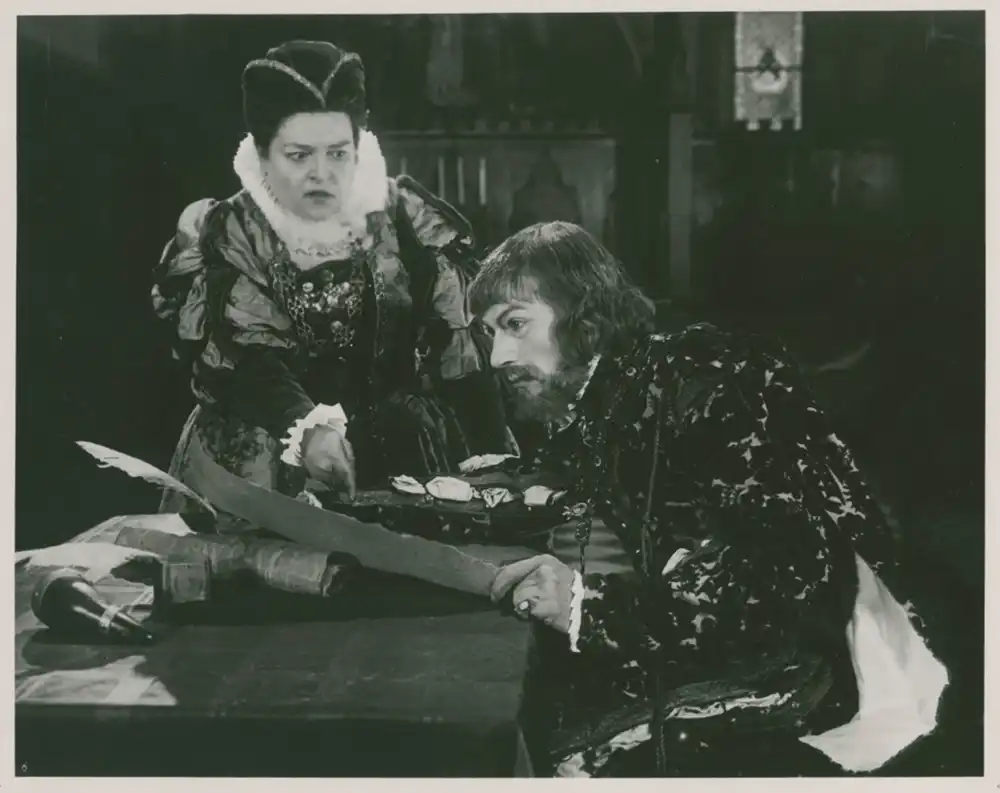
Some of the costumes are genuinely impressive for the era, all that heavy wool and fur on the Swedish side, giving a real sense of the period and the harsh climate. But then you catch a glimpse of what looks suspiciously like a modern shoe peeking out from under a peasant's tunic in one shot, and it just makes you wonder about the budget constraints, or maybe just a tired costume assistant on set. The background details in some of the interior shots, however, are quite rich, lots of tapestries and heavy wooden furniture, which helps ground the historical setting a bit more convincingly.
The intertitles are mostly functional. They tell you what's happening or what someone just said, but rarely do they add much poetic flair or deeper insight. Which, honestly, is fine sometimes. You just need the information to follow along. But there are moments where a character is clearly having a very dramatic internal struggle, and the intertitle simply says, "Wasa thinks about his next move." You wish for a little more, something to really grab onto, to pull you deeper into his head.
One particularly odd moment comes after a brutal skirmish. The screen is filled with the aftermath of violence, and then it suddenly cuts to a very domestic scene, almost idyllic, with someone baking bread or perhaps tending to a hearth. The contrast is so sharp it almost feels accidental, like they accidentally spliced in a scene from another movie for a second. It's not a bad idea to show the contrast of war and peace, but the transition is so abrupt it’s a bit comical, rather than poignant.
The film doesn't lean heavily into personal relationships or romantic subplots here, which makes sense given the focus on national struggle. It’s all about Wasa and his people, the forging of a nation. This single-mindedness is both a strength and a weakness; it keeps the narrative tight, but sometimes you crave a little human connection beyond the grand declarations. The interactions between Wasa and his lieutenants feel more like formal pronouncements than genuine camaraderie.
Gustaf Wasa del I is a document more than a consistently engaging piece of cinema. It’s a valuable historical artifact, a glimpse into how a nation told its foundational myths on screen nearly a century ago. You watch it for the curiosity, for the occasional flash of visual ambition, and for the sheer dedication it took to pull off something of this scale at the time. Just don't expect it to sweep you off your feet like The Glorious Adventure or even something a bit more narratively adventurous. It’s a piece of its time, proudly, stubbornly so.
IMDb 6.9
1929
Community
Log in to comment.