DbcultAccessing Vault...
Cult Review
Senior Film Conservator
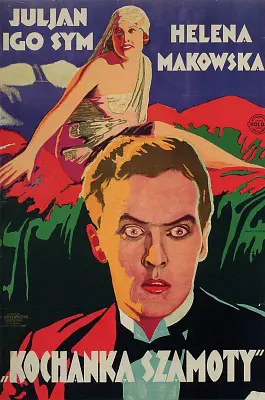
Is Kochanka Szamoty worth your time today? Short answer: yes, but with significant caveats. This rarely seen Polish silent film offers a fascinating, albeit often frustrating, glimpse into early European cinema, making it essential viewing for dedicated film historians and those with a deep appreciation for the era's unique storytelling challenges, yet entirely unsuitable for casual viewers seeking modern narrative conventions or high production polish.
It’s a commitment. A true test. For the right audience, however, it’s a rewarding deep dive into the foundational aesthetics of a nascent art form. For everyone else, it’s likely to feel like an arduous, if historically significant, chore.
Let’s get straight to it. Evaluating a film like Kochanka Szamoty, a product of a bygone cinematic era, requires a specific lens. It works. But it’s flawed. Brutally so, by contemporary standards.
This film works because of its raw, unadulterated historical value, offering an invaluable window into the early stylistic choices and thematic concerns of Polish cinema, particularly through the ambitious, if sometimes overwrought, performances of its lead actors.
This film fails because its pacing is glacial, its narrative often obscured by the limitations of silent storytelling, and its technical execution, while impressive for its time, simply cannot compete with the dynamic visual language modern audiences expect.
You should watch it if you possess a genuine, patient curiosity for film archaeology, an academic interest in the evolution of acting, or a desire to experience a piece of cinematic heritage that actively challenges contemporary viewing habits.
It's a curious beast, this film. Written by Stefan Grabinski and Leon Trystan, Kochanka Szamoty, or 'Szamota's Lover,' immediately suggests a narrative steeped in passion, intrigue, and perhaps a touch of the illicit. And it delivers on that promise, albeit through a filter of melodrama and the unique expressive language of the silent screen.
To truly appreciate Kochanka Szamoty, one must contextualize it. This isn't just a movie; it's a historical document. It’s a testament to the nascent film industry in Poland, grappling with storytelling without spoken dialogue, relying heavily on visual cues, exaggerated expressions, and expository intertitles.
The film’s very existence, let alone its occasional availability, is a minor miracle. Many silent films from this era are lost to time, disintegrated or simply forgotten. To engage with Kochanka Szamoty is to partake in an act of cinematic preservation, an active effort to connect with the roots of an art form.
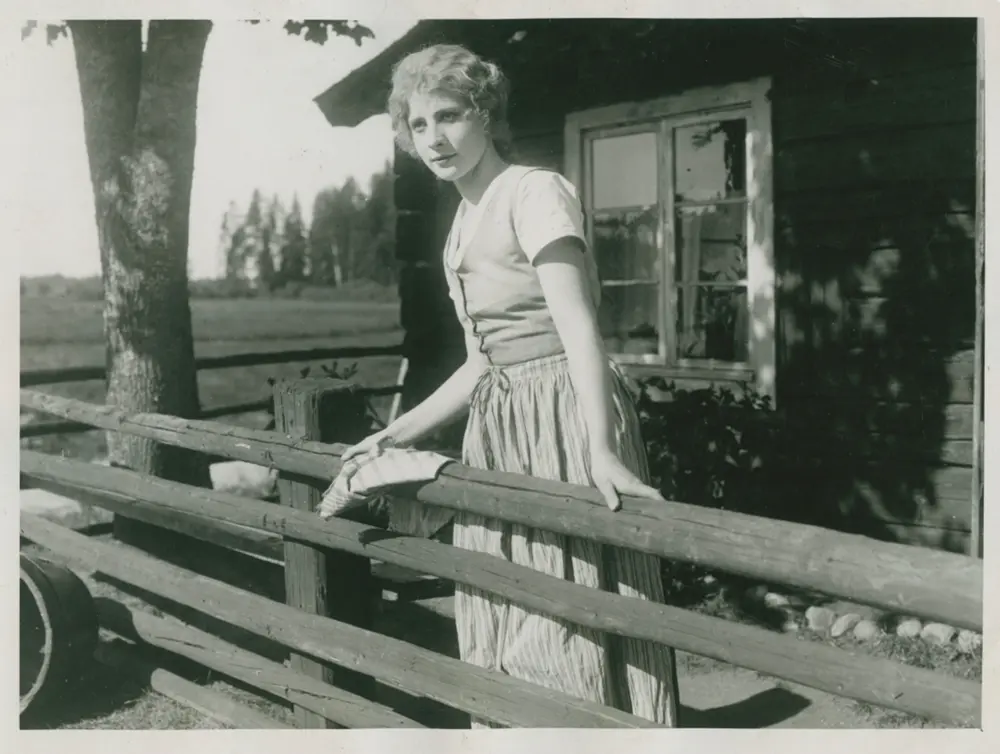
The performances in Kochanka Szamoty are, as expected, of their time. Igo Sym, a prominent figure in Polish cinema, delivers a performance that oscillates between nuanced emotional depth and the theatrical grandiosity often demanded by the silent screen. His portrayal of Szamota, burdened by the complexities of his titular lover, is a masterclass in conveying internal conflict through external gesture.
There’s a particularly striking scene where Sym, without uttering a word, conveys profound despair through a simple slump of his shoulders and a slow, deliberate turn from the camera. It’s a moment that transcends the era’s typical overacting, hinting at a more modern, internalized performance style. Helena Makowska, as the enigmatic lover, is equally compelling. Her expressions, often bordering on the operatic, capture a captivating blend of vulnerability and steely resolve. While some might find her gestures overly dramatic, one cannot deny the sheer force of her presence, holding the screen with an intensity that belies the film's age.
Marian Rentgen and Aleksander Maniecki, alongside Michal Halicz, provide solid support, their characters often serving as foils or catalysts for the central couple's drama. Their interactions, though sometimes stiff, contribute to the film’s overall texture, grounding the more heightened emotions of the leads.
The direction in Kochanka Szamoty, while not revolutionary, demonstrates a clear understanding of the visual storytelling principles of the silent era. The camera is largely static, as was common, yet there are moments of surprising compositional elegance. The use of deep focus in certain interior shots, for example, allows the audience to absorb more information about the characters' environment, subtly hinting at their social standing or emotional state without explicit intertitles.
One memorable sequence involves a slow pan across a crowded marketplace, a rare moment of dynamism that momentarily breaks the static tableau, offering a fleeting glimpse into the vibrant world beyond the protagonists' immediate drama. This brief excursion, while perhaps jarring for some, actually enriches the film's sense of place.
The cinematography, often grainy and starkly lit due to the technical limitations of the time, nevertheless possesses a haunting beauty. The black and white palette is used effectively to create stark contrasts, particularly in scenes depicting emotional turmoil or clandestine meetings. Shadows play a crucial role, often enveloping characters to symbolize their inner darkness or the secrets they harbor. It’s less about 'visually stunning' and more about 'visually evocative,' a distinction crucial for appreciating silent film aesthetics.
Here’s where many contemporary viewers will struggle. The pacing of Kochanka Szamoty is, by modern standards, excruciatingly slow. Scenes unfold with a deliberate, almost meditative cadence, punctuated by frequent intertitles that explain plot points or character thoughts. This isn't a flaw of the film itself, but a characteristic of the era it hails from. Audiences of the 1920s were accustomed to this rhythm, allowing moments to breathe and emotions to simmer.
For us, accustomed to rapid-fire editing and constant narrative propulsion, it can feel like watching paint dry. Yet, if one surrenders to its rhythm, a different kind of appreciation emerges. The slow pace allows for a deeper absorption of the visual details, the subtle shifts in an actor’s expression, and the often-poetic language of the intertitles.
The tone is undeniably melodramatic, bordering on the tragic. It’s a world of grand passions, betrayal, and societal judgment. While some might find this overbearing, it’s entirely consistent with the literary and theatrical traditions from which early cinema drew its inspiration. The film never shies away from the emotional extremes, embracing them fully, which is, in its own way, commendable.
For the average moviegoer, probably not. Kochanka Szamoty demands a specific kind of viewership – one that prioritizes historical context and academic interest over pure entertainment value. It's an artifact, a window into a past that shaped the future of film.
However, for film students, historians, or anyone with a deep, abiding love for silent cinema, it is absolutely worth seeking out. It offers invaluable insights into early cinematic techniques, acting styles, and the cultural narratives prevalent in Poland during the interwar period. It allows for a deeper understanding of how storytelling evolved on screen.
You’ll find more immediate gratification in a film like Ladies Prefer Brunettes for its more accessible comedic tone, or even the raw energy of The Galloping Kid for silent action, but Kochanka Szamoty offers something different: a profound, if challenging, historical experience.
Kochanka Szamoty is not a film to be consumed passively. It demands engagement, patience, and a willingness to step back in time. It’s less a piece of entertainment and more an archaeological dig into the cinematic past. Is it a lost masterpiece? Unlikely, in the universal sense. Is it a valuable, fascinating, and at times surprisingly poignant historical document? Absolutely.
Its true genius lies not in its narrative coherence, but in its accidental preservation of a bygone era's anxieties, making it more of an archaeological treasure than a polished cinematic experience. One might even argue that the very absence of a clear, universally accessible plot forces a more active, interpretive role upon the viewer, transforming a passive viewing into an almost academic exercise.
For those who cherish the history of film, who find beauty in the imperfect and the archaic, Kochanka Szamoty offers a unique, if challenging, reward. It’s a film that asks you to meet it on its own terms, and if you do, it might just reveal something profound about the enduring power of human drama, regardless of the technological era.
IMDb —
1925
Community
Log in to comment.