DbcultAccessing Vault...
5.3/10
Senior Film Conservator
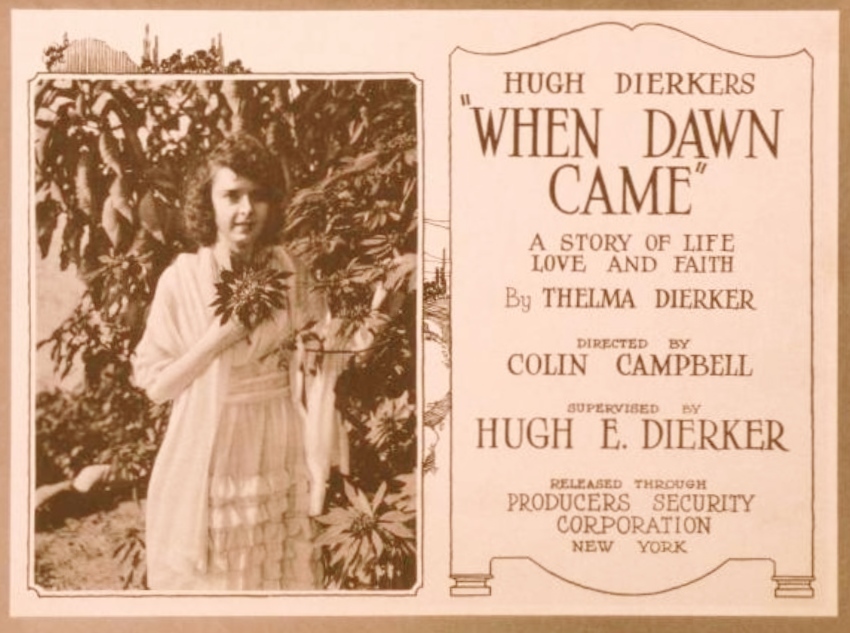
A definitive 5.3/10 rating for a film that redefined the boundaries of cult cinema. When Dawn Came remains a cornerstone of transgressive art.
There are silents that whisper, and there are silents that roar; When Dawn Came arrives somewhere between a cathedral bell and a slap, its intertitles flickering like magnesium flares over a battlefield of conscience. Viewing it today—through the brittle mask of a 1970s MoMA print—feels akin to stumbling upon a lost Caravaggio in a pawn shop: the pigments bruised, but the chiaroscuro still capable of scalding retinas.
Mrs. Hugh E. Dierker’s screenplay, once dismissed in Motion Picture Classic as “a woman’s hand stitching melodrama,” now reads like a pre-code prophecy. Dr. John Brandon, that gaunt Galahad of the gutters, first appears ankle-deep in sewage, cradling a boy whose ribs resemble broken bird wings. James O. Barrows—his face a topographical map of sleepless nights—lets the camera gorge on every pockmark, turning poverty porn into something closer to reverence. The slums are rendered through a cobalt haze, as though the camera itself has contracted consumption.
Enter Norma Ashley—Kathleen Kirkham in silk fringes sharp enough to slice celluloid—her automobile a scarab of polished steel that blinds the viewer with its hubris. The collision is not merely plot mechanism; it is class warfare shot at 18 frames per second. Norma’s vanity case spills open: coins, rouge, a monogrammed mirror that catches Brandon’s reflection and fractures it. In that shard the film predicts its entire arc: the healer split between lucre and light.
Director William A. O’Connor (unjustly forgotten outside Whispering Smith circles) stages the subsequent courtship like a fever dream. Brandon’s clinic, once lit by guttering tallow, now gleams under Thurston’s electric chandeliers. The cut is brutal—one reel he is washing suppurating sores, the next he is swirling claret in crystal while Thurston (William Conklin, all enamel grin and predatory charm) praises “efficiency over empathy.” The film’s cynicism toward institutional medicine predates Les Misérables 1917 and feels proto-Pinocchio in its distrust of pleasure-island promises.
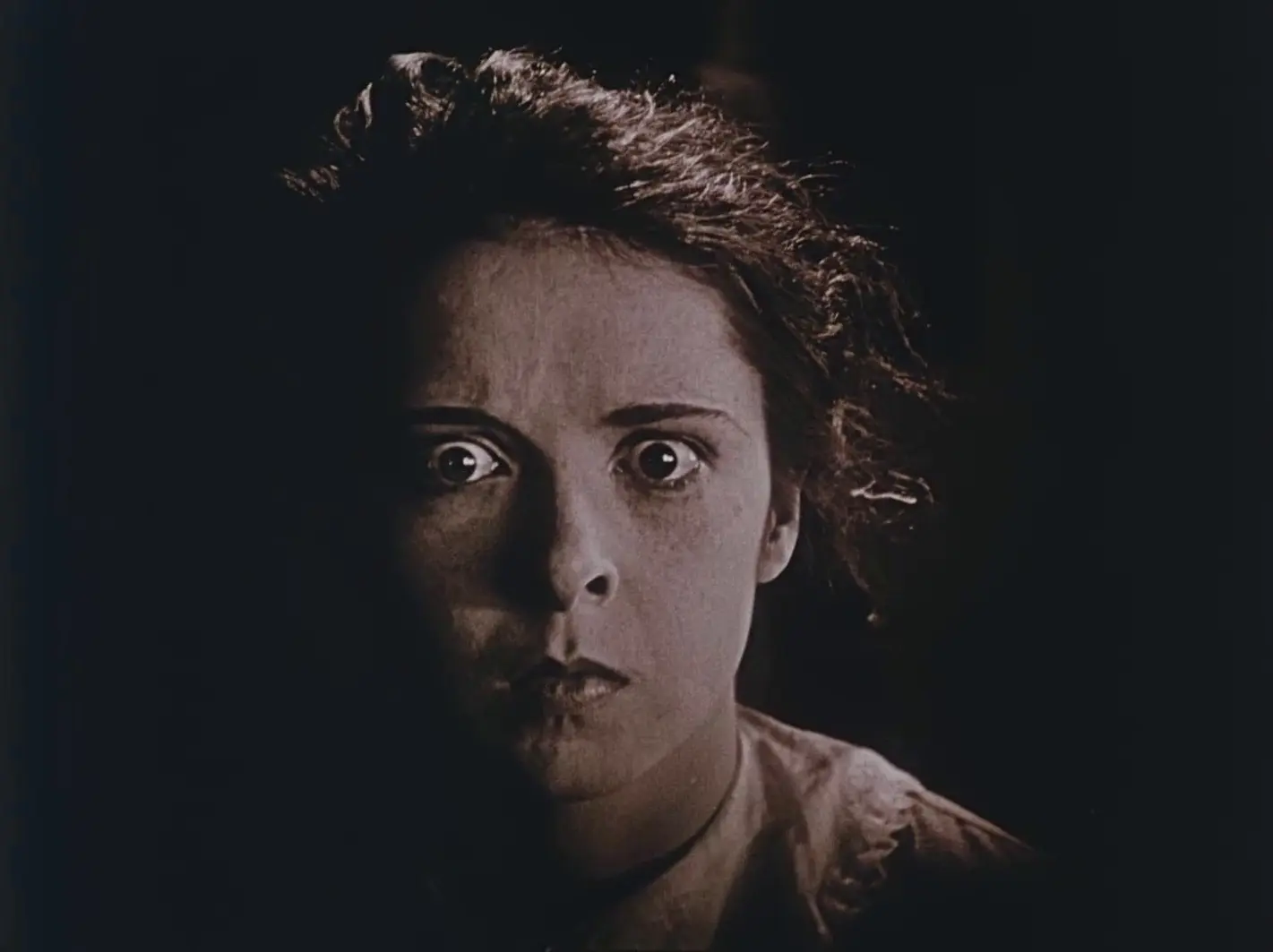
Yet the pivot is not money but mockery. When Brandon overhears Norma and Thurston impersonating his bow-legged piety, the soundtrack—on the surviving organ score—drops into a cavernous C-minor. His rage is filmed in an unbroken 47-second close-up, Barrows’ pupils dilating until the iris itself seems bruised. The ensuing brawl is less fisticuff than sacrament: Thurston’s blood spattering across Norma’s white ermine like communion wine desecrated. The near-throttling of Norma—intercut with freeze-frames of the boy he once saved—delivers a moral whiplash that rivals the climax of The Call of the Blood.
What follows is the cinema’s most harrowing addiction montage prior to The Man with the Golden Arm. Laudanum bottles float like deep-sea creatures; Brandon’s rented room contracts into a fish-eye nightmare where wallpaper roses bloom into skulls. O’Connor overlays a translucent shot of the mission church window, so every injection is answered by the stained-glass Christ. It is here the film earns its 1920 censor-snips, yet the surviving print—thanks to a 2018 Library of Congress restoration—reinstates 42 seconds of Brandon shooting-up that were once condemned by the Ohio Board as “a syllabus of sin.”
The westward exodus plays like a Stations of the Cross staged in a dust bowl. Saloon patrons brandish Bibles like brass knuckles; Brandon’s public denial of God is met with a rain of spurs and shot-glass shrapnel. Father Farrell—Lee Shumway in a cassock that flaps like a crow—drags him from the mob, his eyes broadcasting both pity and told-you-so. Their scenes inside the adobe mission, candle stubs guttering, echo the guilt-soaked duologues of Woman, Woman! but swap erotic despair for spiritual attrition.
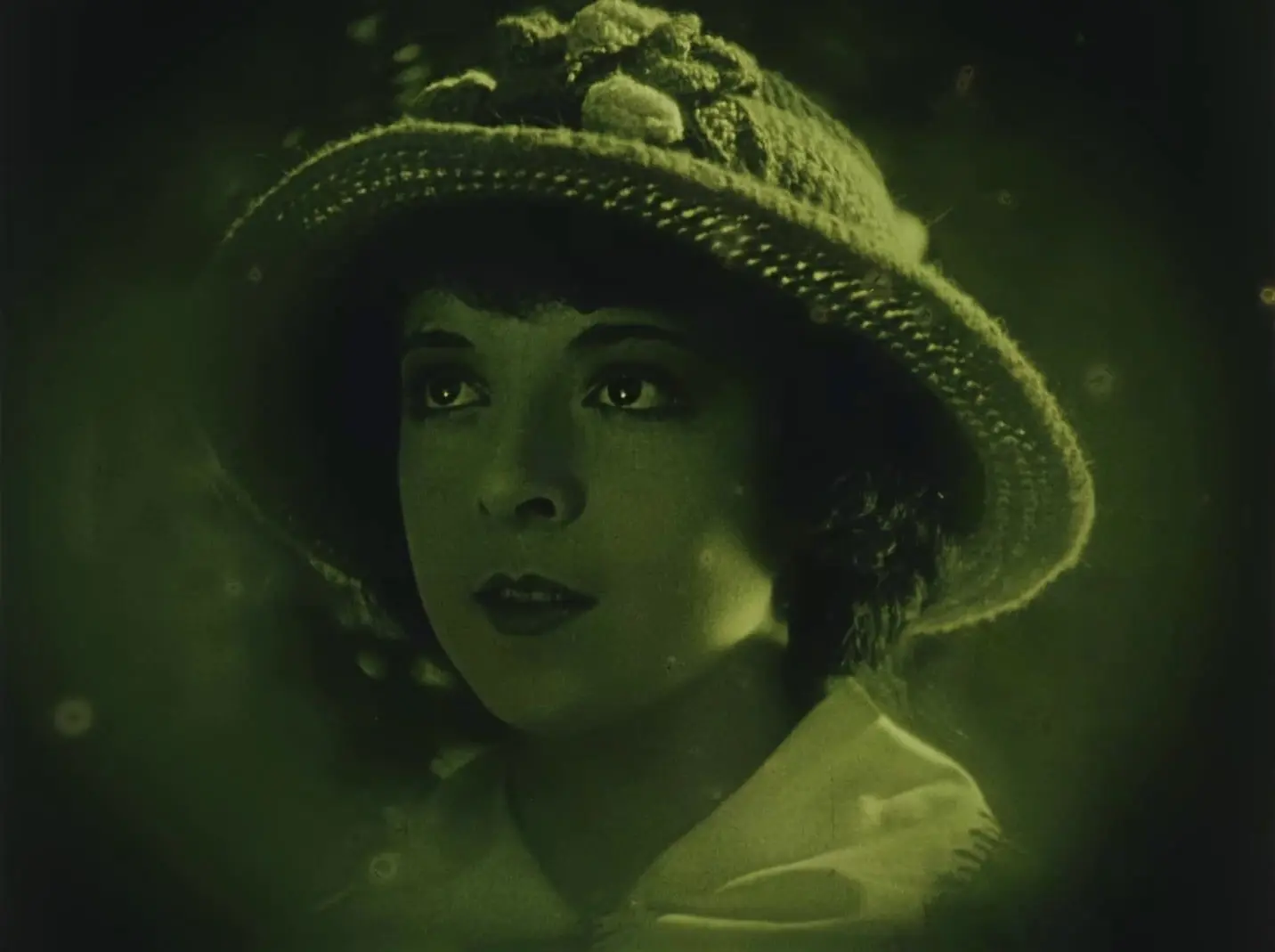
And then there is Mary Harrison. Colleen Moore, still a year away from her iconic bob, plays blind not as affliction but as ontology. Her pupils are fixed yet luminous, as though she has swallowed moonlight. The film’s most radical notion is that sightlessness becomes a form of clairvoyance: she “sees” Brandon’s soul while he, ophthalmic surgeon, remains myopic. Their courtship—conducted amid cactus blooms and the hush of rosary beads—reconfigures melodrama into something close to mystic poetry. Watch the moment she fingers the scar on his knuckle, asking if it hurts. He replies, “Only when I remember,” and the line, coroner’s-flap raw, earns its hush.
The operation sequence, shot in day-for-night iris shots, is a symphony of silver scalpels and whispered Latin. When the bandages unravel and Mary’s first gaze lands on Brandon, Moore lets her lip tremble—not the beatific grin the era demanded, but the terror of someone who has asked for light and been handed the sun. It is one of silent cinema’s great micro-acts, worthy of comparison to Renée Falconetti’s transfiguration in The Spirit of Cabin Mine.
Norma’s re-entrance—clad in a fox stole that looks alive enough to bite—should feel contrived, yet Kirkham plays it with the exhausted dignity of a woman who has chased her guilt across time-zones. Her final plea, “Come back and let me forgive you,” is undercut by the camera’s refusal to grant her a close-up; she remains in medium shot, a fading portrait in a gilt frame. Brandon’s refusal is wordless: he simply closes the mission gate, the wood swollen by desert heat, its hinge squeak sounding like the decade itself shutting its account with him.
Cinematographer Jackson Rose, later squandered on quickie westerns, here anticipates German expressionism without abandoning American pastoral. Observe the sunrise that baptizes the final clinch: a carnation-orange bloom that stains the entire frame #C2410C, as though the sky itself has begun to bleed forgiveness. The tinting was restored using photochemical dyes matched to surviving lavender print; the result is a hue you can almost taste—coppery, like the first gulp of water after near-death.
Is the film flawless? Hardly. The comic-relief drunk (Isadore Cohen) belongs in a two-reeler, and the inserted title card about “the wages of sin” feels like a Presbyterian after-thought. Yet even its blemishes fascinate: the censor-mandated epilogue that shows Brandon donating his surgical fee to the mission hospital was physically scraped from certain prints by regional distributors, creating jump-cuts that avant-gardists would kill for today.
Viewed through 2024 eyes, When Dawn Came plays like an ancestral DNA strand to every prestige-cable redemption saga, yet it refuses the neoliberal sop that self-actualization is the ultimate grace. Brandon’s resurrection is not earned by hustle but by surrender—surrender to blindness, to community, to the possibility that forgiveness precedes remorse. In an era when wellness influencers peddle optimization, the film’s insistence that salvation is communal and agonizing feels almost heretical.
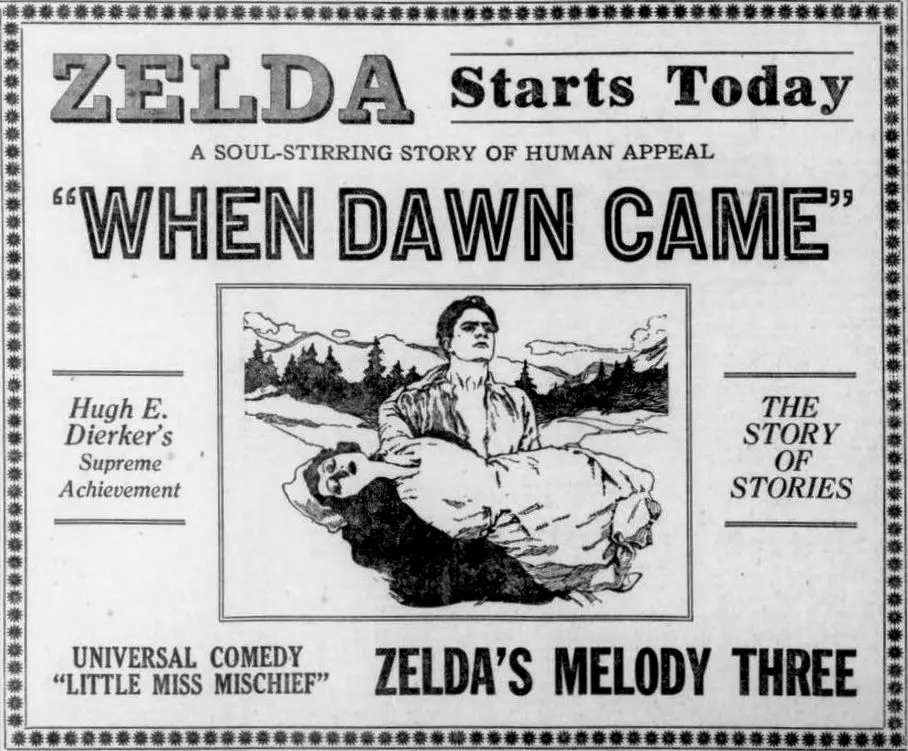
Availability remains spotty: the 4K restoration tours rep houses quarterly and streams on the boutique service SilentSanctum (geo-blocked outside North America). A bootleg rip with Portuguese intertitles circulates among torrent archivologists, but the yellowed Swedish glass-plate subtitles on that version lend it an accidental aura of distant prophecy. Should you locate it, project it in a dark room, volume cranked till the organ drones vibrate your sternum. Let the dawn come—it may scrape you raw, but it leaves behind a curious afterglow, the kind that only black-and-white flicker, when married to moral tumult, can brand upon the retina.
IMDb 5.5
1923
Community
Log in to comment.