DbcultAccessing Vault...
6.2/10
Senior Film Conservator
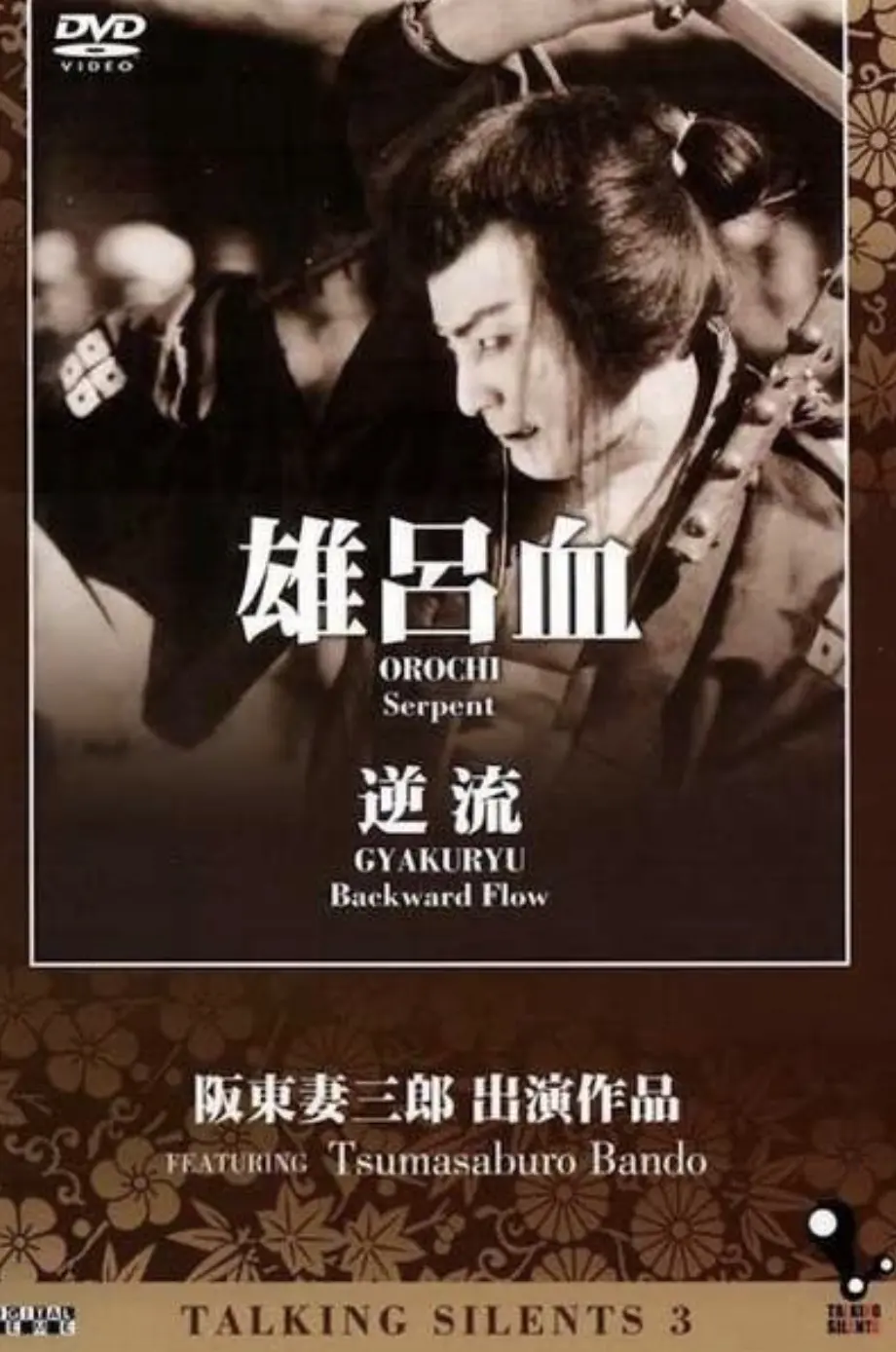
A definitive 6.2/10 rating for a film that redefined the boundaries of cult cinema. Gyakuryû remains a cornerstone of transgressive art.
The narrative of Gyakuryû unfolds in a world where the samurai code of honor and righteousness are merely shadows of their former glory. The protagonist, a samurai with a heart as cold as the winter landscape he inhabits, is a man bereft of his former ideals. His mother is brutally murdered, his sister is betrayed and used, and the only woman he loved is taken from him. This relentless cascade of misfortunes plunges him into a state of nihilism, a philosophy that finds no solace in the world's injustices.
Director Rokuhei Susukita masterfully weaves these intricate threads of tragedy into a cohesive and haunting narrative. The camera lingers on the desolate landscapes, capturing the grim beauty of a world that seems to mock the protagonist's struggles. The acting, particularly by Yoshimatsu Nakamura, is a tour de force. His portrayal of a man who has lost everything, save for his sword, is nothing short of mesmerizing. Nakamura's performance is a blend of raw emotion and stoic determination, making the audience feel the weight of his despair.
The supporting cast, including Teruko Makino and Kanzaburô Arashi, add depth and nuance to the story. Makino's performance as the sister who is both victim and reluctant accomplice is particularly poignant. Her character's journey from innocence to complicity is a testament to the oppressive forces that can corrupt even the purest of hearts. Arashi's role as the guide or mentor figure offers a rare moment of solace in an otherwise bleak narrative, although his presence is tinged with an air of inevitability.
The film's visual aesthetics are as significant as its narrative. The cinematography by Susukita is a visual symphony, with a palette that oscillates between the oppressive grays of winter and the occasional bursts of vivid color that seem to accentuate the absurdity of the protagonist's plight. The mise-en-scène, meticulous and detailed, immerses the viewer in a world where every scene is a metaphor for the protagonist's inner turmoil.
Thematically, Gyakuryû delves into the human condition, exploring the depths of despair and the fragility of the human spirit. It is a meditation on the futility of struggle in a world that seems inherently unjust. The film challenges the viewers to question not just the morality of the protagonist's actions, but also their own perceptions of right and wrong. It is a film that requires patience and a willingness to confront uncomfortable truths.
Comparisons to other films in the genre, such as Reported Missing and The Virtuous Thief, reveal a thematic continuity in the exploration of moral ambiguity and the darker aspects of human nature. However, Gyakuryû stands apart through its relentless focus on the individual's struggle, making it a more intimate and personal exploration of existential despair.
The soundtrack, composed by an anonymous yet talented musician, complements the film's somber tone. The score is a blend of traditional Japanese music and more modern elements, creating a hauntingly beautiful auditory experience. The use of silence and the occasional burst of discordant notes effectively underscore the protagonist's internal struggle, adding another layer of emotional depth to the narrative.
While the film's themes may be heavy, its execution is remarkably skillful. The pacing, though deliberate, never feels sluggish. Each scene builds upon the previous one, creating a sense of inevitability that is both oppressive and compelling. The editing, by Susukita, is precise and purposeful, ensuring that every moment contributes to the overall narrative.
However, the film is not without its flaws. At times, the relentless focus on despair can feel overwhelming, potentially alienating viewers who may find the narrative too bleak. The pacing, while deliberate, can also feel slow at times, particularly during the more reflective scenes. Despite these minor criticisms, the film's strengths far outweigh its weaknesses.
In conclusion, Gyakuryû is a powerful and thought-provoking film that challenges the viewer to confront the darkest aspects of the human experience. It is a film that demands attention and reflection, offering a unique and deeply moving exploration of existential despair. For fans of intense and emotionally charged narratives, this film is a must-watch.

IMDb 6.4
1914
Community
Log in to comment.