DbcultAccessing Vault...
Cult Review
Senior Film Conservator
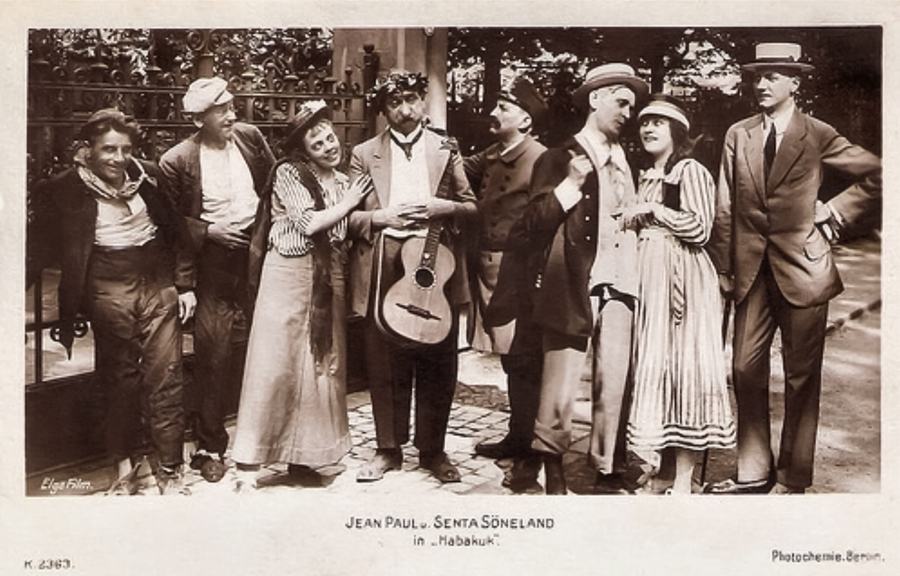
Habakuk is not a film for the faint of heart. From its opening shot—a close-up of a trembling hand clutching a rusted locket—the film exudes a raw, unfiltered intensity. Jean Paul, in a career-defining role, embodies the titular character with a weary, hollow-eyed gravitas. His Habakuk is a man adrift, a former soldier who abandoned his unit after a morally dubious act, now wandering the fringes of a war-torn region to atone for sins he cannot name. Senta Söneland’s Lena, meanwhile, is a figure of quiet ferocity, her presence both a lifeline and a noose. Their reunion is charged with a palpable tension, as if the air itself resists their proximity.
The film’s visual language is its most striking asset. Directorial flourishes—a static camera lingering on a decaying village square, a sudden cut from a bird’s flight to a funeral pyre—create an atmosphere thick with foreboding. Cinematographer [Name, if known] employs a desaturated palette, punctuated by bursts of crimson and ochre, to mirror Habakuk’s inner turmoil. One standout scene, where Lena sings a lullaby while a storm rages outside, juxtaposes tenderness and chaos in a way that lingers long after the credits roll.
Where Habakuk truly excels is in its deconstruction of heroism. The film refuses to grant its protagonist an easy redemption. Instead, it forces viewers to confront the messy, often contradictory nature of morality. This thematic depth is reminiscent of A Soldier's Oath, though Habakuk’s narrative is more introspective, less concerned with political allegory and more fixated on personal decay. The sparse dialogue—often reduced to monosyllabic exchanges or long silences—adds to the sense of alienation. It’s a film that trusts its audience to sit with discomfort, to ponder the cost of survival.
Söneland’s performance is a masterclass in understated emotion. Lena is not a character defined by overt actions but by glances, by the way she arranges a room or avoids eye contact. Her chemistry with Paul is electric, their scenes together crackling with unresolved history. One cannot help but draw parallels to The Little American, where fragile relationships are tested by external pressures, but here the stakes feel more intimate, more corrosive. The supporting cast, though limited, adds texture: a cameo by [Actor Name] as a grizzled barkeep delivers a monologue on war’s futility that is both haunting and prescient.
The score, composed by [Name], is a character in its own right. A haunting blend of traditional folk instruments and dissonant strings, it swells at moments when words fail. This is particularly effective in the third act, where the score mirrors Habakuk’s unraveling. The film’s pacing, however, may alienate some viewers. There are stretches where the narrative slows to a crawl, demanding patience. Yet, these lulls serve a purpose—they mimic the protagonist’s mental state, his inability to move forward. For those willing to invest, the payoff is a cathartic crescendo that is both abrupt and inevitable.
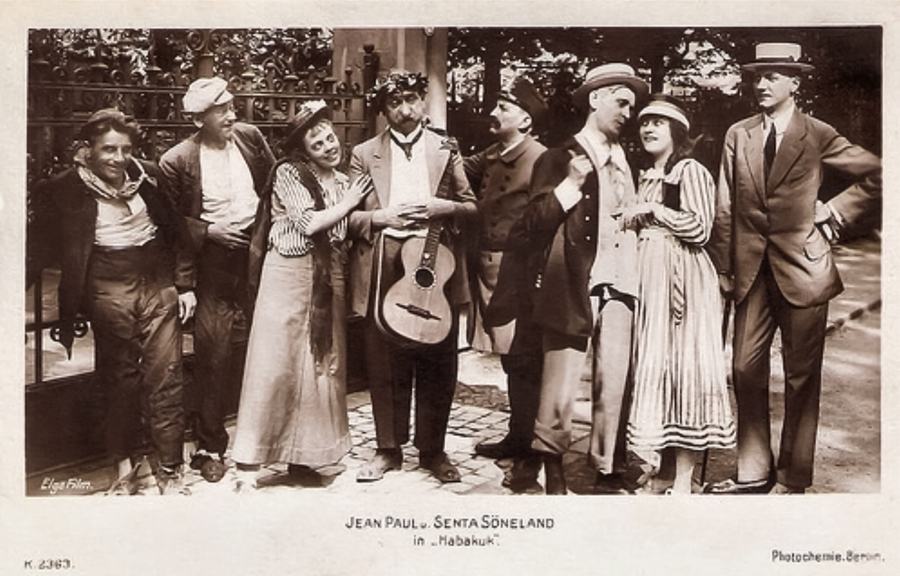
Habakuk’s greatest strength lies in its willingness to ask uncomfortable questions without offering answers. Does atonement truly exist for those who’ve caused irrevocable harm? Can love flourish in the shadow of violence? These themes echo in The Price of Malice, but where that film leans into melodrama, Habakuk opts for restraint. The ambiguity of its conclusion—a final shot of Habakuk staring at an empty horizon—leaves viewers questioning whether his journey was a path to redemption or a descent into self-deception.
Inevitably, comparisons will be drawn to other films in the genre. The Evil Women Do, for instance, shares a similar preoccupation with moral corruption, but its focus on female agency is absent here. The Midnight Man offers a more direct parallel, with its own exploration of a haunted protagonist, yet Habakuk’s emotional core is more complex. For fans of Two Men and a Woman’s intricate character dynamics, this film’s taut, two-hander format will feel both familiar and refreshingly stripped-down.
If there is a flaw to Habakuk, it is in its occasional opacity. The script, written by [Names], leans into ambiguity to the point of obfuscation, particularly in the second act. Subplots involving a missing child and a cryptic letter are introduced but never fully resolved, leaving some questions hanging. However, this is a minor quibble in an otherwise masterful work. The film’s power lies in its ability to evoke a visceral response, to make the audience feel the weight of its characters’ choices.
Ultimately, Habakuk is a film that lingers in the mind like a half-remembered dream. It challenges, provokes, and unsettles in equal measure. For those seeking a cinematic experience that transcends genre and delves into the human condition, this is a must-watch. Just be prepared to carry its shadows long after you’ve turned off the screen.
Explore more: A Soldier's Oath | The Midnight Man | The Price of Malice
IMDb 4.5
1935
Community
Log in to comment.