DbcultAccessing Vault...
Cult Review
Senior Film Conservator
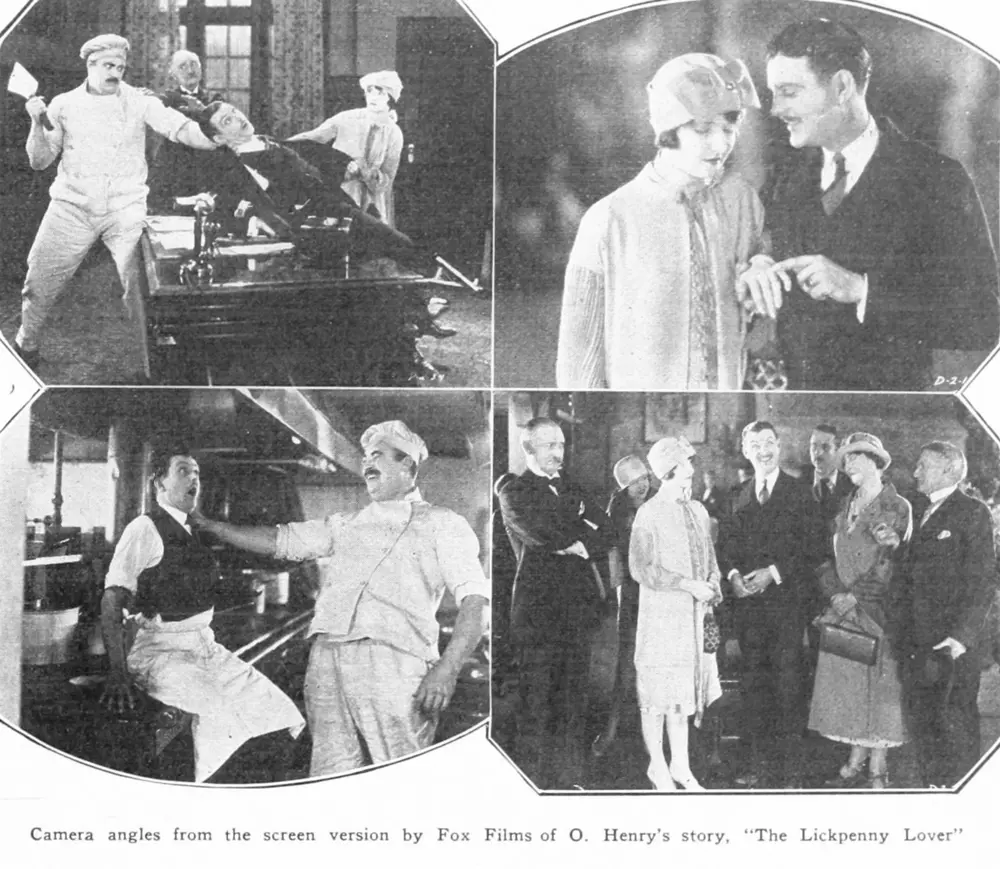
Is A Lickpenny Lover a hidden gem of the silent era? Short answer: yes, but only if you appreciate the frantic, physical energy of 1920s slapstick over subtle character development.
This film is for viewers who enjoy seeing the upper class humiliated by the working world and fans of O. Henry's signature irony. It is NOT for those who find silent-era chase sequences repetitive or who prefer their humor to be grounded in modern logic.
This film works because it leans heavily into the physical disparity between the 'man-mountain' chef and the 'society boy' protagonist, creating a visual gag that never gets old.
This film fails because the resolution feels like a massive cop-out, relying on a wealthy father to fix everything rather than the protagonist earning his way back to the top.
You should watch it if you want to see a masterclass in how early cinema used confined spaces—like a hotel kitchen—to build tension and comedy simultaneously.
A Lickpenny Lover takes place almost entirely within the confines of a hotel, a setting that serves as a perfect pressure cooker for class tension. The 'society boy,' played with a certain entitled charm by Hallam Cooley, is forced into the kitchen to work off a debt.
This isn't just a plot point; it’s a visceral descent. We see him struggling with oversized pots and the relentless pace of the 'man-mountain' chef. The contrast is stark. Cooley’s character is thin, manicured, and utterly out of place, while the chef represents the raw, unrefined power of the laboring class.
When the manager fires the chef, the film shifts gears into a chase that rivals the energy seen in Brave and Bold. The chef’s rampage through the hotel isn't just slapstick; it’s a symbolic destruction of the hotel’s rigid order.
The performances here are broad, as was common in 1920s comedy, but there is a surprising depth to the hard-boiled manager. He isn't just a villain; he is a man trying to maintain a facade of luxury while his kitchen is literally falling apart.
Gladys McConnell, playing the sweetheart, provides the emotional stakes. The scene where she arrives with her friends, only to mistake the boy—covered in grease and dishwater—for the manager, is the film's comedic peak. It’s painful to watch, but undeniably funny.
The irony is thick. He has to act the part of the powerful manager while being subordinate to everyone in the building. This kind of social role-reversal is a staple of the era, reminiscent of themes explored in The Woman Game, where appearance dictates reality.
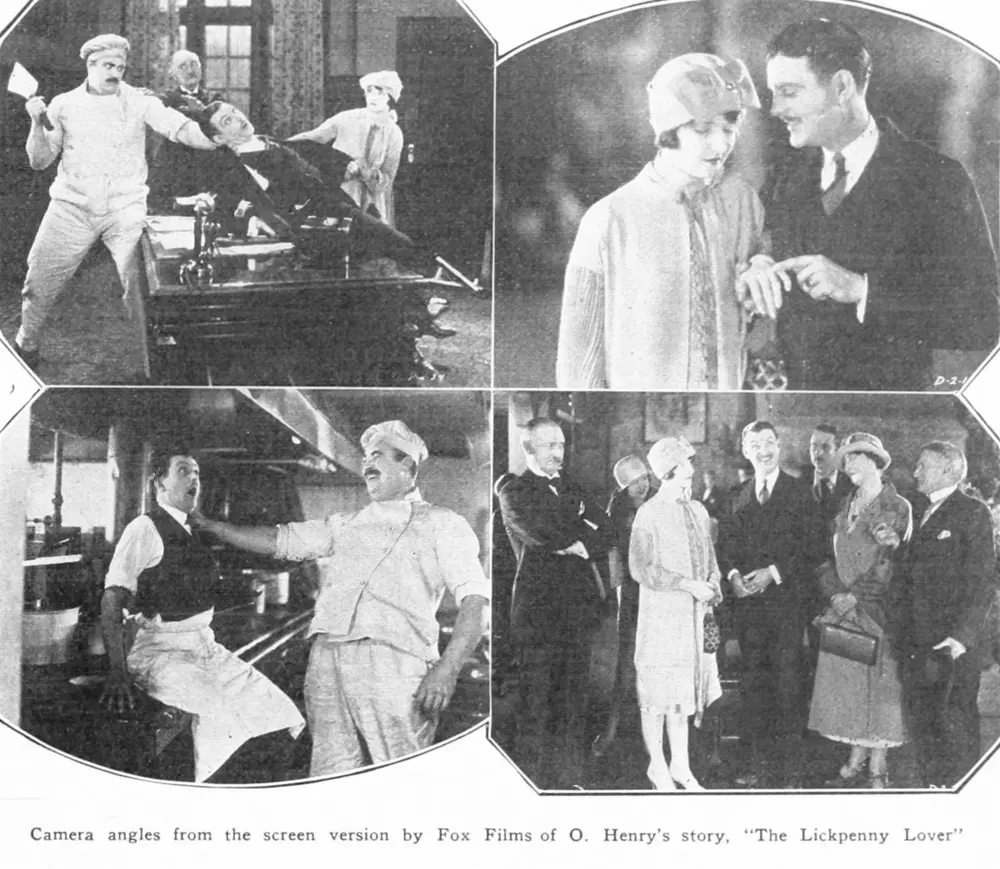
Technically, the film is surprisingly kinetic. The camera doesn't just sit still; it follows the chase through hallways and up staircases. This movement creates a sense of claustrophobia that adds to the humor. You feel the walls closing in on the manager and his new assistant.
The pacing is relentless. Once the chef is fired, the movie doesn't breathe until the father arrives at the end. It’s an exhausting experience, but in a way that feels intentional. It mimics the chaotic nature of the service industry, much like the frantic energy found in Why Hurry?
However, the cinematography lacks the artistic flair seen in The Last Laugh. While that film used the hotel setting to explore existential dread, A Lickpenny Lover uses it strictly for gags. It’s effective, but it’s not revolutionary.
Here is my first debatable opinion: the ending of this film is terrible. It completely undermines the growth of the protagonist. Just as he is learning the value of hard work and surviving on his own, his father shows up and buys the hotel.
It’s a 'Deus Ex Machina' that feels incredibly dated. Instead of the boy proving his worth, he is simply handed the keys to the kingdom because of his lineage. It turns a potential story of redemption into a story of privilege reasserting itself.
In films like The Test of Honor, the characters have to struggle for their resolution. Here, the struggle is just a temporary inconvenience for a rich kid. It works as a punchline, but it fails as a narrative arc.
The physical comedy is genuinely impressive. The chef doesn't just chase people; he destroys the environment around him. The scene where he throws a massive bowl of dough at the manager is a highlight of silent physical timing.
The social commentary, while subtle, is sharp. It highlights how easily a 'society boy' can be reduced to a dishwasher simply by losing access to his wallet. It’s a cynical look at status that still feels relevant today.
The film relies heavily on stereotypes. The 'hard-boiled manager' and the 'society boy' are tropes we’ve seen a thousand times. There is little effort to give them personality beyond their social standing.
The middle section can feel repetitive. There are only so many times you can see someone run through a door before the joke begins to wear thin. It lacks the variety of a Chaplin or Keaton short.
A Lickpenny Lover is a loud, messy, and occasionally brilliant piece of silent comedy. It captures the frantic energy of the 1920s and the biting wit of O. Henry, even if it loses its nerve at the very end. It works. But it’s flawed.
If you can look past the convenient ending, you’ll find a film that is surprisingly honest about the fragility of the upper class. It’s a fun, quick watch that serves as a great entry point into early American comedy. Just don't expect it to change your life.
IMDb 5.9
1935
Community
Log in to comment.