DbcultAccessing Vault...
6.6/10
Senior Film Conservator
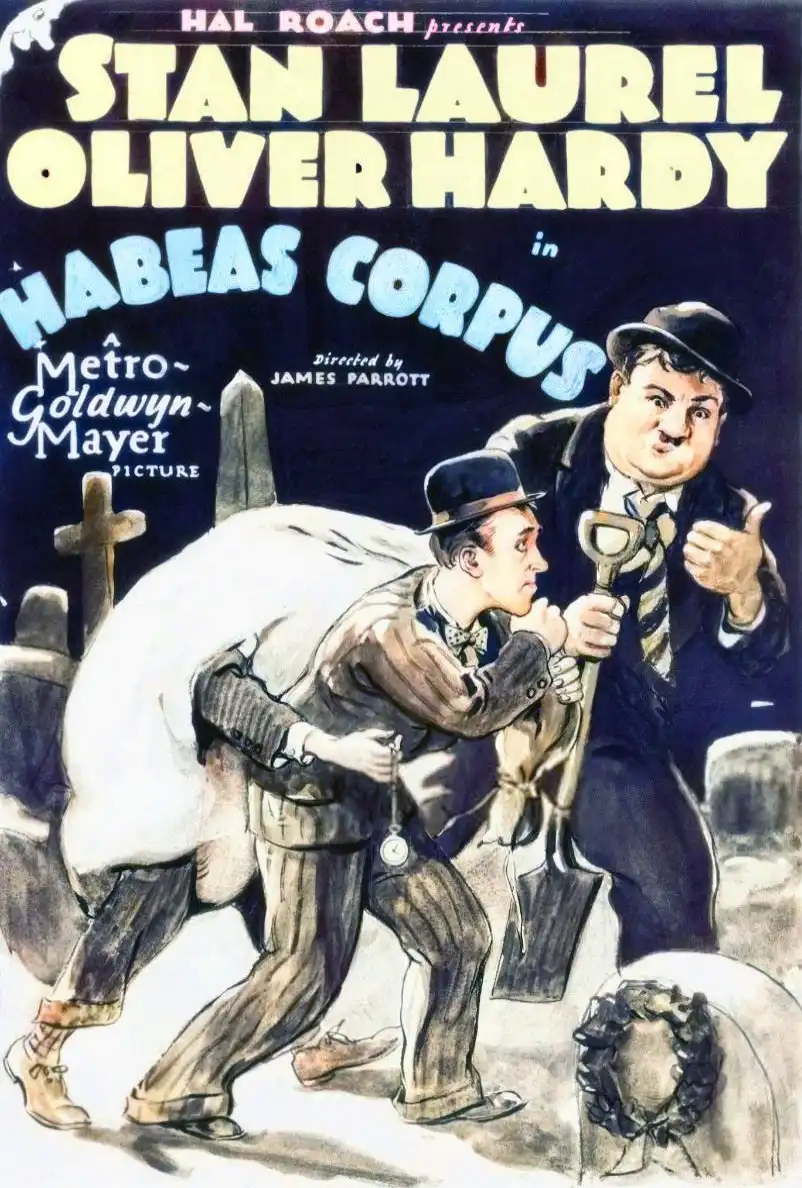
A definitive 6.6/10 rating for a film that redefined the boundaries of cult cinema. Habeas Corpus remains a cornerstone of transgressive art.
For anyone with even a passing interest in the foundational years of cinematic comedy, or specifically the evolution of Laurel and Hardy, Habeas Corpus (1928) is an essential, if somewhat rough-around-the-edges, viewing experience. It’s a short, twenty-minute silent film that serves as a fascinating snapshot of Stan and Ollie’s comedic partnership solidifying, leaning into the macabre humor that would occasionally pepper their later work. Modern viewers accustomed to rapid-fire pacing might find moments drag, but for fans of physical comedy and those curious about the duo's early development, it’s absolutely worth the time. If you require sophisticated dialogue or intricate plotting, this won't be your cup of tea; it’s pure, unadulterated slapstick with a gothic twist.
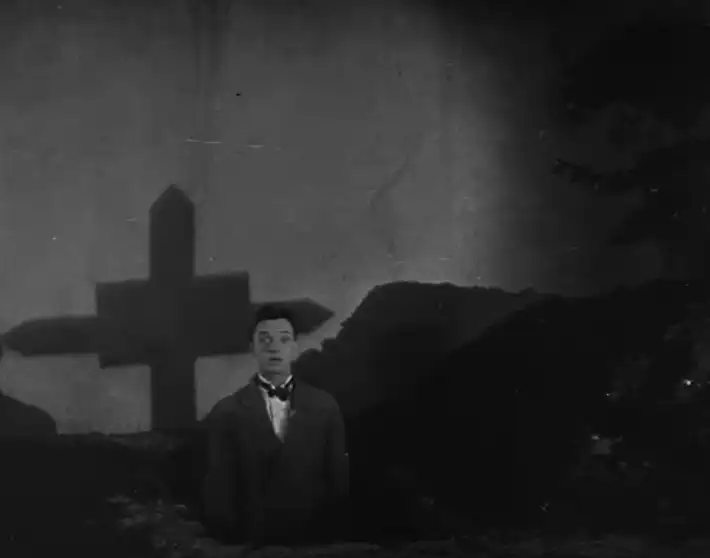
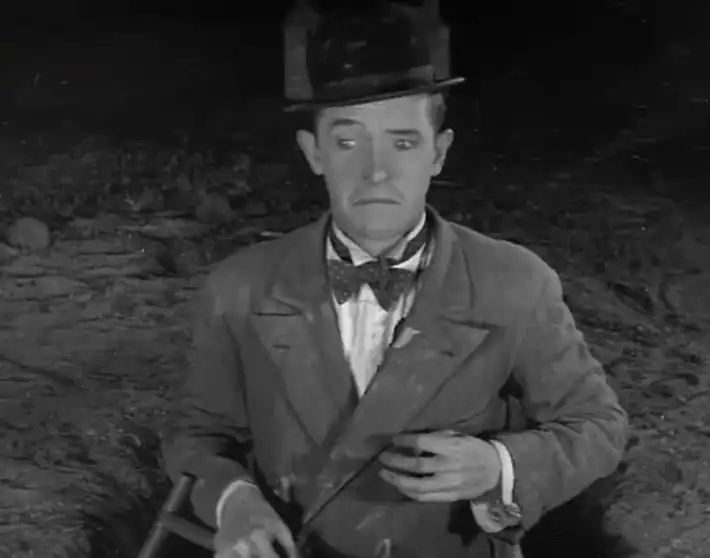
Even in 1928, the core dynamics of Stan Laurel and Oliver Hardy were clearly in place. Hardy, ever the pompous, put-upon straight man, carries the weight of responsibility, his exasperated glances and subtle movements speaking volumes without a single word. His signature tie-twiddle, a gesture of simmering frustration, is already a well-honed piece of physical shorthand. Laurel, on the other hand, is the eternal innocent, the agent of chaos whose wide-eyed confusion and delayed reactions consistently derail any semblance of a plan. His mournful, whimpering cries when things go wrong are instantly recognizable.
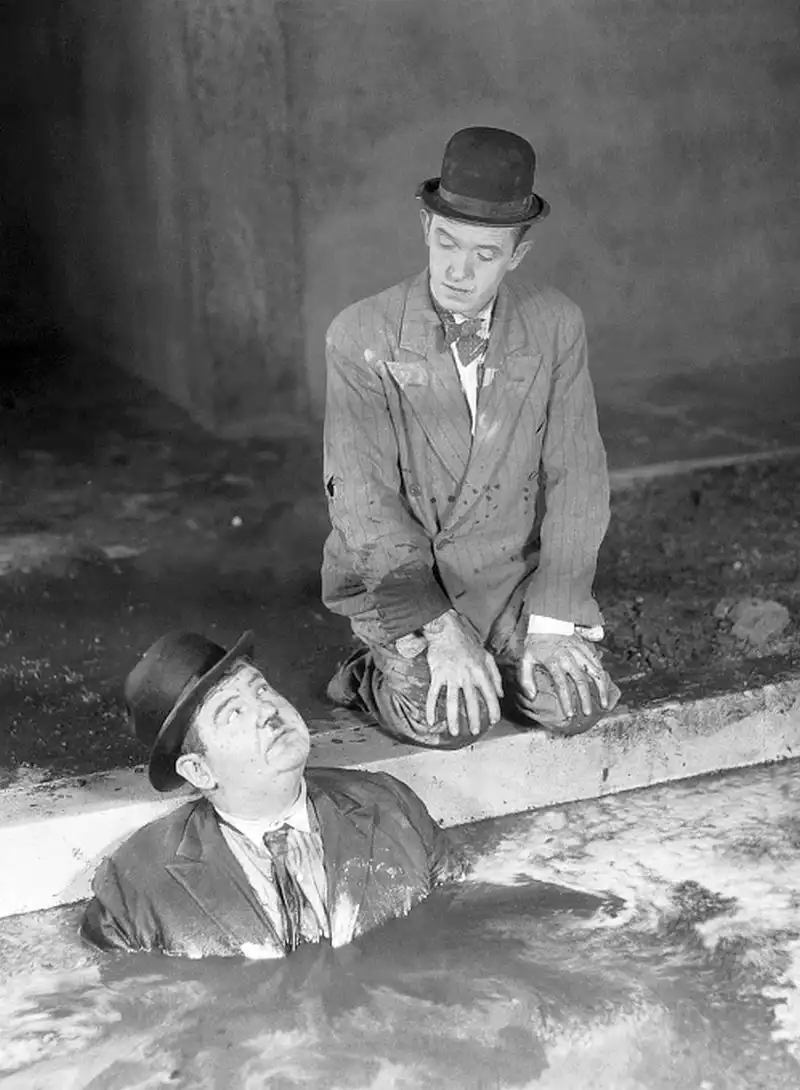
The film showcases their early, developing rhythm. There's a particular sequence where Ollie tries to instruct Stan on how to properly use a shovel to dig a grave. Ollie demonstrates with a flourish, only for Stan to mimic him clumsily, nearly hitting Ollie with the shovel, then struggling to even lift the dirt. It’s a classic setup-and-payoff, but what makes it work here is the way Hardy’s face cycles through irritation, resignation, and a flash of desperate hope that Stan might actually get it right, before inevitably collapsing into despair. This kind of non-verbal communication is the bedrock of their appeal.
Richard Carle, as Professor Padilla, delivers a performance perfectly pitched for the era’s silent film villains – broad, theatrical, and slightly unhinged. He’s less a character and more a plot device, serving primarily to set the duo’s misadventure in motion. His wild gestures and bulging eyes are standard fare, but they provide a necessary contrast to the more nuanced comedic performances of Laurel and Hardy.
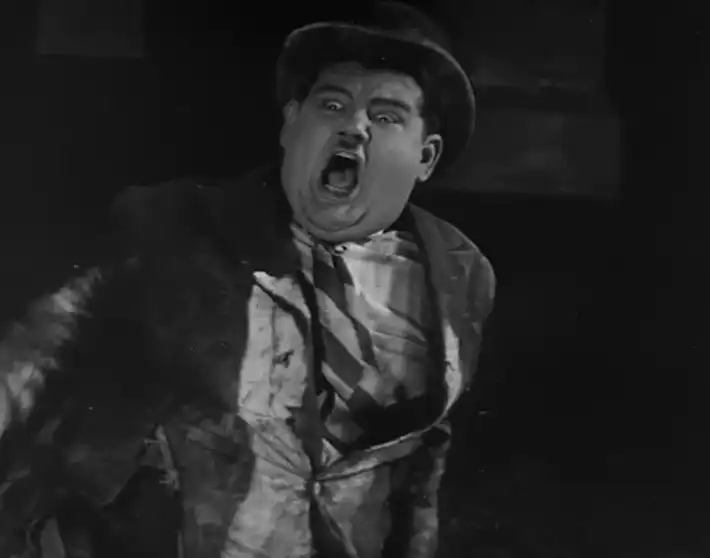
The film's pacing is typical of a silent two-reeler: it builds its gags methodically. The initial setup, introducing the professor and his ghastly requirements, takes its time. Once Stan and Ollie arrive at the cemetery, the action picks up, revolving around a series of escalating attempts to dig up bodies and avoid the night watchman. There are moments, particularly during the initial trudging through the graveyard, where the pace feels deliberately slow, allowing the eerie atmosphere to settle, though it occasionally verges on dragging.
The tone is a delightfully dark blend of horror-comedy. The premise itself – grave robbing for science – is inherently morbid, but the execution is pure slapstick. The graveyard setting, illuminated by stark moonlight and shadowy tombstones, creates an unsettling backdrop that makes the duo's bumbling antics even funnier. There’s a genuine attempt at creating suspense with the introduction of a fake ghost, designed to scare off the grave robbers. The sight of Stan and Ollie frantically trying to escape a sheet-clad figure, only for Stan to repeatedly trip over his own feet, underscores the film's successful marriage of fright and farce.
Visually, Habeas Corpus relies on classic silent film techniques to establish its setting and mood. The graveyard set, while clearly a studio construction, is effective enough. The use of low-key lighting and deep shadows across the tombstones creates a suitably spooky ambiance. The camera work is largely static, focusing on framing the physical comedy, allowing the actors’ movements and expressions to carry the humor.
One of the most memorable visual gags involves the aforementioned ghost. The professor and his butler dress up in white sheets, intending to scare Stan and Ollie away. However, in one particularly clumsy moment, the 'ghost' played by the butler (Harry Wilde) gets his sheet caught on a particularly sharp-edged tombstone, momentarily snagging and revealing a flash of his dark trousers and shoes underneath before he yanks free. It's a small, almost accidental detail that punctures the illusion and adds an extra layer of comedic ineptitude to the whole affair, a subtle nod to the cheapness of the scare tactic.
Another recurring visual gag involves Stan’s hat. It constantly falls off, gets knocked off, or is otherwise dislodged during moments of panic or physical exertion. While simple, it’s effective in highlighting Stan’s perpetual state of disarray and adds to the visual rhythm of their struggles.
Habeas Corpus isn't Laurel and Hardy's most polished work, nor is it their funniest, but it’s an incredibly important and entertaining early entry. It’s a testament to the enduring power of their comedic partnership that even in these formative years, their distinct personalities and flawless timing shine through. If you appreciate the art of silent comedy, or simply want to trace the origins of one of cinema’s most beloved duos, this film is well worth seeking out. It’s a short, silly, and surprisingly atmospheric romp that proves even grave robbing can be hilarious when Stan and Ollie are involved. Don't expect a masterpiece, but do expect some genuine laughs and a fascinating glimpse into a bygone era of comedy.
IMDb —
1935
Community
Log in to comment.