DbcultAccessing Vault...
Cult Review
Senior Film Conservator
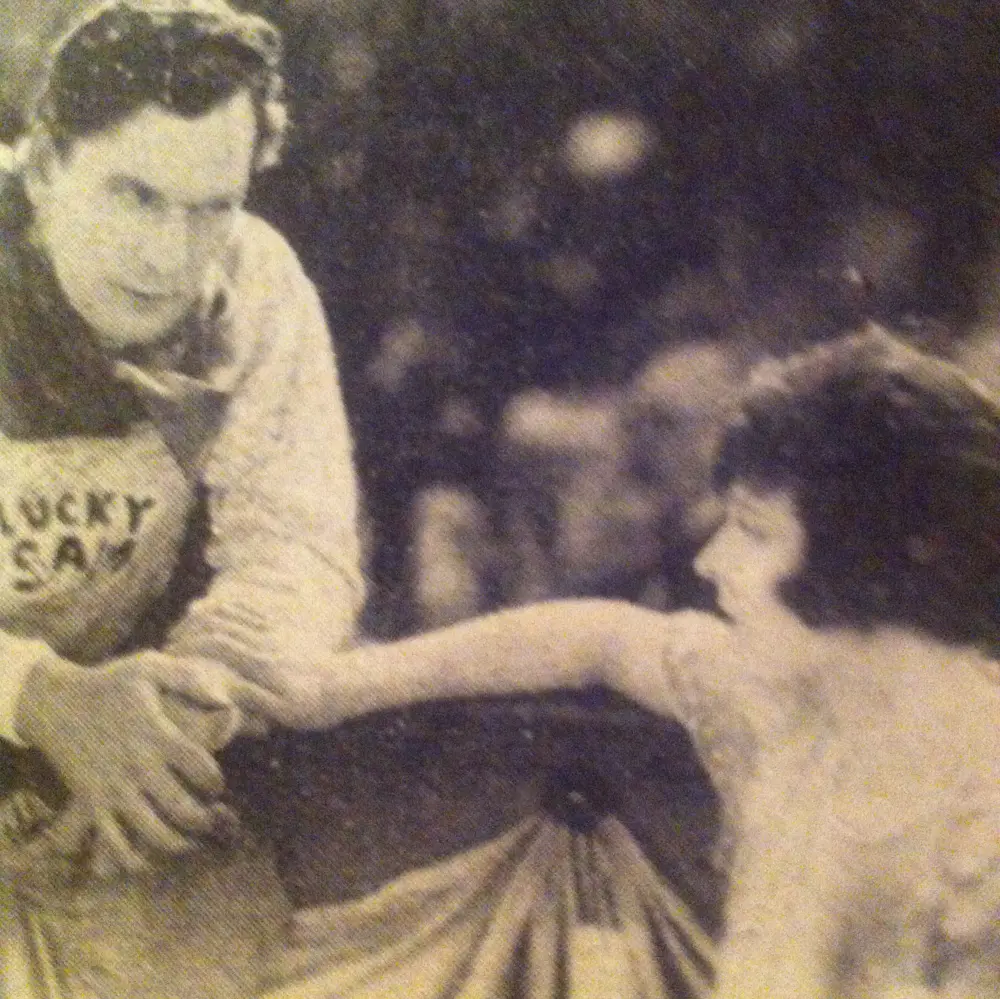
Short answer: yes, but with significant caveats. Is 'We're All Gamblers' worth watching today? Absolutely, if you approach it as a historical artifact with a surprisingly resonant core. This film is a compelling, if occasionally heavy-handed, look at human nature and the allure of chance, delivering a potent moral message that remains surprisingly sharp despite its age.
This is a film explicitly for cinephiles interested in the evolution of storytelling, silent film enthusiasts, and those who appreciate a good character study wrapped in a cautionary tale. However, it is decidedly NOT for viewers seeking fast-paced action, subtle character development by modern standards, or a purely escapist experience. If you prefer your narratives to move at the speed of a contemporary blockbuster, you’ll find its deliberate pacing a challenge.
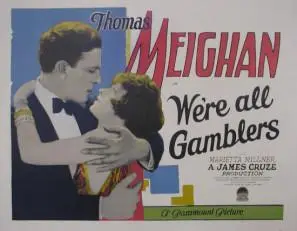
'We're All Gamblers,' a title that carries an almost philosophical weight, steps onto the cinematic stage with a bold declaration of intent. Released in an era grappling with rapid social change and the intoxicating promise of prosperity, this film from writers John W. Conway and Hope Loring, under the direction that allowed its impressive cast to shine, delves deep into the human propensity for risk. It’s a narrative that, at its heart, explores the fine line between calculated chance and reckless abandon, a theme as pertinent in the roaring twenties as it is in our own unpredictable times.
The film doesn't merely present a story; it constructs an argument. It posits that gambling isn't confined to the smoky backrooms or the clatter of dice, but is an inherent part of the human condition, permeating our decisions, our aspirations, and even our relationships. This isn't just a tale of a man drawn into the vice of cards; it's a broader commentary on the bets we all place, consciously or unconsciously, throughout our lives. It’s a surprisingly ambitious scope for a film of its time, attempting to universalize a specific moral quandary.
What truly elevates 'We're All Gamblers' beyond a mere cautionary melodrama is its commitment to character and the nuanced performances that bring its archetypes to life. The film’s strength lies in its ability to take familiar tropes – the innocent drawn into vice, the manipulative villain, the virtuous love interest – and imbue them with enough emotional honesty to resonate. It’s not always subtle, but it is often effective, particularly when focusing on the internal struggles of its protagonist.
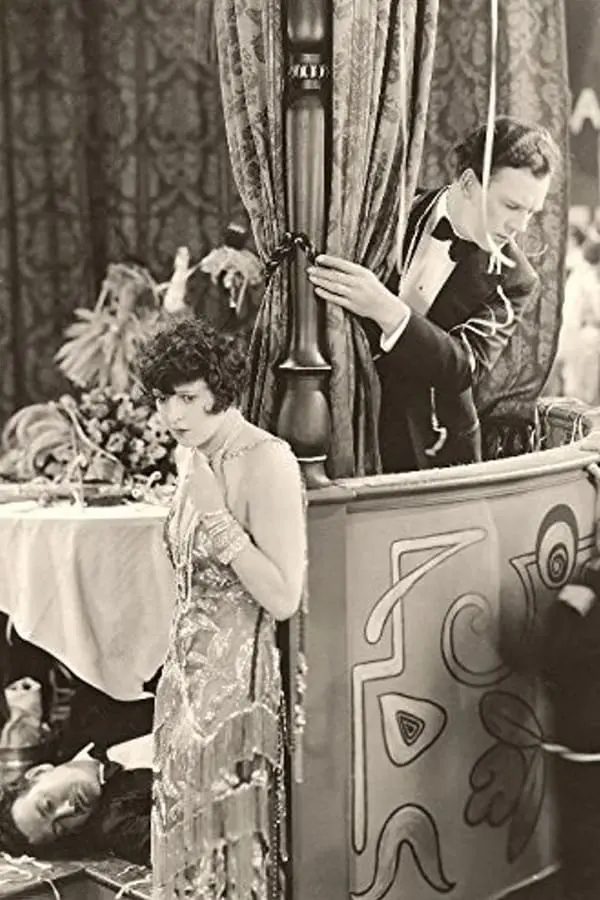
The visual language, though constrained by the technological limitations of its time, speaks volumes. Through evocative lighting, carefully composed frames, and the highly expressive acting style characteristic of the silent era, the film manages to convey complex emotions and moral dilemmas without uttering a single word. This reliance on visual storytelling is both a charm and, for modern audiences, occasionally a hurdle, demanding a different kind of engagement.
This film works because: It leverages powerful, universally understood moral themes and delivers them through exceptionally expressive silent film acting, particularly from Cullen Landis and Thomas Meighan, creating a tangible sense of a protagonist's moral struggle.
This film fails because: Its pacing can feel excruciatingly slow by contemporary standards, and its moralizing, while clear, often lacks the sophisticated ambiguity that modern audiences expect, leading to predictable plot beats.
You should watch it if: You have an appreciation for silent film history, enjoy character-driven melodramas with clear moral arcs, and are willing to invest in a story that unfolds deliberately to explore human temptation and consequence.
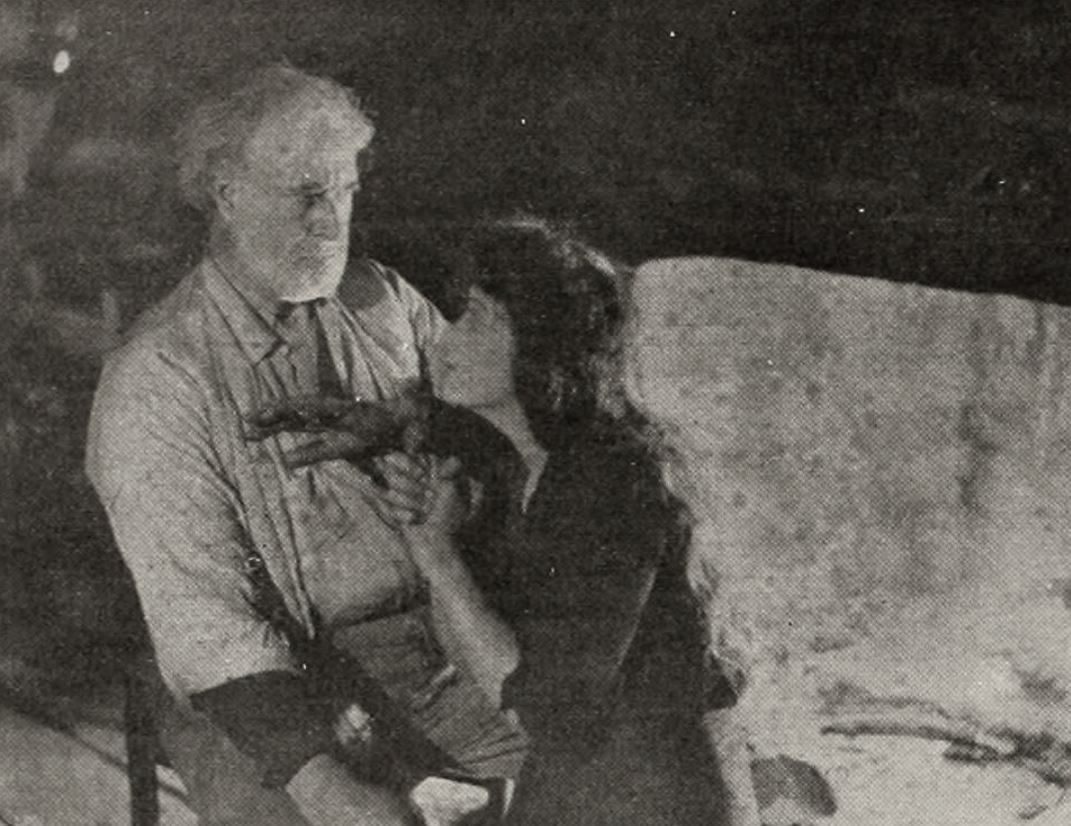
The acting in 'We're All Gamblers' is, predictably, a masterclass in silent film performance. Cullen Landis, as our earnest protagonist, Jimmy, carries the film's emotional weight with remarkable clarity. His early scenes portray a wide-eyed innocence, almost a naivete, that makes his gradual descent into the clutches of gambling all the more tragic. One particular moment, where his eyes, initially sparkling with hope after a small win, slowly cloud with desperation and a flicker of greed, is genuinely impactful. It’s a subtle shift, yet profoundly communicated through his facial expressions and restrained body language.
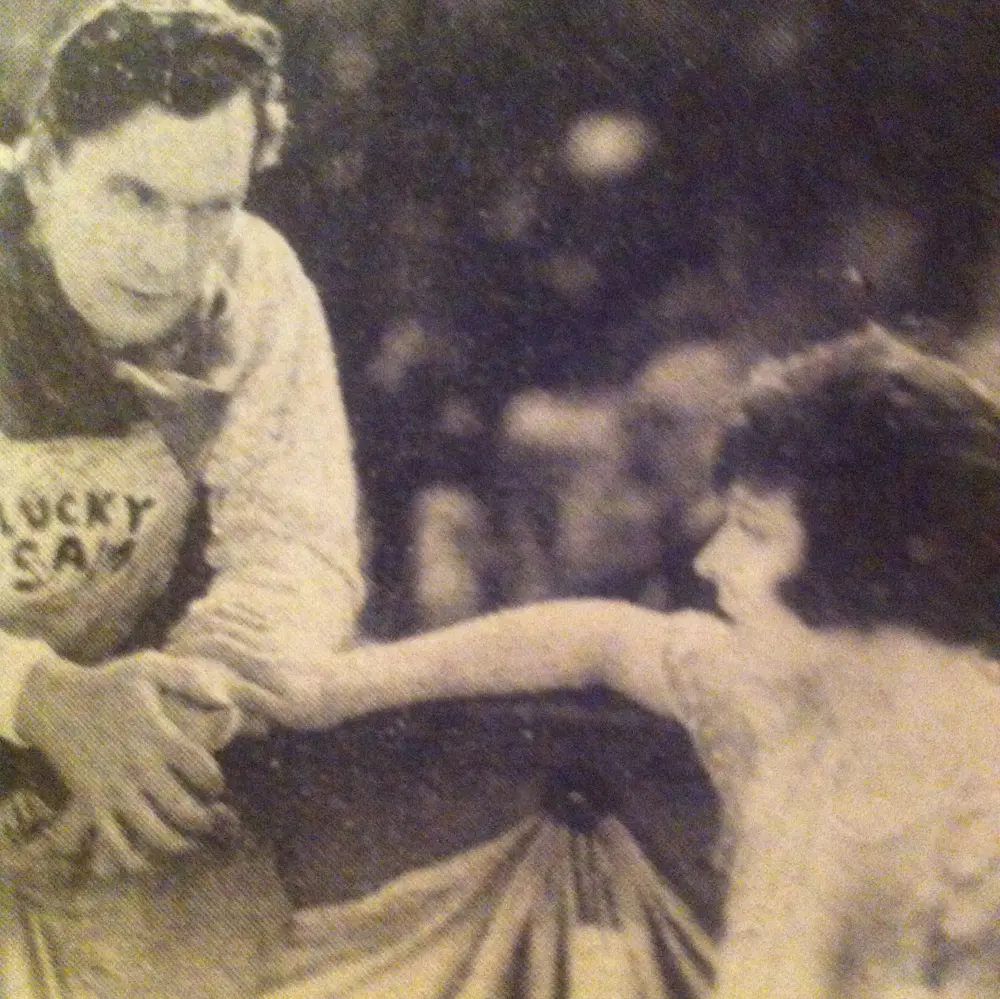
Conversely, Thomas Meighan, playing the more seasoned, morally ambiguous figure who introduces Jimmy to the world of cards, is a magnetic presence. Meighan doesn't play a mustache-twirling villain in the traditional sense; instead, he crafts a character whose charm is as dangerous as his intentions. His smirk, the way he casually shuffles a deck of cards, or the almost imperceptible tilt of his head as he observes Jimmy's growing addiction, speaks volumes. He personifies the seductive danger of the gambling den, a stark contrast to Landis's youthful vulnerability.
Gertrude Claire, as Jimmy’s ailing mother, provides the film’s moral anchor. Her performance is less about grand gestures and more about quiet suffering and unwavering love. A scene where she weakly reaches out to touch Jimmy’s hand, her eyes conveying both pride and burgeoning concern, is a masterclass in understated pathos. It’s through her silent pleas and worried glances that the audience truly understands the stakes for Jimmy, making his choices feel all the more impactful.
The supporting cast, including Marietta Millner as the virtuous love interest and Philo McCullough in another role of ambiguous morality, contributes effectively to the film’s tapestry. Millner, though given less to do than the male leads, embodies the purity and domesticity that Jimmy risks losing. Her expressions of concern and disapproval, though sometimes bordering on the melodramatic, serve their purpose in highlighting Jimmy's moral crossroads.
The collective performances demonstrate a deep understanding of how to convey complex emotional narratives without dialogue. Every gesture, every glance, every posture is meticulously crafted to tell the story. This is a crucial element often overlooked in modern cinema, where dialogue often does the heavy lifting. Here, the actors are the storytellers, and they excel.
The direction in 'We're All Gamblers,' while adhering to the conventions of its time, showcases a deliberate approach to pacing and tone. The film opens with a relatively slow, almost pastoral rhythm, establishing Jimmy’s humble beginnings and the idyllic life he leads. This deliberate pacing serves to amplify the jarring shift when he enters the frenetic, smoke-filled world of the gambling hall. The contrast is stark, effectively using the rhythm of the film itself to underscore the moral divide.
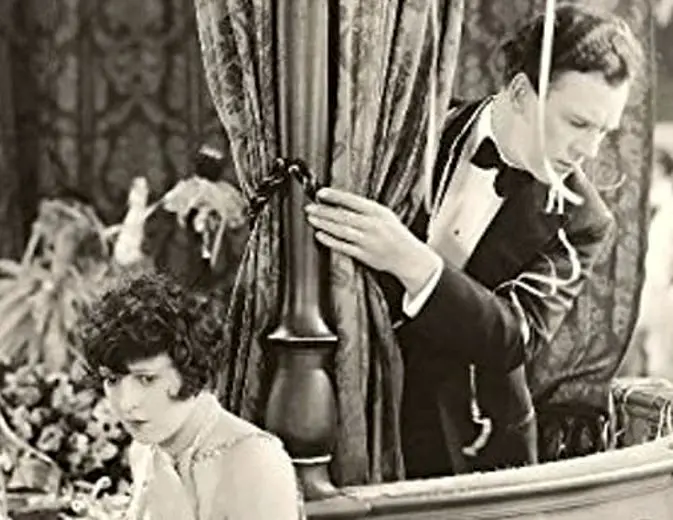
Cinematography, though black and white, is not merely functional; it’s expressive. The use of high-contrast lighting in the gambling scenes creates a noir-like atmosphere, casting long shadows that mirror the moral murkiness of the environment. The close-ups on the actors' faces during crucial moments, particularly during card games, are particularly effective. They draw the audience into the internal struggle, allowing us to read every flicker of doubt, every surge of hope, every pang of regret.
There's a scene where Jimmy, having lost a significant sum, walks through the bustling city streets, and the camera lingers on his dejected figure amidst the indifferent crowd. This shot, simple yet powerful, conveys his isolation and the crushing weight of his decisions more effectively than any intertitle could. It’s a testament to the visual storytelling prowess of the era, understanding that sometimes, a single frame can encapsulate an entire emotional arc.
The editing, especially during the climactic gambling sequences, becomes noticeably more rapid, creating a sense of escalating tension and breathless excitement. This shift in pace, from measured drama to quick-fire cuts, is a remarkably modern technique for its time, demonstrating an early understanding of how editing can manipulate audience emotion and heighten dramatic stakes. It works. But it’s flawed.
However, the film sometimes falls into the trap of over-reliance on intertitles to explain rather than show. While necessary for exposition in silent film, there are moments where a more nuanced visual approach could have conveyed the information with greater subtlety. This occasional heavy-handedness is a minor detraction, but it does highlight the evolving language of cinema.
'We're All Gamblers' is less a title and more a thesis statement. The film argues, quite convincingly, that life itself is a series of gambles. Every decision, from choosing a career to falling in love, carries an inherent risk. The film extends this metaphor beyond the card table, suggesting that even those who abstain from conventional gambling are still betting on outcomes, hoping for good fortune, and fearing ruin.
The most compelling theme is the seductive nature of quick wealth versus the slow, steady path of honest work. Jimmy’s journey is a classic struggle between immediate gratification and enduring values. The film doesn't shy away from showing the initial thrill of winning, the false sense of power and control it brings. This makes his eventual downfall, or at least his reckoning, all the more impactful because the audience has seen the temptation firsthand.
A surprising observation is how the film subtly critiques not just the act of gambling, but the societal pressures that often push individuals towards it. While not explicitly stated, the underlying desperation that drives Jimmy is a quiet commentary on economic hardship and the illusion of social mobility through chance. It’s a darker undercurrent than the overt moralizing suggests, hinting at a broader social critique that feels surprisingly contemporary.
The film’s moral message, while direct, avoids becoming preachy through the sheer force of its dramatic conviction. It presents the consequences of Jimmy’s actions with stark clarity, allowing the audience to draw their own conclusions about the true cost of chasing an illusory dream. This is where the film truly shines: it trusts its audience, to a degree, to understand the gravity of the situation without needing constant narration.
Yes, 'We're All Gamblers' absolutely warrants a viewing today, especially for those intrigued by the foundations of cinematic storytelling. It serves as an excellent window into the narrative structures and performance styles that captivated audiences a century ago. While its pacing and overt moralizing might test the patience of some modern viewers, its core themes of temptation, consequence, and the universal nature of risk remain profoundly relevant. It's a foundational piece that illustrates how early cinema tackled complex human dilemmas. It's not just a historical curiosity; it's a testament to enduring narrative power.
'We're All Gamblers' is more than just a relic; it's a remarkably robust piece of early cinema that, despite its age, continues to deliver a potent message. It may lack the sophisticated narrative twists of a Dark Secrets or the sheer spectacle of a later epic, but its strength lies in its unvarnished honesty and the raw power of its performances. Cullen Landis and Thomas Meighan are particularly compelling, their silent dialogue speaking volumes.
While its pacing might feel like a slow burn to those accustomed to the rapid-fire editing of today, and its moralizing can be rather blunt, these are hallmarks of its era, not necessarily fatal flaws. It demands a different kind of engagement, a willingness to immerse oneself in a style of storytelling that relies on gesture, expression, and carefully composed frames rather than spoken words.
This film is a valuable historical document and a surprisingly engaging drama. It reminds us that the human struggles with temptation, consequence, and the allure of chance are timeless. It might not be a flawless hand, but it’s certainly a winning bet for anyone seeking a deeper understanding of cinematic history and the enduring power of a well-told moral tale.
It's a strong recommendation for anyone with an open mind and a love for classic film. Go in with patience, and you'll find a rewarding experience, a testament to the fact that some stories, like some bets, truly stand the test of time.
IMDb —
1932
Community
Log in to comment.