DbcultAccessing Vault...
6.1/10
Senior Film Conservator
A definitive 6.1/10 rating for a film that redefined the boundaries of cult cinema. Half a Bride remains a cornerstone of transgressive art.
For most casual viewers, 1928's Half a Bride is not an essential watch today. Its silent-era conventions, while historically interesting, can feel ponderous to modern sensibilities. However, for dedicated classic film enthusiasts, particularly those fascinated by the early careers of stars like Gary Cooper and the social curiosities of the late 1920s, it offers a surprisingly engaging, if somewhat melodramatic, adventure. If you're looking for a fast-paced, character-driven story with contemporary realism, you'll likely find its charms elusive. But if you appreciate the visual storytelling and expressive performances of the silent era, and are curious about a film that grapples with then-modern ideas of marriage amidst thrilling escapism, it holds a certain appeal.
The film opens by introducing us to Patience Winslow (Esther Ralston), a young woman whose sense of independence is immediately established. Her initial fascination with a radio broadcast discussing "companionate marriage" feels genuinely progressive for its time, hinting at a desire for partnership beyond rigid societal expectations. Ralston plays Patience with a restless energy, her large, expressive eyes conveying both curiosity and a nascent defiance. There's a particular scene early on where she's caught mimicking the radio announcer's dramatic gestures, a small moment that effectively signals her adventurous spirit without needing an intertitle to spell it out.
This progressive setup quickly gives way to classic melodrama. Patience's father, played by William Worthington, is the archetypal disapproving patriarch, and his decision to kidnap his daughter and whisk her away on his yacht is both absurd and entirely in keeping with the dramatic logic of the era. The shift in setting from a relatively modern urban environment to the confines of a luxury vessel, then to a desolate island, forms the structural backbone of the film, constantly re-framing Patience's struggle for autonomy.
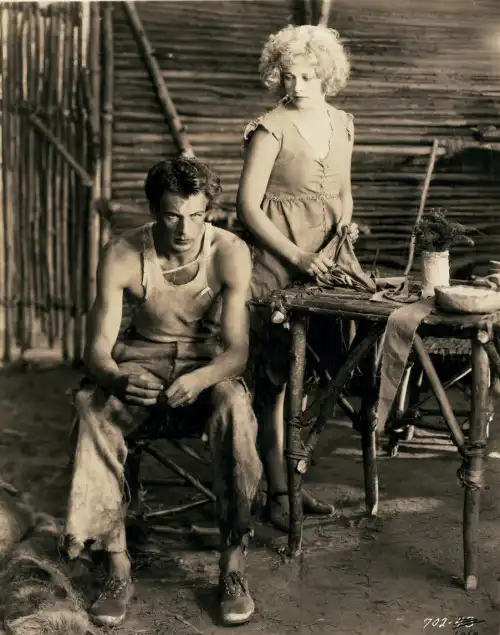
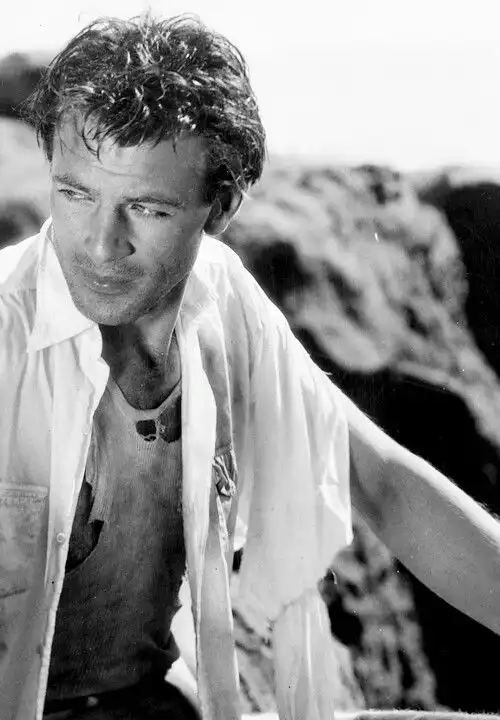
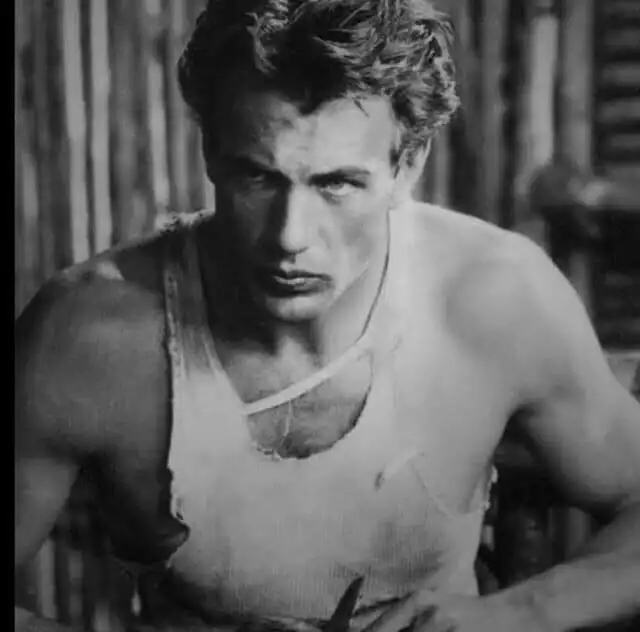
Gary Cooper, as Captain Edmunds, is already exhibiting the understated charisma that would define his later career, even in this relatively early role. He doesn't have a huge amount of screen time in the initial yacht sequences, but his presence is solid. He carries himself with a quiet authority, a stark contrast to the histrionics surrounding Patience and her father. When he dives into the tumultuous sea after Patience, there's a practical heroism to it, devoid of grandstanding. On the island, his performance settles into a grounded, resourceful demeanor. He's not the swashbuckling hero type, but rather a man of quiet competence. We see him, for instance, patiently teaching Patience how to fashion a rudimentary fishing spear, a small detail that speaks volumes about his character's pragmatism.
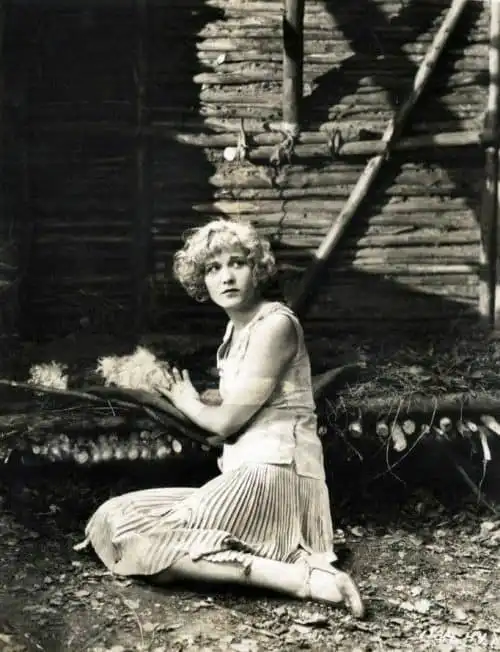
Ralston, for her part, maintains her energetic portrayal. She's not a passive damsel in distress; she actively tries to survive and contribute, even if her city upbringing makes her initially clumsy in the wilderness. Her frustration with her initial helplessness on the island, particularly when trying to light a fire, feels authentic, a tangible struggle against the elements that grounds the more fantastical aspects of their predicament.
The film's visual storytelling is most effective during the storm and subsequent island sequences. The storm itself, while clearly a product of studio effects and miniatures, is staged with a frantic energy. The rapid cuts between the tossing yacht, the crashing waves, and the actors struggling on deck effectively convey a sense of immediate danger. The lighting choices during this section are particularly strong, with stark shadows and flashes of light emphasizing the chaos.
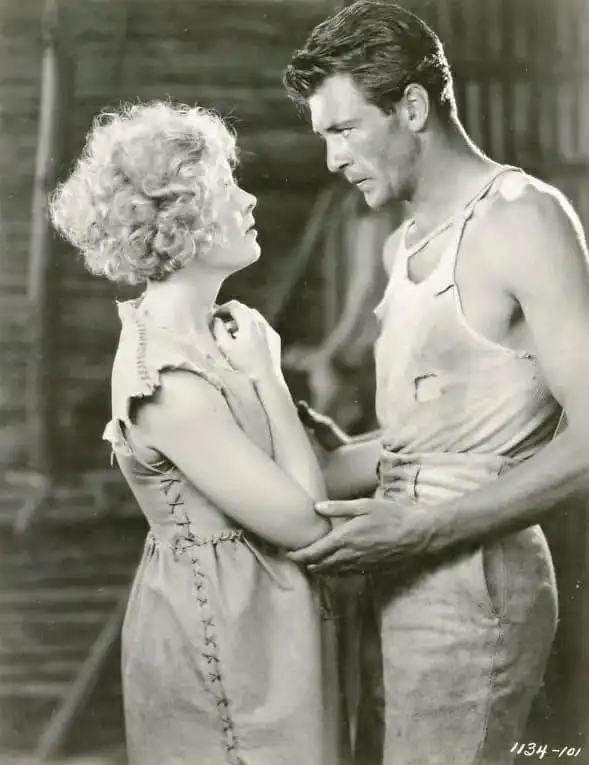
Once on the deserted island, the cinematography shifts to emphasize isolation. Wide shots of the barren coastline and the two figures dwarfed by the landscape underscore their predicament. The design of their makeshift shelter, a lean-to constructed from salvaged wreckage and palm fronds, looks convincingly crude and functional. It's in these moments that the film finds its most compelling visual language, relying on the environment to tell much of the story.
One small, yet telling, detail that only someone watching the film would likely pick up on is the way Captain Edmunds consistently uses the same distinct, almost ritualistic, gesture when scanning the horizon for rescue – a deliberate hand-over-brow shading his eyes, even when the sun isn't particularly bright. It’s a subtle tic that speaks to his professional instinct and the ingrained habit of a sailor, even in a hopeless situation.
The pacing of Half a Bride is uneven, a common trait in silent films that don't always translate perfectly to modern viewing habits. The initial setup on land, while necessary for context, does feel a bit drawn out, relying heavily on intertitles to convey exposition. The film truly picks up once Patience is on the yacht and the adventure begins. The storm sequence is a burst of frantic energy, but the subsequent island scenes settle into a more deliberate rhythm. While this slower pace allows for some character interaction and the exploration of their survival efforts, there are moments where the narrative could have benefited from tighter editing, particularly during the prolonged reaction shots as Patience grapples with her new reality.
The tonal shifts, from social drama to high-seas melodrama to island romance, are handled with varying degrees of smoothness. The transition to the island feels natural enough given the preceding storm, but the sudden re-introduction of the father later in the film, and the rapid resolution of their predicament, can feel somewhat abrupt, pulling the rug out from under the established isolation too quickly. It's a reminder of the need for expediency in silent-era storytelling, often prioritizing plot progression over nuanced emotional arcs.
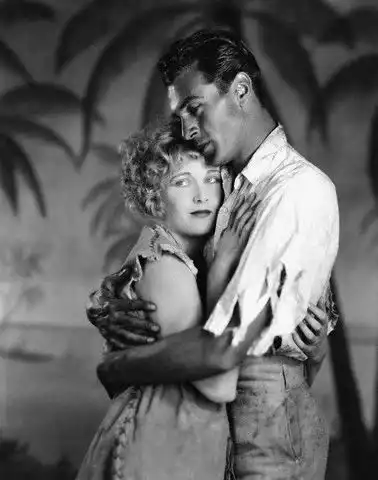
Half a Bride is a fascinating relic. It’s a film that attempts to blend a then-contemporary social issue (the changing landscape of marriage) with classic adventure tropes, all filtered through the dramatic lens of the silent era. While its narrative contrivances and occasional pacing issues might deter those unfamiliar with the conventions of 1920s cinema, it offers a valuable glimpse into the early screen presence of Gary Cooper and a spirited performance from Esther Ralston.
It's not a masterpiece, nor is it a forgotten gem that demands rediscovery by a mass audience. Instead, it serves as a competent piece of escapist entertainment that, for the right viewer, provides an interesting snapshot of a specific moment in film history. If you have an afternoon to spare and a genuine curiosity for the silent era, particularly its attempts at adventure and romance, Half a Bride is worth a look. Otherwise, there are stronger examples of the period, or of Cooper's work, to explore, such as The Satin Woman or The Cowboy and the Lady.
IMDb 7.3
1931
Community
Log in to comment.