DbcultAccessing Vault...
Cult Review
Senior Film Conservator
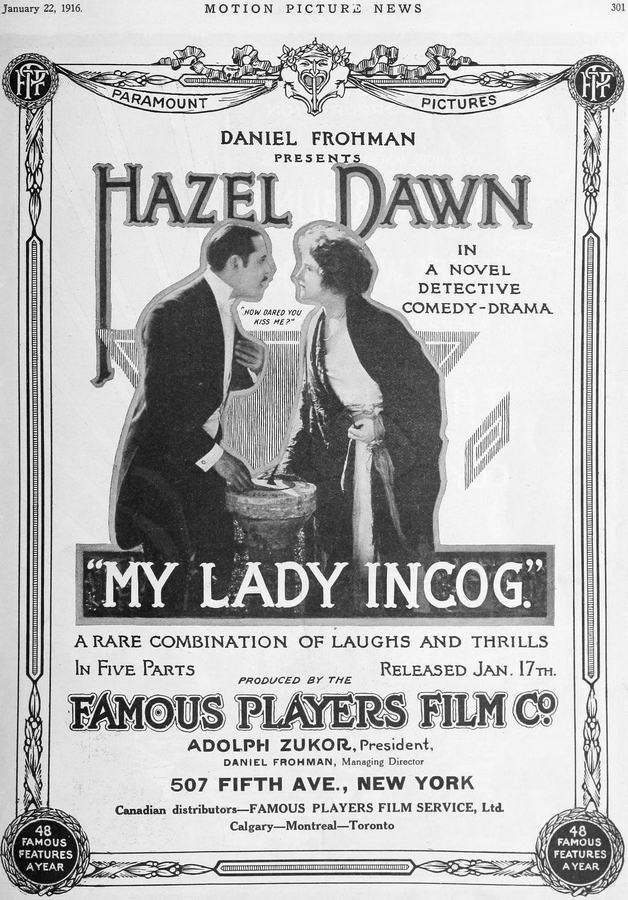
Stepping back into the nascent years of cinema, one encounters a fascinating tapestry of storytelling, often characterized by dramatic flair, visual ingenuity, and a burgeoning understanding of narrative pacing. My Lady Incog., a 1916 production, stands as a compelling artifact from this era, offering a vibrant glimpse into the burgeoning detective genre and the evolving role of the female protagonist on screen. It’s a film that, despite its silent origins and the passage of over a century, still manages to captivate with its intricate plot and the spirited performance of its lead, Hazel Dawn. This isn't merely a relic; it's a testament to the enduring appeal of a well-crafted mystery, a narrative that predates many of the tropes we now take for granted, yet lays their foundational stones with surprising skill.
At the heart of My Lady Incog. lies Nell Carroll, a character whose initial predicament immediately evokes sympathy and admiration. Faced with the precipitous decline of her family's financial standing, a fate all too common in narratives of the period, Nell refuses to succumb to despair or passive acceptance. Instead, she actively seeks a solution, finding herself drawn into the thrilling, yet perilous, world of a private detective agency. This isn't the languid desperation often portrayed in silent dramas; it’s a proactive, almost audacious decision that immediately sets her apart. Her assignment is no less grand in scope: to infiltrate an exclusive summer colony, a bastion of wealth and privilege, to unravel the enigma of a baffling jewelry robbery. This premise, a common thread in many a detective yarn, is given fresh impetus by Nell's chosen method of ingress: adopting the sophisticated, if entirely fabricated, identity of the Baroness Du Vassey. Such a transformation requires not only a mastery of disguise but also a profound understanding of social cues and the subtle art of deception. It's a testament to the film's early exploration of identity and performance, a theme that would resonate through countless cinematic works, from the noir femme fatale to the modern spy thriller. The stakes are palpable, the tension inherent in every carefully measured step Nell takes into this alien, opulent world.
The narrative of My Lady Incog. masterfully builds a compelling framework of suspicion, initially directing the audience's gaze, along with Nell's, towards Teddy De Veaux. Teddy, the son of the very woman who extends the initial invitation to the supposed Baroness, becomes the convenient, perhaps even obvious, target. Every piece of evidence, every fleeting glance or suspicious action, seems to coalesce around him, painting a convincing portrait of guilt. This early misdirection is a classic trope in detective fiction, designed to lull both the protagonist and the viewer into a false sense of certainty, only to dramatically pull the rug out from under them. It's a narrative device that keeps the audience engaged, constantly questioning, constantly theorizing. One might compare this initial phase to the methodical, clue-gathering process seen in early Sherlock Holmes adaptations, like The Hound of the Baskervilles, where meticulous observation often leads to initial, yet ultimately incorrect, conclusions. The film, under the penmanship of William H. Clifford, understands the power of the red herring, using it not as a cheap trick, but as a deliberate narrative tool to deepen the mystery.
However, the plot, much like a finely tuned clockwork mechanism, takes an unexpected, jarring turn. The carefully constructed illusion of Nell's Baroness persona is shattered by the audacious appearance of another man, one who confidently asserts himself as the *real* Baron Du Vassey. This is not merely an inconvenience; it's a dramatic escalation, a direct threat to Nell's mission and, indeed, her very safety. The implication is chilling: the leader of the criminal enterprise has not only seen through her disguise but has weaponized her chosen identity against her. This development injects a potent dose of psychological suspense into the narrative. Nell is thrust into a profound state of disquiet, grappling with the gnawing uncertainty of whether she faces a cunning impostor, a master of deception himself, or has inadvertently stumbled upon the name of a genuine nobleman, thus compromising an innocent party. This moment of existential doubt, where the line between assumed identity and genuine self blurs, elevates the film beyond a simple whodunit. It delves into the precariousness of truth and the inherent risks of living a lie, even in the pursuit of justice. The film manages to convey this inner turmoil without a single spoken word, relying on Hazel Dawn's expressive performance and the dramatic visual staging to communicate the character's profound consternation. It's a powerful example of silent cinema's ability to convey complex emotional states through visual storytelling.
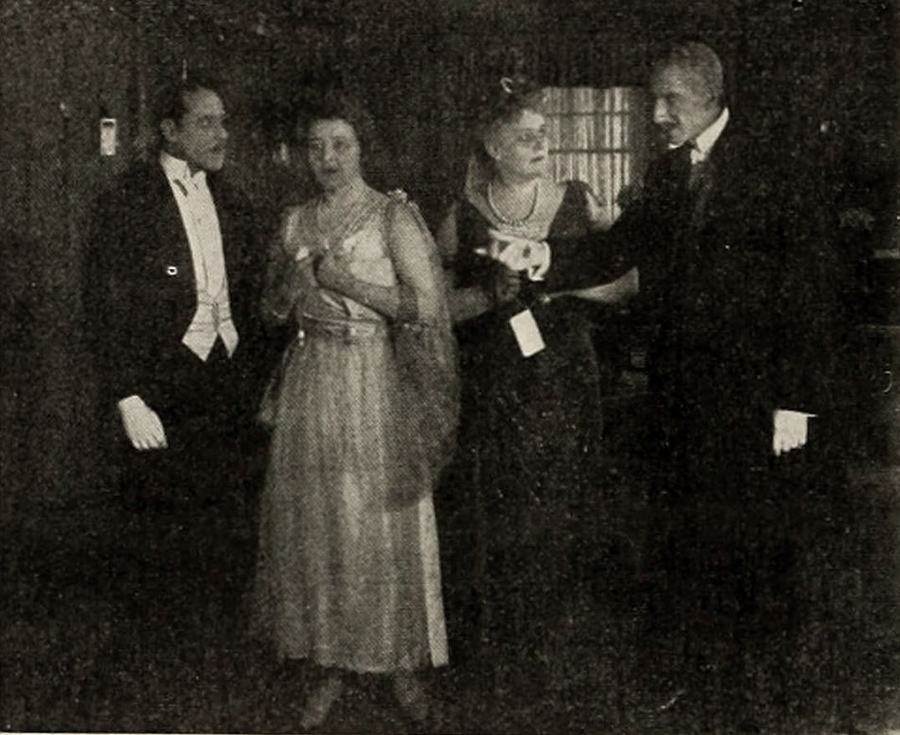
Hazel Dawn, in the dual role of Nell Carroll and her aristocratic alter ego, Baroness Du Vassey, delivers a performance that is both nuanced and compelling. In an era where cinematic acting was often characterized by broad gestures and exaggerated expressions, Dawn manages to infuse her character with a commendable degree of subtlety, particularly in moments of internal conflict and strategic thought. Her portrayal of Nell's intelligence and resourcefulness is palpable, making her a protagonist easy to root for. She navigates the treacherous social landscape of the summer colony with a believable blend of grace and underlying tension, constantly aware of the fragility of her disguise. This kind of strong, independent female lead was not entirely uncommon, but always notable in the early 20th century. One can draw parallels to other formidable women on screen, such as those found in Zudora or even the more overtly dramatic turns in films like Madame de Thebes, where female agency, even within societal constraints, takes center stage. Dawn’s ability to convey both Nell’s vulnerability and her steely resolve without dialogue is a testament to her skill and the expressive power of silent film acting. Her eyes, her posture, her every deliberate movement speaks volumes, communicating the precarious balance she must maintain between her true self and the elaborate facade she has constructed.
The culmination of My Lady Incog. is a masterclass in escalating tension, moving beyond mere intellectual sparring to a visceral test of courage and survival. Nell's initial strategy, to rely on her wits and the vagaries of chance to expose the truth about the 'Baron,' proves insufficient against the formidable cunning of the actual criminal mastermind and his unexpected accomplice, the seemingly innocuous butler. This alliance adds another layer of insidious treachery to the plot, highlighting how trust can be fatally misplaced within the confines of a grand estate. The film morphs from a sophisticated game of cat and mouse into a desperate struggle for survival, particularly when the thieves, cornered and exposed in their nefarious act, turn their predatory focus upon the innocent Teddy De Veaux. This shift in focus, from the intellectual pursuit of justice to the physical protection of the vulnerable, injects a sudden, thrilling urgency into the final scenes. It becomes a question not just of solving the crime, but of preventing further harm, demanding a steady hand and a quick trigger finger from Nell and her allies. The final confrontation is a powerful spectacle, a chaotic dance between good and evil that, even in its silent depiction, conveys a palpable sense of danger and heroism. The action sequences, while perhaps less elaborate than those found in later cinematic eras, are effective in their portrayal of urgency and peril, a stark contrast to the often slapstick physicality of contemporary works like the Keystone Comedies.
While Hazel Dawn commands the screen, the supporting cast contributes significantly to the film's overall effectiveness. Actors like Frank Wunderlee, Robert Cain, Franklyn Hanna, George Majeroni, and Dora Mills Adams, though perhaps less known to modern audiences, fill their roles with the necessary gravitas and dramatic presence demanded by silent film. Their performances, often relying on expressive physicality and clear pantomime, help to flesh out the world Nell inhabits, providing a credible backdrop for her daring escapades. The direction, though uncredited in many historical records, demonstrates a keen understanding of how to build suspense through visual composition and editing. The use of intertitles, crucial to silent storytelling, is handled with precision, providing just enough information to advance the plot without bogging down the visual flow. The cinematography, while constrained by the technology of the era, effectively captures the opulent settings and the dramatic confrontations, utilizing light and shadow to enhance the mood. One can appreciate the nascent artistry in these early films, recognizing the foundational techniques that would evolve into the sophisticated visual language of later cinema. It’s a testament to the collective effort involved in crafting engaging narratives even with nascent tools, a spirit that echoes in other ambitious projects of the era like Life Without Soul, which pushed boundaries in its own way.
My Lady Incog., though often overshadowed by its more famous contemporaries, holds a significant place in the development of the detective genre in cinema. It showcases an early, yet sophisticated, approach to plot construction, character development, and the utilization of suspense. William H. Clifford's script, rich with twists and turns, demonstrates a clear understanding of what makes a compelling mystery, a quality that ensured the enduring popularity of such narratives. The film’s exploration of identity, deception, and the pursuit of justice resonates even today, proving that fundamental human dilemmas transcend the limitations of silent film. It’s a reminder that the essence of good storytelling lies not in technological grandeur, but in compelling characters and a narrative that keeps the audience guessing. For enthusiasts of early cinema, it offers a valuable insight into the stylistic conventions and narrative ambitions of the period. It stands as a precursor to countless spy thrillers and detective dramas, a foundational text in the cinematic lexicon of intrigue. Comparing it to another film from the same year, like The Battle of the Sexes, one can appreciate the diverse range of themes being explored in film, from social commentary to pure genre entertainment. Moreover, its relatively intricate plot, featuring double identities and unexpected betrayals, sets it apart from simpler narratives and positions it as a sophisticated piece of early genre filmmaking. It foreshadows the complex narratives that would define the Golden Age of Hollywood and beyond. In its own quiet way, My Lady Incog. is a small but significant gem, a testament to the ingenuity and enduring appeal of early cinematic visionaries. It invites us to appreciate the foundational artistry that paved the way for the cinematic masterpieces we cherish today, reminding us that even in its infancy, film possessed a remarkable capacity to thrill, to mystify, and to entertain.
IMDb 6.3
1921
Community
Log in to comment.