DbcultAccessing Vault...
Cult Review
Senior Film Conservator
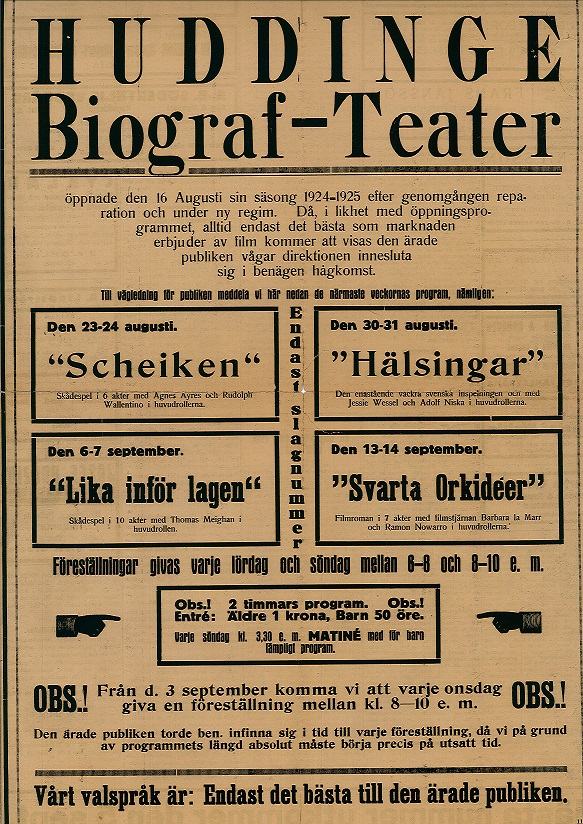
From the moment the opening frames of Hälsingar grace the screen, viewers are not merely transported to a historical period; they are plunged into a meticulously rendered, almost tactile, evocation of 1870s Sweden. Specifically, the film anchors itself within the rugged, yet undeniably beautiful, landscape of Hälsingland, a region whose very name conjures images of deep forests, ancient traditions, and a people intimately connected to the earth. This is not a grand historical epic filled with sweeping battles or political intrigue, but rather an intensely personal, almost claustrophobic, study of familial bonds and the profound weight of inherited legacy. The narrative centers on the brothers Olov and Jonas, portrayed with a compelling, understated gravitas by Lars Törngren and Theodor Berthels, respectively, as they navigate the complexities of joint ownership over Övergården, their ancestral home. This isn't just a house or a farm; it is a repository of their past, a crucible for their present, and the uncertain foundation of their future.
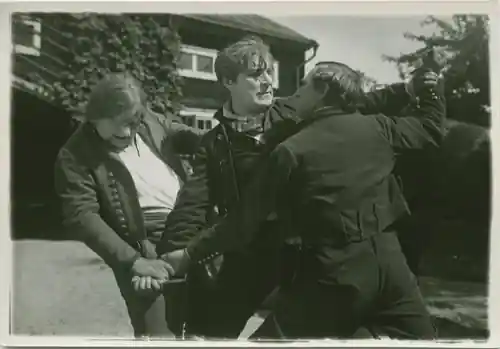
The screenplay, penned by Henning Ohlson and Theodor Berthels, exhibits an extraordinary sensitivity to the minutiae of rural life, eschewing overt melodrama for a more nuanced exploration of character and circumstance. The conflict isn't externalized through a clear antagonist, but rather arises from the inherent tension between two distinct personalities, both deeply devoted to Övergården, yet holding differing visions for its prosperity and preservation. Olov, perhaps the elder or the more traditional, embodies the stoic, unyielding spirit of generations past, seeing the land as a sacred trust, something to be maintained exactly as it always has been. Jonas, on the other hand, while equally rooted, hints at a nascent modernity, a flicker of ambition that suggests adaptation might be necessary for survival in an increasingly changing world. Their silent struggles, the unspoken resentments that simmer beneath the surface of their shared existence, are masterfully conveyed through subtle glances, long silences, and the very posture of their bodies against the backdrop of their shared toil. It’s a testament to the film’s observational power that these internal turmoils feel as monumental as any external threat.
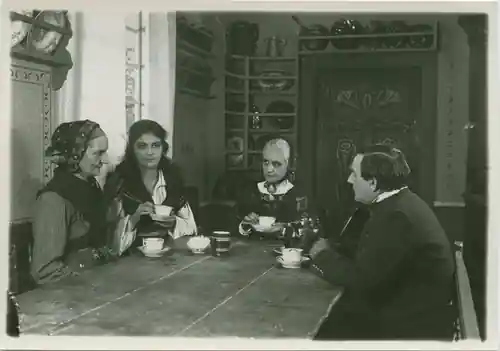
The supporting cast, while given fewer lines, contribute immensely to the film's rich tapestry. Jenny Tschernichin-Larsson, likely portraying a matriarchal figure or a wise elder, brings a quiet dignity and a sense of deep-seated wisdom to her role, her presence often serving as a moral compass or a silent observer of the brothers' evolving relationship. Gunhild Robertson and Frida Sporrong, perhaps as wives, sisters, or village women, illuminate the domestic sphere, showcasing the vital, often unsung, labor of women in maintaining the household and the emotional fabric of the family. Their performances, even in their brevity, are imbued with a realism that speaks volumes about the hardships and small joys of their daily lives. The film understands that the strength of a community, and indeed a family, is built upon the collective efforts and sacrifices of all its members, not just its ostensible leaders.
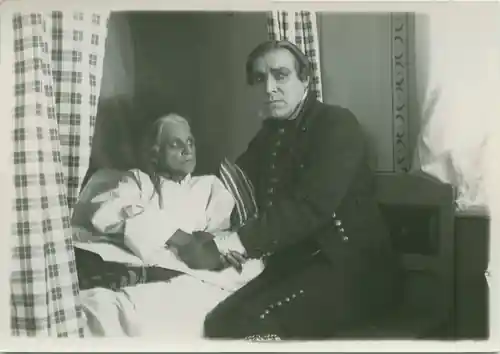
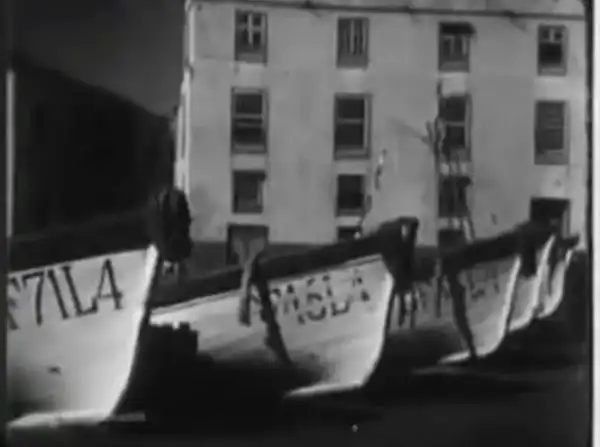
One of the most striking aspects of Hälsingar is its profound sense of place. The cinematography, though characteristic of its era, possesses a timeless quality, capturing the raw beauty and formidable challenges of the Hälsingland landscape. We see the snow-laden fields, the dense, whispering forests, and the stark, yet welcoming, interiors of Övergården with an almost documentary-like precision. The film uses natural light to great effect, bathing scenes in the soft glow of dawn or the harsh shadows of a winter afternoon, thereby reinforcing the characters' intimate connection to their environment. The changing seasons are not merely a backdrop but an active participant in the narrative, mirroring the cycles of growth, decay, and rebirth within the family itself. This visual storytelling elevates the film beyond a simple domestic drama, imbuing it with an almost mythical resonance, a sense of humanity's eternal struggle against, and harmony with, nature.
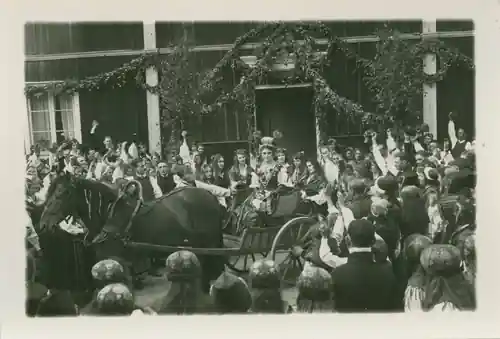
The thematic depth of Hälsingar is considerable. At its core, it is a meditation on the concept of heritage – not just in terms of physical property, but the intangible legacy of tradition, expectation, and identity. The brothers' struggle over Övergården becomes a microcosm for broader societal shifts occurring in 1870s Sweden. This was a period marked by significant emigration, the burgeoning of industrialization, and the slow erosion of traditional agrarian lifestyles. While the film doesn't explicitly delve into these larger historical movements, their unseen currents ripple through the characters' decisions and anxieties. The choice to modernize, to expand, or to stubbornly adhere to old ways is not just a personal one for Olov and Jonas; it reflects a national dilemma. In this respect, the film shares a spiritual kinship with other period dramas that explore the tension between tradition and progress, albeit with a uniquely Swedish lens.
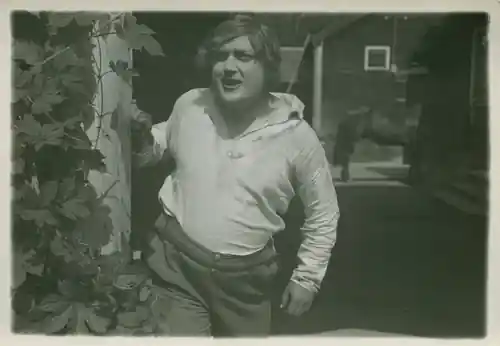
The pacing of Hälsingar is deliberate, unhurried, allowing the audience to fully immerse themselves in the rhythms of rural life. There are no sudden, jarring plot twists; instead, the narrative unfolds organically, much like the changing of the seasons. This measured approach allows for a deeper appreciation of the subtle shifts in character relationships and the gradual accumulation of emotional weight. The film trusts its audience to read between the lines, to discern the unspoken thoughts and feelings that drive the characters' actions. This is a quality often found in early European cinema, where visual storytelling and character study took precedence over rapid-fire plot development. It's a film that demands patience, but richly rewards it with a profound sense of authenticity and emotional resonance. The performances, particularly from Törngren and Berthels, are central to this, conveying a lifetime of shared history and simmering emotion with remarkable subtlety.
The ensemble cast, including names like Georg Grönroos, Robert Jonsson, and
The film's exploration of family dynamics is particularly potent. The bond between Olov and Jonas is not sentimentalized; it is depicted with all its inherent complexities – the love, the rivalry, the unspoken expectations, and the shared burdens. This authenticity makes their eventual journey, whatever its resolution, deeply impactful. It reminds us that family, particularly when tied to a shared inheritance or legacy, can be both a source of immense strength and profound conflict. The subtle shifts in their relationship, influenced by the women in their lives and the changing fortunes of Övergården, are observed with an almost anthropological precision. This isn't a story of good versus evil, but of differing perspectives, of the inherent difficulties in finding common ground when personal convictions clash with collective responsibility. The performances of William Larsson, Erik Lundegård, and Thure Alfe, even in smaller roles, contribute to the rich tapestry of community and the broader familial network surrounding the central brothers. They represent the diverse voices and perspectives that would undoubtedly influence decisions and outcomes in such a close-knit, rural setting.
In an era where many films sought grander narratives, Hälsingar bravely delves into the quiet heroism of everyday life. It celebrates the dignity of labor, the resilience of the human spirit in the face of natural adversities, and the enduring power of family, however flawed. While it may lack the overt spectacle of a film like Glory, which chronicles a momentous historical conflict, Hälsingar offers its own form of historical illumination, shedding light on the often-overlooked domestic struggles and societal transformations that shape nations as profoundly as any battlefield. It reminds us that history is not just made by kings and generals, but by the countless individuals who, like Olov and Jonas, simply strive to maintain their patch of earth and preserve their way of life.
The film's enduring appeal lies in its timeless themes. The struggle to balance tradition with progress, the complexities of sibling relationships, the deep connection to land and heritage – these are universal human experiences that transcend specific historical periods or geographical locations. Even today, audiences can find reflections of their own lives and dilemmas within the seemingly distant world of 1870s Hälsingland. The performances, particularly from the central duo, are remarkably nuanced, bringing a depth of emotion that feels utterly contemporary despite the film’s age. The supporting turns by Waldemar Wohlström and Adolf Niska further flesh out the community, adding layers of social interaction and local color that make the world feel fully realized. Their presence, though perhaps brief, adds to the authenticity of the village life depicted, illustrating the interconnectedness of all the inhabitants.
Ultimately, Hälsingar is a masterful piece of cinematic storytelling that rewards careful viewing. It is a film that lingers in the mind long after the credits roll, prompting reflection on the nature of family, ownership, and the indelible marks left by generations past. It stands as a testament to the power of quiet drama, proving that the most profound human experiences often unfold not in grand gestures, but in the subtle interplay of personalities against a backdrop of everyday life. For those seeking a film that offers both a window into a specific historical moment and a mirror reflecting universal truths, Hälsingar is an essential, deeply moving experience that continues to resonate with its raw honesty and artistic integrity. It is a cinematic jewel, a poignant reminder of the stories etched into the very fabric of our shared human history.
IMDb 5.8
1933
Community
Log in to comment.