DbcultAccessing Vault...
Cult Review
Senior Film Conservator
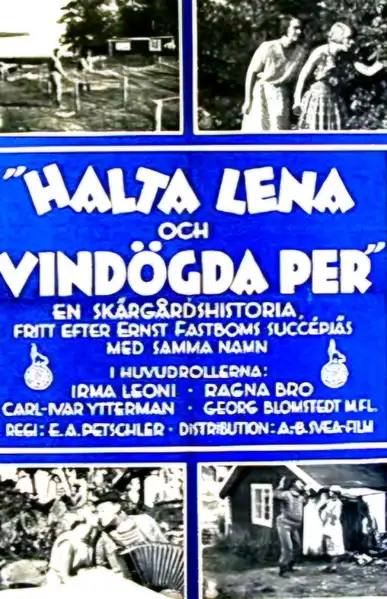
If you're looking for something to put on while you actually pay attention, this might be a stretch for most people today. It is a slow, grainy trip back to 1924 Sweden.
I think people who love old theater history or just like seeing how rural life used to be staged will find it neat. If you need explosions or a plot that doesn't involve people standing in kitchens for ten minutes, you'll probably hate it.
The story is pretty simple. You have Algot Söderholm who has two daughters: Magda, who is the "pretty" one, and Lena, who limps and is treated like a bit of an afterthought by everyone in town.
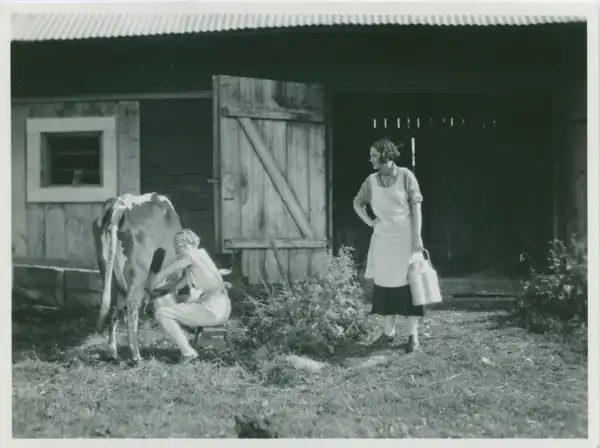
It’s based on a play by Ernst Fastbom. He’s actually in the movie too, which is kind of a fun meta thing if you care about that sort of stuff.
You can really tell it started as a play. The actors have this habit of lining up in a row when they talk.
One thing I noticed was the way they handled Lena’s limp. It’s not very subtle.
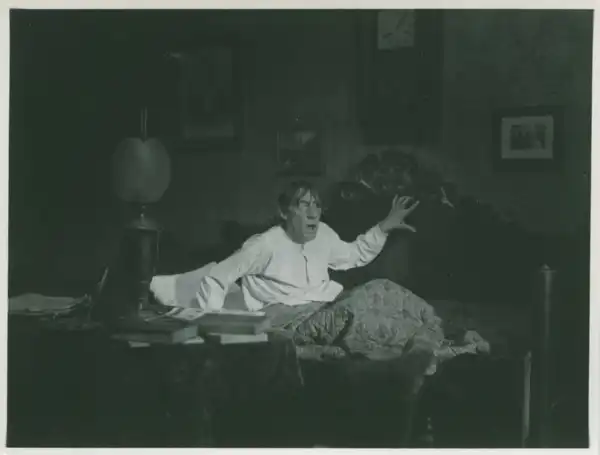
The title literally calls her "Limping Lena" and the guy Per is "Cross-eyed Per." It’s a bit mean by today's standards, but the movie seems to have a soft spot for them eventually.
There is this one scene in a kitchen where the lighting is just... weird. Half the actors' faces are in total shadow while they're drinking coffee, and I couldn't tell if it was a creative choice or if a bulb just blew out on set.
Nils Åhsberg plays Per, and he has to do this specific squint the whole time. It looks incredibly exhausting.
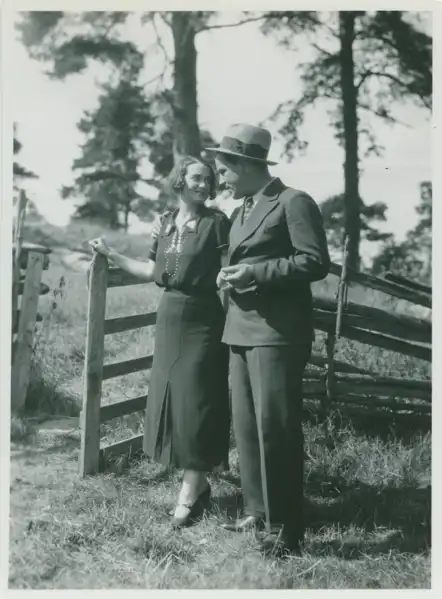
I kept wondering if he had a headache by the end of the day. The commitment to the bit is honestly impressive.
Magda, played by Ragna Broo-Juter, does a lot of that classic silent movie acting where she stares at the ceiling to show she's thinking. It’s a bit much, but it fits the vibe.
If you've seen Sten Stensson Stéen från Eslöv, you'll recognize this brand of Swedish folk comedy. It’s very localized and very earnest.
The pacing is definitely a struggle. It feels like a movie made for people who had a lot more patience than we do now.
But there is something sweet about the ending. It doesn't try to be a big deal; it just kind of settles into a happy place.
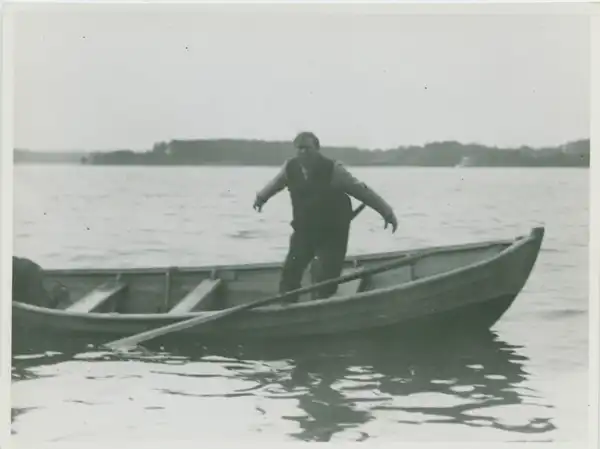
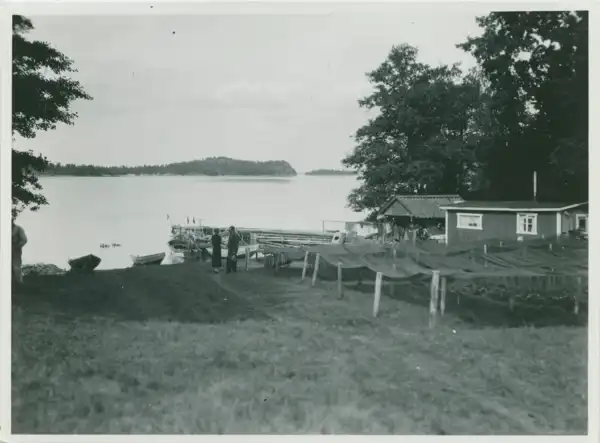
It reminded me a bit of the atmosphere in Fjeldeventyret, where the scenery is doing a lot of the heavy lifting. The outdoor shots of the Swedish countryside are actually pretty nice when the film isn't too flickery.
I wouldn't call it a masterpiece or anything. It’s just a small, odd slice of history that managed to survive.
One reaction shot of the dad lingers for so long it almost becomes a different movie. He just stares. And stares.
It’s a bit clunky, and the humor doesn't always land anymore. But if you're in the right mood for something dusty and quiet, it's fine.
Just don't expect it to change your life or anything. It's just a story about some awkward people in the 1920s trying to find a date. 🌿
IMDb 6
1929
Community
Log in to comment.