DbcultAccessing Vault...
5.8/10
Senior Film Conservator
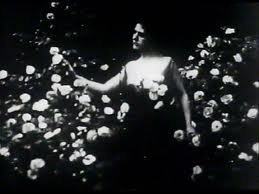
A definitive 5.8/10 rating for a film that redefined the boundaries of cult cinema. La signora delle camelie remains a cornerstone of transgressive art.
Step into the hallowed halls of silent cinema, and you'll inevitably encounter the spectral elegance of La signora delle camelie, a film that, even in its earliest iterations, captured the very essence of tragic romance. This isn't merely a recounting of a love affair; it's a profound excavation into the soul of a woman trapped by circumstance, a poignant meditation on sacrifice, and a searing critique of societal hypocrisy. Adapted from Alexandre Dumas fils’ timeless novel and play, this cinematic rendition, with its evocative power, cemented itself as a cornerstone of early 20th-century melodrama, proving that the silent screen could articulate the deepest human emotions with breathtaking clarity.
The narrative, though familiar to many through countless adaptations, resonates with an almost visceral intensity in its silent form. At its heart lies Marguerite Gautier, portrayed with an ethereal grace and devastating vulnerability by Francesca Bertini. Bertini, a titan of early Italian cinema, imbues Marguerite with a complexity that transcends the archetypal fallen woman. She is not merely a courtesan; she is a woman of exquisite taste and cultivated charm, a survivor in a world designed to exploit her, yet possessing a fragile inner core yearning for genuine connection. Her very existence is a performance, a dazzling display of outward gaiety masking a profound loneliness and the gnawing reality of her consumption. This duality, this constant tightrope walk between public persona and private anguish, is masterfully conveyed through Bertini’s expressive pantomime, her eyes often betraying the sorrow her painted smile attempts to conceal.
Enter Armand Duval, the earnest, somewhat naive provincial bourgeois, played by Gustavo Serena. His love for Marguerite is pure, unblemished by the cynicism of Parisian society, and it offers her a fleeting glimpse of a life she never dared to dream possible. Their romance, blossoming amidst the whispers and judgment of the beau monde, is depicted with a tender intimacy that makes their eventual separation all the more agonizing. The film excels in illustrating the stark contrast between Marguerite's glittering, superficial existence and the quiet, domestic bliss Armand promises. This tension between societal expectations and individual desires is a central pillar of the narrative, highlighting the suffocating constraints placed upon women, particularly those outside conventional morality, in that era. For a glimpse into similar societal pressures faced by women, one might consider Should a Woman Divorce?, though its focus shifts to marital dissolution, the underlying commentary on female agency remains pertinent.
Bertini's portrayal of Marguerite is nothing short of iconic. She doesn't just act the role; she embodies the character's spirit, her suffering, her fleeting joys. Every gesture, every tilt of her head, every flutter of her eyelashes speaks volumes, communicating the inner turmoil of a woman torn between love and duty. Her command of the silent screen’s language is absolute, making her performance a masterclass in emotional expression. The tragic arc of Marguerite, from a celebrated courtesan to a lonely, dying woman, is charted with an exquisite sensitivity that elicits genuine pathos. One scene, in particular, where she forces herself to push Armand away, feigning coldness while her heart breaks, is a powerful demonstration of her dramatic prowess. The pain in her eyes, even as her lips form a cruel dismissal, is palpable, a testament to her profound understanding of the character’s internal conflict. Other cast members, such as Camillo De Riso, Tina Ceccaci Renaldi, Carlo Benetti, Olga Benetti, and Antonio Cruichi, provide solid support, but it is Bertini who anchors the film with her magnetic presence.
The true tragedy unfolds when Armand’s father intervenes, appealing to Marguerite to abandon his son for the sake of the family’s honor and his daughter’s impending marriage. This pivotal moment forces Marguerite to make the ultimate sacrifice: to relinquish the only true love she has ever known, convincing Armand that she is merely returning to her old ways. This act of selfless devotion, misinterpreted as betrayal, fuels Armand's bitterness and prompts a series of cruel retaliations. The film brilliantly captures the societal pressures that dictate individual destinies, illustrating how reputation and class could irrevocably shatter lives, regardless of genuine affection. The societal judgment that hounds Marguerite is relentless, a constant, invisible antagonist that ultimately claims her life. This theme of love sacrificed for societal expectations echoes in many melodramas of the era, though few achieve the emotional resonance of La signora delle camelie.
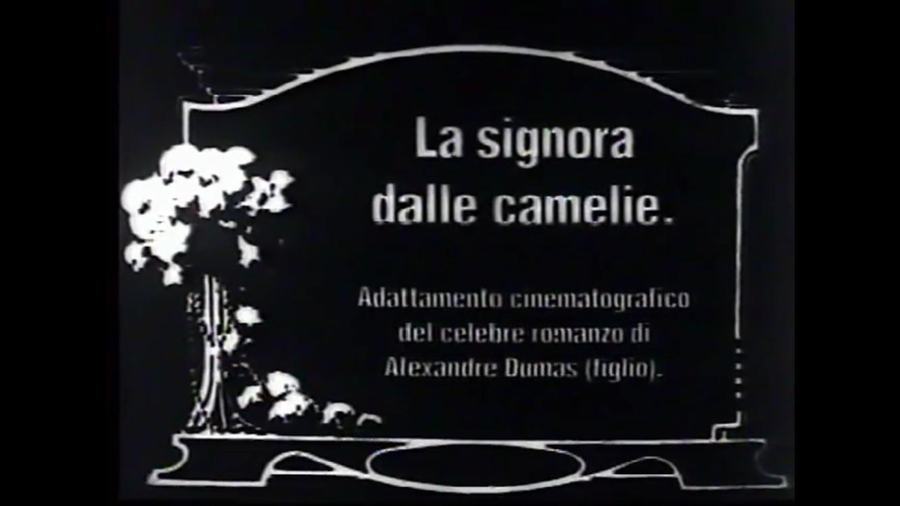
The writers, Renzo Chiosso and Alexandre Dumas fils (whose original work forms the foundation), crafted a narrative that, while steeped in 19th-century morality, remains shockingly relevant in its exploration of love’s enduring power against insurmountable odds. The film does not shy away from the harsh realities of Marguerite's profession or her illness, presenting them with a stark honesty that elevates the melodrama beyond mere sentimentality. The visual storytelling, characteristic of the silent era, relies heavily on symbolic gestures and meticulously composed tableaux to convey complex emotions and narrative progression. The use of intertitles, though sparse, is impactful, serving to bridge emotional gaps and provide crucial exposition, allowing the visual drama to take precedence. In this regard, it shares a common cinematic language with other early works like Det gamle Købmandshjem or The Bells, where the visual narrative carries the bulk of the storytelling weight.
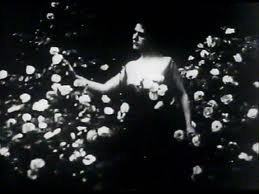
The cinematography, though rudimentary by today's standards, is surprisingly effective in creating atmosphere and emotional depth. The close-ups on Bertini's face are particularly powerful, allowing the audience to witness every flicker of hope and despair. The staging of scenes, from the bustling Parisian streets to the quiet intimacy of Marguerite's boudoir, is carefully orchestrated to enhance the dramatic impact. The film understands the power of contrast: the vibrant energy of parties juxtaposed with the somber solitude of illness, the dazzling costumes against the stark reality of poverty and death. This visual poetry is what makes silent cinema so compelling, and La signora delle camelie stands as a testament to its artistry. The meticulous attention to visual detail and emotional nuance could be seen as a precursor to the more elaborate narrative techniques found in later silent epics, much like how Tigris used its setting to enhance dramatic tension.
The film’s exploration of themes like redemption and the redemptive power of love is particularly poignant. Despite her past, Marguerite's love for Armand elevates her, offering her a chance at spiritual purification. Her ultimate sacrifice, though leading to her demise, solidifies her as a figure of profound integrity and selflessness. This narrative arc, where a character finds moral elevation through suffering, is a recurring motif in classic literature and cinema, often seen in works like Oliver Twist, which explores the moral struggles within a stark societal backdrop, albeit with a different focus on social commentary.
The final act, depicting Marguerite's lonely decline and death, is handled with a delicate touch, avoiding excessive sensationalism while maximizing emotional impact. Armand's eventual discovery of her sacrifice, through her letters, brings a belated and crushing realization of the depth of her love. The tears he sheds are not just for her passing, but for the profound misunderstanding and the irreversible consequences of their thwarted romance. It's a powerful statement on the nature of regret and the enduring pain of lost love. This sense of profound, irreversible loss and the weight of past decisions is a theme that resonates deeply, similar to the contemplative sorrow found in films like The Last Chapter, which also delves into the concluding phases of a significant life journey.
La signora delle camelie stands as a monumental achievement in silent cinema, not only for its faithful adaptation of a literary classic but for its profound emotional impact. It captures the essence of a timeless story of love, sacrifice, and societal constraints with an artistry that remains compelling more than a century later. The film's ability to transcend the limitations of its medium, to convey such deep emotion without spoken dialogue, is a testament to the power of visual storytelling and the sheer talent of its lead, Francesca Bertini. It serves as a reminder that the great stories, told with passion and conviction, possess an eternal resonance, capable of moving audiences across generations and technological divides. This enduring appeal is a hallmark of classic cinema, much like the sustained emotional engagement offered by films such as Young Romance, which, despite its lighter tone, also explores the intricacies of burgeoning affection.
The film's exploration of moral ambiguity, particularly concerning Marguerite's character, is also noteworthy. While society condemns her, the narrative implicitly argues for her inherent goodness and the purity of her intentions, especially in her final acts. This nuanced portrayal challenges the simplistic good-vs-evil dichotomy often found in early cinema, presenting a more complex human being. Such complexity, though perhaps more overtly explored in later eras, can be glimpsed in the subtle characterizations of other silent films, where actors like those in Ein seltsames Gemälde used their craft to suggest deeper psychological states.
In a world saturated with sound and advanced visual effects, returning to films like La signora delle camelie is a refreshing, even revelatory experience. It forces the viewer to engage on a deeper, more empathetic level, to interpret subtle cues, and to appreciate the raw power of human expression. It's a film that lingers long after the final frame, its echoes of heartbreak and unwavering love continuing to resonate in the quiet chambers of the heart. It’s a profound piece of cinematic history, a beautiful and melancholic reflection on life’s cruelties and love’s indomitable, if often tragically futile, spirit. The profound emotional impact of this film makes it a significant touchstone, much like the enduring resonance of a story such as The Firefly, which also navigated the complexities of love and societal expectation, albeit in a different cultural context.
The film’s enduring popularity and its place in the pantheon of adaptations of Dumas’ novel speak volumes about its artistic merit. It's not just a historical artifact; it's a living, breathing work of art that continues to speak to modern audiences about the universal themes of love, loss, and the human condition. For those seeking to understand the foundational elements of cinematic storytelling and the power of performance in its purest form, La signora delle camelie offers an invaluable lesson. Its narrative strength and the compelling performances, particularly Bertini's, ensure its place as a truly timeless classic, a testament to the enduring power of silent film to capture and convey the full spectrum of human emotion. Similar narratives of self-sacrifice and enduring love, though perhaps with less tragic outcomes, can be found in films like Volunteer Organist, where profound devotion is also a central theme.
Indeed, this film represents a peak of early cinematic artistry, showcasing how effectively a poignant story could be told without the crutch of dialogue. The visual poetry, the nuanced performances, and the profound emotional depth all combine to create an unforgettable experience. It's a work that demands quiet contemplation and offers immense rewards to the discerning viewer. It stands shoulder to shoulder with other impactful silent narratives that explored the human condition with such raw honesty, offering a window into the cinematic sensibilities of its time while retaining a universal appeal that transcends generations. The narrative's careful construction, much like the deliberate pacing and character development in The Great Mistake, ensures that every emotional beat lands with precision, drawing the audience deeper into the unfolding tragedy.
The power of this film lies not just in its dramatic plot, but in its ability to evoke profound empathy for its characters. Marguerite's plight, her struggle for dignity and love in a world that denies her both, resonates deeply. Armand's journey from ardent lover to heartbroken avenger and ultimately to sorrowful understanding is equally compelling. The film's exploration of the societal double standards that condemn women like Marguerite while often excusing their male counterparts remains a potent critique. This societal commentary, subtly woven into the fabric of the personal tragedy, elevates La signora delle camelie beyond a mere love story, making it a significant cultural document. Its themes of social class, reputation, and the sacrifices made for love are universal, giving it an enduring relevance that few films of its era can claim. It's a masterpiece of emotional storytelling, a silent symphony of love and loss that continues to move and inspire.

IMDb 6.6
1934
Community
Log in to comment.