DbcultAccessing Vault...
Cult Review
Senior Film Conservator
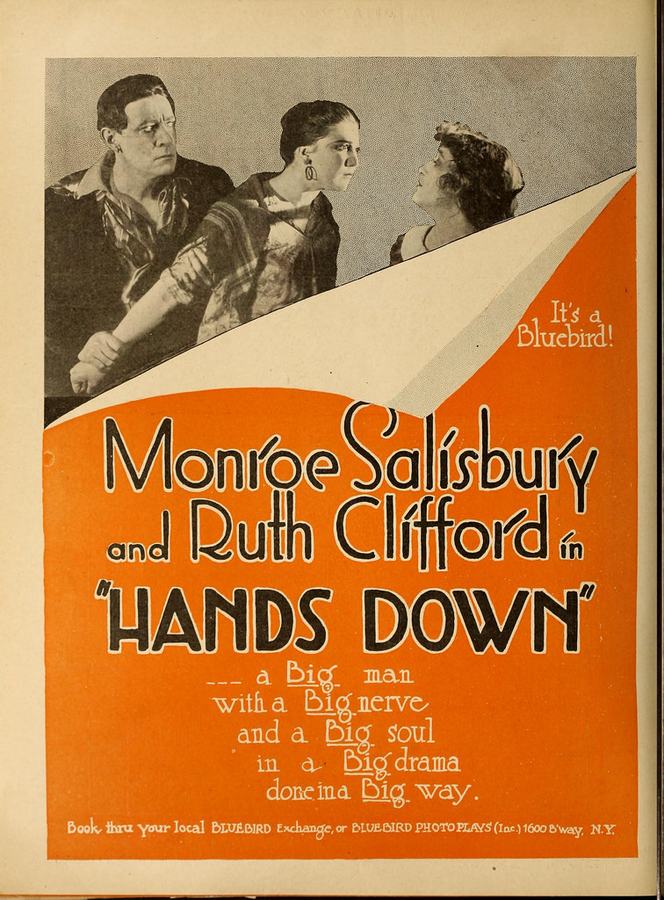
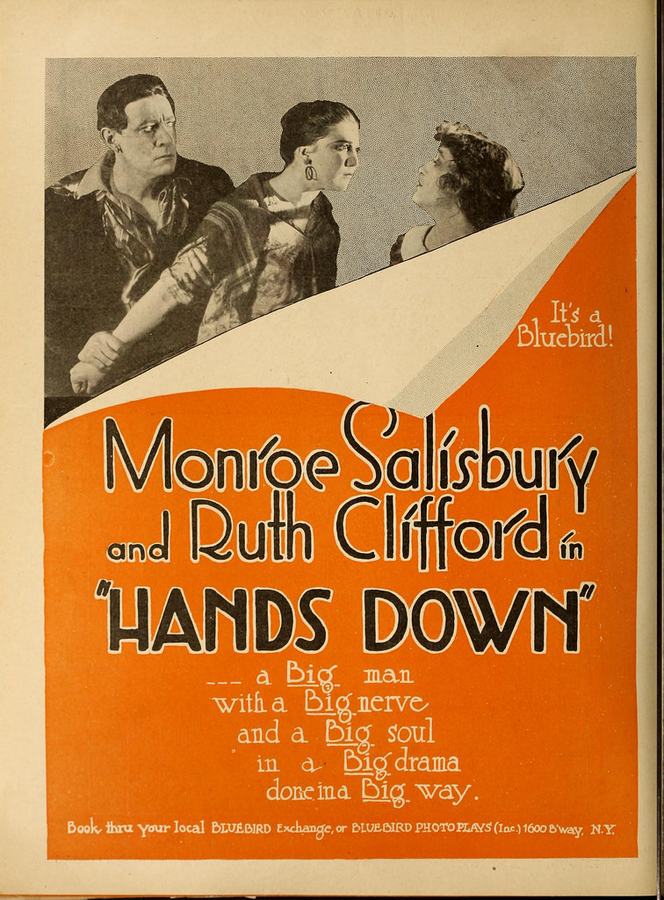
Hands Down is a film that thrives in the dusty, morally murky corners of the Western genre, where every character’s shadow is as significant as their silhouette. Directed with a steady hand by W.H. Bainbridge and written by the sharp yet underappreciated Elliott J. Clawson, the film unfolds like a slow-burning fuse—tense, unpredictable, and explosive in its resolution. The story hinges on Miner Dan Stuyvesant’s ill-fated strike of gold, a discovery that becomes both his salvation and his demise. His death, orchestrated by forces hungry for his claim, sets into motion a series of events that test the boundaries of friendship, loyalty, and survival.
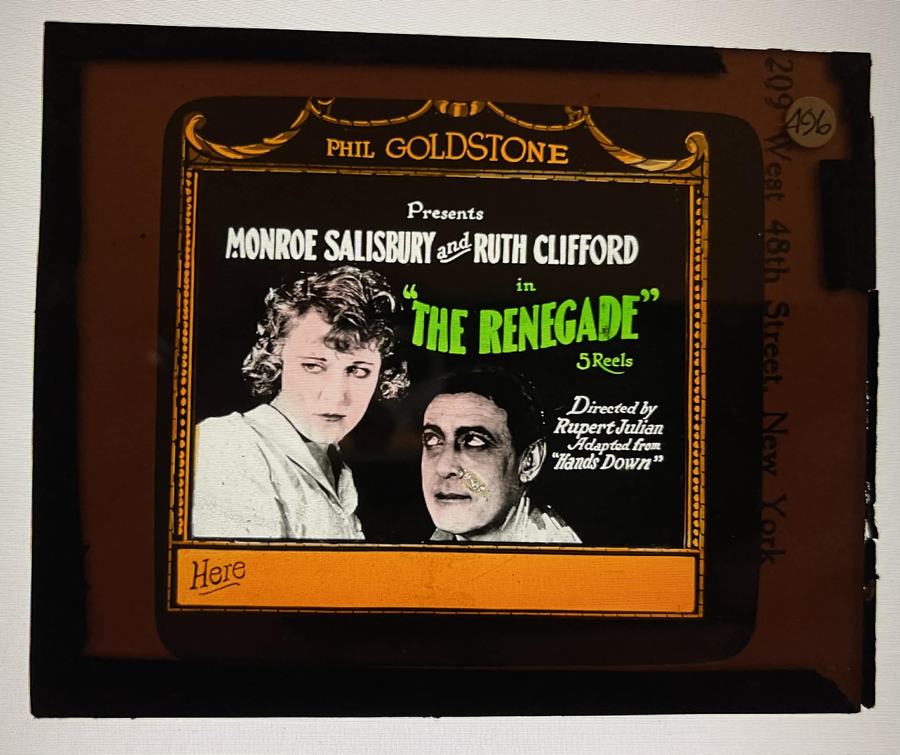
Monroe Salisbury’s portrayal of Dago Sam is a masterclass in understated intensity. He embodies the archetype of the reluctant hero, a man whose reputation precedes him with a mix of fear and disdain. Yet, when Sam takes it upon himself to protect Hilda Stuyvesant, Ruth Clifford’s performance injects a quiet resilience into the narrative. Clifford’s Hilda is not the fragile damsel in distress but a woman whose faith in Sam’s redemption becomes the film’s emotional anchor. The dynamic between her and Tom Flynn (Al W. Filson) is charged with tension, a friction that Clawson mines for both emotional depth and narrative momentum.
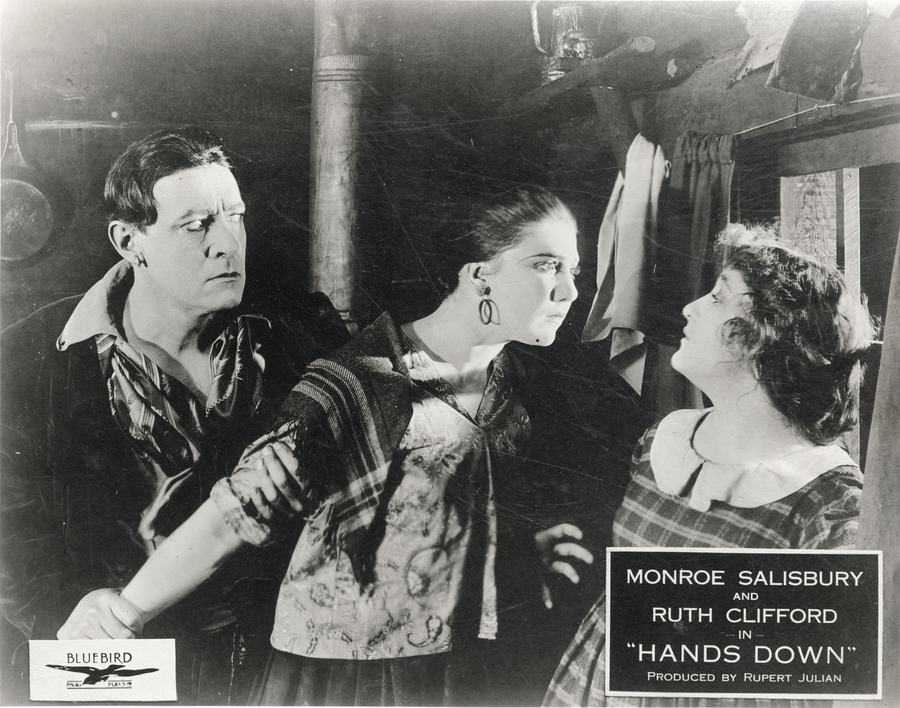
The film’s central conflict is less about the gold itself and more about what it represents: the corrupting allure of wealth in a lawless land. Jack Dedlow, played with cold precision by W.H. Bainbridge, is a villain who exists to embody the worst instincts of the frontier—greed, ruthlessness, and a disdain for human connection. His gang’s arrival at Stuyvesant’s cabin is a masterstroke of visual storytelling, with the camera lingering on the dust-covered faces of the outlaws as they draw cards for Hilda. This scene, though brief, encapsulates the dehumanizing effect of avarice; the gang reduces Hilda to a prize, a token to be won rather than a person to be understood.
Sam’s decision to spirit Hilda away is a turning point, a moment where his internal conflict—between his self-perceived villainy and his desire to do good—comes to a head. The film avoids the cliché of the hero’s sudden redemption, instead opting for a gradual, believable transformation. Sam’s choice to confront Tom’s suspicions, to live up to the town’s scorn rather than deny it, is a testament to the script’s psychological complexity. It’s a rare trait in Westerns of this era, where characters often serve as archetypes rather than fully realized people.
The bond between Tom and Sam is the film’s emotional core. Their friendship, strained by Sam’s reputation and Tom’s distrust, is tested in the crucible of violence. The final act—a fight at Sam’s cabin that results in Dedlow’s death—resolves their conflict not with grand gestures but with quiet understanding. The renewal of their bond feels earned, a product of shared trauma and mutual respect. This resolution avoids the saccharine, instead offering a bittersweet acknowledgment of the cost of survival in a harsh world.
Hands Down also excels in its visual composition. The stark landscapes of the frontier are rendered with stark realism, the camera often framing characters against the vast, unforgiving horizon. The use of shadows—both literal and metaphorical—adds layers to the narrative, suggesting that every character is, in some way, haunted by their past. The score, though minimal, enhances the tension with dissonant strings that mirror the characters’ inner turmoil.
When placed alongside contemporaries like Women’s Weapons or The Half Million Bribe, Hands Down distinguishes itself through its focus on interpersonal dynamics rather than plot-driven intrigue. While films like The Deemster delve into moral philosophy, Hands Down opts for a more visceral approach, its themes emerging through action and silence rather than dialogue. The film’s exploration of loyalty and betrayal echoes the tension in Purity, but with a grittier, more earthbound tone.
In terms of acting, Ruth Clifford’s Hilda is a standout, her performance evoking the same emotional resonance as The Love That Lives’s female leads. However, where Clifford excels is in her agency—Hilda is never a passive figure. Her declaration of faith in Sam is a pivotal moment that subverts expectations, a rare instance in early Westerns where a woman’s voice is the catalyst for change.
Though Hands Down may not have the same cultural footprint as The Upper Crust or The Case of Becky, its contributions to the Western genre are undeniable. The film’s nuanced take on heroism and its rejection of simplistic morality prefigured the more complex narratives of later Westerns. Its influence can be traced in the works of directors like John Ford and Sergio Leone, who similarly explored the duality of the frontier experience.
For modern viewers, Hands Down offers a window into the evolving sensibilities of early 20th-century cinema. The film’s willingness to grapple with moral ambiguity and human fallibility sets it apart from its peers. It is a product of its time yet timeless in its themes, a testament to the enduring power of storytelling in the Western genre.
In conclusion, Hands Down is a film that rewards careful attention. Its layered characters, atmospheric visuals, and thematic depth make it a hidden gem worth revisiting. Whether you’re a fan of classic Westerns or simply appreciate films that challenge genre conventions, this is a title that demands to be seen—not just watched.
IMDb —
1927
Community
Log in to comment.