DbcultAccessing Vault...
5/10
Senior Film Conservator
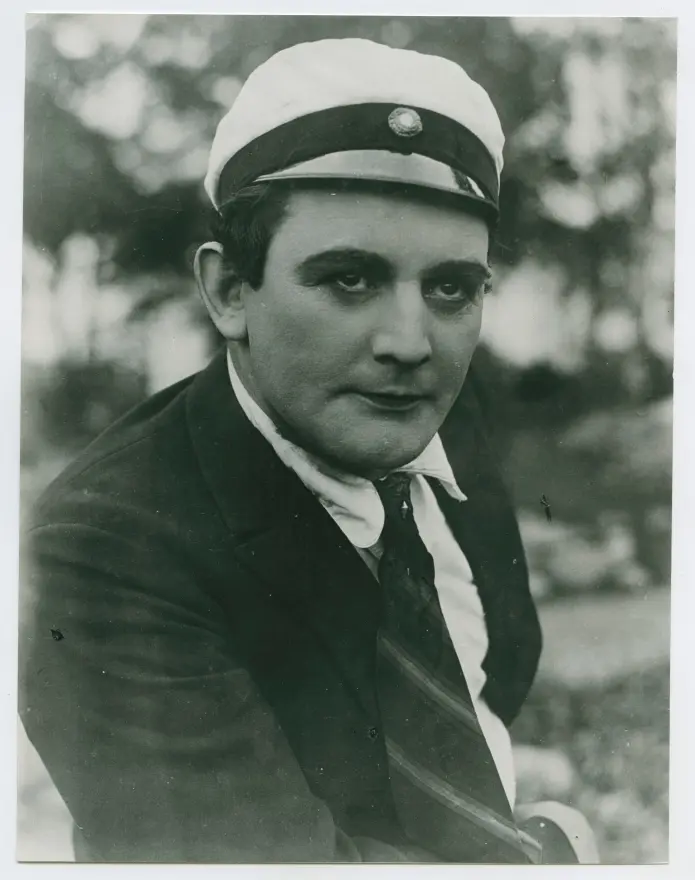
A definitive 5/10 rating for a film that redefined the boundaries of cult cinema. Studenterna på Tröstehult remains a cornerstone of transgressive art.
To watch Studenterna på Tröstehult is to step into a meticulously preserved pocket of Swedish history. Released in 1924, this film stands as a fascinating bridge between the high art of the Swedish Golden Age and the more populist, character-driven narratives that would define the following decades. The screenplay, penned by the legendary Edvard Persson, provides a framework that is both intimate and expansive, capturing the specific anxieties of the post-war student class while grounding them in the timeless rhythms of rural life.
The narrative core—the rivalry between Karl Oskar and Tobias Bruce—is handled with a surprising amount of psychological nuance for a silent production. Unlike the more flamboyant romantic entanglements seen in Bella Donna, the conflict here is quiet, simmering beneath the surface of polite collegiate interactions. It is a battle of temperaments: Oskar’s grounded, perhaps even pedestrian, reliability versus Bruce’s more volatile and performative charm. This duality is what gives the film its enduring resonance; it asks the audience to choose between the safety of the known and the allure of the unpredictable.
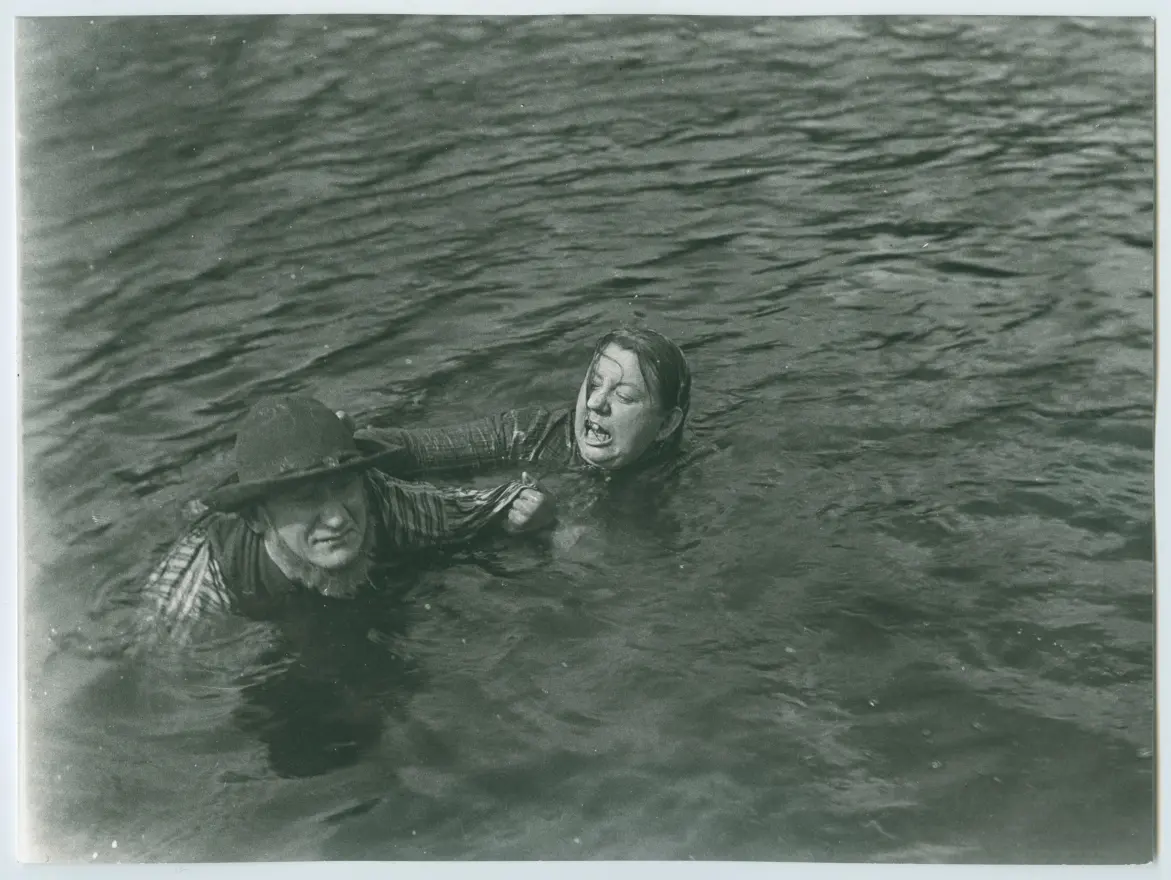
Göta Larsson, as Ann-Marie, delivers a performance that transcends the 'prize' archetype often found in silent melodramas. She imbues the character with a quiet agency, her eyes frequently communicating more than any intertitle could hope to achieve. We see her navigating the attentions of her suitors with a mix of amusement and genuine trepidation. In contrast to the heavy-handed emotionality of films like A Tüz, Larsson’s approach is one of restraint, making her eventual choice of Karl Oskar feel like a reasoned decision rather than a script-mandated inevitability.
The supporting cast adds a layer of rich, ethnographic detail to the proceedings. Nils Ekstam and Harry Persson provide a robust backdrop of secondary characters that flesh out the social hierarchy of Tröstehult. There is a sense of community here that is often missing from contemporary American films of the era, such as The Ne'er-Do-Well. In Tröstehult, every action has a social consequence; the romance is not conducted in a vacuum but under the watchful, often judgmental, eyes of a village that values tradition above all else.
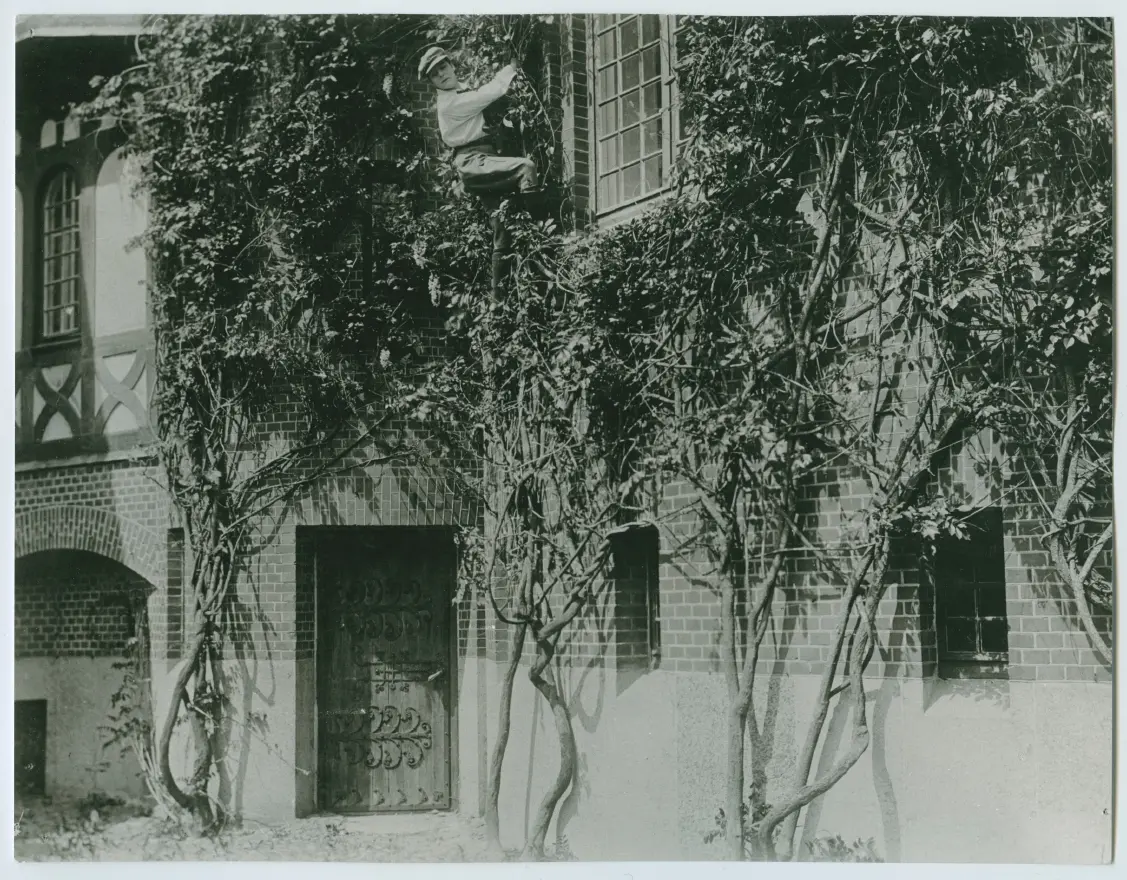
The cinematography in Studenterna på Tröstehult is nothing short of revelatory. The lighting of the Swedish countryside—that specific, long-shadowed northern light—is used to dramatic effect. The filmmakers utilize the natural landscape not just as a setting, but as a reflection of the characters' internal states. When the rivalry between Oskar and Bruce reaches its zenith, the framing becomes tighter, the shadows more pronounced, echoing the claustrophobia of unrequited desire. This visual sophistication rivals the atmospheric depth of Pyotr Velikiy, though applied to a much more intimate subject matter.
We see a distinct departure from the slapstick elements found in Distilled Love. Instead, the humor in Tröstehult is observational and dry, rooted in the absurdities of social etiquette and the clumsiness of young men in love. The scenes involving Edvard Persson himself are particularly noteworthy. Even in this early stage of his career, his screen presence is undeniable. He possesses a naturalism that makes the other actors seem, at times, overly theatrical. His contribution to the script ensures that the dialogue (via intertitles) avoids the florid excesses of Bride of Vengeance, opting instead for a vernacular that feels authentic to the period.
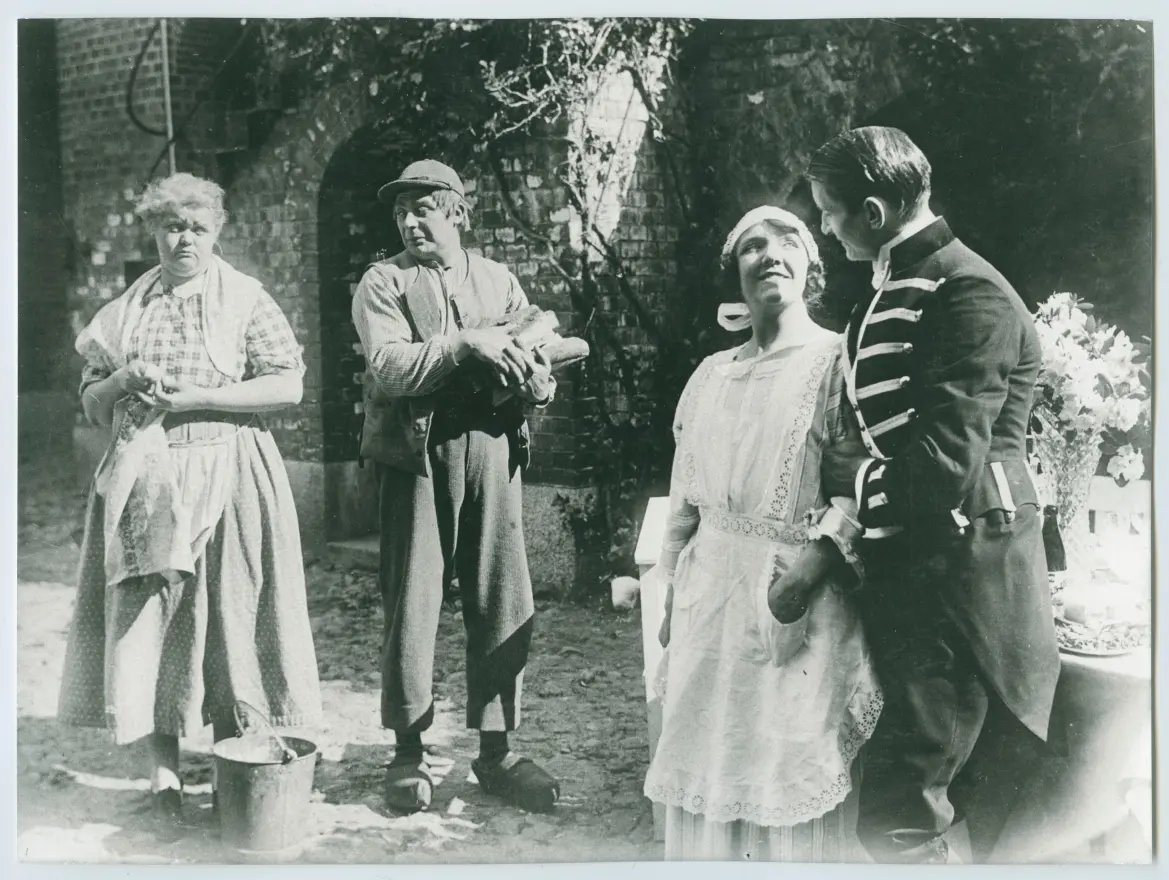
The resolution of the film—the marriage of Karl Oskar and Ann-Marie—is often critiqued as a conventional ending. However, within the context of 1924, this union is a powerful statement. It represents the triumph of the 'student' who remains connected to his roots over the one who uses his education as a tool for social manipulation. While a film like Humility explores the spiritual dimensions of such choices, Tröstehult remains firmly planted in the material world. The marriage is a social contract that restores order to the community, a theme that resonates through other Swedish works of the period.
The inclusion of actors like Ellen Dall and Richard Svanström provides a secondary layer of romantic intrigue that parallels the main plot. These subplots prevent the film from becoming a monotonous two-man race. Instead, we get a panoramic view of a generation trying to find its footing. The film’s pacing is deliberate, allowing the audience to inhabit the spaces of Tröstehult. It shares this sense of atmospheric immersion with Trois familles, where the environment is inseparable from the family dynamic.
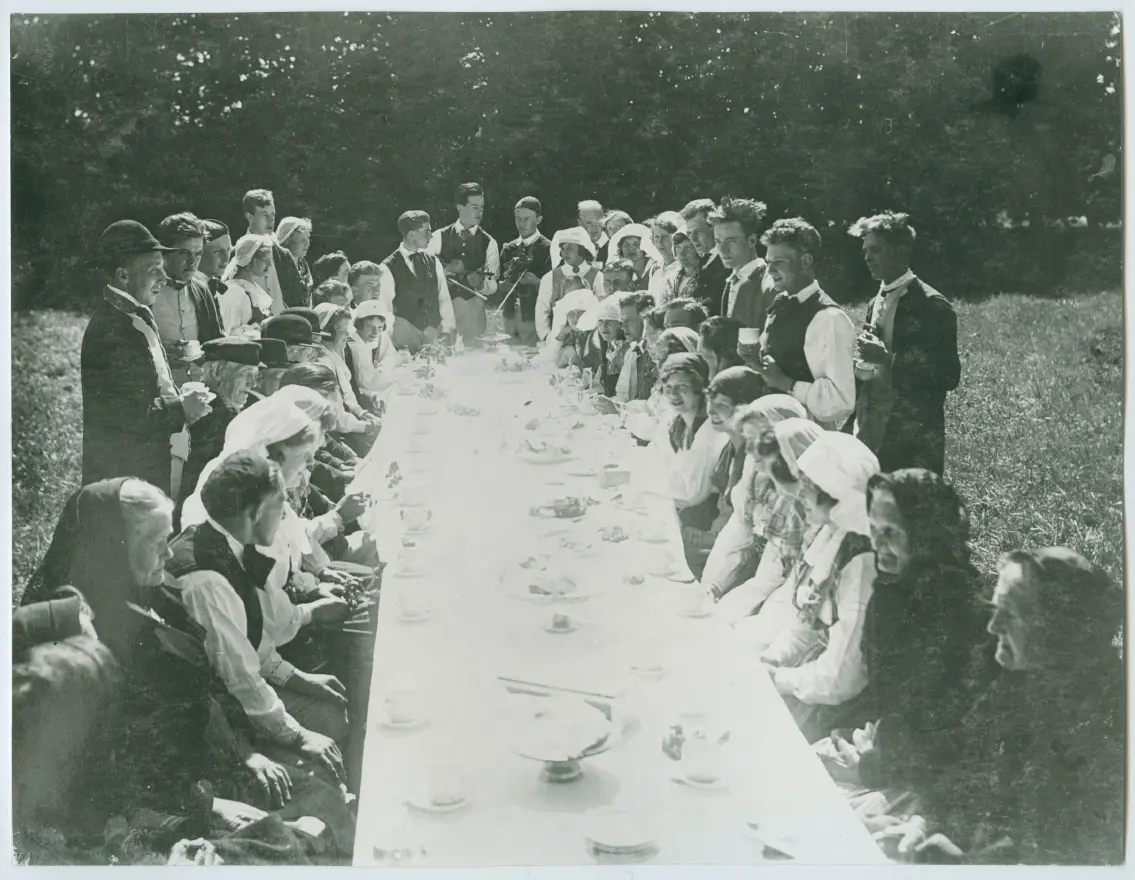
Technically, the film is a marvel of its time. The editing by the uncredited technicians of the era shows a burgeoning understanding of narrative rhythm. The transition between the academic halls and the rural fields is handled with a fluidity that suggests a high level of directorial control. This isn't the jagged, experimental editing of the Soviet school, but a more lyrical, European approach that prioritizes the continuity of emotion. When compared to the somewhat static framing of The Man Worthwhile, Tröstehult feels remarkably modern.
The use of close-ups is particularly effective during the scenes of confrontation between Karl Oskar and Tobias Bruce. The camera lingers on the micro-expressions of the actors, capturing the flicker of doubt in Bruce’s eyes and the burgeoning resolve in Oskar’s. This focus on the human face as the primary site of drama is a hallmark of the best silent cinema, a technique also mastered in Forbidden Paths. It elevates the film from a simple 'student romp' to a serious study of human character.
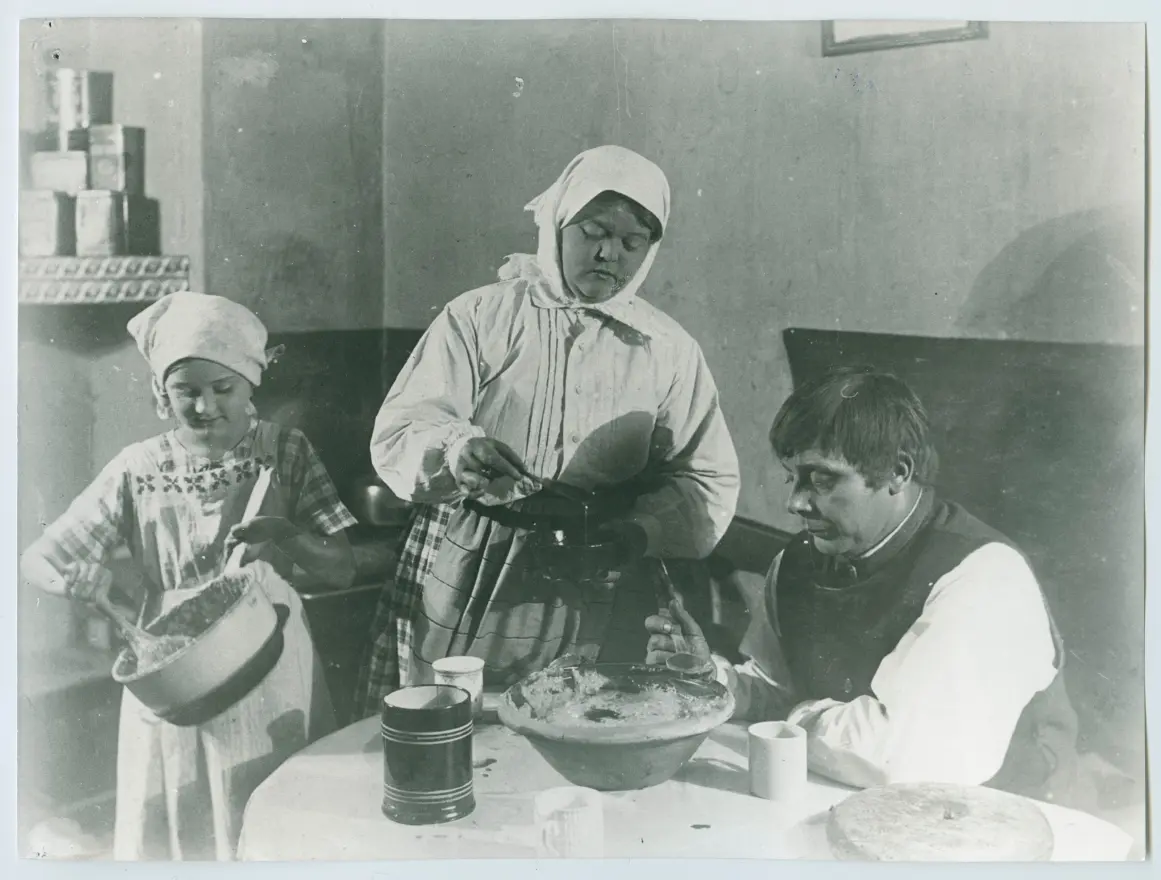
One cannot discuss Studenterna på Tröstehult without acknowledging the shadow of Edvard Persson. While he would later become the personification of the jovial Scanian, here we see a more disciplined, perhaps more cynical, version of his creative persona. His writing balances the light and the dark, the comedic and the tragic, with a deftness that many of his contemporaries lacked. The film avoids the saccharine pitfalls of Alias Ladyfingers by remaining tethered to the harsh realities of rural expectation.
The performance of Algot Larsson as the rival suitor is also worthy of praise. He avoids making Tobias Bruce a caricature of a villain. Instead, he plays him as a man who is simply outmatched by a superior emotional intelligence. This nuance is vital; if Bruce were merely a scoundrel, Oskar’s victory would be hollow. Because Bruce is a legitimate contender, the stakes of the romance are significantly higher. This complexity of the 'antagonist' is a trait shared with Man and His Soul, where the internal conflict is as important as the external one.
In the final analysis, Studenterna på Tröstehult is a film that rewards the patient viewer. It is not a work of rapid-fire action or broad slapstick, but a film of glances, gestures, and the slow build of romantic tension. It captures the essence of a specific time and place while speaking to the universal experience of choosing a path in life. The interplay between the students and the locals, the academic and the agrarian, creates a thematic depth that is rarely seen in such straightforward romantic plots.
Whether compared to the artistic heights of Inspiration or the visceral drama of Body and Soul, Studenterna på Tröstehult holds its own as a quintessential piece of Swedish cinematic heritage. It is a reminder that even in the silent era, filmmakers were capable of creating complex, multi-layered stories that resonate nearly a century later. The film’s ability to find beauty in the mundane and drama in the everyday is its greatest strength, making it a must-watch for any serious student of film history. Just as Fresh Paint explored the vibrancy of new beginnings, Tröstehult explores the enduring power of a choice well made.
The ensemble, including Olle Persson, Ernst Malmquist, Nils Carlberg, Ellen Rosengren, Johan Rosén, Victor Hallin, and Wera Berg von Linde, all contribute to a film that feels less like a staged play and more like a window into a vanished world. It is a triumph of early 20th-century storytelling.
IMDb —
1936
Community
Log in to comment.