DbcultAccessing Vault...
6.6/10
Senior Film Conservator
A definitive 6.6/10 rating for a film that redefined the boundaries of cult cinema. Happiness remains a cornerstone of transgressive art.
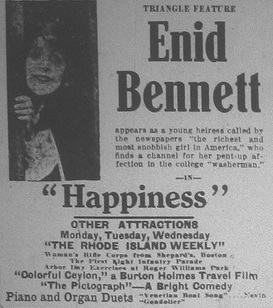
In the shimmering, often enigmatic landscape of early 20th-century cinema, certain films emerge not merely as historical artifacts but as enduring narratives, speaking to universal human truths with a clarity that transcends their silent origins. Happiness, a 1917 production, is precisely such a work. It’s a compelling exploration of identity, social perception, and the elusive nature of genuine contentment, anchored by a performance from Enid Bennett that radiates both vulnerability and nascent strength. The film’s premise, seemingly simple, unravels into a nuanced critique of societal artifice and the manipulative forces that often shape individual destinies.
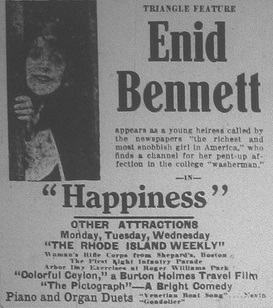
At its core, Happiness presents us with Doris Wingate, a character caught in a most peculiar predicament. She is thrust into the national spotlight, not for any grand achievement or scandalous transgression, but as the subject of a sensationalist magazine feature branding her the 'most snobbish girl in America.' This public vilification, however, is a meticulously crafted illusion, a cruel masterpiece orchestrated by her Aunt Priscilla. Priscilla, a character whose machinations rival those of any classic literary antagonist, delights in cultivating this false impression, effectively isolating Doris from any genuine human connection. It’s a fascinating study in proxy narcissism, where Priscilla’s own insecurities or desires for social control manifest in the deliberate sabotage of her niece’s happiness. This theme of familial manipulation, though perhaps less overtly sinister, echoes the hidden agendas seen in films like Her Mother's Secret, where the truth of parentage or upbringing is weaponized for personal gain or societal positioning. The silent era, with its reliance on visual storytelling and melodramatic tropes, was particularly adept at conveying such emotional betrayals, often through heightened gestures and stark contrasts in character.

Doris, as portrayed by Bennett, is far from the haughty figure painted by the press. Instead, she is depicted as a deeply lovable individual, yearning for companionship, eager to forge friendships. This stark dichotomy between public facade and private reality forms the emotional fulcrum of the entire narrative. Bennett’s ability to convey this internal conflict, to project both the forced reserve of her public persona and the underlying warmth of her true self, is a testament to her skill as a silent film actress. Her eyes, her subtle shifts in posture, her tentative smiles – all contribute to a portrayal that is remarkably nuanced for the period. The film cleverly positions Aunt Priscilla as a gatekeeper, not of physical spaces, but of Doris’s emotional landscape, ensuring that no authentic relationship can breach the carefully constructed walls of her manufactured snobbery.
It is Doris’s discerning uncle who eventually sees through Priscilla’s elaborate charade. In a move of profound wisdom and foresight, he dispatches Doris to a co-educational college, hoping that a change of environment will allow her true nature to blossom. This setting, a microcosm of broader society, initially proves to be another crucible of isolation. Her infamous reputation, like an inescapable shadow, precedes her, leading to immediate ostracization from the student body. This segment of the film powerfully illustrates the corrosive power of gossip and preconceived notions. Even in an environment ostensibly dedicated to intellectual growth and open-mindedness, the weight of public opinion can be crushing, a theme that, regrettably, remains perennially relevant. The visual storytelling here, through scenes of Doris sitting alone, observing animated groups from a distance, or being pointedly ignored, effectively communicates her profound loneliness without the need for dialogue.
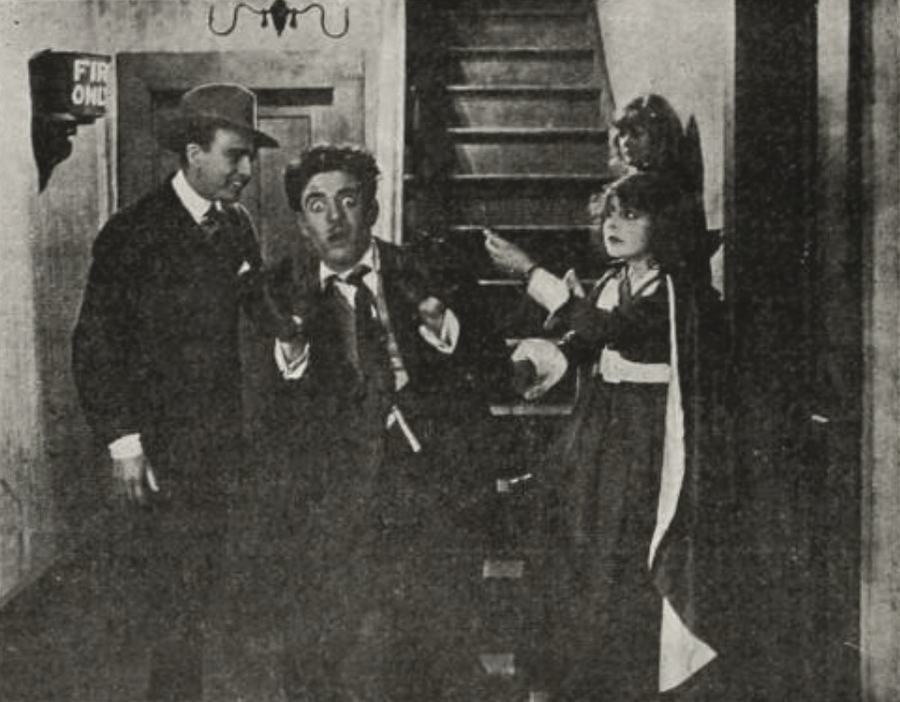
Yet, it is within this very crucible of isolation that Doris encounters the individuals who will become her salvation: Robert Lee Hollister, a fellow student of earnest demeanor and indefatigable spirit, and his spirited young helper, Dolly Temple. Bob, unlike the other students, is not swayed by the rumors or the magazine article. His character is defined by a quiet dignity and a diligent work ethic, as he takes in washing to finance his tuition. Dolly, with her youthful exuberance and unvarnished honesty, serves as the perfect foil, an embodiment of unpretentious sincerity. In them, Doris finds not just companions, but a reflection of the authenticity she so desperately craves. This narrative turn, where the protagonist finds solace and genuine connection among those of a different social stratum, is a classic trope, but Happiness executes it with a refreshing lack of condescension. It’s a testament to character over class, a theme subtly echoed in films like The Country Mouse, which often explored the virtues found outside the societal elite.
The formation of their business partnership – a laundry enterprise – marks a pivotal shift in Doris’s journey. For the first time, she engages in meaningful, tangible labor, an experience that proves profoundly transformative. Her happiest hours are spent sorting linen, a task that, on the surface, seems utterly mundane, yet for Doris, it represents liberation. It is an escape from the gilded cage of idleness and the suffocating pressure of maintaining a false image. This engagement with honest work, with the tangible results of her efforts, provides her with a sense of purpose and belonging that her privileged upbringing never could. The film implicitly argues that true happiness is not found in leisure or social standing, but in meaningful contribution and genuine connection. The visual contrast between Doris in her opulent, isolated home and Doris, sleeves rolled up, laughing with Bob and Dolly amidst piles of laundry, is striking and deeply effective. It’s a powerful, albeit silent, endorsement of the dignity of labor and the egalitarian nature of true friendship.
The nascent happiness and burgeoning autonomy Doris experiences are, of course, threatened by the inevitable return of Aunt Priscilla. Her arrival is portrayed as a disruptive force, a storm cloud on the horizon of Doris's newfound contentment. Priscilla, ever the puppet master, seeks to reassert her control, to dismantle the genuine connections Doris has forged, and to drag her back into the suffocating world of social pretense. This confrontation is the film's dramatic climax, a battle for Doris's soul fought between the forces of manipulation and authenticity. The tension is palpable, even without spoken words, conveyed through the stark visual contrast between Priscilla’s imposing, judgmental presence and Doris’s newfound assertiveness, bolstered by the unwavering support of Bob and Dolly.
In a powerful act of defiance, Doris rejects her aunt’s machinations outright. Her decision to elope with Bob is not merely an impulsive act of young love, but a profound declaration of independence. It is a deliberate shattering of the 'snob' image, a public rejection of the life her aunt had meticulously curated for her. This elopement signifies her complete embrace of authenticity, choosing a future built on love, mutual respect, and shared purpose, rather than on inherited wealth or manufactured social standing. The film concludes with Doris and Bob settling down to a happy life together, a resolution that, while perhaps idealistic, resonates deeply with the film’s central message: that true happiness is found in self-determination and genuine human connection. The ending, therefore, is not just a romantic triumph but a victory for individual agency over societal and familial pressures.
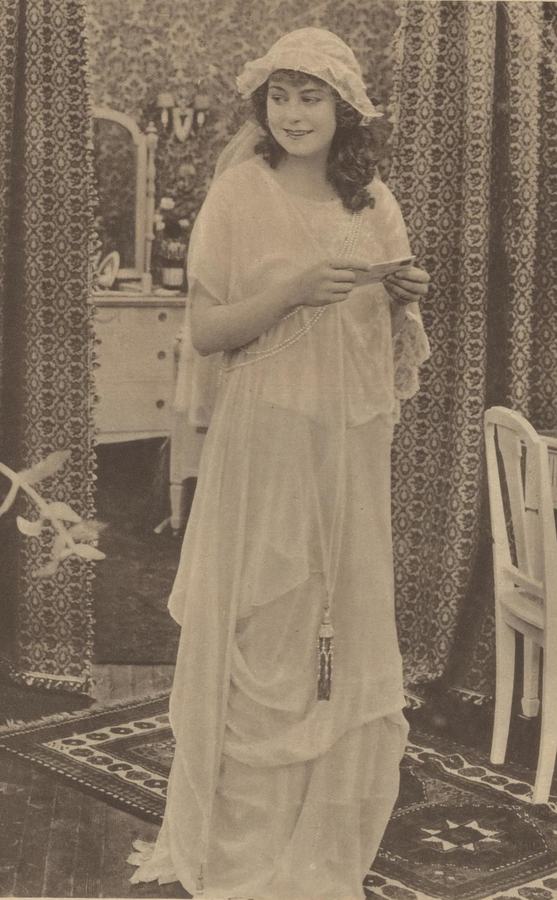
The performances in Happiness are particularly noteworthy for a film of its era. Enid Bennett, as Doris, carries the emotional weight of the narrative with grace and conviction. Her transformation from a quietly suffering socialite to a self-assured young woman is subtly yet powerfully rendered. The nuances of her expressions, the way her posture shifts from constrained elegance to relaxed openness, are crucial to conveying her character's internal journey. John Gilbert, as Robert Lee Hollister, provides a grounded, earnest counterpoint to Bennett's Doris. His portrayal of quiet strength and unwavering integrity makes him a compelling romantic lead. The chemistry between Bennett and Gilbert, though conveyed through the stylistic conventions of silent film, feels genuine and heartfelt, a testament to their acting prowess. Even the supporting cast, particularly Thelma Salter as Aunt Priscilla, contributes significantly, with Salter embodying the manipulative antagonist with a chilling effectiveness that avoids caricature.
C. Gardner Sullivan's screenplay, despite the inherent limitations of the silent medium, constructs a compelling narrative arc. The pacing is deliberate, allowing the audience to fully grasp Doris’s emotional plight and her gradual awakening. The use of intertitles is judicious, providing necessary exposition and dialogue without overwhelming the visual storytelling. Sullivan, a prolific writer of the era, demonstrates a keen understanding of character development and thematic resonance, crafting a story that, while rooted in its time, possesses a timeless quality. His ability to weave a tale of social commentary with a heartwarming romance is a hallmark of his craft, evident in many of his works.
From a technical perspective, Happiness showcases the evolving artistry of silent cinema. While specific directorial credits might be less prominent in historical records for some early films, the visual language employed is effective. The cinematography, though perhaps not groundbreaking by later standards, is competent, utilizing close-ups to emphasize emotional states and wider shots to establish the social environments. The editing maintains a fluid rhythm, guiding the viewer through Doris’s journey without jarring transitions. The set designs, particularly the contrast between Doris’s opulent home and the more humble, yet vibrant, college setting, effectively underscore the film’s thematic concerns about class and authenticity. The visual storytelling, characteristic of the era, relies heavily on symbolic imagery and heightened expressions, which are expertly deployed to convey complex emotions and narrative developments.
Thematically, Happiness is surprisingly prescient, touching upon issues that resonate deeply even today. It critiques the superficiality of social standing and the dangers of allowing external perceptions to dictate one’s self-worth. It champions the virtues of hard work, genuine friendship, and the courage to defy societal expectations in pursuit of authentic contentment. In an age dominated by social media and curated online personas, the film’s message about the disparity between public image and private reality feels remarkably contemporary. Doris’s struggle to shed a false identity and embrace her true self is a journey many still undertake in various forms. It's a powerful reminder that true 'happiness' isn't found in accolades or wealth, but in meaningful connections and self-acceptance. This timeless appeal elevates Happiness beyond a mere historical curiosity into a relevant piece of cinematic art.
Comparing Happiness to other films of its era reveals its unique strengths. While films like The Princess of India might have offered exotic escapism, or God's Country and the Woman explored rugged frontier narratives, Happiness grounds itself in a more intimate, psychological drama. It’s less about grand adventures and more about the internal journey of a young woman finding her voice. Its focus on social commentary through personal narrative places it alongside works that sought to examine the changing social fabric of early 20th-century America. The film also subtly touches upon early feminist themes, with Doris asserting her autonomy against patriarchal and familial control, choosing her own path rather than succumbing to predetermined societal roles. This quiet rebellion for self-determination is a powerful undercurrent that makes the film particularly compelling for modern audiences interested in the evolution of women's roles in cinema.
The enduring legacy of Happiness lies in its ability to transcend its origins as a silent film and deliver a narrative that remains emotionally resonant. It is a testament to the power of simple storytelling, compelling characters, and universal themes. The film reminds us that happiness is not a commodity to be acquired or an image to be maintained, but a state of being achieved through authenticity, courage, and genuine human connection. Enid Bennett’s performance, in particular, stands as a shining example of the expressive capabilities of silent film acting, her portrayal of Doris Wingate a beacon of hope for anyone who has ever felt misunderstood or constrained by external expectations. It is a film that, despite its age, continues to speak to the heart, urging us all to seek our own authentic 'happiness,' regardless of the societal pressures that seek to define us.
In an era where the lines between reality and public perception are increasingly blurred, Happiness offers a poignant and timely message. It champions the individual’s right to self-definition, to choose a path paved with genuine relationships and meaningful endeavors over the gilded cage of superficiality. The film’s concluding scenes, depicting Doris and Bob embarking on their life together, are not just a romantic resolution but a powerful affirmation of these values. Their happiness is hard-won, earned through defiance and authenticity, making it all the more compelling. This is not just a film about romance; it's a profound statement on the pursuit of a life truly lived, a life liberated from the shackles of false appearances and societal dictates. It encourages viewers to look beyond the surface, to question the narratives presented to them, and to ultimately forge their own paths to contentment. The film’s quiet strength lies in this powerful, enduring message, making it a valuable piece of cinematic history and a relevant commentary on the human condition. The vibrant colors of this review – the dark orange of defiance, the yellow of nascent hope, and the sea blue of serene truth – are merely reflections of the emotional palette this profound silent film so expertly paints.
IMDb 5.2
1917
Community
Log in to comment.