Is 'Slaves of Beauty' worth watching today? Short answer: yes, but with significant caveats.
This 1927 silent drama offers a surprising, if somewhat dated, glimpse into marital dynamics and societal pressures, making it a curious watch for silent film enthusiasts and those interested in early feminist undertones, but likely a challenging sit for casual viewers accustomed to modern pacing and narrative sophistication.
Let’s be direct about what works and what doesn't.
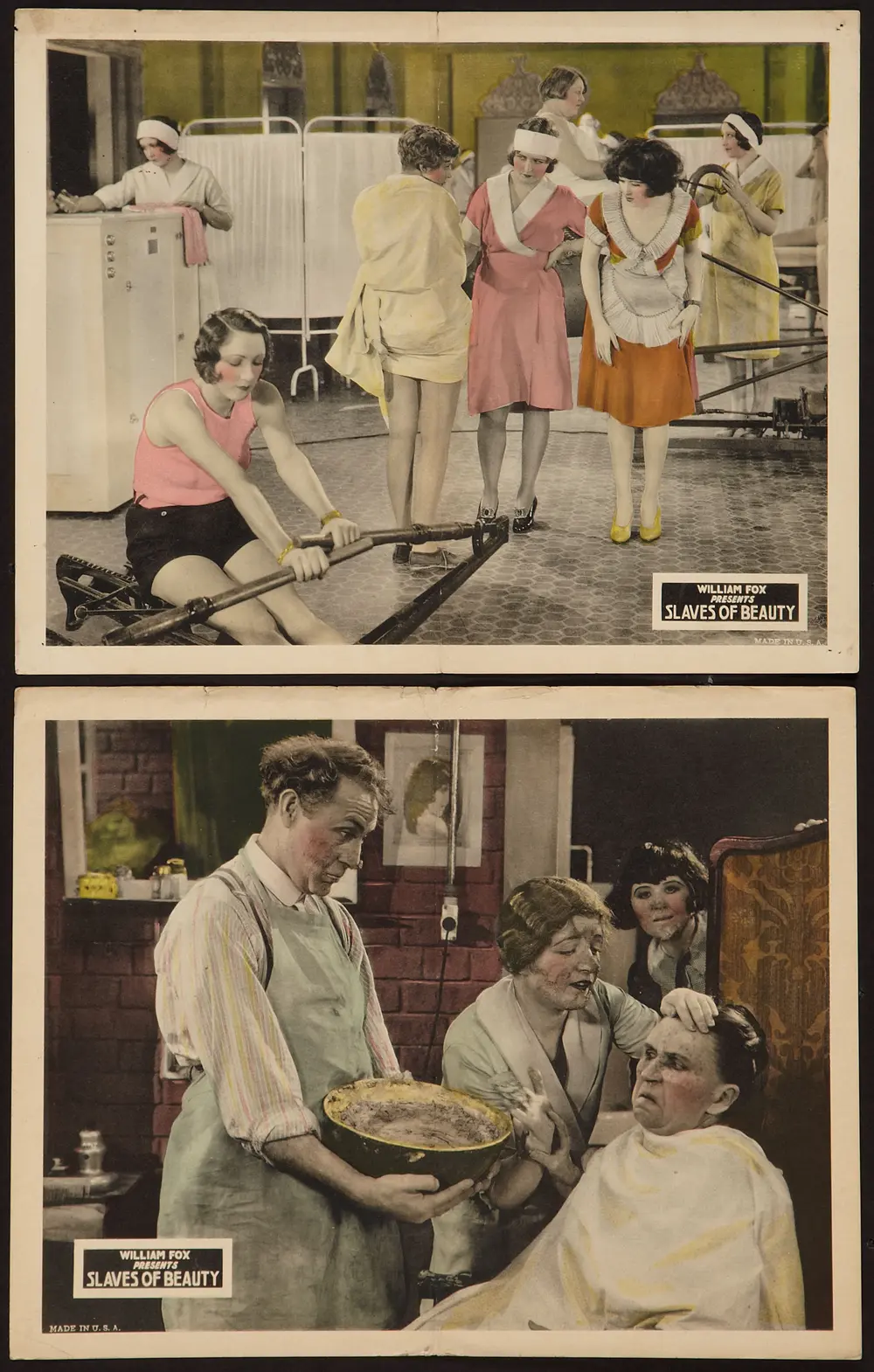
Scene from Slaves of Beauty
Cinematic perspective: Exploring the visual vocabulary of Slaves of Beauty (1927) through its definitive frames.
This film works because: It presents a surprisingly nuanced exploration of marital dissatisfaction and the superficiality of societal beauty standards, anchored by strong, expressive performances typical of its era.
This film fails because: Its pacing can feel sluggish by contemporary standards, and the resolution, while satisfying in a melodramatic sense, leans heavily into moralistic tropes, sacrificing some organic character development.
You should watch it if: You appreciate silent cinema's unique storytelling language, enjoy character-driven dramas with a touch of social commentary, or are curious about how themes of self-reinvention and infidelity were portrayed nearly a century ago.
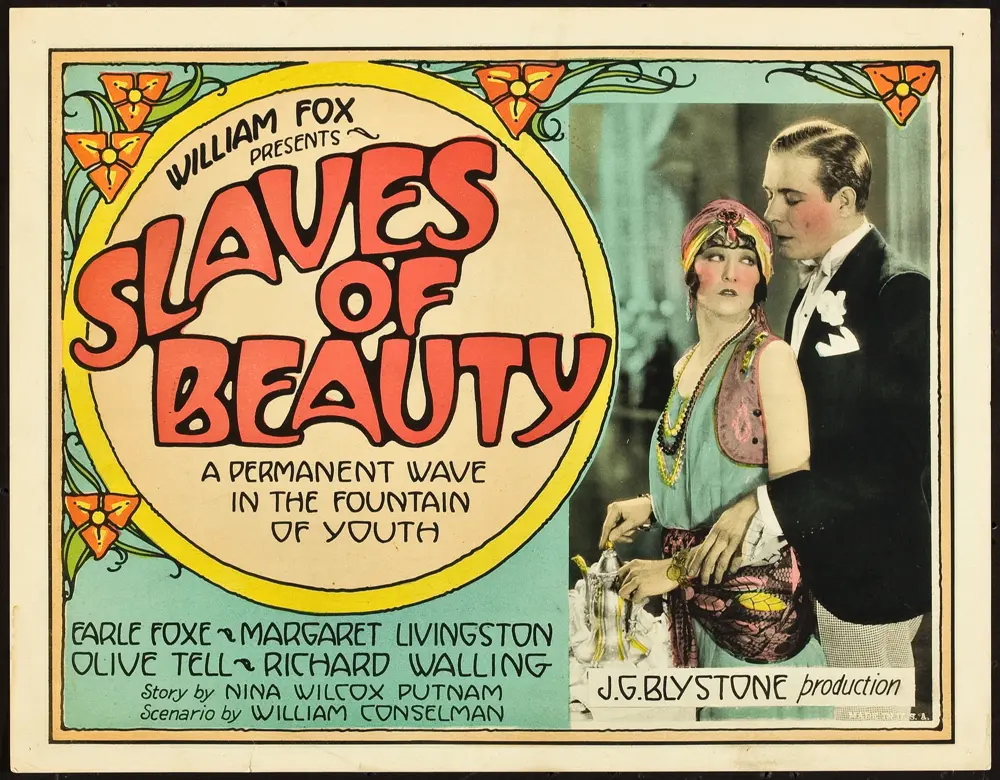
Scene from Slaves of Beauty
Cinematic perspective: Exploring the visual vocabulary of Slaves of Beauty (1927) through its definitive frames.
Revisiting the Roaring Twenties: A Deep Dive into 'Slaves of Beauty'
The 1920s, a decade of flappers, jazz, and burgeoning consumerism, provided a fertile ground for stories exploring societal shifts and personal desires. 'Slaves of Beauty', released in 1927, is a fascinating artifact from this period, a domestic drama that uses the booming beauty industry as its backdrop to dissect themes of marital neglect, infidelity, and personal transformation. It's a film that, at first glance, might appear to be a straightforward melodrama, but upon closer inspection, reveals layers of social critique.
Directed by William M. Conselman, with a screenplay by Nina Wilcox Putnam, James Kevin McGuinness, and William M. Conselman himself, the film attempts to capture the zeitgeist of an era obsessed with appearances. While it doesn't always hit its marks with contemporary precision, its ambition to weave a narrative around the psychological toll of superficiality is commendable. It’s a silent film, meaning its success hinges heavily on visual storytelling and the expressive capabilities of its cast.
The Narrative Thread: A Tale of Transformation and Betrayal
At its core, 'Slaves of Beauty' is the story of Len Jones (Holmes Herbert), an unassuming inventor whose revolutionary beauty clay brings unexpected wealth to his family. This newfound affluence, however, doesn't translate into marital bliss. His wife, Anastasia (Olive Tell), grows weary of Len’s earnest but somewhat unglamorous devotion. She seeks excitement, finding it in the arms of Paul Terry (Richard Walling), the dashing, opportunistic manager of their beauty salon. Terry is a classic 'male vamp' — charming, manipulative, and ultimately, a scoundrel.
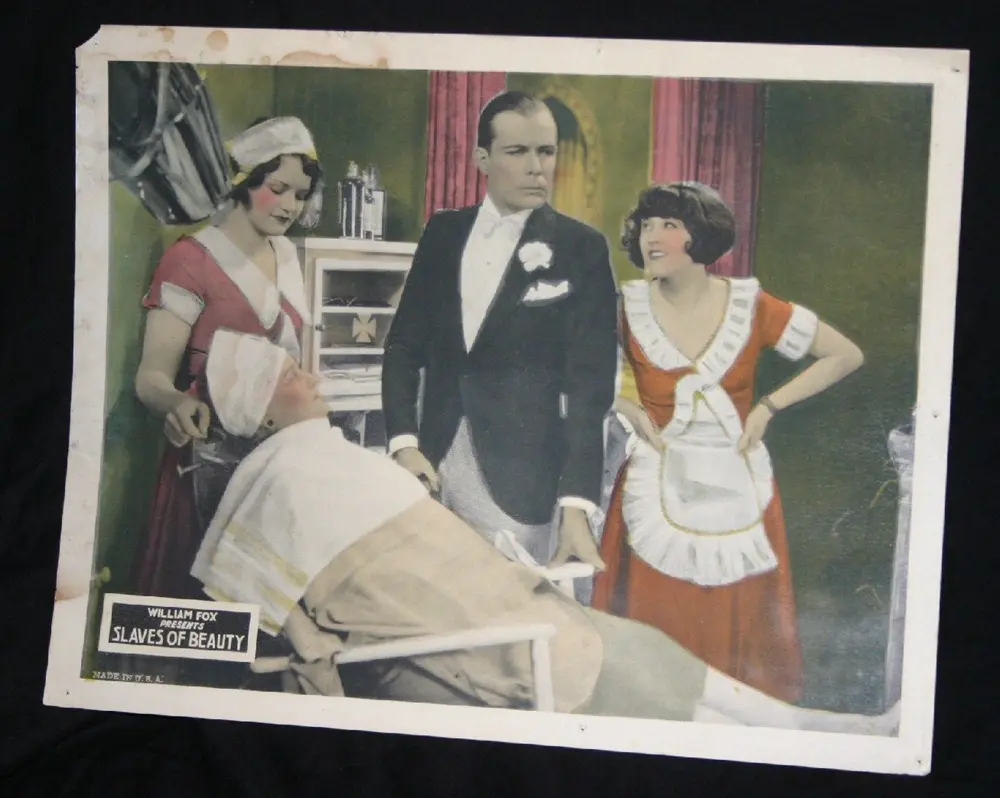
Scene from Slaves of Beauty
Cinematic perspective: Exploring the visual vocabulary of Slaves of Beauty (1927) through its definitive frames.
Anastasia's infatuation leads her to neglect the family business, eventually selling it off, only to discover her husband is the mysterious buyer. This pivotal moment sets the stage for Len’s remarkable metamorphosis. Through a disciplined regimen of diet and exercise, he sheds his former self, emerging as a revitalized, successful entrepreneur. Meanwhile, Anastasia's disillusionment with Terry grows as his true character is revealed, paving the way for a potential, if somewhat forced, reconciliation with her transformed husband.
The plot, while predictable in its broad strokes for a silent-era melodrama, is surprisingly intricate in its execution of Len's revenge and transformation. It avoids painting characters in purely black and white, instead exploring the grey areas of human desire and the often-unforeseen consequences of choices made in the pursuit of happiness or, in Anastasia’s case, perceived happiness.
Performances Under the Spotlight: Silent Stars and Subtle Shifts
The success of any silent film rests heavily on its actors' ability to convey emotion and narrative through gesture, facial expression, and physicality. 'Slaves of Beauty' benefits from a cast that largely understands this imperative, even if some performances verge on the theatrical.
Olive Tell as Anastasia delivers a compelling portrayal of a woman caught between domestic comfort and a craving for excitement.