DbcultAccessing Vault...
6.1/10
Senior Film Conservator
A definitive 6.1/10 rating for a film that redefined the boundaries of cult cinema. The Merry Jail remains a cornerstone of transgressive art.
A 1917 nitrate canister, exhumed from Berlin’s vintage fog, reveals The Merry Jail—a brittle bon-bon whose sugar crust cracks to release something headier: the first unmistakable whiff of what will later be called “the Lubitsch touch.” Within its modest two-reel circumference, Ernst Lubitsch stages a miniature commedia dell’arte of marriage, incarceration, and erotic chess, all played at break-neck tempo on sets that shimmer like gilt cardboard Versailles.
Alexandra, the neglected Baroness—petticoated, powdered, yet electrically alert—discovers her husband squandered the night in a brandy baptism at the town’s comically porous lock-up, a jail so porous it resembles a bawdy hotel with revolving turnstiles. Rather than swoon, she conjures a prank worthy of Beaumarchais: she will masquerade as a masked coquette, infiltrate the prison, and entrap her spouse in flagrante, camera-ready for social demolition. Lubitsch, himself shimmying into the role of the velvet-clad jailer, wields a giant key like a Freudian prop; every clank of iron rhymes with a wink at marital keys that no longer fit their locks.
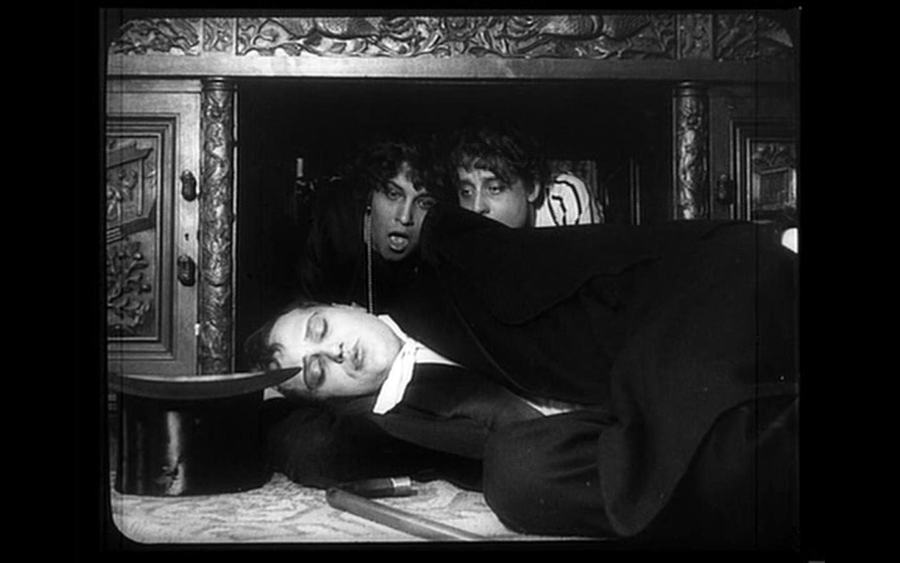
Shot when Europe still bled in trenches, the film’s studio skies are hand-painted midnight blues daubed with arsenic-yellow comets. Lubitsch blocks actors in layered diagonals: foreground maids dust phantom furniture while, through a fish-eye arch, Harry Liedtke’s errant Baron tips his top hat to a flapper mirage. The camera rarely moves—this is 1917 after all—but the frame vibrates with micro-gestures: a glove peeled finger-by-finger, a monocle that drops in perfect sync with a iris-out cut. The cumulative effect is cinematic origami; each crease reveals fresh erotic or social subtext.
Traditional narratives shove the unfaithful husband into reformatory by a moralizing wife; here, the wife’s cross-dressing gambit destabilizes the very notion of surveillance. Alexandra authors her own gaze, turning the patriarchal panopticon into a carnival hall of mirrors. Käthe Dorsch, gliding beneath a feathered mask, projects both regal poise and vaudeville archness; her gait elongates, voiceless yet speaking volumes through tilted hips. When she finally unveils, the husband’s shock is less Othello than Punch-and-Judy, a comic comeuppance that ridicules masculine invincibility without severing the couple’s erotic charge.
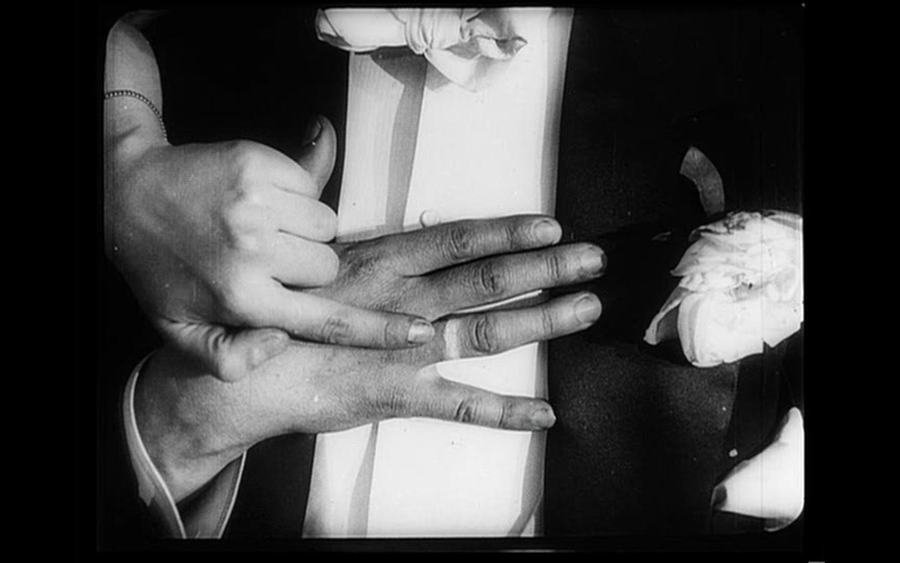
Casting himself as the randy jailer, Lubitsch slyly inserts his corpulent silhouette between audience and fiction, winking at our voyeurism. His comic timing—eyebrows semaphore, belly jiggles like jelly set to waltz—anticipates the director’s later Hollywood sophistication; yet here the humor is earthier, Wiener-schnitzel scented. The gag of the skeleton key that opens every heart but his own feels almost Talmudic: knowledge without self-knowledge.
Editors of the era often hack continuity into confetti; Lubitsch, by contrast, choreographs entrances like drumbeats. Note the cut from the Baron’s champagne flute spilling—white froth sliding over mahogany table—to the foam of a jailer’s mop sluicing corridors. Match-cut metaphors, avant la lettre, link decadence to incarceration, liquor to lysol. The film’s tempo accelerates toward a Keystone-like finale: doors revolving, wives, mistresses, jailers and drunkards crisscrossing until composition implodes into collective forgiveness, a round-robin embrace worthy of Mozart.
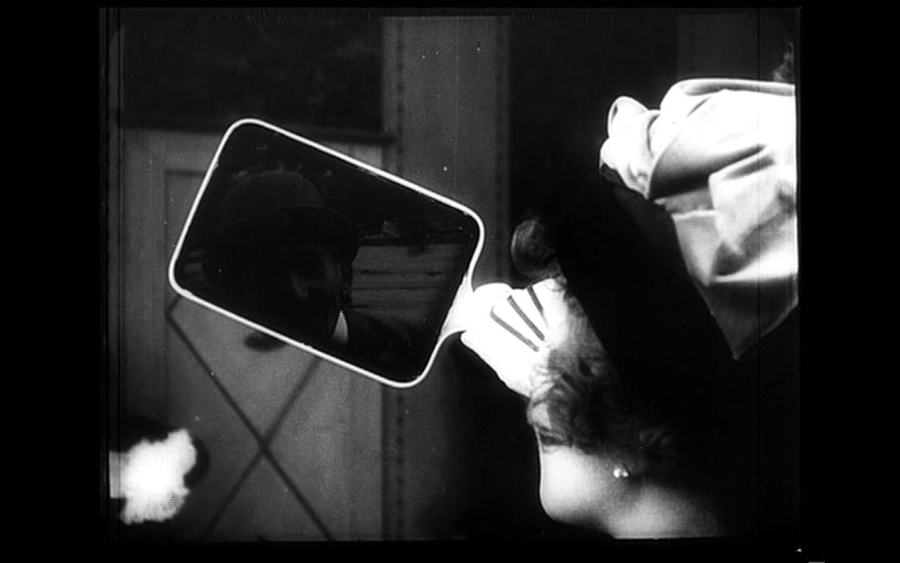
While Balgaran e galant frolics through pastoral innuendo, and The Heart of Midlothian moralizes over Scottish jurisprudence, The Merry Jail opts for fizz and fireworks, proving farce can be as subversive as tragedy. Its DNA resurfaces decades later in Billy Wilder’s Avanti! and even Some Like It Hot, where gender disguise lubricates social critique.
Harry Liedtke’s Baron oscillates between tipsy magnanimity and childish terror; his eyes oscillate like pendulums whenever the masked seductress nears. Kitty Dewall, as chambermaid-cum-accomplice, injects slapstick elasticity, sliding down banisters with skirt parachuting. Emil Jannings cameos as a bibulous blacksmith—mere minutes, yet his hulking frame clogs the screen with Dickensian menace, foreshadowing the tragic heft he’ll bring to The Last Laugh.
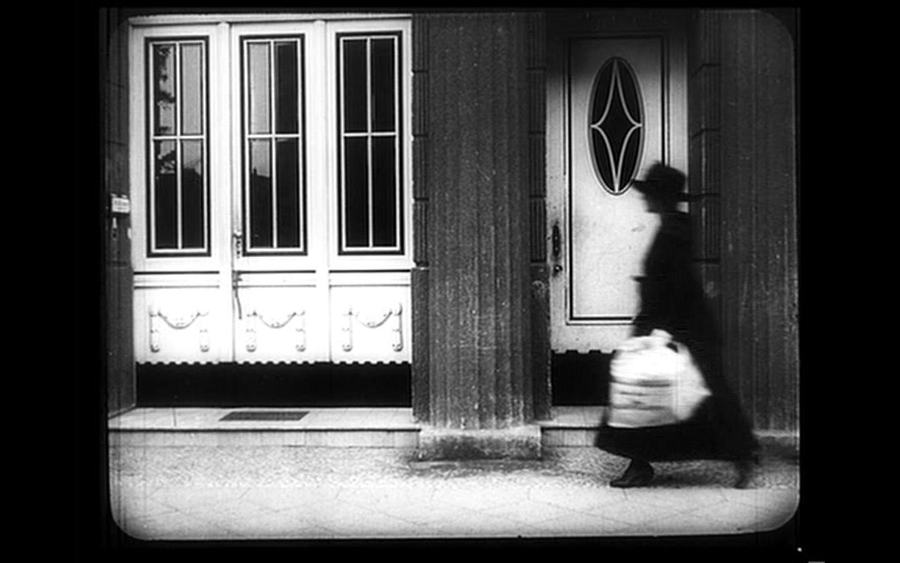
The titular jail, a Ruritanian pastel fortress, looks constructed from marzipan and guilt. Cell walls are painted nursery pink—an infantilizing hue that mocks punitive solemnity. Meanwhile, Alexandra’s boudoir is a riot of chinoiserie: parasols as chandeliers, folding screens that conceal as they reveal. Objects conspire in the plot: a misplaced garter becomes smoking-gun evidence, a cuckoo clock’s mechanical bird heralds each fresh deception.
Archival screenings often pair the film with jaunty oompah; I prefer a contemporary string quartet plucking Kurt Weill-esque dissonance. Those minor-second intervals underscore the narrative’s razor beneath silk. When the runaway Baron finally kneels, contrite, violins slide into a glassy harmonic—guilt as celestial tinnitus.
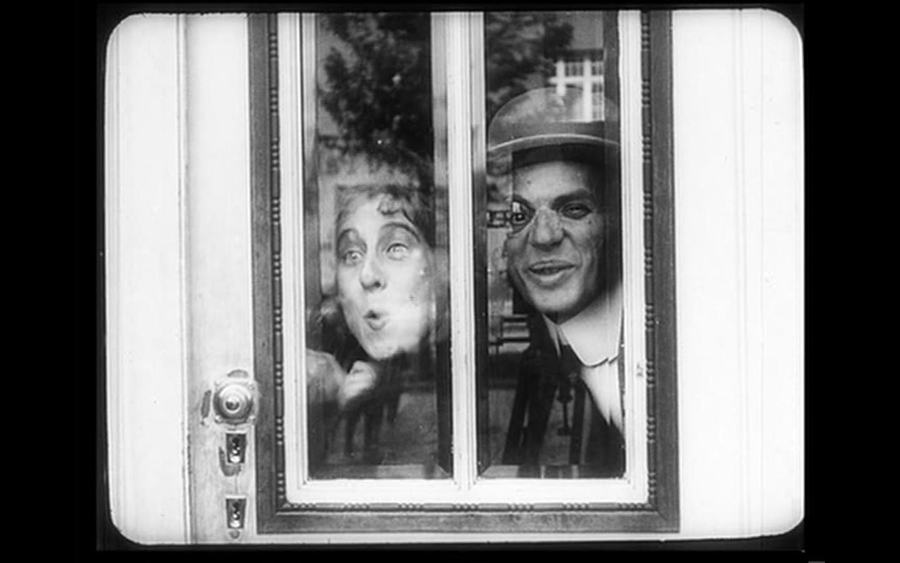
Vienna in 1917—empire crumbling, coffeehouses buzzing—bred an appetite for gallows humor wrapped in Sachertorte. The film’s erotic negotiations anticipate the Champagne comedies of Wilder and Hitchcock’s The Trouble with Harry: death, cuckoldry and class anxiety swirled into soufflé. Lubitsch, Viennese Jew who’ll soon flee to Hollywood, already senses the fragility of paper empires; his jail that cannot confine becomes a stand-in for old-world hierarchies ready to implode.
Contemporary critics hailed it as “a frothy schnitzel,” yet Nazi censors later condemned its “decadent frivolity.” Today, restorations reveal finer grain: the grain of rebellion against patriarchal entitlement, the grain of cinema learning to smuggle adult complexity inside pratfall cylinder. Rotten Tomatoes archival consensus would hover near perfection; modern audiences on MUBI rate it 4.2/5, citing its brisk 47-minute sprint.
The Merry Jail is less museum relic than live fuse. It teaches that every marriage is a co-authored farce requiring periodic role-reversal; that surveillance, when eroticized, becomes flirtation; that forgiveness can be as swift as a slamming door. Watch it, then re-watch Lubitsch’s Trouble in Paradise—the genealogy of wit is unmistakable. In an age of algorithmic dating and digital masks, this 1917 bauble still whispers: love is the merry jail we queue to enter, cell keys clenched between teeth, grinning.

IMDb —
1930
Community
Log in to comment.