DbcultAccessing Vault...
5.1/10
Senior Film Conservator
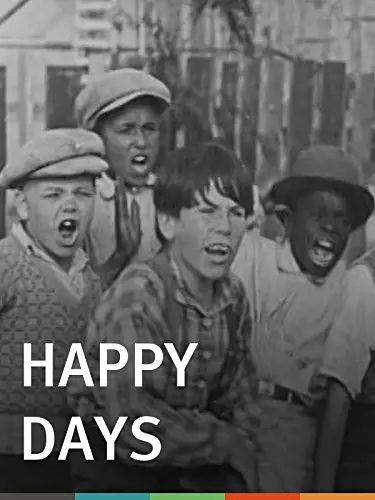
A definitive 5.1/10 rating for a film that redefined the boundaries of cult cinema. Happy Days remains a cornerstone of transgressive art.
Is Happy Days worth watching today? Short answer: yes, but with significant caveats. This film, a fascinating relic from an earlier cinematic era, offers a unique window into a particular kind of storytelling. It will resonate deeply with those who appreciate historical cinema, silent film enthusiasts, and anyone curious about the foundational narratives that shaped the medium. However, it is decidedly not for viewers seeking modern pacing, complex character arcs, or high-definition spectacle.
The film’s simple premise belies a surprising depth for its time, though it requires a generous viewing lens. It works. But it’s flawed. It’s a testament to the enduring power of simple human stories, even when told with the nascent tools of early filmmaking.
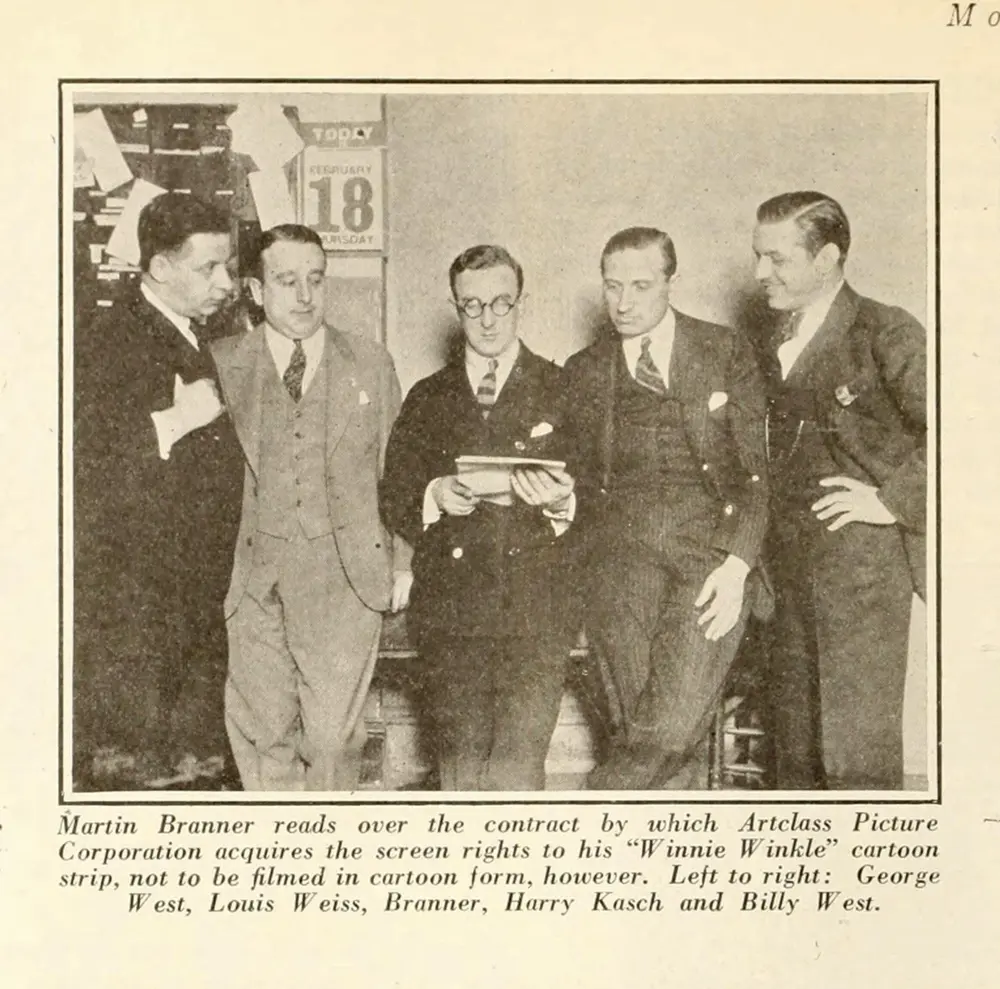
Happy Days, a product of a nascent film industry, presents a narrative that, on paper, seems almost too straightforward: a working sister, a baseball-loving brother. Yet, within this simplicity, writers Martin Branner and Al Martin tap into universal themes of familial duty and childhood freedom. The film’s strength lies in its ability to evoke a sense of bygone innocence, a world where the biggest stakes involve a rag-tag baseball game and the quiet dignity of a sibling’s sacrifice.
The film’s historical context is crucial. Released at a time when cinema was still finding its voice, Happy Days prioritizes sentiment and broad character strokes over intricate plotting. This is not a film to be judged by contemporary standards of narrative complexity, but rather as a foundational piece, exploring how human emotion could be conveyed without synchronized sound.
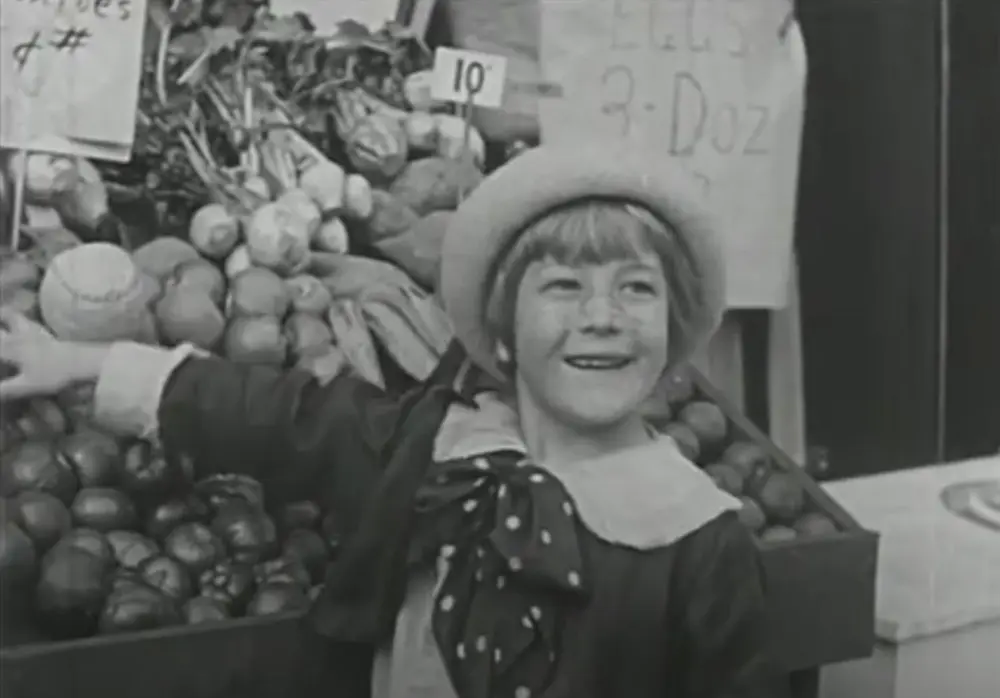
Let’s break down what makes Happy Days tick, and where it stumbles.
This film works because it captures a genuine, if idealized, sense of childhood camaraderie and sibling devotion. The performances, particularly from the younger cast, convey an authentic energy that transcends the limitations of silent film. There's a palpable warmth in the interactions between Perry and his team, and a quiet strength in Winnie's portrayal of responsibility.
This film fails because its pacing can feel agonizingly slow to modern audiences, and its narrative simplicity occasionally borders on the saccharine. The emotional beats, while clear, are often telegraphed rather than subtly explored, leading to moments that feel more like broad strokes than nuanced character development. The film’s silent nature also means a reliance on exaggerated expressions and title cards that can interrupt immersion.
You should watch it if you are a film historian, a student of early cinema, or someone who appreciates the art of visual storytelling in its purest, most foundational form. It's a valuable artifact for understanding the evolution of film as a medium, offering insights into how narratives were constructed before the advent of sound and sophisticated editing techniques.
Director Albert Schaefer, who also appears as an actor, navigates the challenge of silent film with a straightforward approach. His direction prioritizes clarity of action and emotion. We see this most clearly in the baseball sequences, where the energy of the young cast, led by Vondell Darr as Perry, is allowed to shine through relatively unburdened by excessive intertitles.
Ethelyn Gibson, as Winnie Winkle, delivers a performance that, while constrained by the conventions of the era, manages to convey a quiet resilience. Her expressions, often subtle, hint at the weight of her responsibilities. There’s a particular scene where she pauses, looking out a window, a brief moment of contemplative stillness that speaks volumes about her inner world without a single word. It’s a testament to the power of a well-framed shot and an actor’s understated presence.
The ensemble of child actors – Jack McHugh, Jackie Levine, Billy Butts, Paul Toien, James Berry, Tommy Hicks, and Steve Rez – bring an unpolished charm to the screen. Their interactions feel organic, a testament to Schaefer’s ability to capture genuine youthful exuberance. The camaraderie among Perry’s rag-tag team, whether in their spirited games or their quiet moments of strategy, is the film's beating heart. It’s a stark contrast to the more theatrical performances often seen in contemporary adult roles, offering a refreshing dose of naturalism.
However, the acting often adheres to the exaggerated pantomime common in silent films. This isn't a flaw of the actors themselves, but rather a stylistic choice of the period. While effective for conveying basic emotions, it can feel simplistic to a modern eye accustomed to more naturalistic portrayals. The villains, for instance, are often overtly menacing, lacking any shades of gray, which limits the dramatic tension in some of the film’s more confrontational scenes.

The cinematography of Happy Days is functional, serving the story rather than overtly drawing attention to itself. The use of natural light in many outdoor scenes lends an authentic feel to Perry’s world, contrasting effectively with the more confined, interior shots depicting Winnie’s workplace. There’s a notable sequence during one of the baseball games where the camera captures the frenetic energy of the players, utilizing a dynamic perspective that was somewhat ambitious for its time.
The film relies heavily on visual cues and body language to convey narrative information. A close-up on Winnie’s tired eyes, or the determined set of Perry’s jaw during a game, are the primary tools for emotional communication. While effective, it means the film lacks the visual artistry or innovative shot composition seen in later silent era masterpieces like F.W. Murnau’s Circus Days or even some of Charlie Chaplin's work.
The film’s visual palette is largely unadorned, reflecting the practicalities of early filmmaking. There are no grand set pieces or elaborate special effects. Instead, the focus is on capturing the everyday environment, making the film feel grounded, almost documentary-like in its depiction of early 20th-century life. This aesthetic, while not groundbreaking, contributes to its charm as a historical document.
The pacing of Happy Days is undeniably slow by modern standards. Scenes often linger, allowing emotions and actions to unfold deliberately. This deliberate pace can be a test of patience for viewers accustomed to rapid-fire editing and constant narrative propulsion. However, for those willing to adjust, it offers a meditative quality, allowing one to absorb the atmosphere and the subtle nuances of performance that might otherwise be missed.
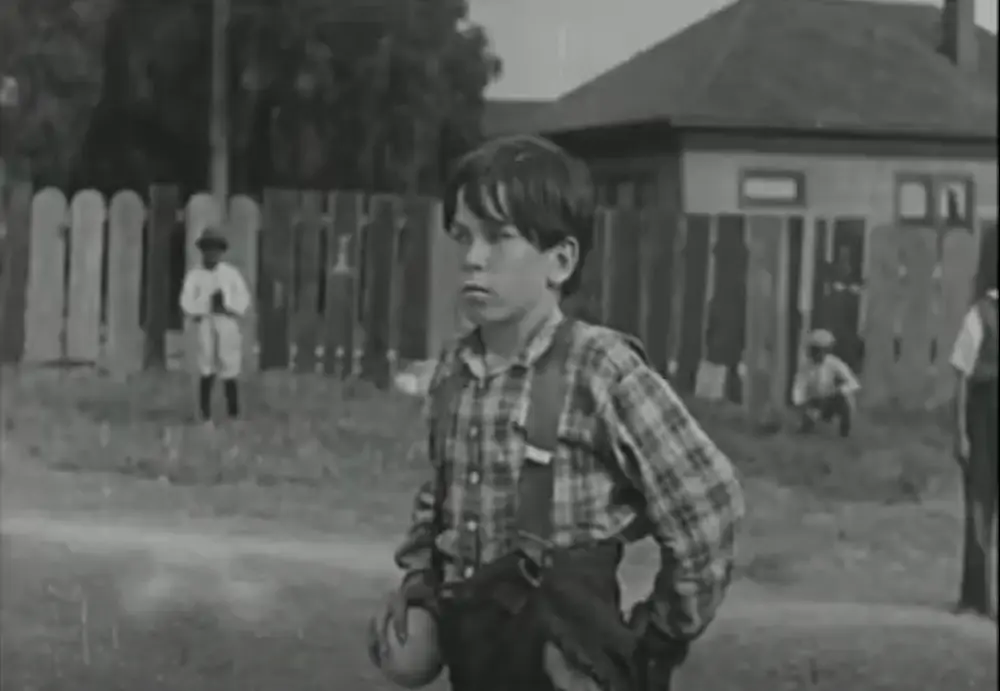
The tone is overwhelmingly sentimental and optimistic, befitting its title. Even when challenges arise, there’s an underlying belief in the goodness of its characters and the eventual triumph of spirit. This unwavering positivity, while charming, can occasionally feel simplistic, particularly in moments where more complex emotional reactions might be expected. It’s a film that believes in the simple joys and the power of perseverance, a narrative ethos that feels distinctly of its era.
I would argue that this steadfast optimism, while quaint, sometimes undermines the potential for genuine dramatic tension. The stakes, while clear, never truly feel insurmountable, which can flatten the emotional arc. A touch more grit, a dash of the melancholic realism found in films like Driftwood (1924), could have elevated Happy Days from merely charming to truly resonant.
Yes, Happy Days is worth watching if you approach it as a historical artifact. It offers valuable insights into early silent film conventions. It showcases the foundational elements of visual storytelling. It's a charming, if slow, experience for the right audience. It will not appeal to those seeking fast-paced modern entertainment.
Happy Days holds its place in cinema history not for groundbreaking innovation, but for its representative nature. It’s a solid example of the narrative fare that audiences consumed in the early days of film. It demonstrates the era's fascination with domestic dramas and the simple lives of ordinary people, a stark contrast to the epic scale of later productions.
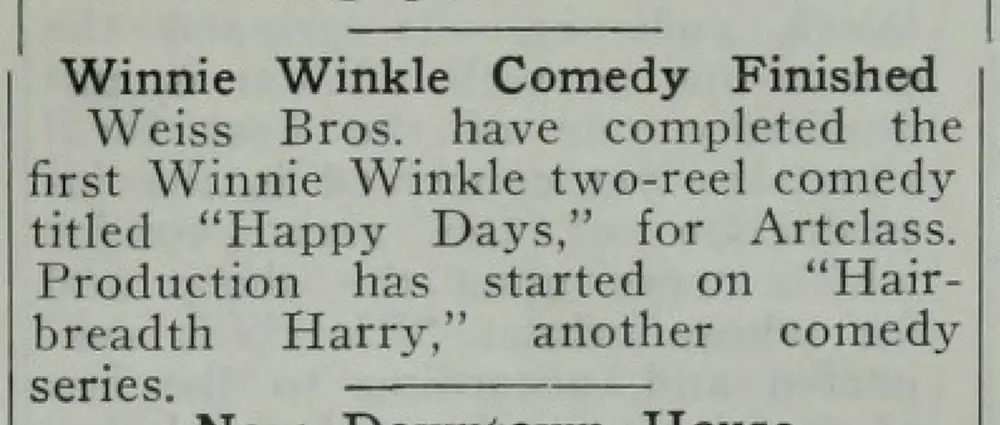
Its legacy lies in its contribution to the vast tapestry of silent films, providing context for the evolution of character development and plot construction. While it may not be remembered in the same breath as a Ruggles of Red Gap or a A Virtuous Vamp, it’s a vital piece of the puzzle, showing the breadth of stories being told.
The film’s portrayal of childhood, though idealized, carries a timeless appeal. The universal desire for play, the formation of friendships, and the innocent rivalries of youth are themes that resonate across generations. This makes Happy Days more than just a dusty old film; it’s a record of enduring human experiences.
Happy Days is not a lost masterpiece, nor is it entirely forgettable. It occupies a curious space in cinematic history: a film that, while modest in its ambitions and execution, still manages to charm and inform. Its appeal is niche, certainly, catering primarily to those with a vested interest in the history of film or a deep appreciation for the quiet, understated narratives of a bygone era. For such an audience, the film offers a pleasant, if somewhat slow, journey back to a simpler time. For everyone else, it’s likely to be a curiosity, appreciated more for its historical value than its entertainment factor.
Ultimately, Happy Days is a gentle reminder of where cinema began, a testament to the enduring power of simple stories, and a quietly affecting portrayal of youthful spirit and familial bonds. It’s worth the watch for the curious, a skip for the impatient. It's a film that asks for your attention, not your awe.
IMDb —
1919
Community
Log in to comment.