DbcultAccessing Vault...
5.8/10
Senior Film Conservator
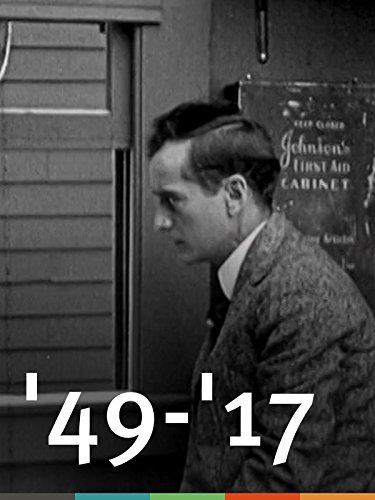
A definitive 5.8/10 rating for a film that redefined the boundaries of cult cinema. '49-'17 remains a cornerstone of transgressive art.
In the annals of silent cinema, certain films emerge not just as historical artifacts but as resonant narratives that speak across generations. '49-'17 is undeniably one such cinematic treasure, a compelling Western drama that transcends its era's conventional tropes. This isn't merely a tale of cowboys and dust; it's a profound exploration of ambition, legacy, and the Sisyphean struggle against the inevitable march of time and decay. The film invites viewers into a world where the past is palpable, a silent witness to grand aspirations and the quiet dignity of a man determined to leave an indelible mark on a forgotten landscape.
At its heart lies the formidable presence of Lon Poff as Judge Horace B. Parker, a man whose life has been defined by the rigid structures of law and order. Poff imbues Parker with a gravitas that is both stern and deeply melancholic, a portrayal that manages to convey profound internal conflict without uttering a single word. His decision to abandon the hallowed halls of jurisprudence for the desolate expanse of the West is not a whimsical retirement but a deliberate, almost spiritual pilgrimage. He seeks not merely to escape, but to atone, to build anew where society has abandoned its foundations. The sheer audacity of his vision – to breathe life back into a ghost town – is the narrative's pulsating core, a testament to the human spirit's capacity for boundless, if occasionally misguided, optimism.
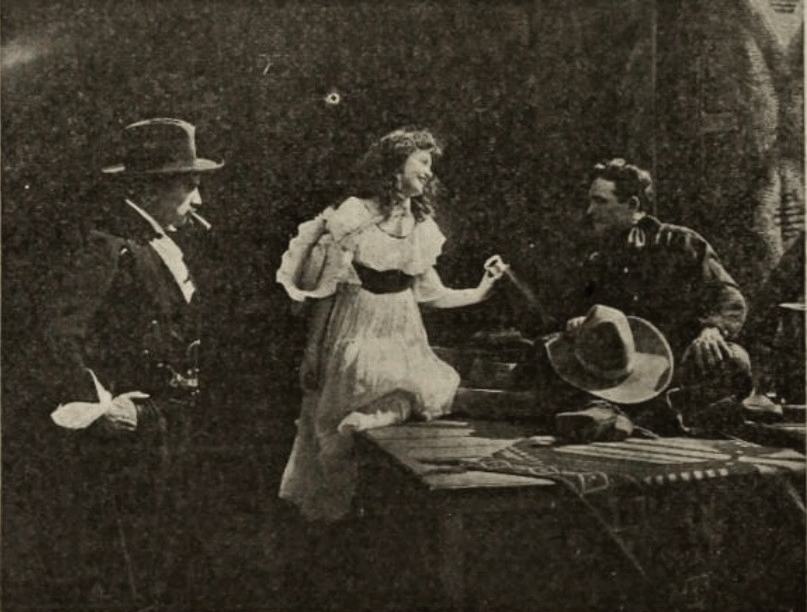
The ghost town itself, identified by the film's title, becomes a character as potent and evocative as any human player. It is a monument to faded dreams, a collection of skeletal structures whispering tales of a bygone gold rush or a forgotten boom. Cinematographically, the film masterfully captures the stark beauty and unforgiving nature of this desolate setting. Wide shots of the barren landscape emphasize the judge's isolation and the daunting scale of his undertaking. The interplay of light and shadow on the decaying buildings creates an atmosphere of haunting nostalgia, a visual elegy to what once was. This setting is far more than a backdrop; it is a crucible in which Parker's resolve is tested, a silent antagonist that constantly threatens to reclaim its dominion over his efforts.
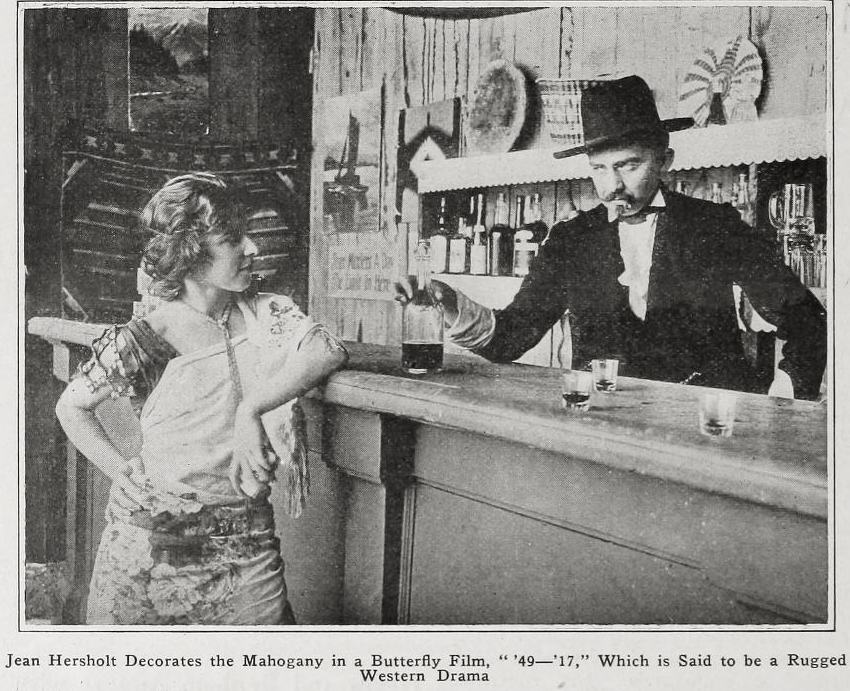
The supporting cast, under the astute guidance of writers Ruth Ann Baldwin and William Wallace Cook, provides invaluable texture to this ambitious narrative. Zasu Pitts, often celebrated for her comedic timing, here demonstrates a nuanced dramatic capability that adds considerable depth. Her presence, whether offering a glimmer of hope or a touch of pragmatic skepticism, grounds the judge's lofty ideals in human reality. Jean Hersholt, a prolific character actor of the era, also delivers a memorable performance, contributing to the rich tapestry of individuals drawn into Parker’s orbit. Their interactions, though expressed through the conventions of silent film acting – exaggerated gestures, expressive facial work – never descend into caricature, maintaining a genuine emotional resonance.

Merrill McCormick, Leo Pierson, Donna Drew, William Dyer, Mattie Witting, Phyllis Haver, Joseph W. Girard, George C. Pearce, and Bud Osborne each contribute to the bustling, if often challenging, community that begins to coalesce around Parker’s project. From the grizzled prospector to the skeptical townsperson, each character serves a vital function, illustrating the diverse motivations and perspectives inherent in any pioneering endeavor. The film meticulously builds a sense of communal effort and conflict, showcasing how a shared vision, even one born of one man's singular obsession, can ignite the dormant spirits of others. The subtle nuances in their performances, often conveyed through expressive glances or a weary slump of the shoulders, paint a vivid picture of frontier life.
Thematically, '49-'17 is remarkably rich. It grapples with the concept of redemption, not just for the judge, but for a land that has been exploited and abandoned. It questions the very definition of progress: is it always forward, or can it involve a return to foundational principles, a rebuilding from the ground up? The film subtly critiques the transient nature of human ambition, particularly in the context of the American West, where booms inevitably lead to busts. Yet, it also celebrates the enduring human capacity for perseverance, the stubborn refusal to surrender to desolation. This struggle is reminiscent of the arduous journeys depicted in films like Sealed Valley, where characters also contend with the vast, indifferent wilderness, though '49-'17 adds a unique layer of intentional reconstruction.
Director Ruth Ann Baldwin, working from a screenplay by Baldwin and William Wallace Cook, orchestrates this intricate narrative with a keen eye for visual storytelling. The pacing is deliberate, allowing the audience to absorb the emotional weight of each scene. The use of intertitles is judicious, providing necessary exposition without disrupting the visual flow. The cinematography, while constrained by the technology of the era, is often breathtaking, capturing the epic sweep of the Western landscape and the intimate struggles of its characters. One can almost feel the dust, taste the dry air, and hear the creaking of old timbers, a testament to the film's immersive qualities. This visual artistry elevates the film beyond a simple narrative, transforming it into a meditative experience.
Comparing '49-'17 to other films of its time reveals its distinctiveness. While many Westerns focused on adventure and conflict, '49-'17 delves deeper into the psychological and philosophical underpinnings of frontier life. It shares a certain dramatic intensity with films such as The Fight, but its focus is less on physical combat and more on the internal battle against despair and the external struggle against decay. The sheer scale of the undertaking, the monumental effort required to transform a wasteland, also brings to mind the resilience explored in Aftermath, though '49-'17 offers a more proactive, hopeful vision of rebuilding rather than simply enduring. It's a testament to the nuanced storytelling capabilities of the silent era that such complex themes could be so effectively conveyed.
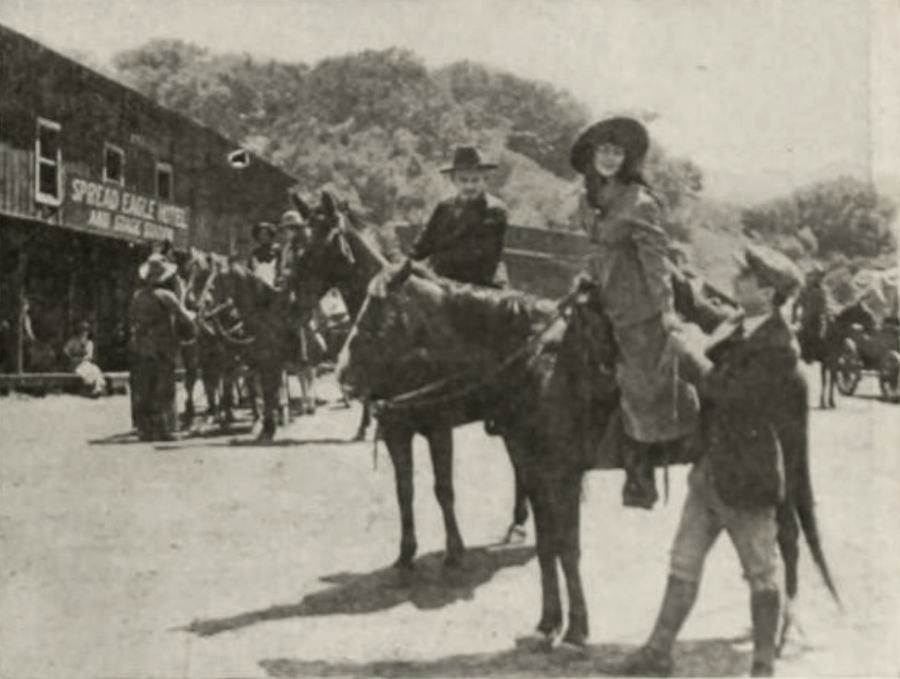
The film also stands as a fascinating document of early Hollywood's production capabilities. The meticulous detail in the set design, depicting both the dilapidated state of the ghost town and its gradual transformation, is commendable. The costumes, though simple, are authentic, further immersing the viewer in the period. The subtle interplay of character dynamics, particularly between the determined judge and the various individuals who join or oppose his cause, highlights the sophisticated narrative techniques that were being developed during this formative period of cinema. It's a reminder that even without spoken dialogue, powerful stories could be told with immense emotional impact. The enduring appeal of such films underscores the universal nature of human ambition and the eternal allure of the frontier.
The enduring appeal of '49-'17 lies in its timeless message. It speaks to the human desire to create, to leave a legacy, and to find purpose even when confronted with overwhelming odds. Lon Poff's portrayal of Judge Parker is a masterclass in understated acting, conveying a wealth of emotion through subtle gestures and piercing gazes. The film's exploration of themes like perseverance, community, and the fragility of human enterprise against the backdrop of an indifferent natural world remains deeply relevant. It is a cinematic experience that encourages introspection, prompting viewers to consider their own contributions to the world around them, and the meaning of constructing something lasting in the face of inevitable entropy.
Ultimately, '49-'17 is more than just a silent Western; it is a meditation on the human condition itself. It questions whether true justice lies in condemnation or in restoration, in tearing down or in building up. The film's conclusion, without giving away specifics, resonates with a quiet power, suggesting that while the grandest ambitions may face formidable resistance, the act of striving, of aspiring to something greater, is its own profound reward. It's a film that deserves to be rediscovered, studied, and celebrated for its artistic merit and its enduring philosophical depth, offering a unique window into the creative spirit of early 20th-century filmmaking. Its legacy is not just in its historical significance, but in its ability to continually provoke thought and stir the soul, long after its initial release.
IMDb —
1919
Community
Log in to comment.