DbcultAccessing Vault...
6.8/10
Senior Film Conservator
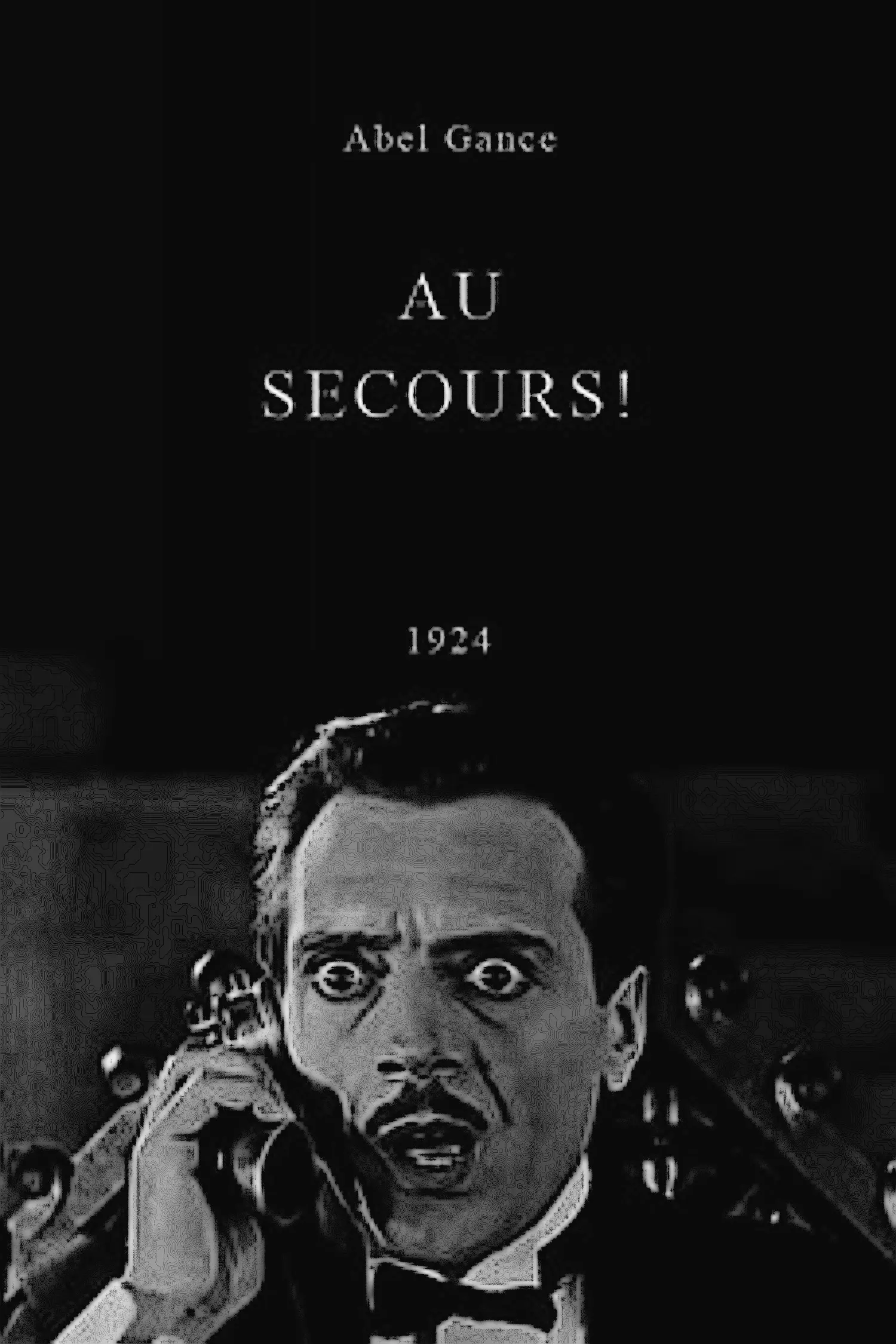
A definitive 6.8/10 rating for a film that redefined the boundaries of cult cinema. Help! remains a cornerstone of transgressive art.
The year 1924 stands as a monumental pillar in the architecture of cinematic history, yet few artifacts from that era possess the sheer, unadulterated eccentricity of Help! (originally titled Au Secours!). This film represents a singular intersection where the sophisticated, top-hatted comedy of Max Linder collided with the feverish, experimental visual language of Abel Gance. To watch it now is to witness a medium in the throes of a violent evolution, shedding its theatrical skin to embrace a purely rhythmic, almost hallucinatory form of storytelling.
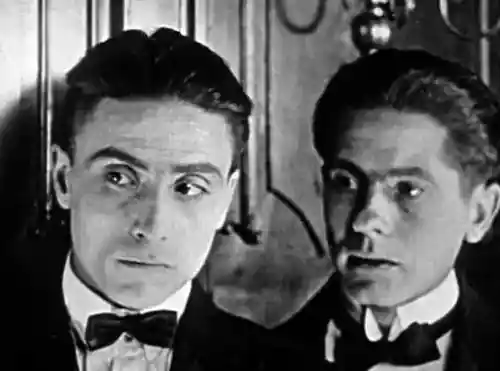
The narrative architecture is deceptively minimalist. Max, portrayed with the usual effervescent charm by Linder, is a man whose life is defined by the effortless mastery of his surroundings. Much like the protagonists in A Pair of Sixes, Max is driven by the hubris of the wager. He bets that he can endure an hour in a haunted castle without succumbing to the primal urge to cry for assistance. It is a classic setup, yet under Gance’s direction, the castle ceases to be a mere setting and becomes a malevolent organism. Unlike the structured mystery found in Fantomas - On the Stroke of Nine, where the clock serves a narrative function of suspense, here the ticking of the clock is a psychological cudgel.
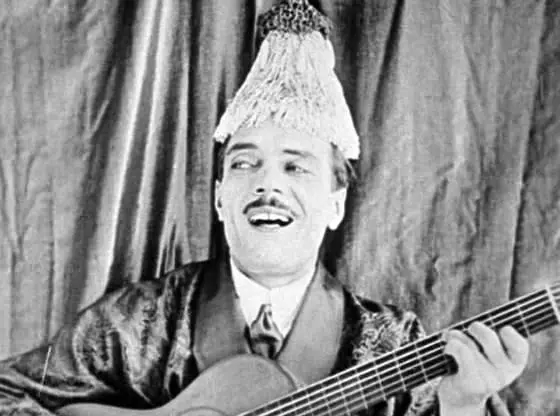
Linder’s performance is a masterclass in the erosion of dignity. We begin with the Max we know—the man of the world, unbothered and suave. But as the castle begins to exert its distorted will upon him, his movements become jagged, his iconic mustache drooping under the weight of existential dread. This isn't just the physical comedy of Call a Taxi; it is something far more nihilistic. There is a sense that Max is not just fighting ghosts, but fighting the very frame of the film itself.
Abel Gance, fresh from the technical triumphs of La Roue and preparing for the epic scale of something like Michael Strogoff (which he would later influence), brought a toolkit of visual trickery that was decades ahead of its time. In Help!, he utilizes anamorphic lenses to stretch the reality of the castle. Walls warp, shadows lengthen with an impossible geometry, and the editing becomes a staccato assault on the viewer’s equilibrium. It is a stark contrast to the more traditional, static framing seen in contemporary works like Her Moment or the straightforward melodrama of What Love Will Do.
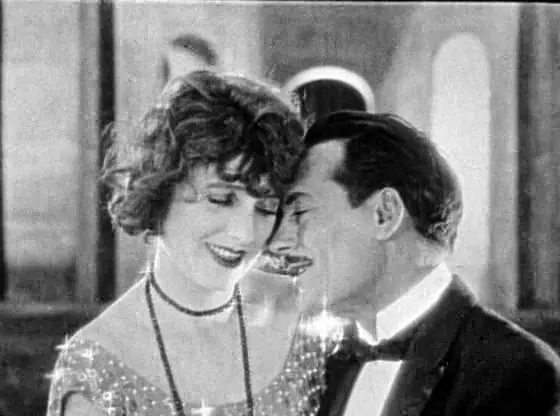
The apparitions Max encounters are not the clanking-chain ghosts of Victorian lore. They are surrealist nightmares: a giant hand, distorted faces, and a sense of spatial impossibility. This film flirts with the same uncanny energy found in The Fortune Teller, but where that film relies on superstition, Help! relies on the visceral impact of the image. Gance was experimenting with the idea that cinema could replicate the internal state of a panic attack.
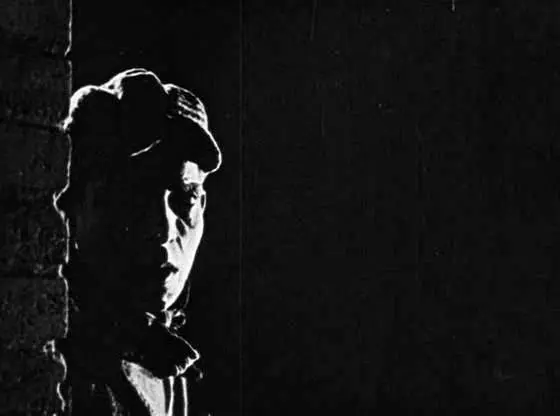
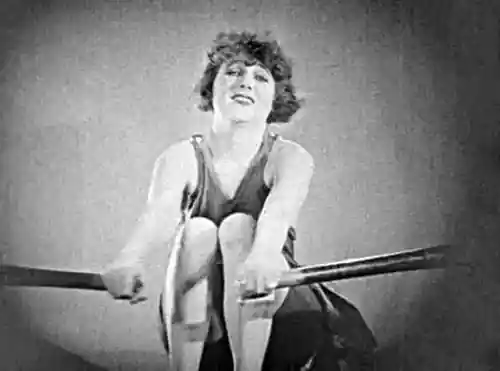
While the film is undeniably a vehicle for Linder, the supporting cast provides the necessary friction. Gina Palerme brings a grounded elegance that contrasts sharply with the spiraling insanity of the castle scenes. Gaston Modot and Jean Toulout act as the architects of Max's torment, their presence looming over the wager like the conspirators in Beatrice Fairfax Episode 9: Outside the Law. They represent the 'civilized' world that has discarded Max into this Gothic meat-grinder.
The film’s pacing is relentless. Unlike the sprawling narratives of Armenia, the Cradle of Humanity under the Shadow of Mount Ararat, which seeks to document a vast historical tragedy, Help! is intensely claustrophobic. It is a chamber piece that feels as though it might explode. Even the lighter moments, reminiscent of June Madness, are tinged with a desperate edge. You never quite forget that Max’s sanity is the currency being traded.
The climax of the film is where the true genius of the Linder-Gance collaboration reveals itself. Max is on the cusp of victory. He has endured the unendurable. He has stared into the distorted abyss and remained silent. Then, the telephone rings. In a world of spectral horrors, it is the most mundane device—the telephone—that delivers the killing blow. The news he receives is so startling, so profoundly personal, that the wager becomes irrelevant. He screams for help, not because of the ghosts, but because of the reality he had momentarily escaped. This twist elevates the film from a mere genre exercise to a poignant commentary on the futility of bravado.
In the broader context of 1920s cinema, Help! is an outlier. It lacks the pastoral simplicity of Bull Arizona - The Legacy of the Prairie or the rugged individualism of Pure Grit. It doesn't possess the playful innocence of Don't Call Me Little Girl or the frantic mechanical comedy of Monty Works the Wires. Instead, it occupies a dark, shimmering space between the slapstick of the past and the psychological horror of the future. It is as chaotic and unpredictable as Le peripezie dell'emulo di Fortunello e compagni, but with a much sharper, more cynical edge.
Help! is a fever dream captured on celluloid. It is a testament to Max Linder’s versatility and Abel Gance’s restless imagination. For the modern viewer, it serves as a reminder that the silent era was not merely a stepping stone to sound, but a period of radical experimentation that frequently reached heights of visual sophistication we still struggle to emulate today. It is dark, it is hilarious, and it is deeply unsettling. If you have any interest in the roots of horror or the evolution of cinematic comedy, this film is not just recommended; it is essential viewing. The shadows of the castle are waiting, and Max Linder is ready to lead you into the dark—just don't expect him to stay quiet when the phone starts ringing.
Review by the Cinephile's Journal • 1924 Retrospective Series
IMDb —
1916
Community
Log in to comment.