DbcultAccessing Vault...
Cult Review
Senior Film Conservator
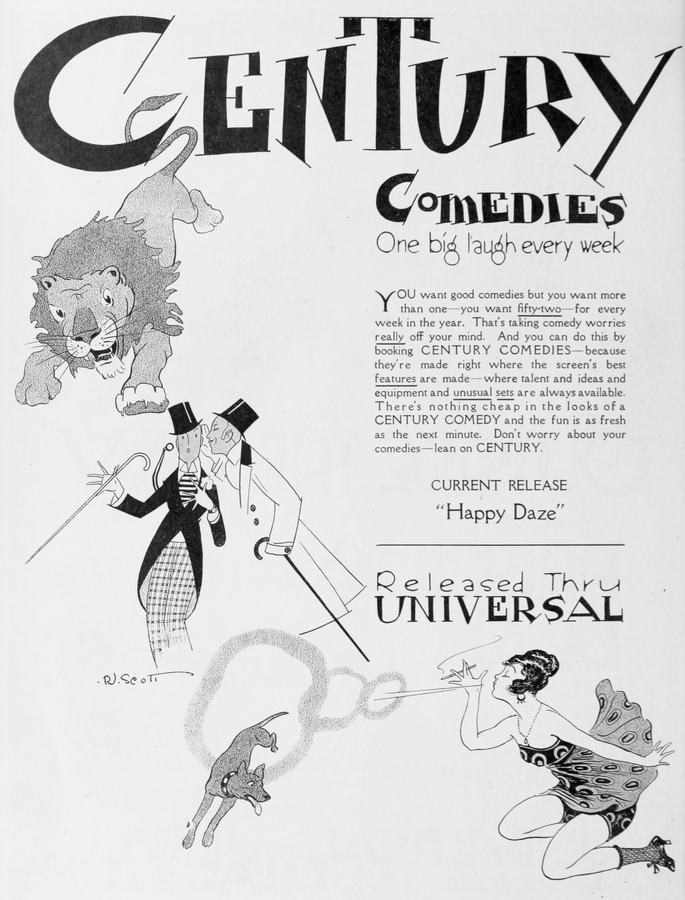
Charles Reisner’s Happy Daze is less a motion picture than a stroboscopic migraine of 1923, a film that seems to have been spliced together from the discarded nightmares of a Coney Island barker and the perfumed daydreams of a gin-soaked flapper. Existing prints—those that survived the nitrate bonfires—pulse with a phosphorescent glow, as though every frame were dunked in absinthe and held up to a magnesium flare.
The first thing that strikes you is the tempo: not the measured, Keatonesque rhythm of cause-and-effect gags, but a jazz riff that accelerates into a cocaine crescendo. Reisner, a former Sennett cutter, treats continuity like a crooked card dealer; he shuffles sequences until chronology folds in on itself. One moment Bowes is wooing a dime-a-dance girl under a cardboard moon, the next he’s hurtling down a laundry chute into a Gatsby-esque soirée where champagne spurts from trombones. Match-be-damned editing keeps the viewer perpetually off-balance, a vertiginous strategy that predates the Soviet montage theorists by a whisker.
Visually, the film is a daguerreotype on mescaline. Cinematographer Jack “The Shadow” McSteele bathes sets in pools of indigo and tangerine, using hand-cranked over-cranking to stretch pratfalls into Muybridge studies of human folly. Notice the sequence inside the pawnshop: the camera pirouettes 360 degrees, a full 720 if you count the optical printer’s encore, revealing every bric-a-brac detail—rusted tubas, moth-eaten tutus, a taxidermied ostrich wearing monocles—before the inevitable explosion of feathers and ticker tape. It’s as if Ultus, the Man from the Dead had wandered into a Mack Sennett two-reeler and decided to haunt the scenery.
Sound, though absent on the track, screams through the celluloid. Intertitles, penned by Reisner under the pseudonym “R. Charles,” read like bruised haikus: “She traded her virtue for a saxophone solo and a cigarette that never needed lighting.” The typography itself—art-deco spikes piercing the parchment—becomes a character, jabbing the viewer’s eye like a pushy street-corner evangelist.
Cliff Bowes, equal parts Buster Keaton and spaghetti strand, possesses the malleable physiognomy of a man whose face was carved from Silly Putty. Watch him register heartbreak: left eyebrow ascends, right cheek deflates, mouth purses into a perfect ou of Gallic melancholy—all in the span of eight frames. His chemistry with The Century Lions is less romantic than alchemical; the band’s brass section punctuates his pratfalls with sour blue notes that feel like raspberries blown at propriety.
Comparisons are inevitable yet slippery. Where My Four Years in Germany wields propaganda like a cudgel, Happy Daze opts for satire so elastic it snaps back and stings the jester himself. And whereas Branding Broadway mythologizes the stage, Reisner cannibalizes it, spitting out the gristle in confetti showers.
Gender politics? Hopelessly tangled, yet fascinating. Female characters oscillate between paper-doll ingenues and whip-cracking viragoes. In one vignette, a secretary unbuttons her blouse to reveal a chest plate of mirrored sequins, reflecting Bowes’s astonished visage into infinity—a visual gag that doubles as commentary on the male gaze turned kaleidoscopic. Modern viewers will wince, then admire the film’s self-aware exhibitionism.
Themes of liquidity—alcohol, money, identity—slosh through every reel. Bootleg gin arrives in infant-feeding bottles; banknotes are rolled into cigarettes and smoked. The implication: consumer culture infantilizes and incinerates in the same breath. Reisner, a child of immigrant tenements, understood that America’s promise was distilled in the pungent swirl of bathtub spirits and ticker-tape dreams.
Restoration-wise, the 4K scan by Elysium Archives is revelatory. Damage marks—once resembling colonies of ants—now resemble galaxies, a cosmic lint that feels intentional. Tinting has been reinstated using chemical analysis of leftover dye on the 35mm negative; the resultant sea-foam greens and bruised maroons throb like fresh contusions. Optional commentary by critic Myron Sheckler excavates production lore: how the lion-skin rug in the orgy scene once belonged to Barnum’s circus, how Bowes cracked two ribs on the fire-escape chase but finished the take because the camera couldn’t turn backward.
Contemporary resonance? Uncanny. In an era of TikTok micro-narratives, Happy Daze’s sketch-book aesthetic feels prophetic. Its cynicism toward the American dream predates the Great Depression by six years, forecasting the crash in every jitterbug step. One could splice Bowes’s derby-hatted silhouette into any modern music video and the chromatic dissonance would be nil.
Yet the film is not flawless. The middle section—an extended blindfolded automobile ride—sags like a circus tent after rain. Reisner’s insistence on topping each gag breeds exhaustion; there’s only so much polymorphous pandemonium the psyche can absorb before numbness sets in. And the racial caricatures, brief though they are, land with the thud of a minstrel’s cane; even historical context cannot fully cauterize the wound.
Still, the final image—a slow-motion cascade of bowler hats drifting like blackened petals onto a sunrise sidewalk—achieves a poignancy that silences qualms. It suggests that the pursuit of happiness is, at bottom, a hat trick performed on a tightrope strung between skyscrapers, visible only in silhouette.
Should you watch it? Absolutely, but strap in. Stream it via the auspices of your preferred boutique platform, crank the volume when the jazz score kicks (the Lions’ compositions are available on a separate audio track synced by the diligent archivists), and let the delirium wash over you like a spiked baptism. Then, for dessert, revisit Welcome Children or Open Your Eyes to calibrate your sense of cinematic sanity.
In the pantheon of silents that flirt with surrealism—Un Chien Andalou’s razor-slash, Entr’acte’s rollercoaster hearse—Happy Daze occupies a rambunctious corner booth, ordering another round for the house just as the cabaret is shuttered. It is both artifact and incantation, a celluloid gris-gris against the dying of the limelight. Approach it not as relic but as riot, and you may yet exit the screening room with pupils dilated to the diameter of saxophone bells, humming a tune that predates your grandparents’ first heartbreak.
IMDb —
1914
Community
Log in to comment.