DbcultAccessing Vault...
Cult Review
Senior Film Conservator
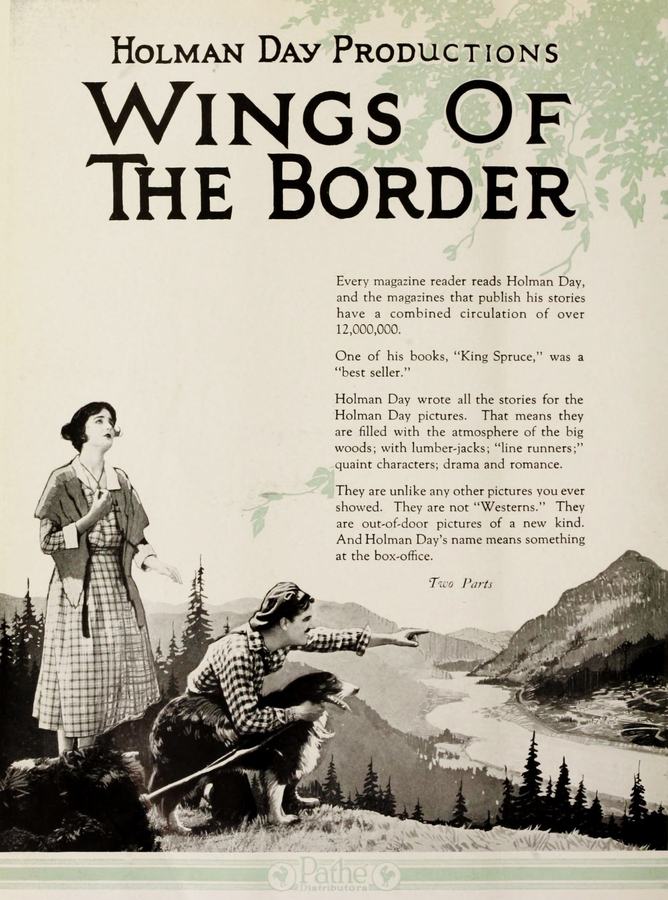
The early twentieth century, a period often romanticized for its burgeoning industrial might and cultural shifts, also bore witness to profound societal tensions, nowhere more acutely felt than in the contested peripheries of burgeoning nations. It is within this crucible of ambition and vulnerability that 'Wings of the Border' (1916), a compelling silent drama penned by Holman Francis Day, finds its narrative anchor. This cinematic artifact, featuring the nascent talents of Mary Astor and the steady presence of Bradley Barker, delves into a deeply human struggle for dominion and dignity, echoing themes that, remarkably, reverberate with an unsettling familiarity even today. It’s a stark reminder that the battle for land, for identity, and for justice, is a timeless one, often played out on the grand stage of human avarice versus inherent right.
At its core, 'Wings of the Border' paints a vivid picture of exploitation, set against the rugged backdrop of Maine's borderlands. Here, a shadowy cabal of unscrupulous individuals, metaphorically dubbed 'land sharks,' systematically targets a tract of land whose ownership is ambiguous, a legal grey area ripe for exploitation. These opportunists, driven by an insatiable hunger for profit, cunningly manipulate legal loopholes and leverage the ignorance of the local, often indigenous, populace. They orchestrate a campaign of dispossession, stripping the rightful occupants of their heritage through a combination of deceitful contracts and outright intimidation. The film meticulously illustrates the insidious nature of such predatory practices, showcasing how the powerful can easily subjugate the marginalized when legal protections are murky or unenforced.
The narrative gains its moral compass with the intervention of the Governor of Maine, portrayed with a gravitas befitting his office by Bradley Barker. His character embodies the state's conscience, refusing to turn a blind eye to the injustices unfolding under his jurisdiction. He embarks on a meticulous investigation, a bureaucratic odyssey through land deeds, historical claims, and local testimonies, determined to ascertain the true ownership of the disputed territory. This gubernatorial quest isn't merely a procedural exercise; it’s a principled stand against corruption, a pursuit of fundamental fairness. The climax of this investigation is the discovery of a young woman, played by the luminous Mary Astor, who is revealed to be the legitimate heir to the contested property. Her emergence fundamentally shifts the power dynamics, injecting a potent dose of hope and righteous indignation into a situation previously dominated by despair. This narrative arc, from exploitation to eventual revelation, serves as a powerful testament to the enduring belief in justice, however delayed or hard-won.
Mary Astor, in one of her earlier screen appearances, delivers a performance that belies her relative inexperience at the time. As the rightful heir, she imbues her character with a quiet resilience and an understated dignity that captivates. In the silent era, an actor's ability to convey complex emotions through gesture, facial expression, and body language was paramount. Astor excels here, her expressive eyes and subtle movements communicating vulnerability, determination, and ultimately, a nascent strength as her character comprehends the magnitude of her inheritance and the injustice she has suffered. It’s a portrayal that hints at the formidable talent she would hone throughout her illustrious career, a talent that would later grace films like 'The Maltese Falcon' with indelible force. Her presence is a beacon of innocence targeted by the cynical machinations around her, making her eventual triumph all the more satisfying. Her character’s journey from an unassuming 'pretty girl' to a symbol of righteous claim is a testament to the power of silent acting to convey profound internal shifts without uttering a single word.
Bradley Barker, as the Governor of Maine, provides a necessary anchor of authority and moral rectitude. His portrayal is one of thoughtful deliberation and unwavering resolve. He avoids the pitfalls of melodramatic overacting, opting instead for a measured, dignified approach that lends credibility to his character’s mission. The governor is not a flamboyant hero, but a pragmatic leader committed to upholding the law and protecting his constituents. This grounded performance is crucial, as it provides a realistic counterpoint to the more overt villainy of the 'land sharks' and the plight of the exploited natives. The supporting cast, including H. Price Webber and Holman Francis Day himself (who also wrote the film), fills out the landscape of characters with varying degrees of menace, desperation, and complicity. While their roles might be less nuanced than the leads, they effectively contribute to the film's moral tapestry, painting a comprehensive picture of a community caught in the throes of a land dispute. The collective performances, though constrained by the technical limitations of the era, manage to evoke a genuine sense of human drama and ethical struggle.
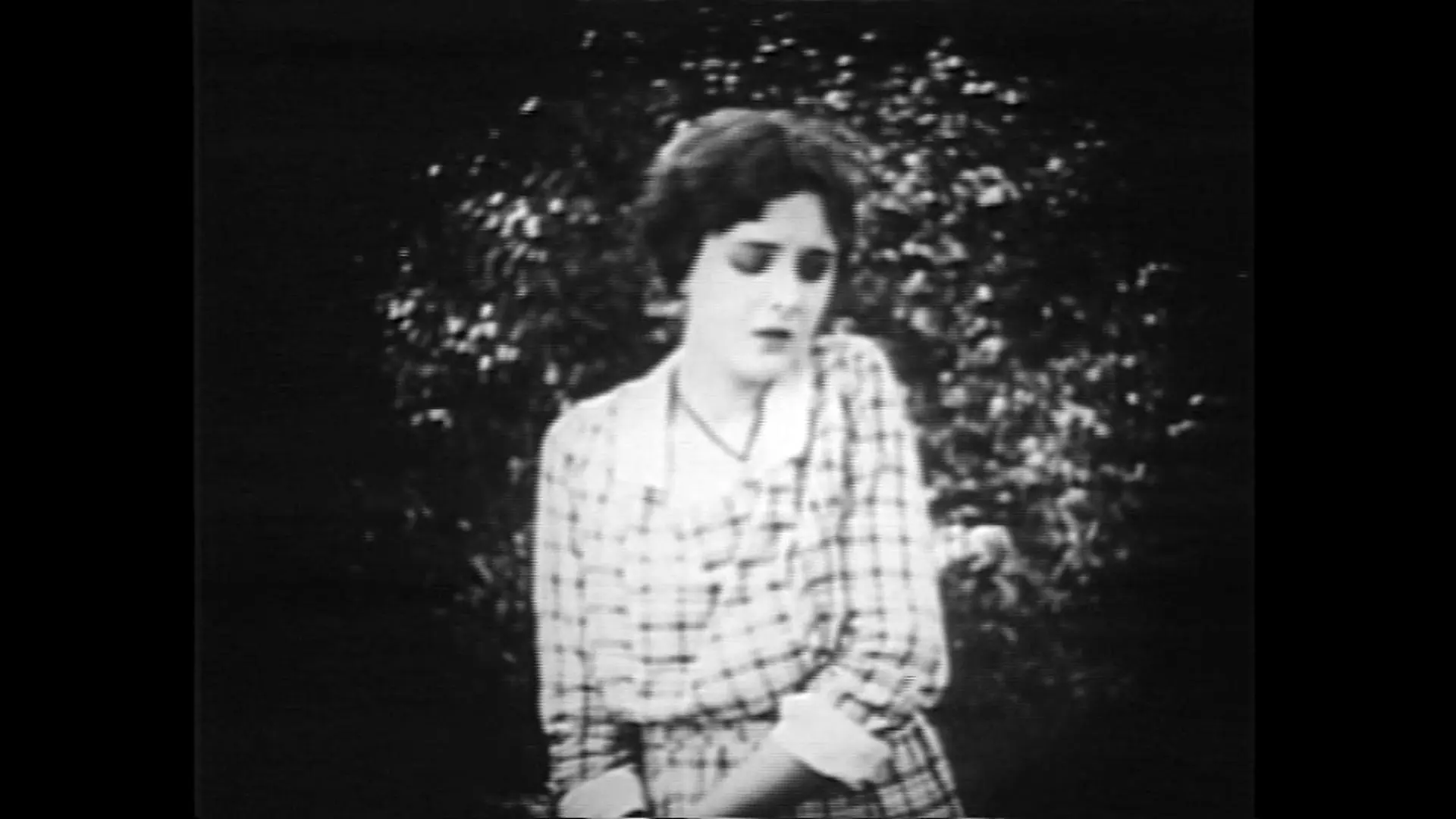
The direction of 'Wings of the Border' is characteristic of its period, relying heavily on clear visual storytelling and the judicious use of intertitles to advance the plot and convey dialogue. While the cinematic language of 1916 might seem rudimentary by today's standards, the film demonstrates an effective grasp of composition and spatial relationships to communicate power dynamics and emotional states. The camera often frames characters in ways that underscore their vulnerability or their authority, using wide shots to establish the vast, untamed nature of the Maine borderlands, which itself becomes a character in the drama. The landscape is not merely a backdrop but an active participant, representing both the prize coveted by the unscrupulous and the ancestral home of the dispossessed. The silent medium, paradoxically, often heightened the visual impact, forcing filmmakers to rely on evocative imagery and symbolic gestures.
The pacing, while deliberate, builds suspense effectively as the governor's investigation unfolds. There's a methodical rhythm to the narrative, allowing the audience to absorb the unfolding complexities of the land dispute. The film’s aesthetic, while simple, is functional, serving the story without unnecessary embellishment. It’s a testament to the ingenuity of early filmmakers who, despite limited resources and nascent technology, managed to craft engaging and emotionally resonant stories. The use of natural light and on-location shooting likely contributed to the film's authenticity, grounding the dramatic narrative in a tangible reality. This approach to visual storytelling, prioritizing clarity and emotional resonance, is a hallmark of the era and allows the film's core themes to shine through with palpable force, even without the benefit of synchronized sound or complex special effects.
'Wings of the Border' is far more than a simple melodrama; it's a profound exploration of timeless themes. The central conflict between justice and greed forms the bedrock of its narrative. The 'land sharks' represent unchecked capitalism and moral bankruptcy, their actions driven solely by the pursuit of wealth at the expense of human decency. Their machinations highlight the dangers of exploitation when regulatory frameworks are weak or absent. Conversely, the governor's quest for justice underscores the vital role of ethical governance and the responsibility of the state to protect its most vulnerable citizens. This moral dichotomy is presented in stark, unambiguous terms, typical of the era, but no less impactful for its clarity.
The film also delves into complex notions of land ownership and ancestral rights. The concept of an 'ownerless' tract of land is quickly dismantled by the narrative, revealing that ownership is not merely a matter of legal documents but of historical lineage and communal connection. The plight of the 'natives' who are being dispossessed resonates deeply, speaking to broader historical injustices concerning indigenous land rights. This theme finds echoes in other films of the era that grappled with the exploitation of marginalized communities, such as Warning! The S.O.S. Call of Humanity, which similarly highlighted societal dangers and the vulnerability of the innocent. The discovery of Mary Astor's character as the legitimate heir transforms the narrative from a simple land dispute into a story of restored legacy, emphasizing that truth, however buried, eventually finds its way to the surface. Her inheritance is not just a title to property; it's a reclamation of identity and a vindication of historical truth.
"The film's exploration of governmental responsibility, embodied by Barker's steadfast governor, is particularly salient. It posits that true leadership lies not in power for its own sake, but in the unwavering commitment to equity and the protection of fundamental rights, even when confronting entrenched interests."
The narrative also subtly touches upon the vulnerability of the marginalized. The 'natives' are depicted as easy targets, lacking the legal savvy or resources to defend themselves against the sophisticated machinations of the land sharks. This helplessness amplifies the governor's role as a benevolent intervener, highlighting the necessity of external forces to champion the rights of those who cannot effectively advocate for themselves. This aspect of the story, the powerful coming to the aid of the dispossessed, is a recurring motif in early cinema, often serving as a moral lesson. The film’s strength lies in its ability to present these weighty themes in an accessible, engaging manner, proving that silent films were adept at conveying complex social commentaries alongside their dramatic plots.
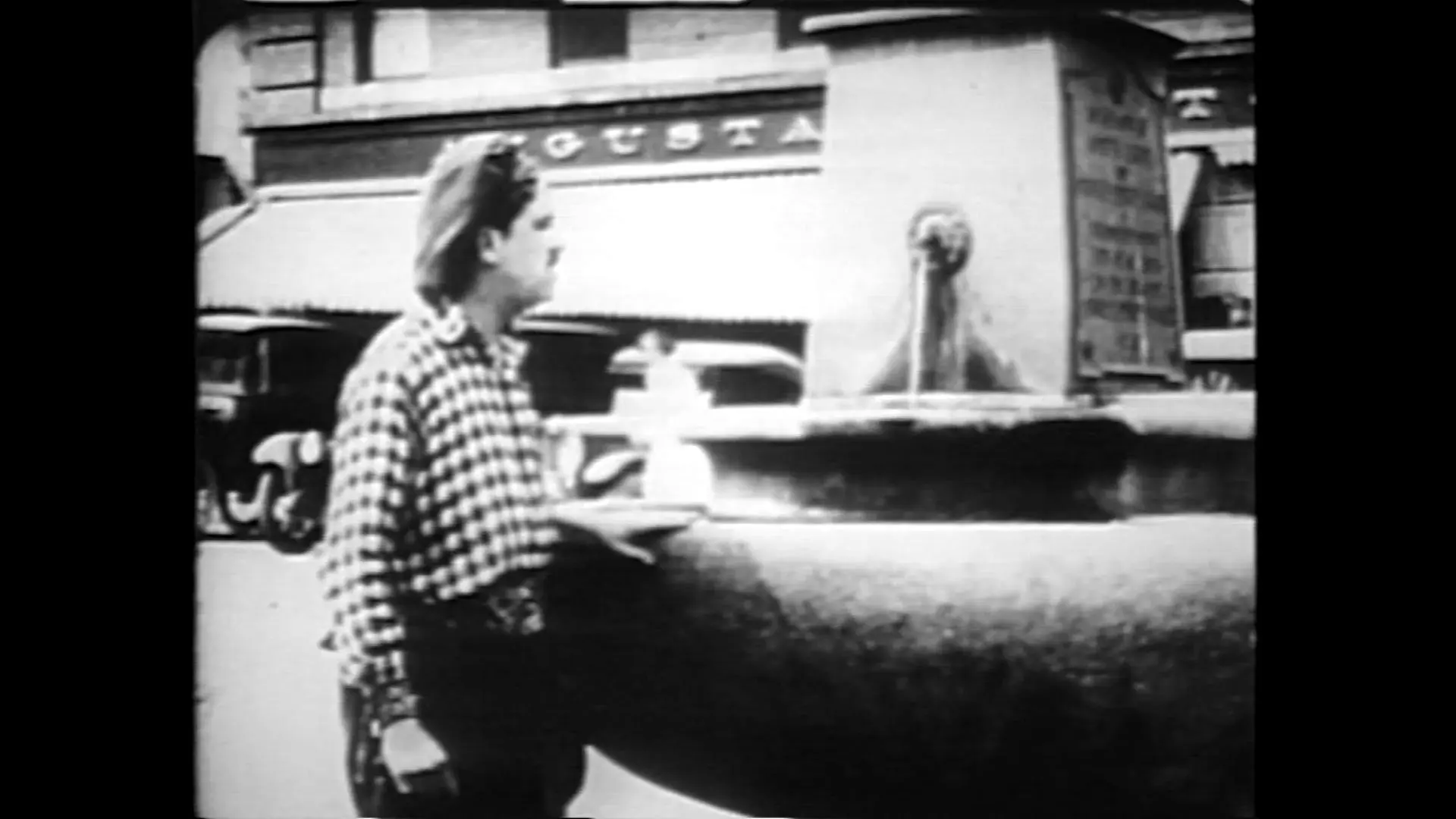
Holman Francis Day, the film's writer (and actor), demonstrates a keen understanding of dramatic structure and character motivation, even within the constraints of the silent film medium. His screenplay for 'Wings of the Border' is tightly constructed, moving with purpose from the initial conflict to the resolution. Day was a prolific writer, known for his regional stories set in Maine, and this film is a prime example of his ability to weave local color with universal themes. The narrative avoids unnecessary digressions, focusing intently on the core struggle for land and justice. The characters, while perhaps archetypal, are clearly defined, allowing the audience to easily identify with the plight of the innocent and root for the forces of good.
The moral message of the film is unequivocal: greed leads to suffering, and justice, though sometimes slow, will ultimately prevail. Day’s writing skillfully builds suspense around the governor's investigation, turning a potentially dry legal process into a compelling detective story. The revelation of the true heir feels earned, a satisfying culmination of diligent effort. This narrative approach to solving a mystery, unearthing hidden truths, has parallels with other silent era thrillers and dramas, where the unraveling of a secret drives much of the plot, much like in The Third Eye or Mysteriet paa Duncan Slot, where discovery is paramount to the resolution. Day's work here is a testament to the power of a well-told story, capable of engaging an audience regardless of the technological limitations of its presentation.
'Wings of the Border' occupies an interesting, if sometimes overlooked, niche within the vast canon of silent cinema. It’s a film that speaks to the social concerns of its time while offering a narrative structure that remains compelling. For fans of early cinema, it provides a valuable glimpse into the nascent stages of Mary Astor’s career, showcasing the raw talent that would later define her as a screen legend. The film's themes of land disputes and corporate malfeasance are, regrettably, still relevant today. The struggle of marginalized communities against powerful entities for their ancestral lands continues in various forms globally. This enduring resonance elevates 'Wings of the Border' beyond a mere historical curiosity, transforming it into a commentary on persistent human conflicts.
Comparing it to other films that explore vulnerability and the fight for justice, one might draw parallels to the earnestness found in The Fugitive (1916), where characters are often on the run or seeking redress for wrongs. Similarly, the core idea of a protagonist fighting against formidable odds for what is rightfully theirs can be seen in the spirit of Vengeance and the Girl, albeit with a different focus on the nature of the conflict. The rural setting and the inherent struggles of frontier life might also invite a comparison to films like Lahoma, which similarly explores the human drama unfolding in less urbanized environments. The film serves as a historical document, reflecting societal attitudes towards law, land, and morality in the early 20th century, and its preservation allows us to connect with these foundational narratives.
"In an era often dominated by spectacle, 'Wings of the Border' chose a different path, focusing on the quiet drama of human rights and the steadfast pursuit of truth. It's a testament to the power of storytelling that even without a spoken word, its message resonates with compelling clarity across the decades."
Ultimately, 'Wings of the Border' is more than just an archival curiosity; it’s a compelling piece of cinematic history that offers insight into the storytelling conventions and social concerns of its time. Its simple yet potent narrative, bolstered by earnest performances and a clear moral compass, ensures its place as a significant, if often understated, contribution to the silent film era. It reminds us that the fight for what is right, for justice against the rapacious, is a narrative thread woven deeply into the fabric of human experience, perpetually finding new forms and new voices, even in the eloquent silence of early cinema.
IMDb —
1920
Community
Log in to comment.