DbcultAccessing Vault...
6.4/10
Senior Film Conservator
A definitive 6.4/10 rating for a film that redefined the boundaries of cult cinema. Hara-Kiri remains a cornerstone of transgressive art.
Hara-Kiri from 1925 is a weird one. If you're into silent films that feel like they're trying to figure out what they want to be, and you have a high tolerance for melodrama that occasionally veers into the absurd, then maybe. It's a curiosity, especially for folks interested in early French cinema's take on "the exotic." But if you want a tight, coherent story or anything approaching modern pacing, you'll probably find it a slog. Most people will bounce off this, frankly.
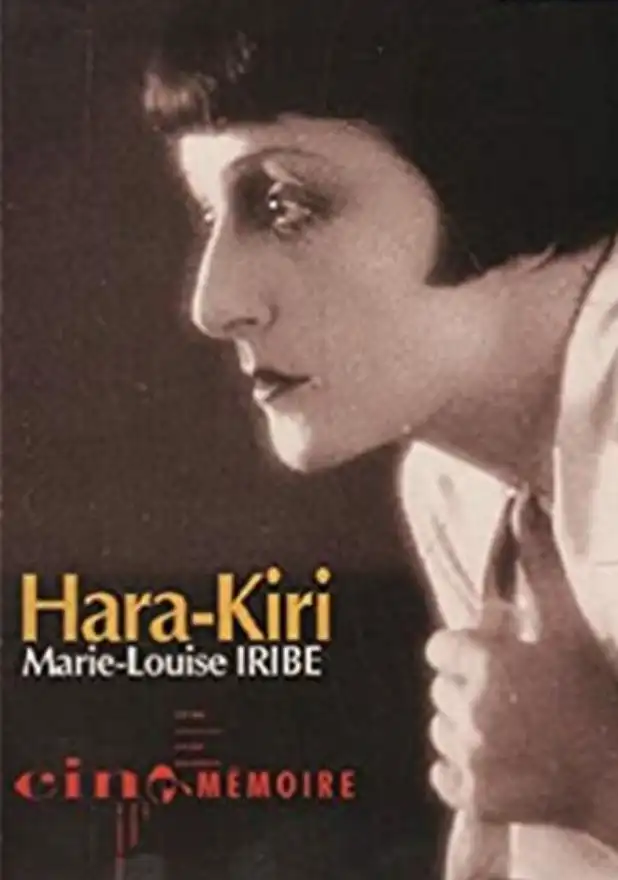
The opening shots are… something. We meet Nicole, played by Marie-Louise Iribe, who is meant to be this captivating figure. She has this very intense gaze, almost too intense, like she's trying to burn a hole in the camera. Her expressions, especially in the early scenes with Prince Wuriu, feel less like genuine passion and more like she's been told to emote very hard. Wuriu, on the other hand, is a bit of a blank slate. Their "romance" unfolds with a lot of longing glances and hand-holding that doesn't quite convey the grand passion the intertitles insist is there.
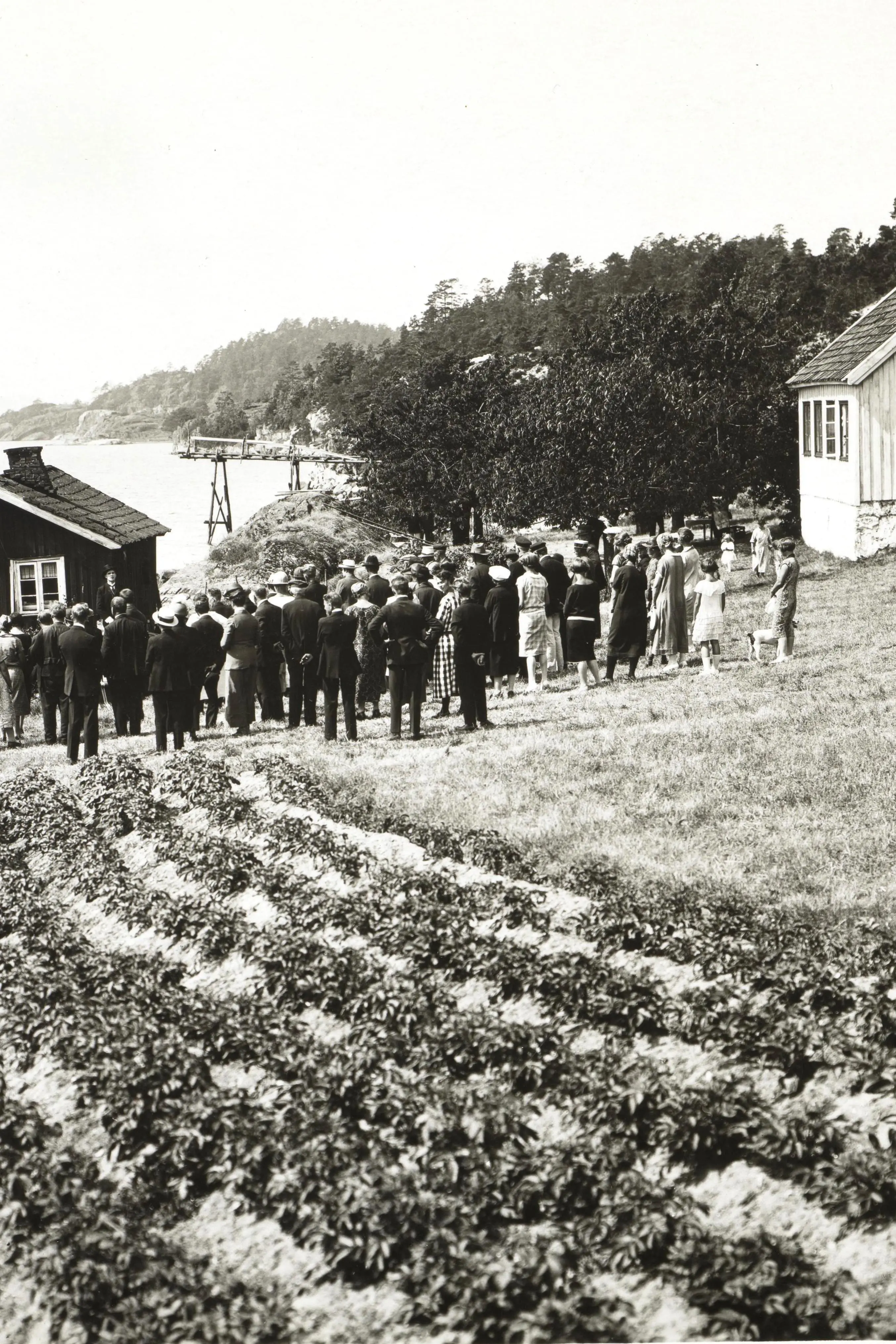
There’s this scene early on, a party or gathering, where the extras in the background are just… standing. Not mingling, not really interacting, just kind of existing in the frame. It gives the whole thing an oddly staged, almost empty feeling, like they couldn't quite fill the set or direct the crowd effectively. It pulls you out a bit. You can almost feel the director, Henri Debain, trying to get his actors to hit their marks.
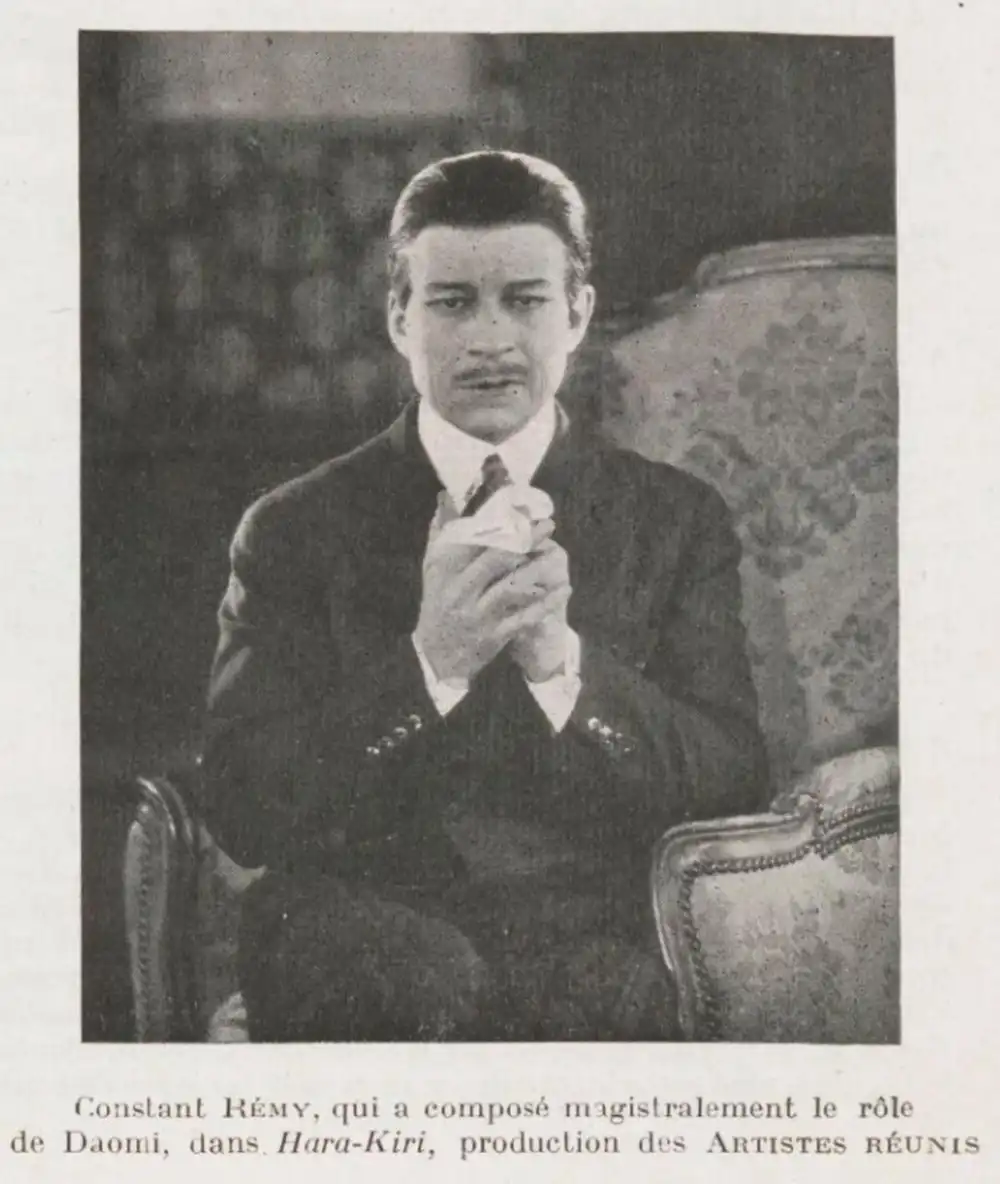
The film's fascination with "the Orient" is, as you'd expect for 1925, pretty heavy-handed and often stereotypical. The Japanese characters mostly serve as props or exotic backdrop. Prince Wuriu (played by Wuriu, which is confusing) has a certain stoic dignity, but his motivations often feel less like character development and more like plot devices.
Once the "tragedy" hits – and it's a dramatic, silent film tragedy, complete with dramatic lighting and slow fades – Nicole's obsession begins. This is where the film really leans into its namesake. Iribe's portrayal of this descent is… well, it's a lot. There are moments where she just stares into space, her eyes wide, and it’s meant to be profound grief, but it often comes across as a bit theatrical, even for a silent film. One shot of her just sitting, contemplating, goes on for what feels like an eternity. The silence starts to feel awkward rather than purely emotional. You almost start to wonder if the projectionist fell asleep.
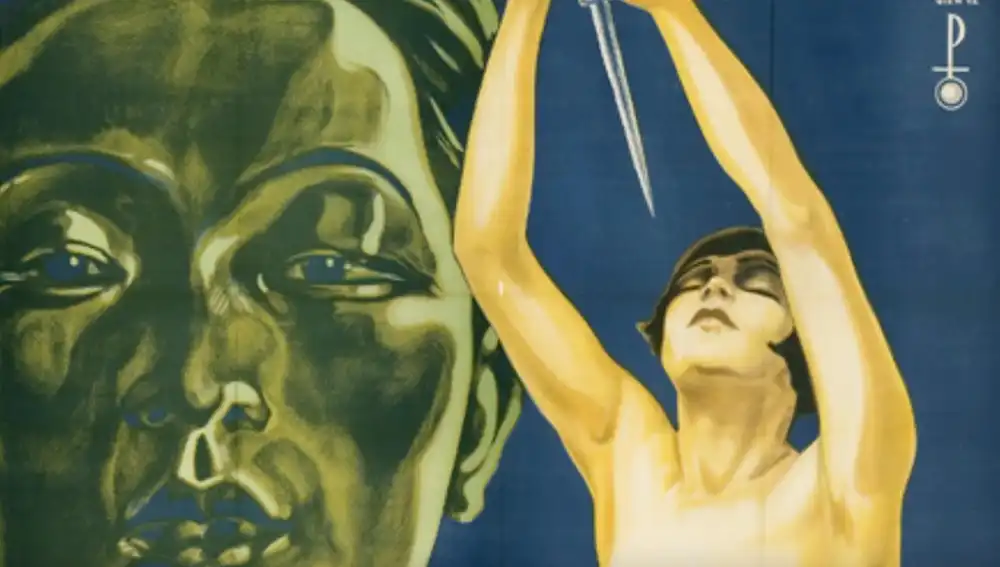
The pacing in the middle section really drags. There are long stretches of Nicole just being obsessed, without much forward momentum. We get repeated shots of her looking at a ceremonial dagger, or staring at a portrait of the Prince. It hammers home the point, sure, but it could have been done with a bit more… economy.
And then there's the costuming. Nicole's outfits are often quite elaborate, but sometimes they feel a little too fussy, like they're trying to distract from the lack of genuine character depth. One particular dress, a sort of flowing, almost Japanese-inspired gown, feels less like something she'd actually wear and more like a costume department's idea of "exoticism."
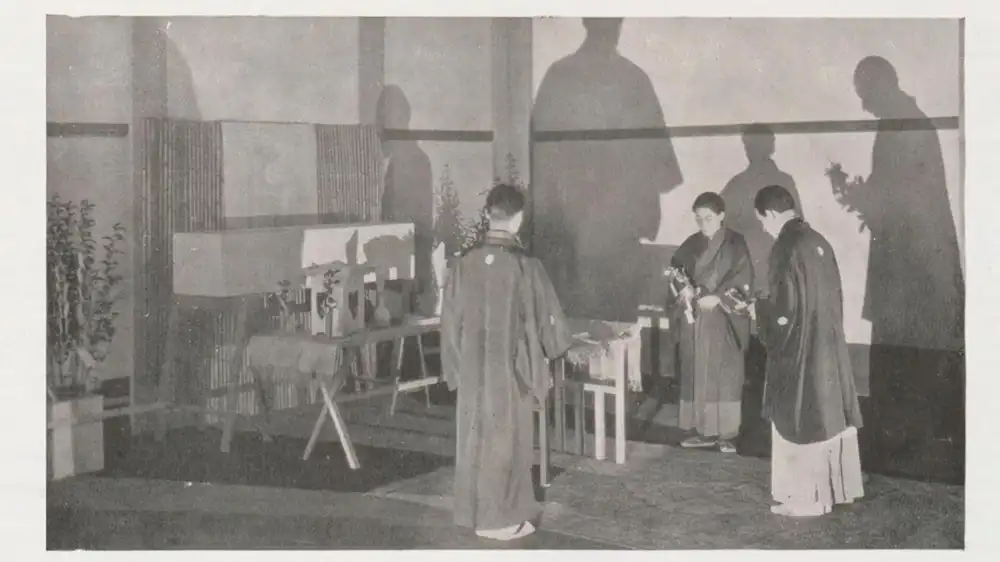
The film does have a few genuinely striking images, though. There's a sequence involving shadows and reflections that, for a brief moment, creates a real sense of unease. It hints at what the film could have been if it had leaned more into atmosphere and less into straightforward, albeit over-the-top, melodrama. And some of the close-ups of Iribe, when she's not overtly emoting, capture a fragile beauty. These are fleeting, but they stick with you.
The dialogue, delivered via intertitles, is exactly what you'd expect: dramatic pronouncements, declarations of undying love, and philosophical musings that feel a little too on-the-nose. "My soul is a desert where only the wind of death blows," or something to that effect. It’s the kind of language that makes you chuckle a little now, even if it was meant to be deeply serious then.
What's interesting about Hara-Kiri is not necessarily its success as a narrative, but its earnestness. It genuinely tries to tackle big emotions and "forbidden" themes (for the time). It just fumbles a lot of it. The ending, especially, feels rushed and a bit unsatisfying after all the buildup. It's like the filmmakers suddenly realized they were running out of reel.
You watch it and you think, "Okay, they had an idea here." A problematic idea, perhaps, given the cultural appropriation, but an idea nonetheless. It's a snapshot of a particular moment in film history, where conventions were still being established. It's not a great film by any modern standard, but it's not entirely without value for those who appreciate the quirks and awkward charm of early cinema. It’s a film that definitely makes you feel like you've watched something from 1925, for better or worse. It’s certainly not The Woman and the Puppet in terms of polish, or even the subtle strangeness of something like A Fool There Was. It sits in its own peculiar corner.
IMDb —
1925
Community
Log in to comment.