DbcultAccessing Vault...
5.6/10
Senior Film Conservator
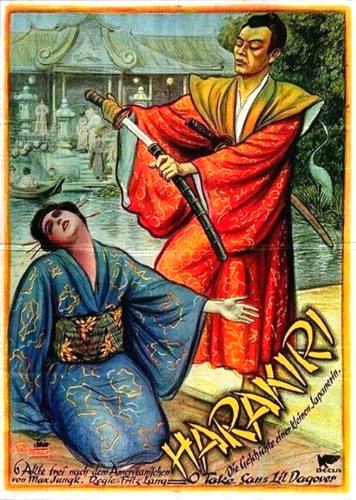
A definitive 5.6/10 rating for a film that redefined the boundaries of cult cinema. Harakiri remains a cornerstone of transgressive art.
When Fritz Lang’s expressionist shadows still clung to German studios, director Max Jungk crafted this startlingly nuanced tragedy—a collision of feudal obligation and nascent individualism that vibrates with contemporary urgency. Harakiri unfolds not as exotic spectacle but as a scalpel-cut dissection of power structures, where Lil Dagover’s glacial high priest deploys religious doctrine like garrote wire against Rudolf Lettinger’s agonized Lord Tokujiro. The film’s genius manifests in Jungk’s restraint: temple gardens become claustrophobic arenas, sliding shoji screens frame characters as trapped insects, and the ritual blade’s gleam haunts every candlelit scene.
Meinhart Maur’s samurai commander embodies institutional violence through minutiae—a twitching eyelid when hearing European ideals mentioned, fingers tightening on prayer beads as if strangling dissent. Contrastingly, Georg John’s turn as the tea master who witnesses Tokujiro’s defiance communicates volumes through shoulder slumps and pouring rituals gone awry; his trembling hands spilling matcha become the film’s quietest rebellion. Yet the revelation remains Loni Nest’s O-Take, her adolescent yearning conveyed through koto playing that shifts from serene tradition to dissonant clusters as her fate crystallizes. In her final close-up, fingers hovering above silk strings while hearing her father’s death sentence, we witness innocence ossifying into resignation.
Jungk transforms seppuku from morbid spectacle into chilling institutional theater. The priest’s attendants unfurl the white death cloth with liturgical precision, their movements mirroring the temple’s origami cranes—beauty weaponized. When the dagger plunges, Jungk cuts not to gore but to the priest’s sandaled foot tapping impatiently, a detail more horruring than any geyser of stage blood. This ceremony’s meticulous staging echoes the ecclesiastical rigour in The Silent Voice, where sacraments likewise enforce conformity through performative cruelty.
Consider the shōji screens: initially symbols of privacy, they become prison bars when O-Take eavesdrops on her doom. Later, as Tokujiro bleeds out behind them, his silhouette contorting against rice paper, the screens transform into x-ray film exposing society’s cancerous core. Cinematographer Niels Prien pioneers double-exposure techniques here—superimposing temple bells over O-Take’s face during the suicide, the clapper’s swing synchronizing with her spasming sobs. Sound may be absent, but the visual rhythm pounds like a funeral drum.
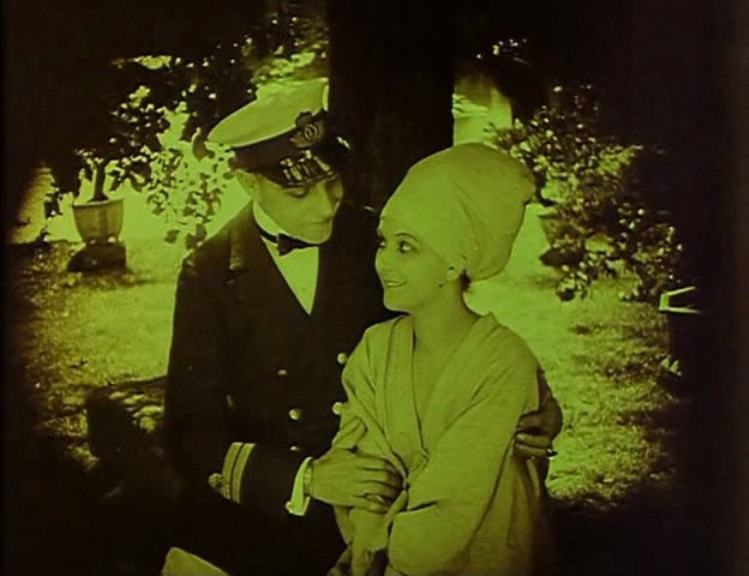
The script’s audacity lies in making “as Europeans might” the deadliest phrase in Tokujiro’s lexicon. This isn’t Orientalist pandering but savage critique—the mere specter of Western individualism destabilizes centuries of hierarchy. When Tokujiro argues for his daughter’s self-determination, the tribunal reacts as if poisoned, clutching robes like contagion suits. Jungk parallels this with Brændte Vinger’s exploration of stifling traditions, though where Danish repression manifests through bourgeois manners, here it wears sacerdotal robes.
Notice how European objects become cursed artifacts: a pocket watch shown briefly during Tokujiro’s “heresy” scene ticks like a detonator, while the priest’s subsequent condemnation scroll unfurls beside a forbidden tulip imported from Holland—both symbols of invasive modernity. Production designer Paul Biensfeldt crafts sets where Buddhist murals depict suffering souls, their tormented expressions mirroring the characters’ trapped existences. Even incense smoke coils like chains.
Harakiri subverts silent-era passivity through Käte Küster’s Lady Saigo—Tokujiro’s wife who communicates entire arguments through folded hands. Her stationary presence during the tribunal scene becomes devastating critique; while men debate her daughter’s fate, Jungk frames her as a statue of grief, her stillness screaming louder than any intertitle. Later, preparing her husband’s death kimono, her fingers trace the fabric’s embroidered cranes now rendered funereal. This tactile mourning foreshadows Ozu’s domestic poetry.
O-Take’s rebellion manifests through music. Her early koto performances obey classical structures, but post-condemnation, she plucks strings with such violence that snapped wires lash her cheeks like ceremonial scars. Jungk intercuts this with the temple’s massive bell being struck—daughter and institution creating dissonant requiems. Unlike the performative femininity in The Queen's Jewel, O-Take’s artistry becomes armor against erasure.
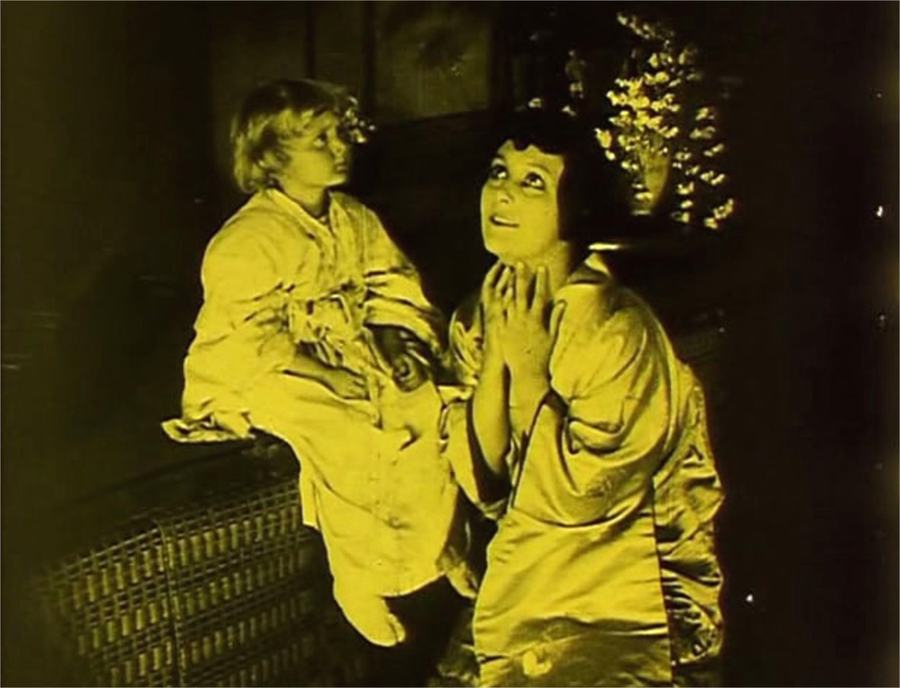
Dagover’s high priest ranks among silent cinema’s most chilling antagonists precisely because of his devotion. His conviction that crushing one family preserves cosmic order radiates from unnervingly still compositions—Dagover often filmed straight-on, eyes unblinking as a serpent’s, fingers steepled in meditation that doubles as self-congratulation. His final walk past Tokujiro’s corpse showcases Jungk’s moral complexity; the priest pauses not in remorse but to adjust a flower arrangement disturbed by death throes. Such bureaucratic evil anticipates Hannah Arendt by decades.
The film’s influence radiates through cinema history—from the fatalistic bureaucracy in Kurosawa’s Ikiru to the suffocating traditions in Dolken. Yet its boldest stroke remains the absence of catharsis. O-Take’s final shot shows her tending the very garden requiring her father’s blood sacrifice, pruning shears glinting where the ritual dagger once flashed. Survival becomes its own harakiri—a slower disembowelment of spirit.
Architecture functions as theological argument. Low-angle shots of temple rafters evoke crucifixion beams, while the garden’s manicured perfection mirrors societal control—every stone and pruned pine conspiring to crush spontaneity. Tokujiro’s castle, by contrast, features crooked hallways and askew screens, visual manifestations of his “dangerous” individualism. During the suicide, Jungk positions the priest’s entourage in descending height order—a diagonal slash of black robes against white walls—creating a compositional dagger piercing Tokujiro’s heart.
Lighting design by Erner Huebsch weaponizes shadows. As Tokujiro argues for his daughter’s freedom, horizontal bars of darkness stripe his body like prison uniforms. Later, when writing his death poem, a single shaft of light isolates his brush—a visual soliloquy emphasizing his isolation. The climactic seppuru occurs under merciless flat lighting, denying Tokujiro even the dignity of dramatic shadows. Compare this to the expressive chiaroscuro in The Criminal, where darkness offers refuge; here, light becomes interrogator.
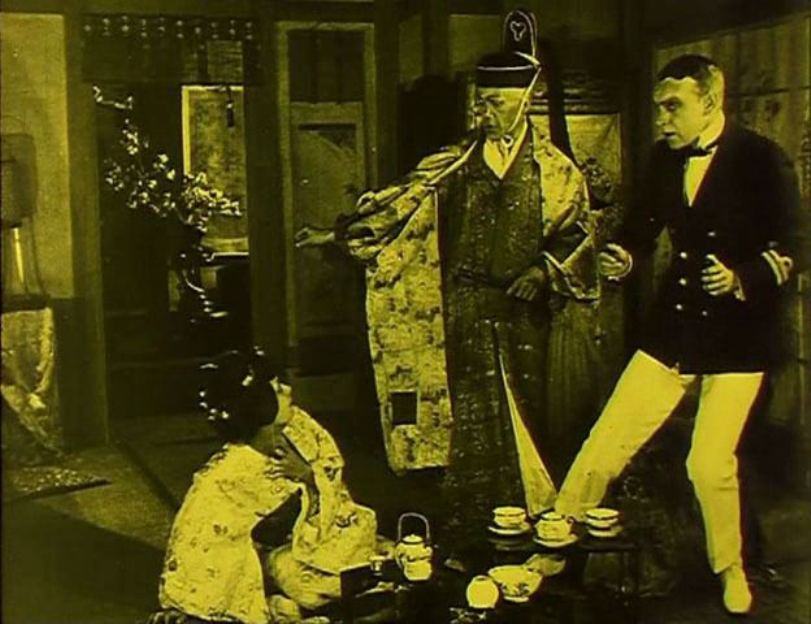
Jungk loads mundane items with crushing significance. The priest’s tea bowl, held with ritualistic care during Tokujiro’s sentencing, later shatters when O-Take learns her fate—the shards reflecting her fractured future. Most potent is the chrysanthemum motif: white blooms adorn O-Take’s hair during her “selection” scene, but post-suicide, she cultivates only blood-red varieties. When she finally cuts one, the sap oozing onto her wrist mirrors her father’s fatal wound.
The death dagger itself evolves in meaning. Initially displayed as ancestral artifact, it becomes an extension of the priest’s will when presented for seppuku—its jeweled hilt catching light like a malevolent eye. After the deed, Jungk lingers on the blade discarded beside Tokujiro, now just curved metal in a pool of viscera. The weapon’s demystification critiques the emptiness of ritual sacrifice, echoing themes later explored in Passione Tsigana.
Jungk’s triumph lies in exposing how institutions co-opt autonomy to reinforce oppression. Tokujiro’s fatal mistake wasn’t defiance—it was believing choice could exist within dogma. The priest’s “allowance” for O-Take to “choose” temple service reveals how power manipulates consent. Similarly, Tokujiro “chooses” seppuku to spare his clan, but Jungk frames the knife thrust as mechanical inevitability. True agency, the film suggests, requires dismantling entire systems—a message resonating from Robin Hood’s forest rebellions to Eye for Eye’s cycles of vengeance.
In today’s world of algorithmic determinism and ideological trench warfare, Harakiri’s centennial sting grows sharper. When the priest justifies his actions as “preserving harmony,” we recognize contemporary apologists for oppression. Tokujiro’s appeal to “European” values now plays as ironic prophecy—individualism weaponized by consumerism rather than liberated by it. Jungk offers no solutions, only O-Take’s endless gardening beneath a sky that never brightens. Some silences scream across centuries.
IMDb —
1925
Community
Log in to comment.