DbcultAccessing Vault...
7.5/10
Senior Film Conservator
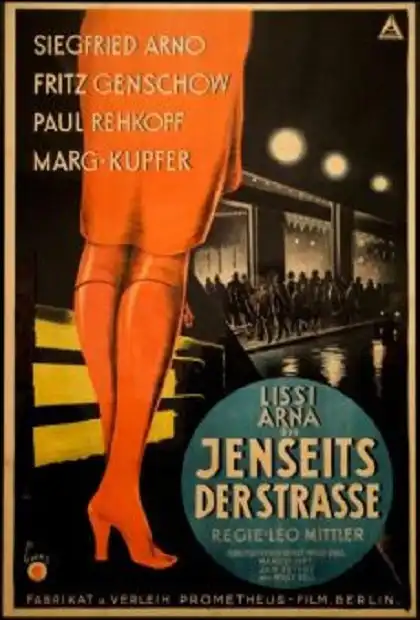
A definitive 7.5/10 rating for a film that redefined the boundaries of cult cinema. Harbor Drift remains a cornerstone of transgressive art.
"Harbor Drift" is one of those old films, from a time when silent movies were still a big deal. If you're into that kind of thing, *really* into diving deep into early cinema, then yeah, it's worth a look. You get a gritty, sort of bleak slice of life that feels raw. But if you’re hoping for a breezy night in, or if you can't stand silent film pacing, you'll probably find it a slog. It’s not for everyone, for sure.
The film starts right in the thick of it, down by the harbor, a place that just feels cold and damp, even through the old celluloid. There's this moment, early on, where a beggar, played with a sort of wild-eyed intensity by Paul Rehkopf, snatches a pearl necklace. It’s quick, almost too quick to register, but it sets everything in motion. And Lissy Arna, as the prostitute, she sees it all. Her expression in that second, it’s not just shock, it’s *calculation*.
Arna's character, she’s not some grand femme fatale; she’s just trying to survive. Her friend, Fritz Genschow's character, he’s out of work, pretty much lost. When she pushes him to go after the necklace, it's less a manipulative scheme and more like two desperate people grabbing at the slimmest chance. You can practically *feel* the weight of their situation, the hopelessness hanging in the air. 😔
Genschow’s face often carries this look, like he’s already defeated before he even starts. His attempts to get the necklace back are clumsy. It’s not an action movie heist; it’s a nervous, bumbling fumbling. There's a scene where he’s trying to track the beggar, and the camera lingers a bit too long on his shadowed figure moving through narrow alleys. It makes you almost forget the pearls, just focusing on his lonely, trudging walk.
The whole mood of "Harbor Drift" is just heavy. The lighting is often dark, lots of shadows swallowing the background, which really makes the few moments of light feel jarring. It doesn't try to be flashy; it just tells its story straight, no frills. You get the sense these characters are trapped by their circumstances, by the very environment they live in.
There's a scene with Arna just sitting alone in her room, and the silence, broken only by the crackle of the print, just *emphasizes* her isolation. It’s a quiet despair, really effective. You don't need dialogue to understand that feeling. That’s where silent films, good ones, really shine.
When things start to go wrong, and they absolutely do, the consequences hit hard. Not with big dramatic explosions or anything, but with a quiet, creeping dread. The film doesn't shy away from showing the grim reality of choices made under pressure. It’s a stark reminder that even a small act of desperation can unravel a life.
The pacing, for a silent film, feels pretty deliberate. It lets moments breathe, maybe a little *too* much at times. Like, one reaction shot of a secondary character just looking confused, it goes on for a bit, almost comically long. But then it snaps back, pulling you into the next desperate turn of events.
Jean Toulout, he’s in there too, as someone or other, but honestly, he barely registered for me. It’s Arna and Genschow who really carry the emotional weight. Their silent performances, the way they use their eyes, that's the real draw. It’s a simple story, but it gets to you.
This isn't a film you'll watch for a grand, sweeping narrative. It's more of a mood piece, a stark, almost documentary-like glimpse into a corner of life that's often overlooked. It just *is*. And for a film made so long ago, that unvarnished honesty, it still holds up. 🎬
IMDb —
1920
Community
Log in to comment.