DbcultAccessing Vault...
Cult Review
Senior Film Conservator
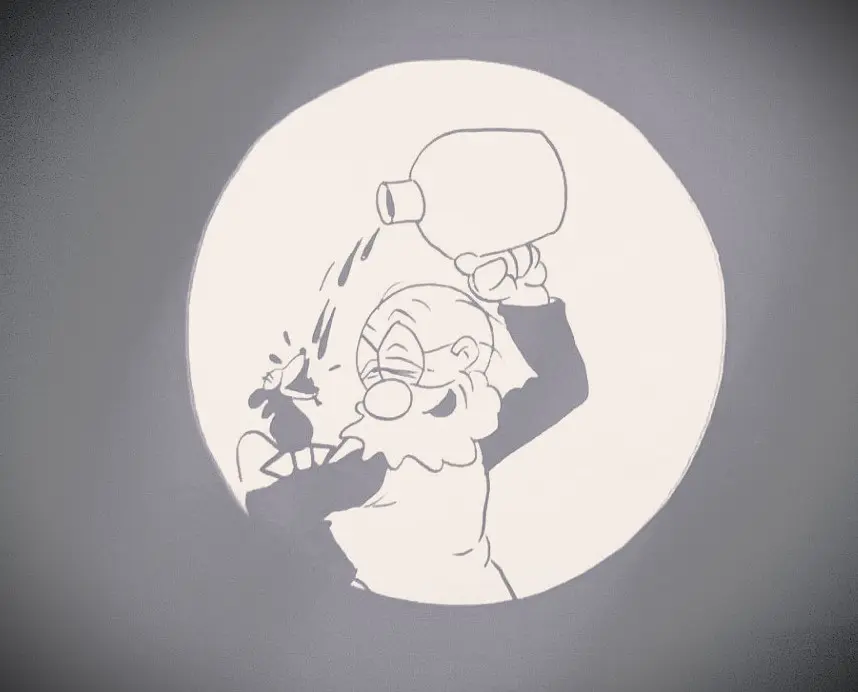
Can a silent film from 1927, particularly one as unassuming as Arthur Vance's "Hard Cider," truly resonate with contemporary audiences? Short answer: yes, but with significant caveats that demand a particular viewing mindset. This film isn't a lost masterpiece, nor is it a cinematic revolution, yet it offers a surprisingly potent glimpse into early American cinema's thematic concerns and storytelling prowess, making it a worthwhile, if niche, watch.
This film is absolutely for cinephiles, historians, and those with a genuine curiosity about the roots of narrative filmmaking. It will likely disappoint viewers seeking fast-paced action, complex dialogue, or the polished aesthetics of modern cinema, as its charm lies in its simplicity and historical context.
"Hard Cider," directed by the often-underestimated Arthur Vance and penned by Evelyn Hayes, is a fascinating artifact from the twilight of the silent era. It’s a film that, despite its age and the inherent limitations of its medium, manages to distill a timeless narrative about tradition versus progress, innocence versus experience, and the subtle corruption of community values. The film, starring the expressive Clara Belle as Mary and the charmingly manipulative Reginald "Reggie" Thorne as Jack, provides a compelling, if somewhat predictable, exploration of these themes through a rural lens.
The story centers on Mary, a young woman deeply rooted in her family’s apple orchard and the sweet cider that symbolizes their honest, unadulterated way of life. Her world, a bastion of agrarian simplicity, is shaken by the arrival of Jack, a smooth-talking city salesman whose 'hard cider' represents not just an alcoholic beverage, but a more cosmopolitan, often morally ambiguous, worldview. Vance crafts a narrative that is less about the drink itself and more about what it symbolizes: temptation, modernity, and the erosion of established virtues.
"Hard Cider" serves as a quiet rebellion against the encroaching industrial age, a visual sermon on the purity of the past. It’s a film that asks us to consider the true cost of progress, a question as relevant now as it was nearly a century ago.
Arthur Vance, a director whose name doesn't often grace the pantheon of silent film greats, demonstrates a keen eye for human drama and a surprising subtlety in "Hard Cider." His direction is characterized by a deliberate, almost pastoral pace that allows the emotional beats to land without feeling rushed. Vance understands the power of the close-up, particularly in capturing Clara Belle's nuanced reactions, which often convey more than any intertitle could.
Consider the scene where Jack first introduces the concept of hard cider to the unsuspecting townsfolk. Vance doesn't rely on overt villainy; instead, he frames Thorne's character with an almost magnetic allure, making his deception more insidious. The camera lingers on the faces of the villagers, particularly the younger ones like Mary's brother, Billy (played with convincing naivete by Elmer Jenkins), showing their gradual enchantment. This visual storytelling prevents Jack from becoming a one-dimensional antagonist, instead portraying him as a force of societal change, both alluring and destructive.
Vance’s directorial choices in depicting the rural setting are also noteworthy. He avoids the saccharine idealization often found in contemporary films like The Love Bug (1925), opting instead for a grounded, almost documentary-like portrayal of farm life. This realism helps anchor the film's more melodramatic elements, making Mary's struggle feel genuinely urgent.
The strength of "Hard Cider" rests squarely on the shoulders of its lead performers, particularly Clara Belle. As Mary, Belle delivers a performance of remarkable emotional depth. Her transition from innocent farm girl to a determined protector is portrayed with a quiet power that is truly compelling. She doesn't resort to exaggerated gestures, a common pitfall in silent cinema; instead, her eyes, her subtle shifts in posture, and the way she carries herself convey a profound internal struggle.
One memorable moment occurs when Mary discovers Billy's involvement in Jack's scheme. Belle's face, bathed in the dim light of the farm, registers a complex mixture of heartbreak, betrayal, and burgeoning resolve. It’s a masterclass in silent acting, proving that less can indeed be more. This level of nuanced performance is a stark contrast to the broader comedic stylings seen in films like It's a Boy from a similar period, highlighting Belle's dramatic capabilities.
Reginald "Reggie" Thorne, as Jack, is equally effective, though in a more outwardly theatrical manner. Thorne embodies the charming rogue with an effortless swagger. He's not overtly evil, which makes his character all the more dangerous. His smiles are too wide, his gestures too grand, hinting at the superficiality beneath the polished exterior. The dynamic between Belle’s earnestness and Thorne’s slickness forms the emotional core of the film, creating a palpable tension that drives the narrative forward.
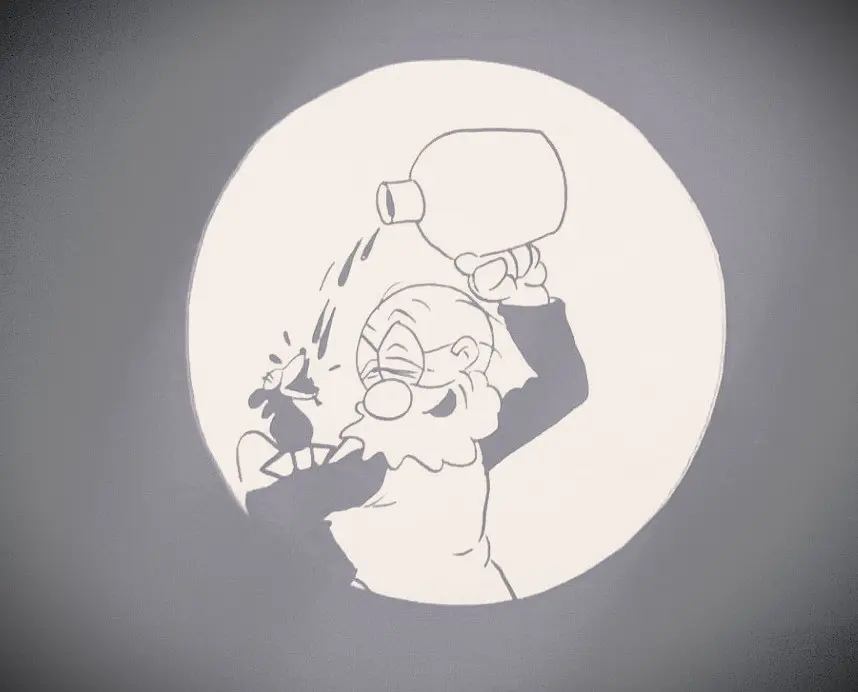
Even supporting players like Elmer Jenkins as Billy and Silas Croft as the stern but loving grandfather contribute meaningfully. Jenkins captures the youthful susceptibility to temptation, while Croft provides a stoic anchor of tradition. Their performances, though secondary, lend authenticity and emotional weight to Mary's personal crusade.
The cinematography of "Hard Cider," while not revolutionary, is consistently effective in establishing the film's tone and sense of place. The rural landscapes are captured with a simple beauty, often employing natural light to evoke the tranquility of farm life. The use of deep focus in certain outdoor shots allows the audience to appreciate the expansive, unadulterated environment that Mary is fighting to preserve. This contrasts sharply with the more claustrophobic, often dimly lit interiors that sometimes accompany Jack’s schemes, subtly hinting at the darker undertones of his influence.
The production design, though modest, is authentic. The apple orchard feels lived-in, the farmhouse rustic and real. There's a deliberate avoidance of the artificiality that could plague studio-bound silent films. This commitment to verisimilitude grounds the fantastic elements of the plot in a believable reality. The visual storytelling reinforces the film's central conflict, making the farm itself almost a character, a symbol of the purity threatened by the 'hard cider' culture.
The pacing of "Hard Cider" is deliberate, even measured, which might test the patience of some modern viewers. However, this unhurried rhythm is crucial to the film's tone. It allows for a gradual build-up of tension and a deeper immersion into Mary's emotional journey. Vance understands that the corruption of a community doesn't happen overnight, but rather through slow, insidious shifts. The film’s tone is predominantly earnest and dramatic, with moments of lightheartedness that quickly give way to the underlying seriousness of Mary’s struggle.
There are no jarring cuts or rapid-fire sequences; instead, the narrative unfolds with a steady, organic progression, much like the slow fermentation process implied by the title. This contributes to the film's overall melancholic yet hopeful atmosphere. It's a tone that resonates with other character-driven silent dramas, distinguishing itself from the more overtly sensationalist fare of the era, such as The Eagle's Mate.
"Hard Cider" is a film that, despite its simplistic plot by today's standards, possesses an undeniable, if quiet, charm. Its themes of tradition versus modernity, and the corrupting influence of unchecked ambition, remain perpetually relevant. While it lacks the spectacle of epics like American Methods or the raw emotional power of a true cinematic tragedy, its strength lies in its grounded human story.
However, its appeal is undoubtedly limited. The silent film format itself is a barrier for many, and the melodramatic conventions, while masterfully executed by Belle, can feel dated. The resolution, while satisfying, leans towards the idealistic, perhaps more so than a contemporary audience might expect or prefer. It’s a film that demands patience and an appreciation for a bygone era of storytelling, but rewards those who offer it.
This film works because it leverages strong, expressive performances, particularly from Clara Belle, to convey complex emotions without dialogue. Its simple, yet universally resonant themes of purity, temptation, and the defense of one's heritage are expertly woven into a compelling narrative that transcends its era. The deliberate pacing allows for a deep emotional connection to the characters.
This film fails because its pacing can feel sluggish to modern viewers accustomed to faster cuts and more explicit narrative exposition. The melodramatic elements, while typical of the silent era, might alienate some, and the ultimate resolution, though satisfying, lacks the gritty realism often expected in contemporary dramas. The lack of a truly complex villain also limits its dramatic scope.
You should watch it if you are a film historian, a silent film enthusiast, or someone interested in the evolution of cinematic storytelling and early explorations of societal change. It offers a valuable window into the cultural anxieties of the late 1920s and showcases the powerful potential of non-verbal acting.
"Hard Cider" is an intriguing, if not universally appealing, piece of silent cinema. It stands as a testament to the power of visual storytelling and the enduring resonance of simple, human conflicts. While it certainly isn't a film for everyone, those willing to invest their time and attention will find a rewarding experience. It works. But it’s flawed. Its strengths lie in its earnest performances and its ability to evoke a bygone era with authenticity and grace. Is it a forgotten classic? Perhaps not in the grandest sense, but it is certainly a film that deserves to be seen and appreciated for its quiet virtues and its surprisingly relevant narrative. It's a taste of history, a potent reminder of where cinema began, and a compelling argument for the timelessness of a well-told story, even without a single spoken word.
IMDb 4.8
1933
Community
Log in to comment.