DbcultAccessing Vault...
Cult Review
Senior Film Conservator
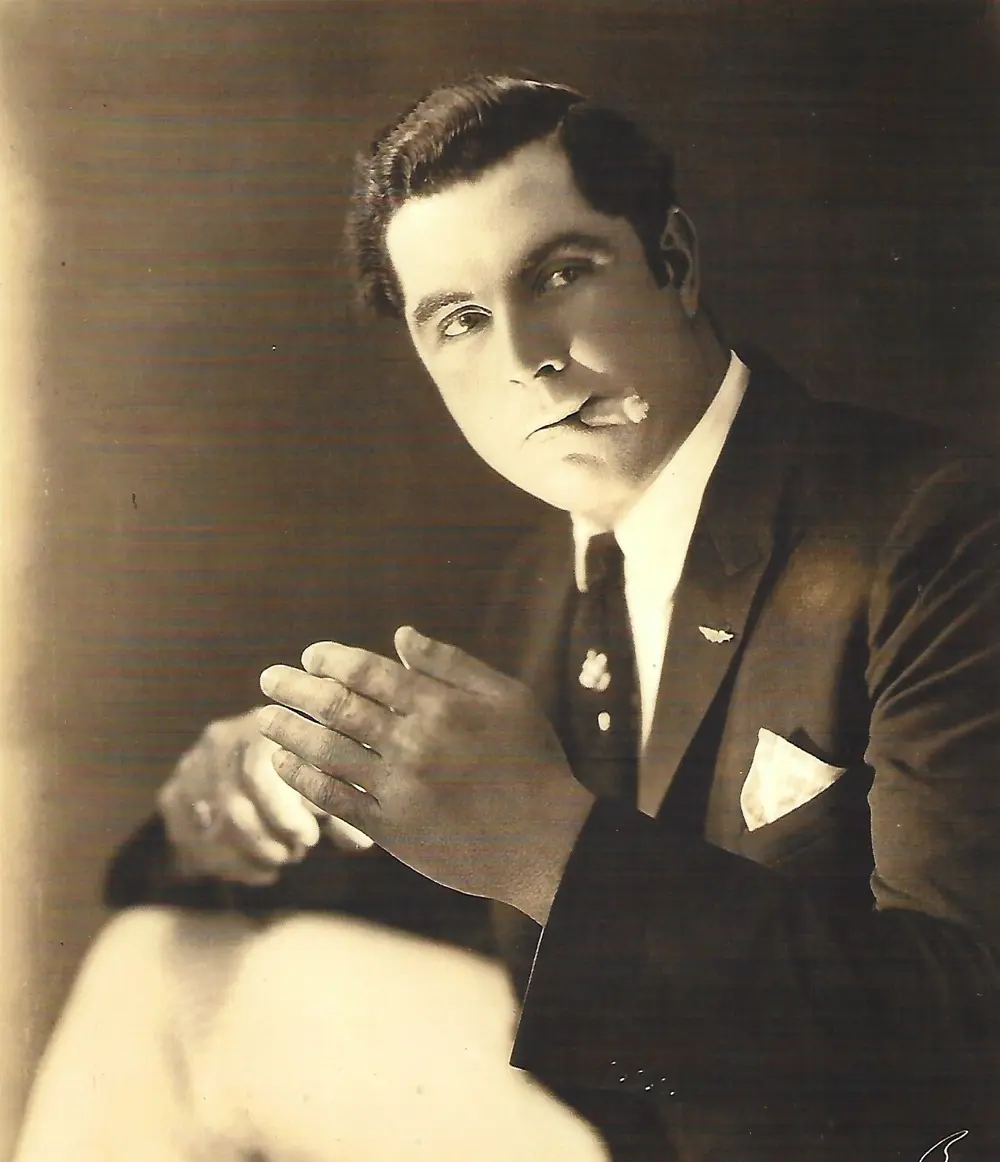
Is Cross Breed worth your time in the modern era? Short answer: yes, but only if you have an appetite for the raw, unpolished grit of early 20th-century survivalist cinema. This film is specifically for viewers who appreciate the 'man-and-his-dog' subgenre and those interested in how early cinema grappled with the psychological scars of war; it is certainly not for those who require fast-paced, CGI-heavy action or a sanitized view of post-war recovery.
1) This film works because it treats the veteran’s shell shock as a tangible, dangerous obstacle rather than a mere plot device. 2) This film fails because the middle act suffers from repetitive pacing that stalls the momentum of the land dispute. 3) You should watch it if you want to see one of the most capable canine performances of the era in Silver Streak.
The brilliance of Cross Breed lies in its refusal to offer a Hallmark-style homecoming. Olin Francis portrays the veteran with a jittery, wide-eyed intensity that feels remarkably modern. In one specific scene, the sound of a falling tree mimics the whistle of an incoming shell, and the way Francis hits the dirt—clutching the soil as if it might swallow him—is a haunting depiction of PTSD before the term even existed. It is a performance of physical anxiety. He doesn't just act; he trembles.
The timberland itself serves as a secondary character. Unlike the lush, romanticized forests of Paradise Garden, the woods in Cross Breed are jagged, dangerous, and oppressive. The cinematography captures the verticality of the trees in a way that makes the protagonist feel small and hunted. The property isn't just land; it's the only thing keeping him grounded in reality. When the antagonists, led by the menacing Joseph P. Mack, begin their encroachment, the film shifts from a character study into a high-stakes siege.
We have to talk about the dog. Silver Streak isn't just a mascot; he is the narrative's emotional core. In many ways, the dog is the 'stable' version of the protagonist. While Francis’s character is prone to freezing or panic, Silver Streak is pure instinct. There is a sequence halfway through the film where the dog must navigate a series of traps set by the timber thieves. The stunt work is impressive, but it’s the dog’s 'acting'—the way he looks at his master with a mix of concern and duty—that carries the weight.
Compare this to the more theatrical animal performances in The Fighting Trail. In that film, the action feels choreographed. In Cross Breed, the interaction between man and canine feels lived-in. It feels desperate. When the dog is put in peril, it doesn't feel like a cheap plot point. It feels like the last thread of the veteran's humanity is being threatened. The bond is the film's strongest asset. It works. But it's flawed.
If you are looking for a historical artifact that handles trauma with surprising maturity, then yes. Cross Breed manages to balance the melodrama expected of its era with a grounded, almost nihilistic view of the struggle for survival. It avoids the easy exits of its contemporaries, opting instead for a gritty resolution that acknowledges the scars of war never truly heal. It is a tough, lean film that prioritizes atmosphere over easy answers.
The writers, Bennett Cohen and Robert Welles Ritchie, deserve credit for how they structure the conflict. The 'land grab' is a common trope, seen in films like His Own Law, but here it is personal. The antagonists aren't just faceless businessmen; they are vultures picking at a man they perceive as weak. This creates a palpable sense of injustice. Every time they sabotage a piece of equipment or threaten the property line, the audience's blood boils alongside the protagonist's.
The pacing, however, is where the film stumbles. There are several sequences involving the logistics of timber hauling that feel like they belong in a documentary. These moments drain the tension. You find yourself waiting for the next psychological break or the next canine hero moment. The film could have easily been ten minutes shorter without losing any of its thematic depth. It lingers too long on the mundane, perhaps trying to ground the story, but it often just slows it down.
The direction is surprisingly moody. There is a heavy use of shadows in the cabin scenes, creating a sense of claustrophobia that contrasts sharply with the vastness of the woods. This visual duality mirrors the veteran's mind: he is trapped within himself even when standing in a wide-open forest. The tone is consistently somber. Even the moments of triumph are muted by the realization that the war at home is just beginning.
Compared to the social realism of Ingeborg Holm, Cross Breed is more of a genre piece, yet it retains a similar sense of inevitable tragedy. It doesn't have the lightheartedness of Three Wise Goofs or the romanticized drama of The Mother of His Children. It is a cold film. It is a hard film. It demands that you sit with the protagonist's discomfort.
Pros:
The depiction of shell shock is ahead of its time. The chemistry between Olin Francis and Silver Streak is genuine. The forest setting is utilized for maximum psychological impact rather than just scenery.
Cons:
The villains are somewhat one-dimensional. Some of the secondary characters, like Anne Sheridan’s role, feel underwritten and serve mostly as plot catalysts rather than fully realized people.
One surprising element is how the film treats silence. In an era where many films relied on constant musical accompaniment or exaggerated title cards, Cross Breed has moments of stillness that are deafening. When the veteran is alone in the woods, the film allows the visual isolation to speak for itself. It’s an early example of using negative space to build tension. This silence makes the eventual outbursts of violence—both the dog’s attacks and the veteran’s defensive actions—feel much more explosive.
Cross Breed is a fascinating, if occasionally plodding, look at the intersection of war trauma and frontier justice. It isn't a masterpiece, but it is a sturdy piece of filmmaking that respects its subject matter. The bond between the broken man and his dog provides a heartbeat for a story that could have easily been a dry land-dispute drama. It is a film that understands that the hardest battles aren't fought in trenches, but in the quiet moments when the past refuses to stay buried. It’s a 7/10 that feels like an 8/10 during its most intense sequences. Watch it for the dog; stay for the surprisingly deep psychological profile of a man trying to find his way back from the brink.
IMDb —
1926
Community
Log in to comment.