DbcultAccessing Vault...
5.6/10
Senior Film Conservator

A definitive 5.6/10 rating for a film that redefined the boundaries of cult cinema. Hardi les gars remains a cornerstone of transgressive art.
If you have a spare hour and like looking at vintage bicycles, this is probably for you. If you can't stand old black-and-white movies where everyone talks a bit too fast, you should probably skip it.
I found myself watching Hardi les gars on a rainy afternoon. It’s one of those early sound films from France that feels like it’s still trying to figure out how cameras work. 🚲
The main guy is Biscot, played by Georges Biscot. He is a mailman who is very enthusiastic about his job until he sees a swimming champion.
Her name is Yvette and she is played by Mona Goya. She is basically the reason he decides to enter the most grueling bike race in the world.
The logic is simple: win the race, get the girl. It’s a bit silly, but that’s how movies worked in 1931.
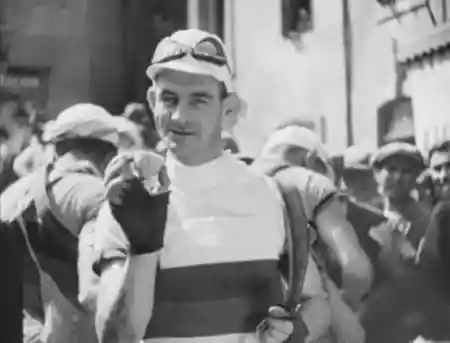
I noticed the bikes right away. They look like they are made of solid lead and weigh about fifty pounds each.
There is a scene where they are prepping for the race and the noise of the crowd feels like it was recorded in a tin can. It’s actually kind of charming in a lo-fi way.
Biscot isn't exactly a pro athlete. He’s got this rubbery face that reminds me of silent film stars who were still adjusting to talking roles.
One part that really stuck with me is when he’s riding up a hill. You can actually see the real sweat and the dust on his face.
It doesn't feel like a movie set. It feels like they just dragged a camera out to a dirt road and told him to start pedaling.
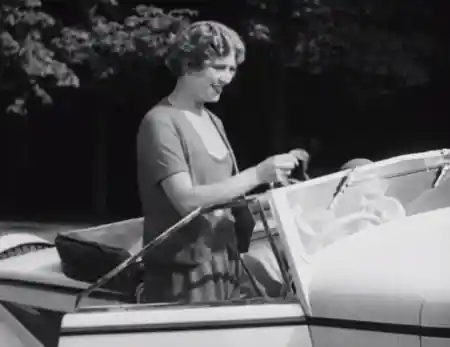
The editing is a bit jumpy. Sometimes a character will be on the left side of the screen and then suddenly they are on the right without any transition.
It reminded me a little bit of the pacing in The Squaw Man which came out the same year. Both films have that weird 1931 energy where everything is a bit experimental.
There is a subplot with a rival who is trying to mess with Biscot’s bike. It’s very predictable, but the guy playing the villain has such a great mustache that I didn't mind.
I think the movie gets much better once the race actually starts. The shots of the cyclists moving through the French countryside are actually quite beautiful.
Even if the film is grainy, you get a real sense of how huge the Tour de France felt back then. It wasn't just a race; it was like a circus coming to town.

Mona Goya doesn't have a whole lot to do besides look impressed. But she has this one reaction shot when she sees Biscot on the bike that is genuinely sweet.
The humor is very physical. Lots of falling off bikes and looking confused at maps.
It’s not as dark as something like Chantage. It stays light and breezy the whole time.
One thing that was weird was the music. It just kind of stops and starts at random intervals.
There is a moment where Biscot is eating a giant piece of bread while riding. It’s probably the most relatable thing in the whole movie.
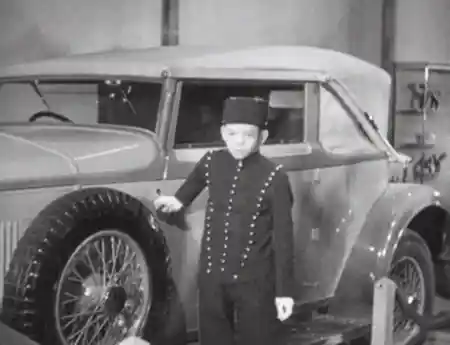
I wonder if people in 1931 thought this was high-octane action. To us, it looks like a slow-motion parade, but you can feel the effort.
The ending is exactly what you think it will be. But that's okay because the journey is the point here.
If you've seen Le Paradis Perdu, you know how French cinema from this era can be very sentimental. This one is less sad, though.
It’s a bit of a mess structurally. The first twenty minutes feel like a different movie than the race part.
But I like that it doesn't feel polished. It feels like a group of people having fun with a new technology.
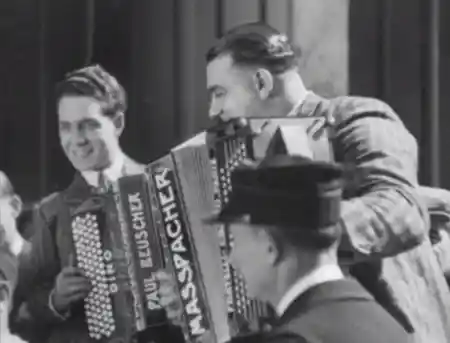
The background extras in the village scenes look like real locals who were just told to stand there and wave. One old man in the back looks very confused by the camera. 😂
Is it a masterpiece? No. Is it a fun way to see what the Tour de France looked like 90 years ago? Definitely.
The way they filmed the swimming scenes is also pretty interesting. They use these very flat angles that make the pool look like a giant mirror.
Biscot has this clumsy charm that carries the thin plot. Without him, the movie would just be a documentary about old tires.
I’m glad I watched it, even if I’ll probably forget the specific plot beats by next week. The image of those heavy bikes in the mud will stay with me though.
Final thought: don't watch this if you want a serious sports drama. Watch it if you want to see a mailman work way too hard for a date.
IMDb —
1915
Community
Log in to comment.