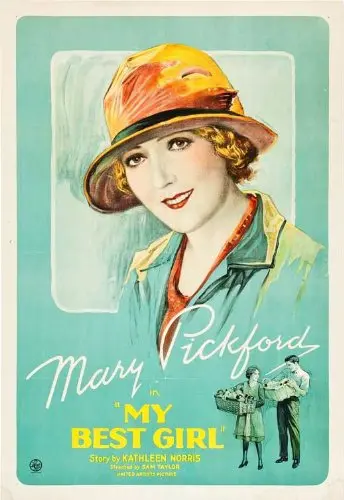
A definitive 7.4/10 rating for a film that redefined the boundaries of cult cinema. My Best Girl remains a cornerstone of transgressive art.
Is My Best Girl (1927) worth watching today? Short answer: yes, absolutely, but with the understanding that it’s a product of its time and genre. This silent era gem, starring the inimitable Mary Pickford, offers a delightful escape into early Hollywood romance, proving that genuine charm and heartfelt performances can transcend the passage of nearly a century. It's a film best suited for cinephiles, romantics, and anyone curious about the foundational artistry of cinema, yet it might not captivate viewers accustomed to faster pacing and modern narrative conventions.
This film works because of the undeniable chemistry between its leads, Mary Pickford and Charles ‘Buddy’ Rogers, combined with a surprisingly grounded, relatable story that avoids much of the melodrama often associated with silent cinema. It fails, perhaps, only in its inability to fully shake off certain period conventions that can feel a touch simplistic to a contemporary audience, particularly in the rapid resolution of its central conflict. You should watch it if you appreciate nuanced silent acting, lighthearted romance, and a peek into the social dynamics of the 1920s, especially if you’re a fan of Mary Pickford’s unique star power.
A Portrait of Silent Era Charm: My Best Girl's Enduring Appeal
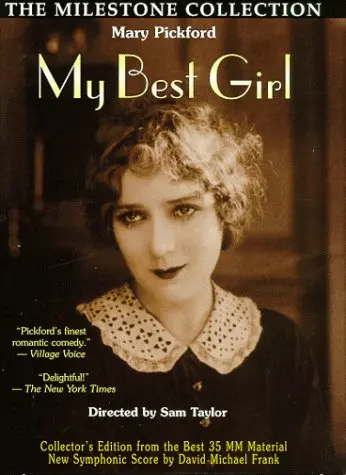
Mary Pickford, affectionately known as 'America's Sweetheart,' was a global phenomenon, and My Best Girl stands as a testament to her enduring appeal. Released in 1927, on the cusp of the sound era, this film captures Pickford in her signature role as a plucky, independent young woman, navigating the complexities of life and love with an infectious spirit. The film's overall tone is one of gentle romance and understated comedy, a refreshing departure from the grand, often tragic narratives that defined many of its contemporaries. It’s a film that understands the power of a smile, a glance, and the subtle gestures that convey a universe of emotion without a single spoken word.
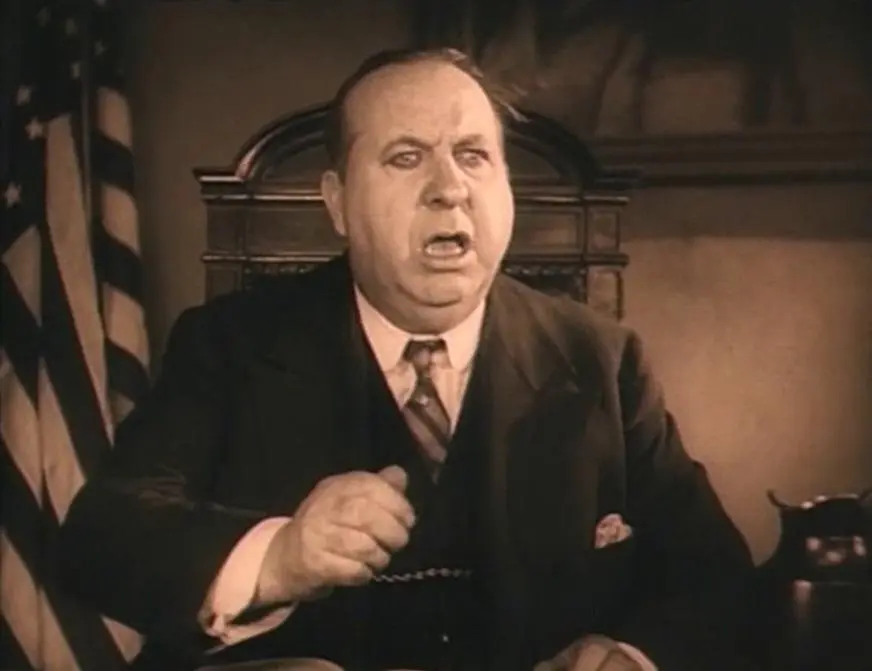
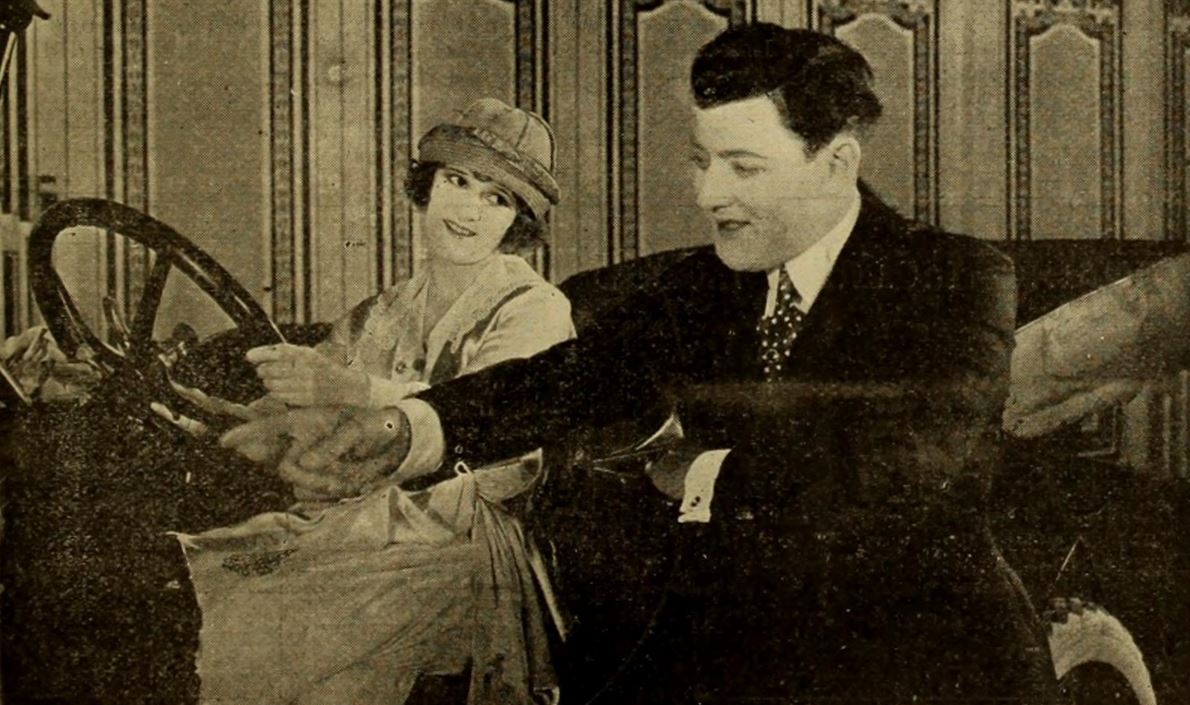
Scene from My Best Girl
Cinematic perspective: Exploring the visual vocabulary of My Best Girl (1927) through its definitive frames.
The film’s setting, a bustling department store, provides a vibrant backdrop for its unfolding drama. This isn't just a location; it's a character in itself, a microcosm of societal strata where stock girls and managers' sons can, however improbably, cross paths. The attention to detail in depicting the daily grind, the camaraderie among the workers, and the stark contrast between the front-of-house glamour and the backroom toil, grounds the romance in a tangible reality. It makes the eventual connection between Maggie (Pickford) and Joe (Rogers) feel earned, rather than merely fated. This grounded approach is one of the film's greatest strengths, allowing its emotional beats to resonate with a sincerity that many more overtly dramatic silent films struggle to achieve.
What truly sets My Best Girl apart is its quiet confidence. It doesn't rely on exaggerated theatrics or over-the-top villainy. Instead, the conflict arises organically from class distinctions, personal ambition, and the simple awkwardness of burgeoning affection. Pickford, even at the height of her fame, commits fully to the role of a working-class girl, her expressive face conveying every flicker of hope, trepidation, and joy. It’s a performance that reminds us why she was such a beloved figure, an actress capable of immense nuance even within the broad strokes of silent film acting.
Performance Powerhouses: Pickford and Rogers' Chemistry
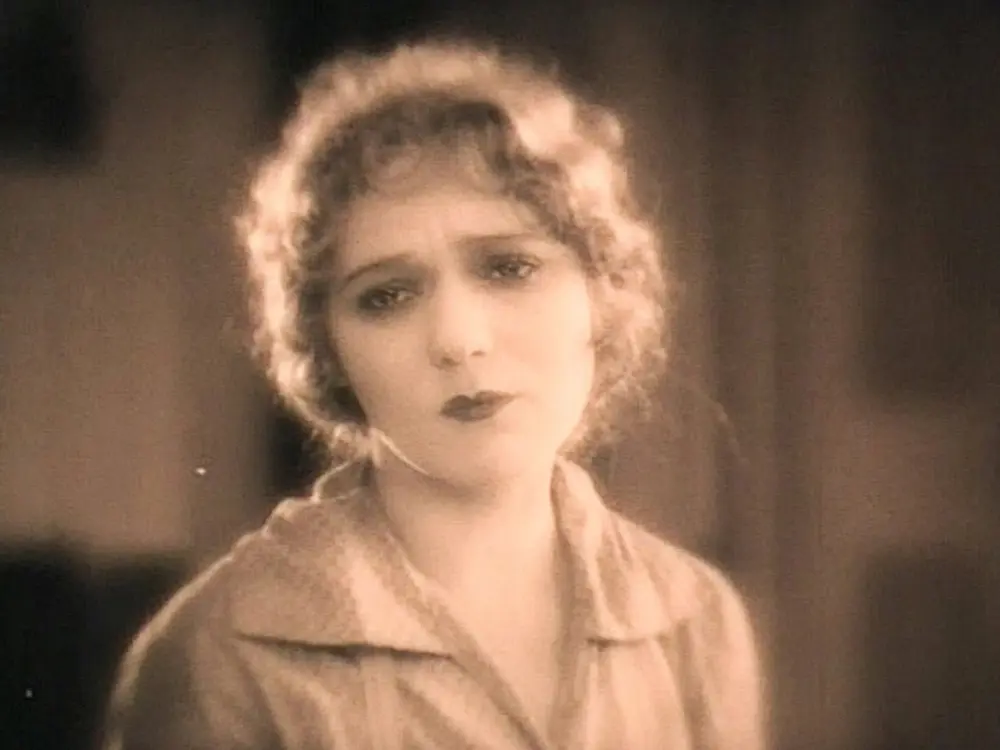
The heart of My Best Girl beats strongest in the magnetic chemistry between Mary Pickford and Charles 'Buddy' Rogers. Pickford, as Maggie Johnson, delivers a performance that oscillates between playful innocence and fierce determination. Her ability to convey complex emotional states through subtle facial expressions and body language is simply remarkable. Consider the scene where Maggie first interacts with Joe, her initial shyness slowly giving way to a spark of curiosity and then genuine affection. Her eyes, magnified by close-ups, tell an entire story without the need for intertitles.
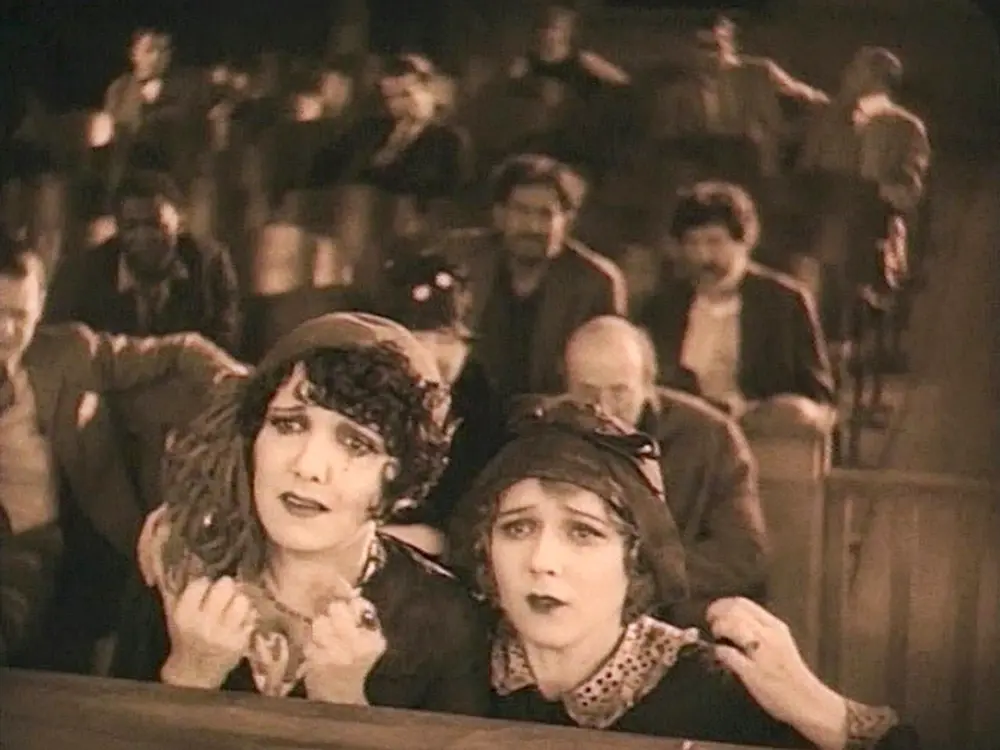
Scene from My Best Girl
Cinematic perspective: Exploring the visual vocabulary of My Best Girl (1927) through its definitive frames.
Rogers, as Joe Merrill, perfectly complements Pickford. He portrays a character burdened by the expectations of his wealthy father yet driven by an earnest desire to prove himself independently. His performance is understated, avoiding the histrionics common in some male leads of the era. Joe’s internal struggle—torn between his engagement to a debutante and his burgeoning love for Maggie—is subtly communicated through his posture, his hesitant smiles, and the genuine warmth he shows Maggie. Their interactions, from their playful teasing in the stockroom to their more tender moments, feel remarkably authentic. The sequence where they share a simple meal, filled with laughter and shared glances, highlights their natural rapport and makes their connection utterly believable.
The supporting cast, while not as prominently featured, adds texture to the film's world. Lucien Littlefield, as the officious store manager, provides a touch of comedic relief and a bureaucratic obstacle for our heroes. Even smaller roles, such as those played by Mack Swain and Isabelle Sheridan, contribute to the bustling, lived-in feel of the department store, making it a credible environment for romance to bloom. The film understands that a strong central romance is amplified by a believable world around it, and the ensemble cast, under the direction, helps achieve this.
Directorial Choices and Visual Storytelling
The directorial vision for My Best Girl, credited to Sam Taylor, with a story by Kathleen Norris and screenplay by Tim Whelan, Hope Loring, and Allen McNeil, is one of thoughtful simplicity. The film largely eschews flashy camera work or experimental techniques, opting instead for clear, concise visual storytelling that prioritizes character and emotion. This approach allows the audience to fully immerse themselves in the world and the burgeoning romance, rather than being distracted by technical flourishes. The direction is confident, letting the actors' performances and the strength of the narrative carry the film.
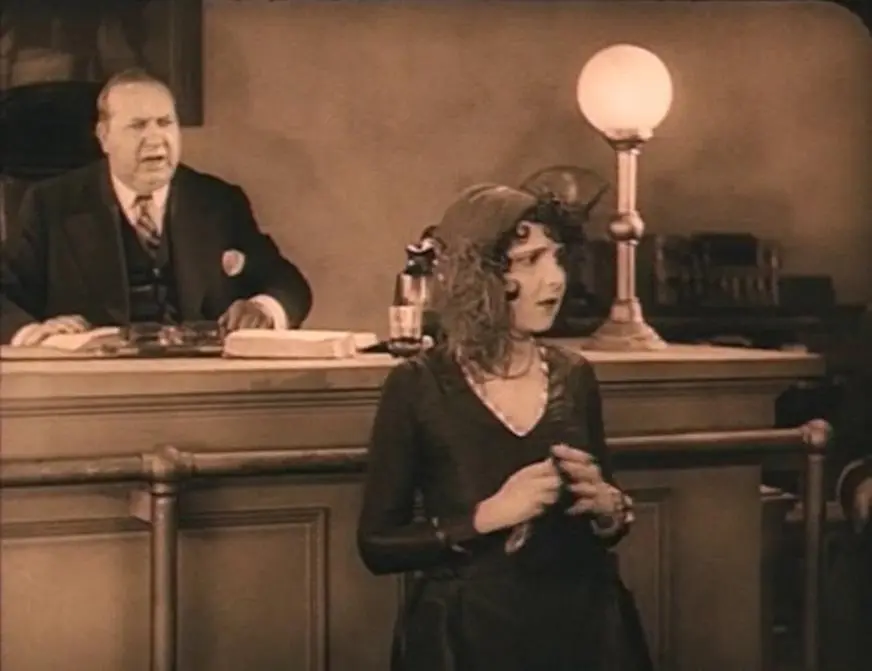
Scene from My Best Girl
Cinematic perspective: Exploring the visual vocabulary of My Best Girl (1927) through its definitive frames.
Cinematography, while not groundbreaking, is consistently effective. The use of natural light in many of the interior shots, particularly within the department store, lends an air of realism. Close-ups are employed judiciously, often to capture the nuanced expressions of Pickford, amplifying the emotional impact of her performance. For instance, the tight framing on Maggie’s face as she processes a new piece of information, or her subtle reactions to Joe’s presence, draws the viewer intimately into her internal world. This focus on facial expression is a hallmark of great silent cinema, and My Best Girl utilizes it to full effect.
One particularly effective directorial choice is the way the film contrasts the chaotic energy of the department store with the quiet, intimate moments shared by Maggie and Joe. The frenetic pace of the sales floor, with its bustling customers and harried employees, serves as a dynamic backdrop against which their clandestine glances and whispered conversations stand out as oases of calm. This visual juxtaposition heightens the sense of their private world forming amidst public scrutiny. The scene in the stockroom, where they share a playful moment with a doll, is a perfect example of how simple staging and effective performance can create an indelible memory.
Pacing, Tone, and the Silent Narrative
For those unfamiliar with silent cinema, pacing can often be a point of contention. However, My Best Girl maintains a remarkably sprightly pace for a film of its era. It moves with a gentle momentum, allowing scenes to breathe and emotions to develop, without ever feeling sluggish. The narrative unfolds organically, propelled by the growing affection between Maggie and Joe, and the subtle obstacles that arise from their differing social stations and Joe’s existing commitments. It's a testament to the efficient storytelling of the writers, Kathleen Norris, Tim Whelan, Hope Loring, and Allen McNeil, that the plot never feels bogged down despite the lack of spoken dialogue.
Scene from My Best Girl
Cinematic perspective: Exploring the visual vocabulary of My Best Girl (1927) through its definitive frames.
The film's tone is a masterclass in balance. It deftly weaves together elements of romantic comedy, light drama, and social commentary without letting any single aspect overwhelm the others. There's a genuine sweetness to the romance, an innocent charm that is utterly disarming. The comedic moments, often derived from Maggie's plucky nature or the everyday foibles of the department store staff, are genuinely amusing and provide welcome levity. Crucially, the film largely avoids the heavy-handed melodrama that characterized many other silent romances, such as the more intense dramatic arcs seen in films like The Son of a Sheik. Instead, its emotional impact comes from sincerity rather than sensationalism.
The silent narrative, relying on intertitles and visual cues, is handled with grace. The intertitles are concise and to the point, providing necessary dialogue and exposition without over-explaining. This allows the actors’ performances, particularly Pickford’s, to carry the bulk of the storytelling, making the viewing experience surprisingly immersive. The film trusts its audience to interpret emotions and follow the plot through visual cues, a skill that modern audiences might need to re-engage with, but one that is richly rewarded here. The narrative structure, while simple, is effective, building towards a satisfying, if somewhat predictably charming, conclusion.
Is My Best Girl Worth Watching Today?
Absolutely.
Yes, My Best Girl is unequivocally worth watching today, especially for those with an appreciation for classic cinema. It's a delightful, surprisingly modern-feeling romantic comedy from the silent era. Mary Pickford's performance is captivating. The story is charming and relatable. It offers a unique window into 1920s filmmaking. While it requires a slight adjustment to the silent film format, the emotional payoff is significant. It stands as a testament to the enduring power of simple, heartfelt storytelling.
Scene from My Best Girl
Cinematic perspective: Exploring the visual vocabulary of My Best Girl (1927) through its definitive frames.
The film’s central themes of class difference, personal ambition, and finding love against odds remain timeless. While the societal context has changed dramatically, the core human emotions explored—infatuation, loyalty, the desire for independence—are universal. Pickford's portrayal of Maggie is particularly resonant; she's a strong, self-reliant woman who isn't waiting to be rescued, a character ahead of her time in many respects. This makes her character arc genuinely engaging even for contemporary viewers. The film’s light touch prevents it from feeling dated or overly sentimental, allowing its genuine warmth to shine through.
However, it's important to set expectations. This is a silent film, meaning no spoken dialogue and reliance on intertitles and a musical score (which can vary depending on the print you watch). For audiences accustomed to rapid-fire dialogue and intricate plots, the pacing might initially feel slow. But if you allow yourself to settle into its rhythm, you'll discover a rich, expressive form of storytelling that relies on visual nuance and powerful performances. It’s a film that asks for a little patience and rewards it with abundant charm.
The Unconventional & The Obvious: Deeper Observations
An unconventional observation about My Best Girl is how subtly it critiques the rigidity of class structures without ever becoming preachy. The film doesn't depict Joe's wealthy family or his debutante fiancée as villains. Instead, they represent a set of expectations and societal norms that simply don't align with Joe's genuine desires or Maggie's independent spirit. The conflict isn't about good versus evil; it's about authenticity versus obligation, a far more sophisticated narrative than many of its contemporaries. This allows the audience to sympathize with all parties, even as we root for the central romance.
Another surprising element is the maturity of Maggie and Joe's relationship. While it begins with playful flirtation, their connection quickly deepens into one of mutual respect and understanding. There’s a scene where Maggie, despite her own feelings, encourages Joe to pursue his ambitions independently, even if it means sacrificing their immediate happiness. This selflessness and practical understanding elevate their romance beyond typical cinematic contrivances. It portrays love not just as an emotional explosion, but as a partnership built on shared values and support, a refreshing take for 1927.
On the more obvious side, Pickford’s 'eternal child' persona, which often saw her playing characters younger than her actual age, is both a strength and a slight limitation here. While it perfectly suits Maggie’s innocent charm and spirited nature, it occasionally brushes up against the more mature themes of class and career ambition. However, Pickford's sheer talent ensures that even these moments feel authentic, her expressive face conveying a wisdom beyond the youthful appearance. It works. But it’s flawed. This tension between innocence and experience is, perhaps, what makes her performance so compelling and enduring.
Pros and Cons
Pros:
Mary Pickford's Radiant Performance: She is utterly captivating, showcasing her range from comedic timing to heartfelt emotion.
Remarkable Chemistry: The on-screen spark between Pickford and Charles 'Buddy' Rogers is palpable and genuinely endearing.
Relatable & Grounded Story: A romance that feels authentic, avoiding excessive melodrama for genuine human conflict.
Effective Pacing: Maintains a steady, engaging rhythm that keeps the audience invested without feeling rushed or slow.
Charming Period Detail: Offers a fascinating glimpse into 1920s department store life and social dynamics.
Cons:
Silent Film Format: May be a barrier for viewers unaccustomed to the genre, requiring a different viewing approach.
Predictable Resolution: The film's conclusion, while satisfying, doesn't stray far from established romantic comedy tropes.
Limited Supporting Character Depth: While effective, the supporting cast largely serves to advance the main romance rather than develop complex arcs of their own.
Key Takeaways
Best for: Fans of classic Hollywood, silent film enthusiasts, and anyone seeking a heartwarming, character-driven romance.
Not for: Viewers who struggle with the silent film format, prefer fast-paced modern narratives, or require complex, unpredictable plots.
Standout element: The captivating on-screen chemistry and nuanced performances of Mary Pickford and Charles 'Buddy' Rogers, which anchor the entire film.
Biggest flaw: A slightly simplistic resolution to its central conflict, which, while charming, could have benefited from a touch more narrative complexity.
Verdict
My Best Girl is more than just a historical curiosity; it’s a genuinely engaging and delightfully charming film that holds up remarkably well. Mary Pickford delivers one of her most endearing performances, perfectly balancing comedic timing with sincere emotion. Her chemistry with Charles 'Buddy' Rogers is palpable, making their burgeoning romance the undeniable heart of the picture. While the silent film format requires a certain patience and appreciation for a different style of storytelling, the rewards are plentiful.
This film excels in its understated approach, delivering a romantic comedy that feels both timeless and grounded. It’s a testament to the power of simple, well-told stories and the magnetic presence of its stars. For anyone looking to explore the golden age of silent cinema or simply enjoy a feel-good romance with substance, My Best Girl is an absolute must-watch. It’s a beautifully preserved piece of cinematic history that still manages to tug at the heartstrings and leave a lasting smile. Highly recommended for its warmth, wit, and the sheer star power of Pickford.