DbcultAccessing Vault...
6.1/10
Senior Film Conservator
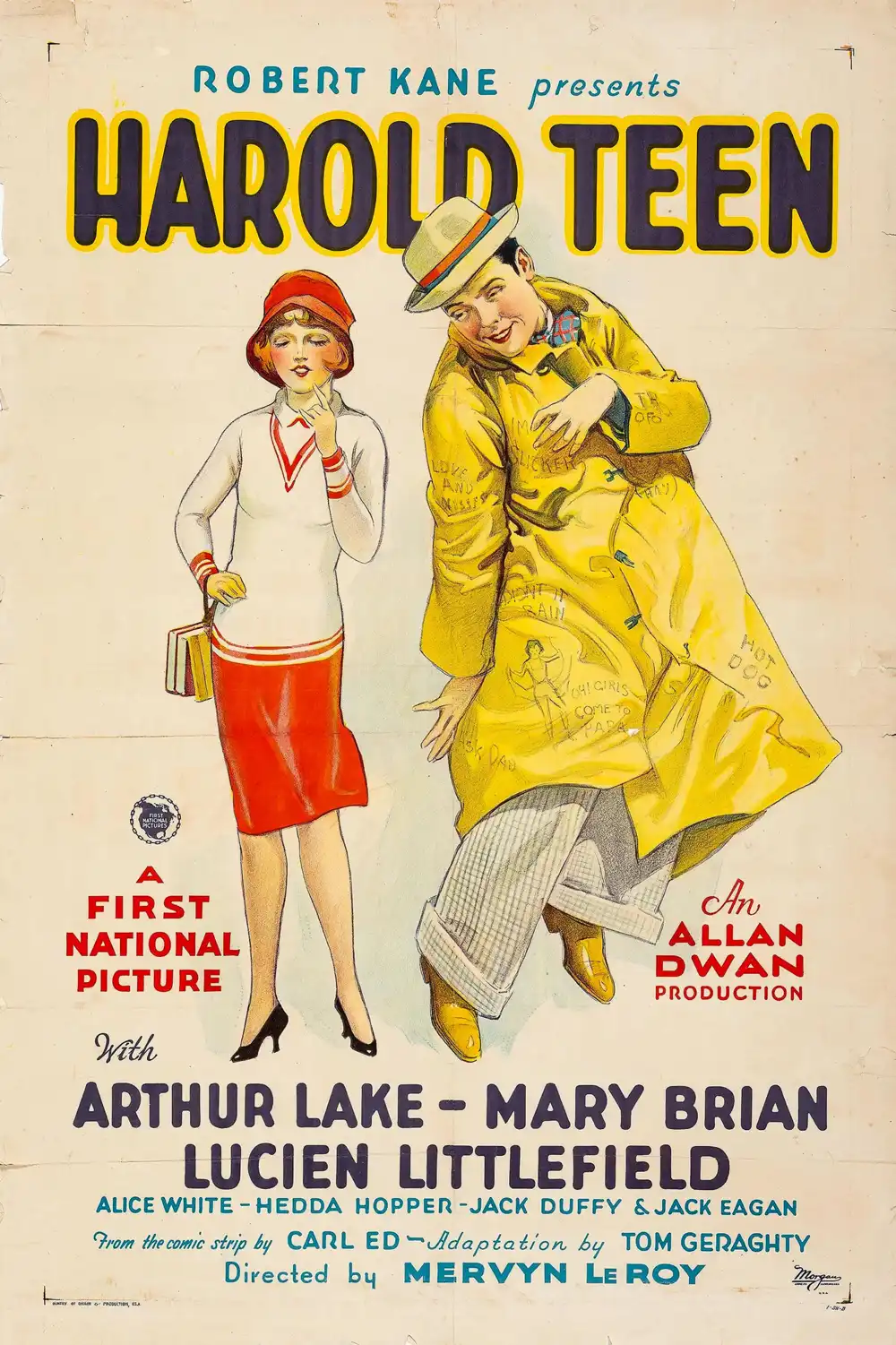
A definitive 6.1/10 rating for a film that redefined the boundaries of cult cinema. Harold Teen remains a cornerstone of transgressive art.
Okay, let’s talk about Harold Teen. Look, if you’re not already a silent film enthusiast, or at least someone who appreciates the sheer historical curiosity of these things, then this 1928 picture is probably not for you. It’s got a certain sweetness, sure, and a few genuinely funny moments, but it’s also undeniably slow in places and relies heavily on a kind of broad, innocent charm that just doesn’t translate for a lot of modern viewers. If you’re into seeing how high school life was depicted almost a century ago, or if you just enjoy the particular rhythms of silent comedy, then maybe give it a shot. Otherwise, you’ll likely find yourself checking your watch.
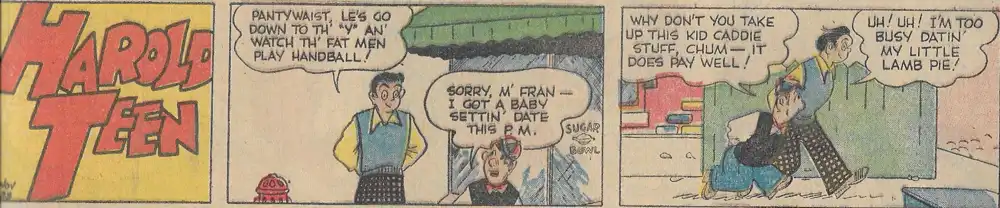
The whole premise is simple enough: Harold (Arthur Lake, who later became famous as Dagwood Bumstead) is this relentlessly upbeat farm kid who moves to the city and enrolls in high school. His arrival immediately shakes things up. He’s supposed to be this whirlwind of popularity, and the film certainly tries to show that. Lake has a very expressive face, which is crucial for silent acting, and he’s constantly mugging or beaming or doing some kind of physical bit. Sometimes it works, sometimes it feels a little… much. There’s a scene early on where he’s just introduced to the school, and the way he bounces around, almost vibrating with energy, feels less like a natural teenager and more like someone told him to 'act excited' and he took it to heart.
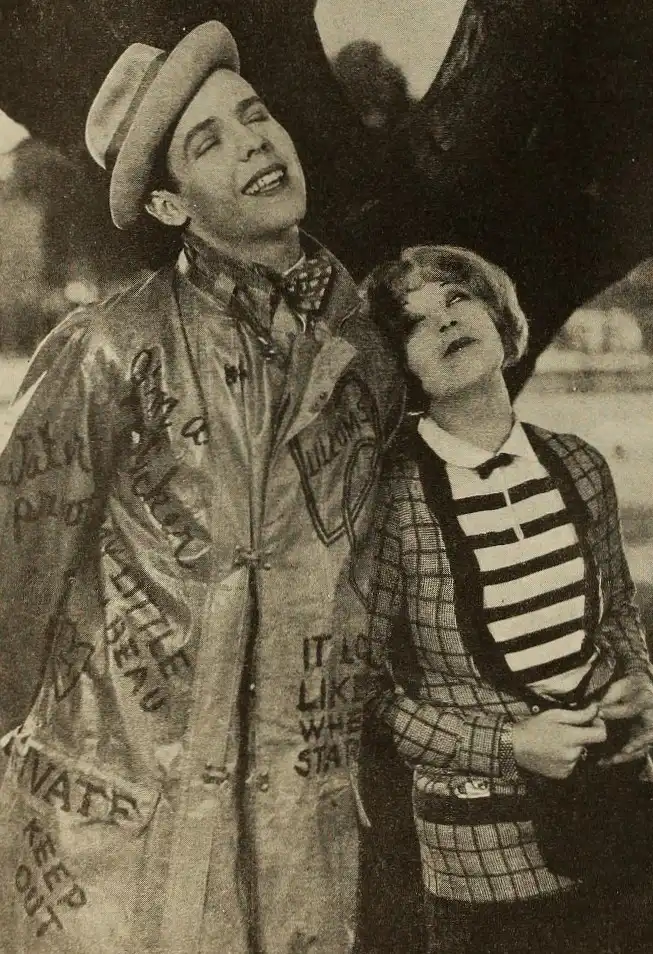
The first act, surprisingly, is probably the strongest. It sets up Harold’s fish-out-of-water situation pretty well. You get a sense of the campus politics, the different cliques, all through these really clear visual cues. There’s a girl, Lillian (Mary Brian), who Harold immediately takes a shine to, and their initial interactions are pretty cute. Brian has this understated elegance that grounds Lake’s more frantic energy. You actually believe they might like each other, which is a big win for a film like this.
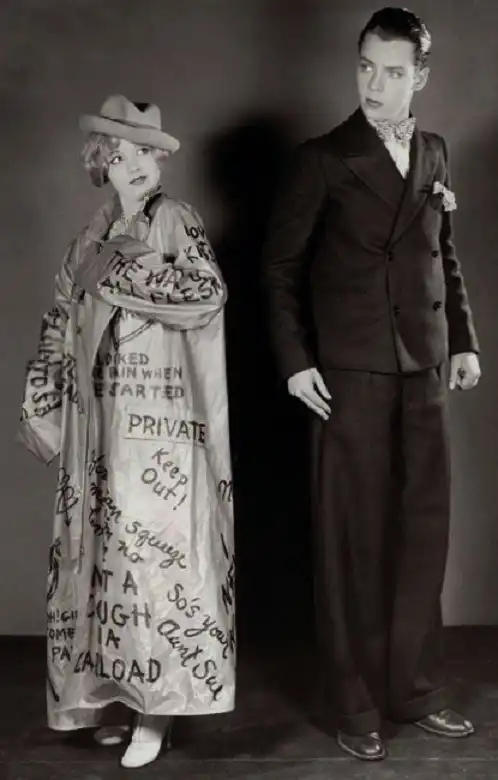
Then we get into the fraternity stuff. It’s all very 1920s, a bit quaint now. Hazing rituals involving paddling and silly costumes. It feels like a chapter out of a specific kind of old-timey storybook. The film tries to build some tension here, but it’s all so low-stakes. You never really worry about Harold. He’s too pure, too good-natured for anything truly bad to happen. It’s a comfort, I guess, but it also drains a lot of potential drama.
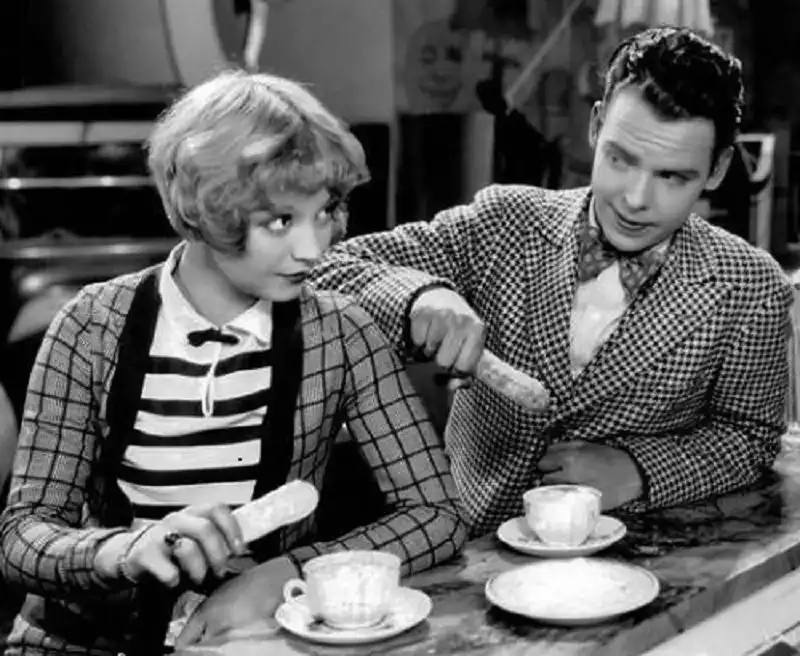
The pacing starts to drag a bit through the middle. There’s a lot of running around, a lot of quick cuts between different groups of students planning things, but not a lot actually happening. You can almost feel the movie trying to convince you these smaller moments matter. A lot of reaction shots linger just a little too long, waiting for a laugh that doesn't always come, or trying to emphasize a 'shock' that feels pretty mild by today's standards. One sequence involving a rival school prank just feels endless, with characters constantly hiding behind bushes and tripping over each other. It’s supposed to be slapstick, but it just feels… labored.
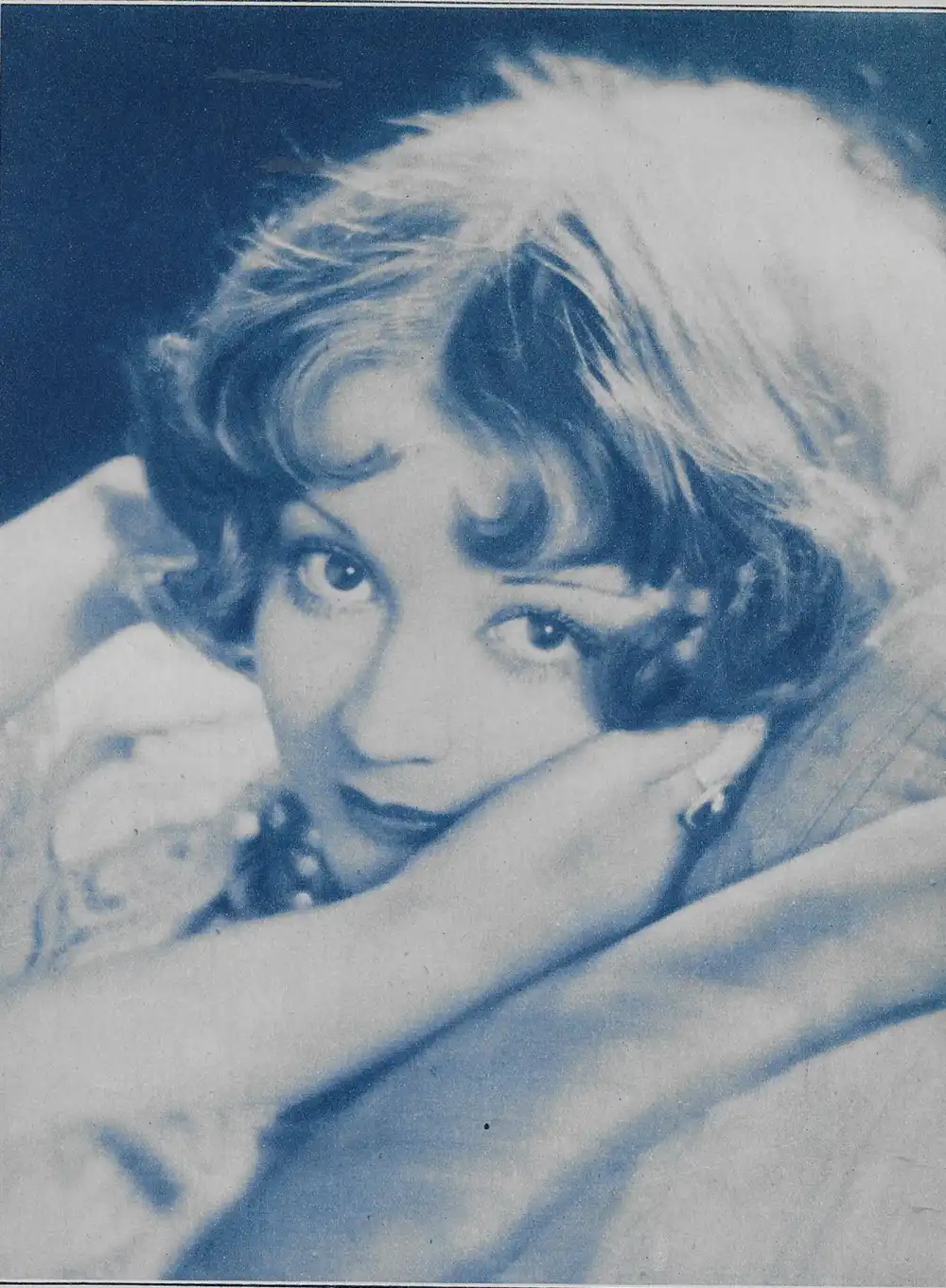
The football game sequence is pretty standard for the era. Lots of quick cuts, close-ups of grimacing faces, and intertitles explaining the action. It’s energetic enough, but it lacks any real sense of stakes. You know Harold’s going to come through. It’s that kind of movie. What did catch my eye was the sheer number of extras in the stands. For a moment, the film almost feels bigger than its small story, giving a glimpse into what a real 1920s high school game might have looked like, even if the on-field action is clearly choreographed for laughs.
Then there’s the class play. This is where the film really goes for broke with the comedy. Harold directs it, naturally. And it’s a mess. A delightful, chaotic mess. This part of the film actually gets a noticeable boost in energy. The costumes are deliberately over-the-top, the sets wobble, and the acting within the play is hilariously bad. There’s a moment where a prop moon falls down and almost hits someone, and the way the audience in the film reacts, with a mixture of horror and amusement, actually felt pretty genuine. It’s here that the film finally seems to stop taking itself quite so seriously, and that’s when it works best.
Virginia Sale, as Harold's aunt, has some good moments too. She’s the worried, slightly old-fashioned counterpoint to Harold’s boundless enthusiasm. Her expressions of exasperation are often more nuanced than some of the broader comedic bits from the younger cast. It’s a small role, but she makes it count.
Dialogue, through the intertitles, is pretty straightforward. Nothing too poetic or profound. It serves its purpose, moving the plot along and occasionally delivering a punchline. Sometimes, though, the intertitles feel like they’re trying to inject personality where the visuals aren’t quite delivering, which is a common silent film issue. You end up reading more than watching for a few stretches.
Overall, Harold Teen is a bit of a mixed bag. It’s a time capsule, no doubt, showing us a very specific, idealized vision of American youth. It has its charms, especially the chemistry between Arthur Lake and Mary Brian, and the sheer enthusiasm of Lake himself. But it also meanders. It feels like a series of comic strip panels strung together, rather than a cohesive narrative with rising tension. If you’re looking for a deep dive into silent cinema, maybe start with something else. But if you’ve already seen A Fool There Was and are just curious about the lighter side of the era, this might scratch that itch. Just be prepared for a leisurely pace.
IMDb 5.8
1930
Community
Log in to comment.