DbcultAccessing Vault...
5.1/10
Senior Film Conservator
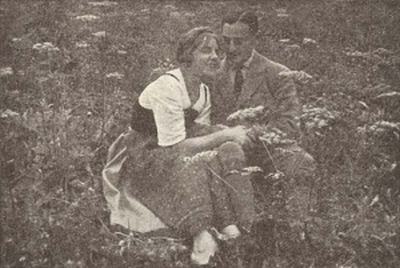
A definitive 5.1/10 rating for a film that redefined the boundaries of cult cinema. My Wife, the Movie Star remains a cornerstone of transgressive art.
Stepping into the world of "My Wife, the Movie Star" (original German title: "Meine Frau, die Filmschauspielerin"), one is immediately struck by the delightful effervescence that defined much of early German silent cinema, particularly those productions graced by the inimitable Ossi Oswalda. This 1919 gem, a product of the UFA studios, whisks us away to the majestic, yet often comically chaotic, world of film production in the soaring Alps, a setting that provides both breathtaking visual grandeur and a fertile ground for romantic entanglements. It’s a film that, even a century later, retains a remarkable freshness, a testament to the enduring power of its narrative simplicity and the magnetic pull of its star. The confluence of scenic beauty, burgeoning cinematic ambition, and a genuinely charming love story makes this feature a fascinating artifact, not merely for its historical significance but for its sheer entertainment value.
At its core, "My Wife, the Movie Star" masterfully plays with the intriguing dichotomy between on-screen performance and off-screen reality. The narrative unfolds against the backdrop of a film crew, led by the spirited and demanding director, striving to capture cinematic magic amidst the formidable peaks of the Alps. Our protagonist, the titular movie star, portrayed with vivacious charm by Ossi Oswalda, is a woman accustomed to the adulation of the masses and the meticulously crafted illusion of the silver screen. Her professional life is a whirlwind of dramatic poses, impassioned glances, and carefully rehearsed emotions, all designed for public consumption. Yet, it is in this highly artificial environment that she encounters something strikingly authentic: a local nobleman, a man whose existence is rooted not in theatrical grandeur but in the quiet dignity of his ancestral lands. This unexpected encounter forms the very heart of the film, setting in motion a delightful romantic comedy that explores the often-blurred lines between artifice and genuine affection.
The premise, while seemingly straightforward, allows for a rich exploration of themes pertinent to both its era and ours. The burgeoning film industry was, at this time, still finding its footing, grappling with its identity as both an art form and a commercial enterprise. "My Wife, the Movie Star" subtly critiques, yet also celebrates, the inherent theatricality of filmmaking. The film-within-a-film conceit provides ample opportunity for humorous observations on the quirks of movie production – the temperamental stars, the exasperated directors, the endless retakes, and the constant striving for dramatic effect. These elements are not merely background noise; they actively shape the protagonist's journey, forcing her to confront the differences between the grand gestures of her cinematic roles and the more understated, yet profound, emotions stirred by her real-life romance. The Alpine setting, far from being a mere picturesque backdrop, becomes an almost symbolic landscape, its natural majesty contrasting sharply with the manufactured drama of the film set, subtly underscoring the authenticity of the burgeoning love affair.
No discussion of "My Wife, the Movie Star" can truly begin without an extended homage to its radiant star, Ossi Oswalda. Often dubbed the "German Mary Pickford," Oswalda possessed an unparalleled screen presence, a unique blend of impish charm, vivacious energy, and an uncanny ability to convey a spectrum of emotions without uttering a single word. In an era where silent film acting often teetered on the edge of exaggerated melodrama, Oswalda brought a refreshing naturalism and a captivating lightness to her roles. Here, as the eponymous movie star, she is simply incandescent. Her portrayal is not merely a caricature of a demanding diva; instead, she imbues her character with a relatable vulnerability and a genuine sense of discovery as she navigates the uncharted waters of true affection. Her comedic timing is impeccable, her expressive eyes conveying volumes, whether she is feigning indignation on set or succumbing to the quiet allure of the nobleman. It is her performance that truly elevates the film from a pleasant diversion to a memorable cinematic experience. Her chemistry with Julius Dewald, who plays the nobleman, feels organic and believable, a crucial anchor for the romantic plotline. Oswalda's ability to pivot from playful coquetry to earnest longing is a masterclass in silent film acting, marking her as one of the period's most significant, yet perhaps underappreciated, talents.
Her character’s journey is particularly compelling. Initially, she is defined by her profession, her identity intrinsically linked to her stardom. The film cleverly deconstructs this public persona, revealing the woman beneath the carefully constructed façade. This transformation is subtly yet powerfully conveyed through Oswalda’s nuanced performance. We see her character evolve from a slightly self-absorbed celebrity to a woman genuinely grappling with profound emotions. This depth is what makes her portrayal so enduring. One might draw parallels to the spirited heroines found in other contemporary films, perhaps even the independent spirit seen in a film like "The Mate of the Sally Ann", though Oswalda's unique blend of comedic flair and romantic sincerity sets her apart. Her presence alone is often enough to carry entire scenes, a testament to her magnetic star power and intuitive understanding of the medium.
The strength of "My Wife, the Movie Star" is not solely attributable to its star, but also to the formidable creative team assembled behind the scenes. The screenplay, credited to Hanns Kräly, Ernst Lubitsch, and Erich Schönfelder, bears the unmistakable hallmarks of sophisticated storytelling. Ernst Lubitsch, even in his capacity as a writer for this feature (he would soon become a directorial titan), brings a certain elegance and wit to the narrative. His influence, even when not directly helming, often infused a playful cynicism and a keen understanding of human foibles into the scripts he touched. Kräly, a frequent collaborator with Lubitsch, was renowned for his ability to craft engaging narratives rich in character and situational comedy. Together, they weave a tapestry of lighthearted romance and subtle social commentary, ensuring that the film never descends into mere slapstick or overwrought sentimentality. The dialogue, conveyed through intertitles, is sharp, concise, and often infused with a delightful irony, propelling the plot forward with efficiency and charm. The narrative structure, too, is surprisingly modern for its time, maintaining a brisk pace and a clear focus on the central romantic conflict.
The writers skillfully navigate the delicate balance between humor and heartfelt emotion. The supporting characters, while perhaps not as deeply explored as Oswalda's, are nevertheless well-defined and contribute effectively to the overall comedic atmosphere. Victor Janson, Max Kronert, and Paul Biensfeldt, among others, provide a robust ensemble, each bringing their distinct personalities to the film's vibrant world. Janson, in particular, often excelled in portraying pompous or slightly bumbling figures, a role he likely inhabits with gusto here. The script’s ability to generate genuine laughs without resorting to cheap gags is commendable, relying instead on character-driven humor and clever plot developments. This attention to detail in the writing elevates "My Wife, the Movie Star" beyond a simple romantic comedy, imbuing it with a timeless quality that resonates even today. The collaboration between these writers clearly fostered an environment where sophisticated comedic scenarios could flourish, laying a groundwork that many later romantic comedies would seek to emulate, perhaps unknowingly.
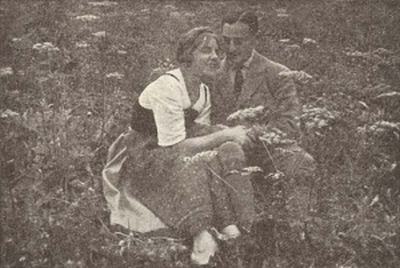
Visually, the film is a feast for the eyes, especially considering the technical limitations of its era. The decision to film in the actual Alps lends an unparalleled authenticity and grandeur to the proceedings that studio sets, no matter how elaborate, could never fully replicate. The sweeping vistas, the snow-capped peaks, and the dramatic natural light provide a stunning backdrop for the human drama unfolding. The cinematography, while adhering to the conventions of silent film, manages to capture both the intimacy of the romantic moments and the expansive scale of the mountain environment. There's a tangible sense of place that grounds the fantastical elements of the movie star's life in a very real, tangible world. The contrast between the glamorous, often over-the-top costumes of the film crew and the rugged, unadorned attire of the local nobility further accentuates the film's central thematic exploration of artifice versus authenticity.
The art direction and costume design, though not explicitly detailed in historical records, would have played a crucial role in establishing the film's distinct aesthetic. The portrayal of a film set within a film offers a fascinating glimpse into the nascent industry's self-perception. One can imagine the meticulous attention paid to the details of the "movie-within-a-movie," from the lighting setups to the faux-dramatic backdrops, all designed to highlight the humorous absurdity of the situation. This meta-narrative layer is executed with a light touch, never overshadowing the primary romance but rather enhancing its charm. The visual storytelling is paramount in silent cinema, and "My Wife, the Movie Star" excels in this regard. The expressions, gestures, and mise-en-scène are all carefully orchestrated to convey meaning and emotion without the aid of spoken dialogue. It's a masterclass in visual communication, a skill that some contemporary films, reliant on exposition, often overlook. The interplay of light and shadow, the composition of shots, and the effective use of close-ups all contribute to a rich visual tapestry that holds the viewer's attention throughout its runtime.
Beyond the surface-level romance, "My Wife, the Movie Star" delves into several deeper thematic currents. The most prominent, of course, is the exploration of love across societal divides. The movie star represents the modern, burgeoning world of celebrity and mass entertainment, a world of manufactured glamour and public adoration. The nobleman, on the other hand, embodies a more traditional, rooted existence, tied to land and lineage. Their romance, therefore, is not just a personal journey but also a symbolic bridging of these two distinct worlds. The film playfully suggests that genuine affection can transcend artificial boundaries, whether they be class distinctions or the constructed reality of the film set. This theme of finding authentic connection amidst the superficiality of modern life remains remarkably resonant. It’s a timeless narrative, echoing sentiments found in countless stories where different worlds collide, and hearts find common ground.
Furthermore, the film offers a fascinating commentary on the nature of performance and identity. The movie star's professional life requires her to constantly inhabit different roles, to project emotions that may or may not align with her true feelings. This constant state of 'acting' subtly influences her perception of reality, making her initial encounters with the nobleman a charming dance between her stage persona and her genuine self. The film posits a compelling question: when does the performance end, and the real person begin? And can one truly find love when one is always, in some sense, 'on'? The Alps, with their stark, unyielding reality, serve as a perfect counterpoint to this theatricality, forcing the protagonist to shed her performative layers and engage with the world on a more fundamental level. This exploration of identity through profession is a sophisticated element for a film of its time, demonstrating a foresight into the psychological complexities that celebrity would increasingly entail.
The film also subtly touches upon the burgeoning power of the moving image. The film crew's presence in the Alps is itself an intrusion, a modern industry imposing itself upon a timeless landscape. Yet, it is also a force of creation, capturing moments and weaving narratives that captivate millions. "My Wife, the Movie Star" thus engages with the very medium it inhabits, reflecting on its own power and its potential to both distort and reveal truth. This meta-cinematic quality adds another layer of intellectual engagement for the discerning viewer, making it more than just a simple romantic comedy. It’s a film that, in its own charming way, asks us to consider what we value: the dazzling illusion or the quiet, often messy, reality. This interplay between the real and the imagined is a central pillar of the film's enduring appeal, a testament to the thoughtful craftsmanship of its writers and its director.
In the grand tapestry of silent cinema, "My Wife, the Movie Star" might not always feature in the most prominent discussions alongside the epic dramas or the groundbreaking experimental works. However, its quiet charm, intelligent humor, and the magnetic performance of Ossi Oswalda secure its place as a delightful and significant entry. It’s a film that embodies the playful spirit of early German comedy, showcasing a lightness of touch and a sophisticated understanding of human relationships that often characterized the best works of the era. The seamless blend of picturesque scenery, engaging performances, and a well-crafted narrative ensures that it remains an utterly enjoyable experience, even for those unaccustomed to the unique rhythm of silent films. It serves as a wonderful reminder of the artistry and innovation that flourished during this foundational period of cinema. Compared to some of the more overtly dramatic features of the time, such as "The Destroyers" or the more earnest "I'm Glad My Boy Grew Up to Be a Soldier", "My Wife, the Movie Star" offers a refreshing counterpoint, proving the versatility and breadth of storytelling possible even without synchronized sound.
For enthusiasts of film history, this movie provides invaluable insight into the early careers of its key contributors, particularly the nascent genius of Ernst Lubitsch as a writer. For casual viewers, it offers a thoroughly entertaining and heartwarming romantic comedy that transcends its historical context. The film's ability to elicit genuine smiles and occasional chuckles, coupled with moments of tender romance, speaks volumes about its enduring appeal. It’s a testament to the fact that compelling storytelling, charismatic performances, and a keen eye for human nature are truly timeless ingredients for cinematic success. "My Wife, the Movie Star" is more than just a historical curiosity; it is a vibrant, engaging piece of cinematic art that continues to charm and entertain, proving that some stories, and some stars, simply never fade. Its gentle satire of the film industry, combined with its sincere portrayal of love, makes it a truly special offering from the silent era, deserving of renewed appreciation and exploration. It stands as a beacon of sophisticated entertainment from a bygone era, demonstrating that the foundations of modern romantic comedy were laid with considerable grace and wit.
IMDb 7.9
1920
Community
Log in to comment.