DbcultAccessing Vault...
6.6/10
Senior Film Conservator
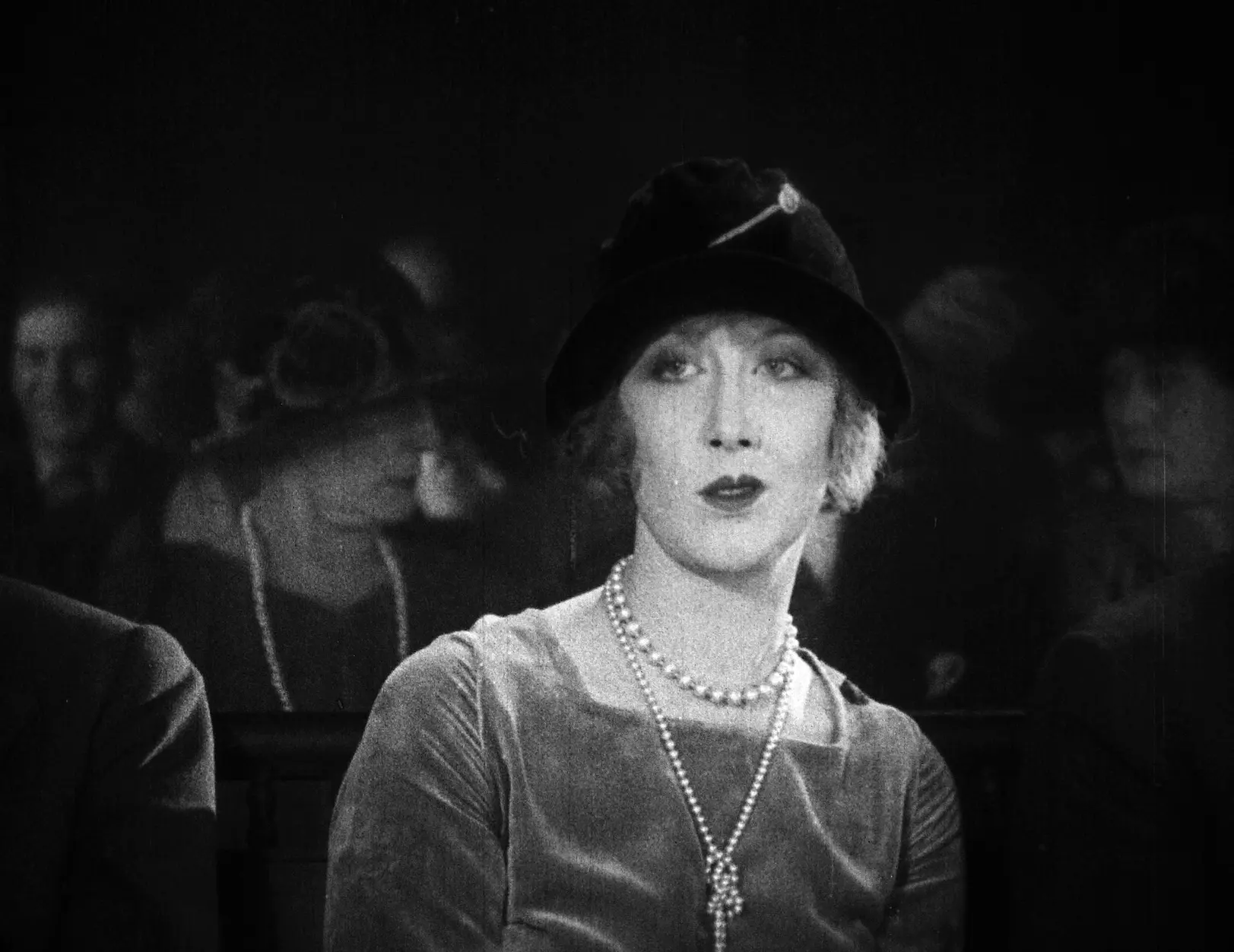
A definitive 6.6/10 rating for a film that redefined the boundaries of cult cinema. The Other Woman's Story remains a cornerstone of transgressive art.
There is a peculiar, haunting resonance in the way silent cinema articulates the dissolution of a marriage. Unlike the cacophony of modern domestic dramas, The Other Woman's Story (1925) relies on the visceral power of the gaze and the slow, agonizing unfolding of legal procedure to tell its tale. Directed with a keen eye for social nuance, this film stands as a precursor to the psychological thrillers that would dominate the mid-century, blending the melodrama of the 1920s with a proto-noir sensibility that feels remarkably sophisticated for its time.
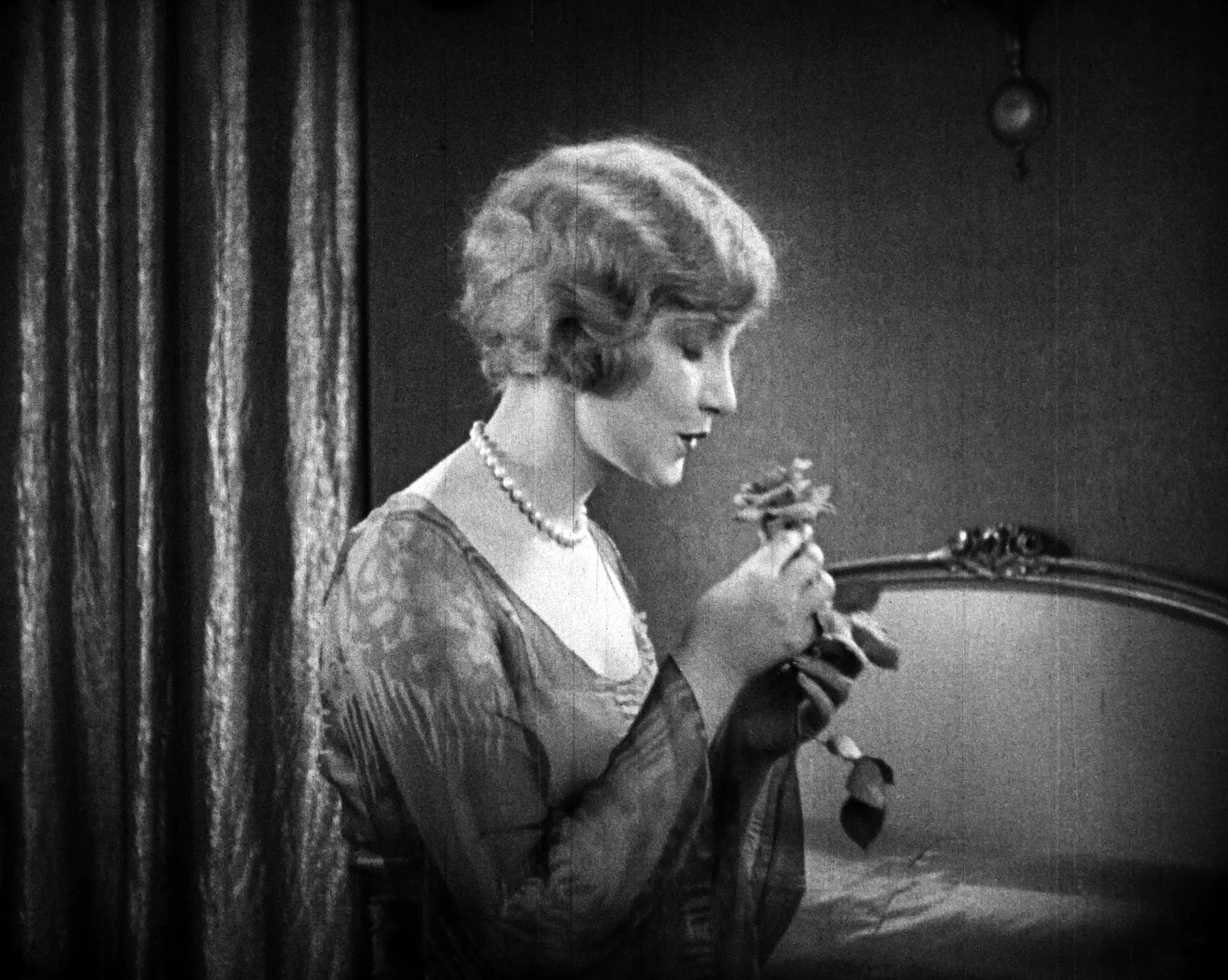
The story commences not with a bang, but with the quiet, devastating realization of betrayal. Alice Calhoun, an actress of profound emotive range, captures the fracturing of a woman’s world with a subtlety that avoids the era's penchant for over-the-top gesticulation. When she sues Robert for divorce, the film doesn't merely treat the adultery as a plot point; it treats it as a spiritual excision. The legal maneuvering here serves as a skeleton upon which the flesh of human frailty is hung. It reminds one of the thematic weight found in No Woman Knows, where the societal expectations of femininity are pitted against the harsh realities of personal autonomy.
Robert Frazer’s performance is equally compelling. He portrays the accused husband with a distance that makes him both sympathetic and suspicious. Is he a victim of circumstance, or a calculated manipulator? The screenplay by Peggy Gaddis and John F. Goodrich cleverly keeps the audience at arm's length, mirroring the courtroom's own struggle to find a definitive truth among the debris of a broken home. The transition from a civil suit to a murder trial when Alice’s lawyer is found dead is a masterstroke of narrative escalation, shifting the stakes from financial and social ruin to the ultimate finality of the gallows.
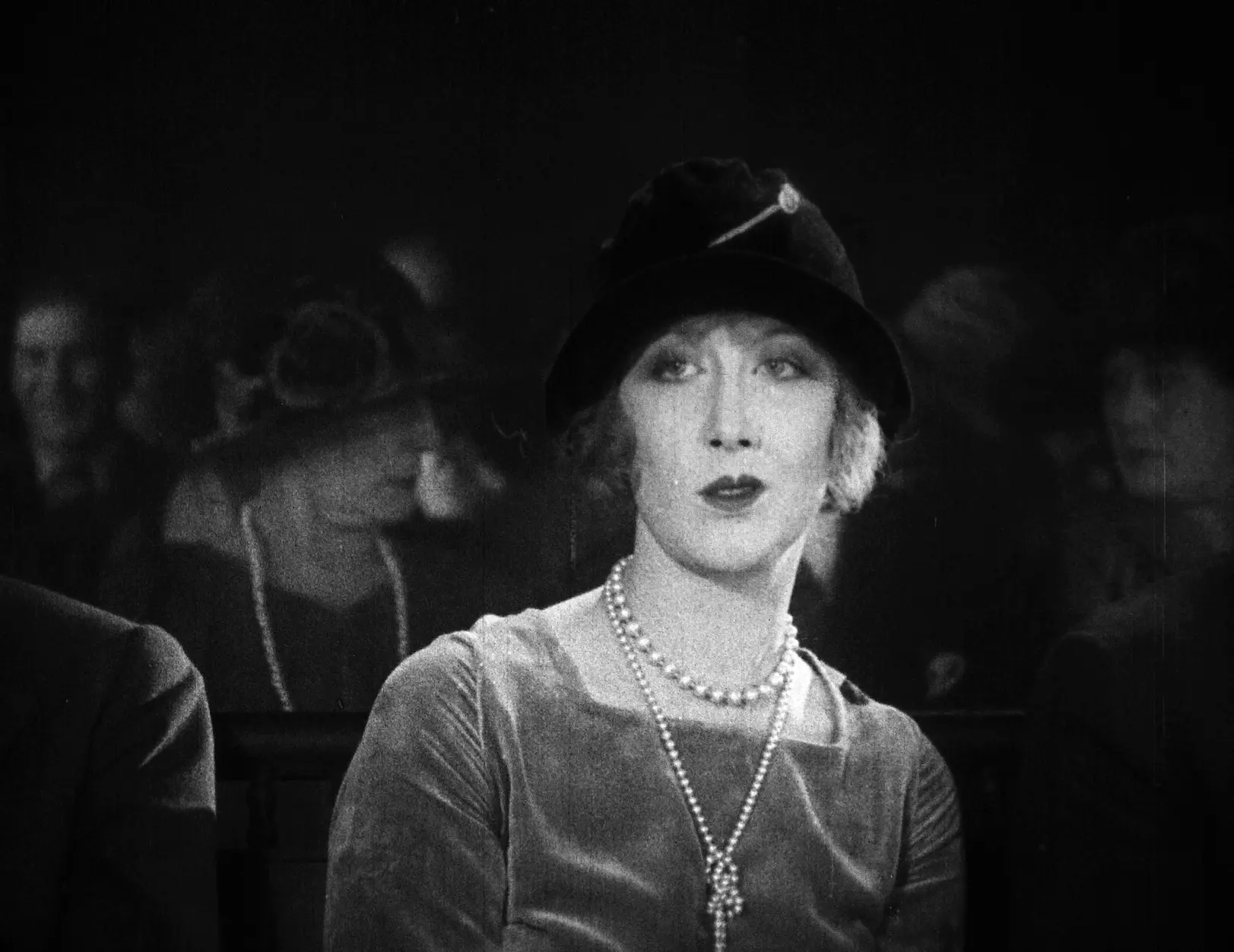
What makes The Other Woman's Story particularly avant-garde is its structural reliance on the witness stand. Long before Kurosawa popularized the subjective narrative, this film utilized the trial as a vessel for multiple viewpoints. As each witness speaks, we are transported into their specific version of reality. This technique creates a kaleidoscopic effect, where the 'truth' is constantly shifting, reshaped by the biases and secrets of the observers. In this regard, it shares a certain DNA with the meta-narrative layers of Bag Filmens Kulisser, which explored the artifice behind the image.
The visual language of these flashbacks is distinct. The lighting shifts, the framing becomes more intimate or more detached depending on who is speaking. This isn't just clever storytelling; it’s an exploration of the fallibility of human memory. The supporting cast, including David Torrence and Charles Clary, provide a robust framework for this procedural. Clary, in particular, brings a gravitas to the courtroom that grounds the film’s more melodramatic impulses, ensuring that the legal stakes feel authentic and terrifyingly real.
The title itself is a provocation. In the social context of 1925, the 'other woman' was a figure of absolute vilification. However, the film treats this archetype with a surprising amount of complexity. Riza Royce and Helen Lee Worthing inhabit their roles with a poise that suggests there is always more to the story than the public record allows. The film interrogates the concept of the 'femme fatale' before the term was even fully codified in the cinematic lexicon, suggesting that these women are often as much pawns in a patriarchal game as they are agents of chaos.
This nuanced approach to gender and morality can be contrasted with the more traditional romantic tropes found in Till We Meet Again. While that film leans into the poignancy of separation, The Other Woman's Story leans into the bitterness of it. It’s a film that isn't afraid to show the ugliness beneath the polished surfaces of high society, much like the thematic undercurrents of Pagan Passions, which delved into the collision of desire and social duty.
From a technical standpoint, the film is a testament to the sophistication of late-silent era production. The set design of the courtroom is imposing, designed to make the individual characters look small and vulnerable against the machinery of the law. The use of intertitles is sparse, allowing the visual storytelling to carry the emotional weight—a hallmark of great silent cinema that is often lost in modern appraisal. The pacing is deliberate, building a sense of dread that culminates in the appearance of the 'new witness'—a moment that is handled with the kind of suspenseful precision one might find in a high-tech thriller like Sneakers, despite the decades of technological difference.
The cinematography captures the essence of the characters' internal turmoil. There are moments where the camera lingers on Alice Calhoun’s face, catching the minute tremors of her resolve, that are more powerful than any page of dialogue. It is this focus on the human element within the rigid structure of the law that elevates the film from a mere potboiler to a work of genuine artistic merit. It possesses the adventurous spirit of Tempest Cody Turns the Tables but applies it to the domestic and legal sphere rather than the frontier.
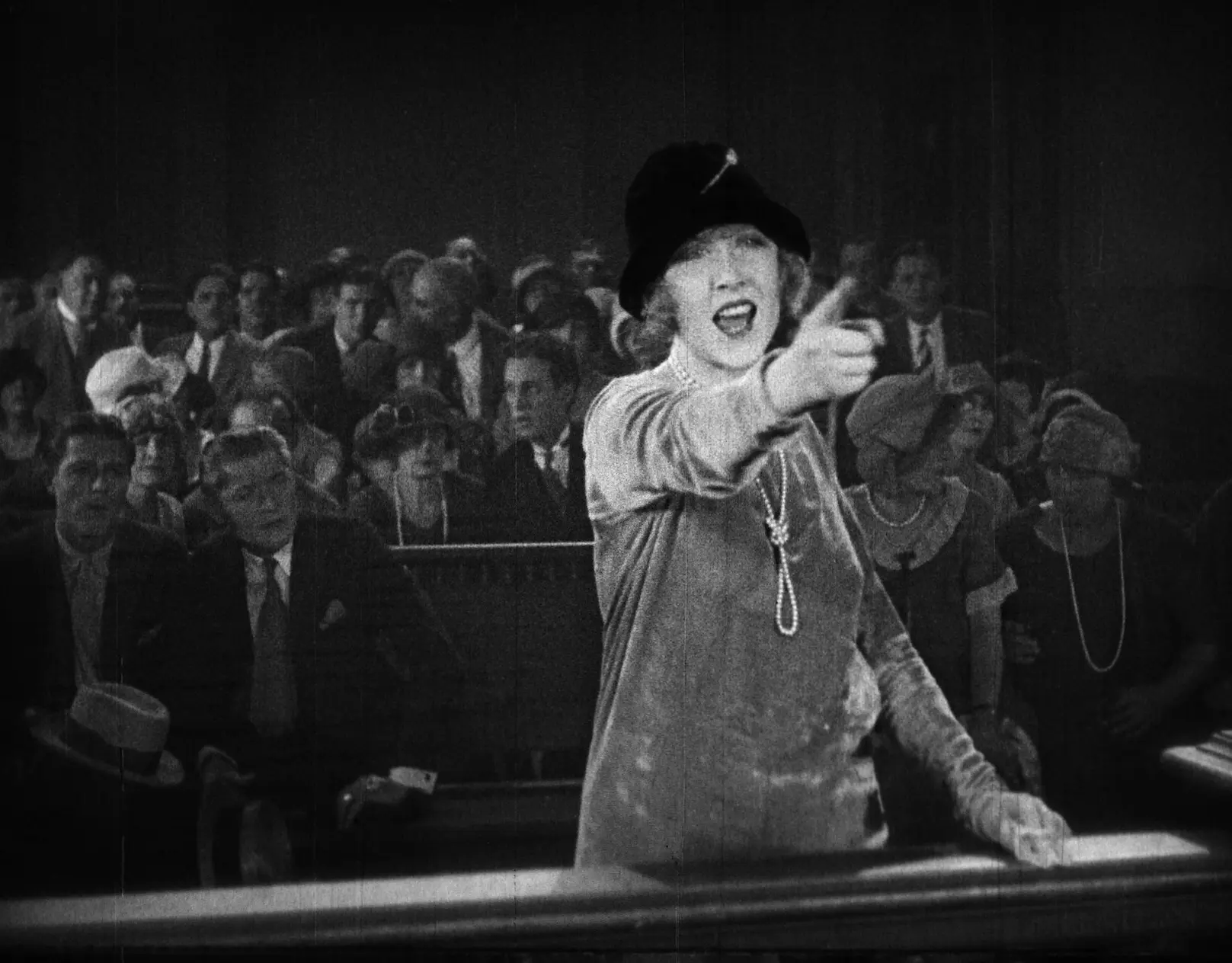
As we reach the climax, the film refuses to offer easy catharsis. The revelation of the true events surrounding the murder is as much a commentary on the characters' moral failings as it is a resolution to the mystery. It leaves the viewer questioning the very nature of justice. Is Robert truly exonerated in the eyes of the audience, or has the trial merely exposed a different kind of guilt? This ambiguity is what keeps the film fresh nearly a century later. It doesn't patronize its audience with a neat moral bow; instead, it invites them to sit in the jury box and weigh the evidence for themselves.
In comparison to other films of the period, such as the more lighthearted A Very Good Young Man or the exoticism of The Carpet from Bagdad, The Other Woman's Story feels grounded and gritty. It shares more with the somber, fate-driven narratives like La Destinée de Jean Morénas, where the individual is caught in the gears of a destiny they cannot control. Even when it touches on the potential for scandal, it maintains a dignity that avoids the prurient, focusing instead on the tragedy of the situation.
Ultimately, the film is a triumph of ensemble acting and tight scriptwriting. Every character, from the leads to the minor witnesses played by Joan Standing and Kenneth Gibson, contributes to a cohesive and atmospheric whole. It is a reminder that the silent era was not a primitive precursor to modern film, but a fully realized art form with its own unique strengths. Whether you are a fan of courtroom dramas, silent-era history, or complex character studies, this film offers a rich, rewarding experience that transcends its age.
For those who enjoy the thrill of a well-paced mystery like The Lucky Devil or the dramatic tension of American Maid, The Other Woman's Story provides a more somber, intellectual alternative. It is a film that demands your attention and rewards your scrutiny, standing tall as a definitive example of 1920s American cinema at its most ambitious. It may not have the epic scale of The Battle of Jutland, but in the small, quiet moments of a woman’s heartbreak and a man’s trial, it finds a different, perhaps more profound, kind of intensity.
IMDb 5.7
1922
Community
Log in to comment.