DbcultAccessing Vault...
Cult Review
Senior Film Conservator
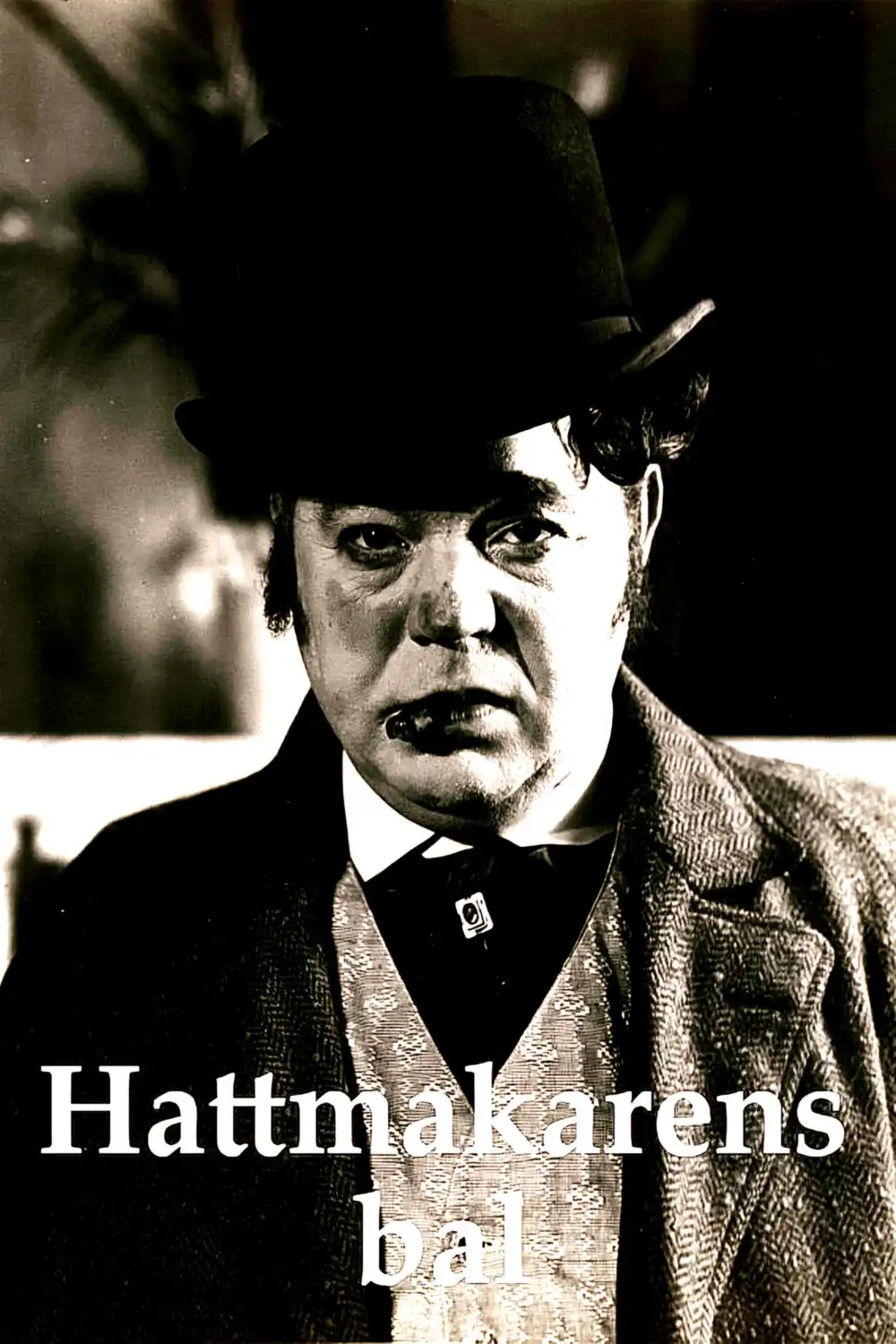
Okay, so "Hattmakarens bal." If you're into old Swedish films, especially those charmingly simple ones from way back, you might find something sweet here. But if you're looking for fast-paced drama or anything with a modern edge, honestly, just skip it. This one's definitely for the patient crowd, folks who appreciate a gentle, very old-fashioned romance. Anyone expecting thrills will be bored stiff.
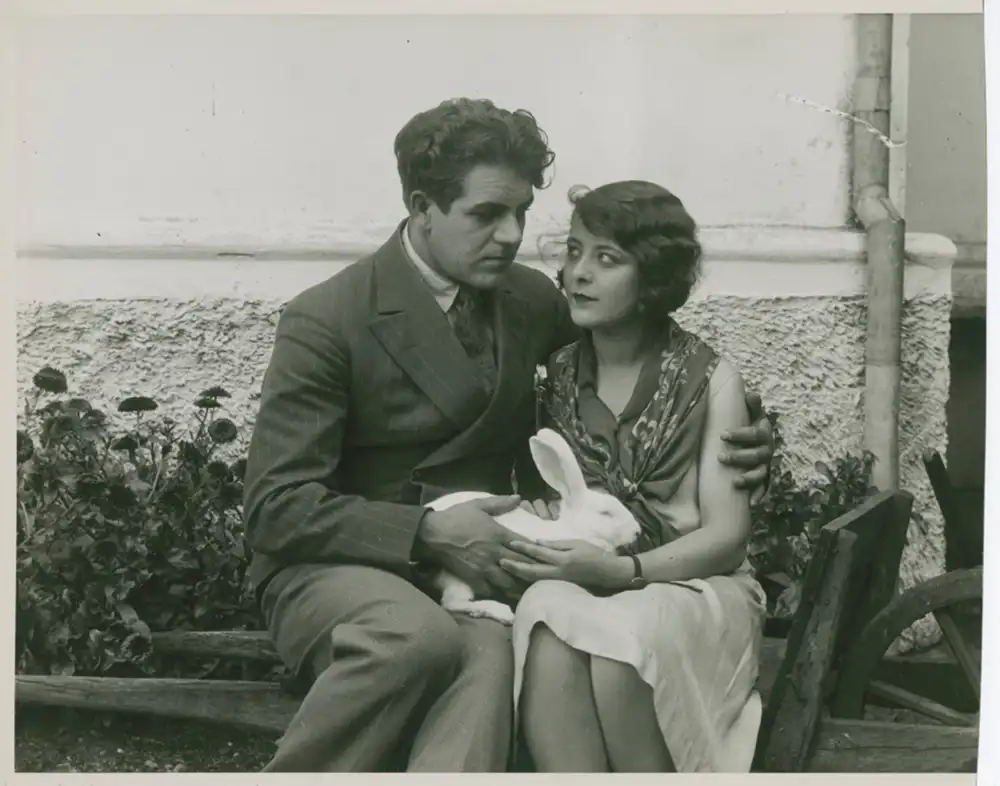
The story itself is super straightforward: old man Cederström, he's a hat maker, really wants his daughter Marianne to marry this rich landlord, Melander. But Marianne, bless her heart, she's got eyes for Ernst Malm, a poet. You know, the classic setup. It's all about love versus money, or maybe just dad's stubborn ideas versus true feelings.
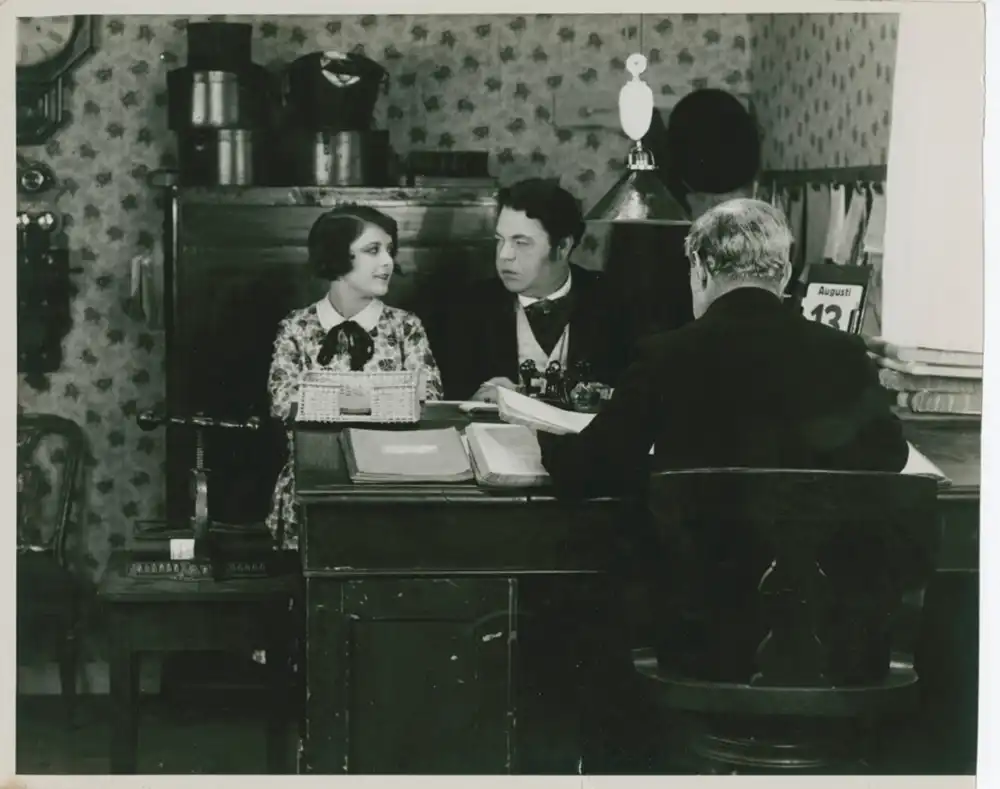
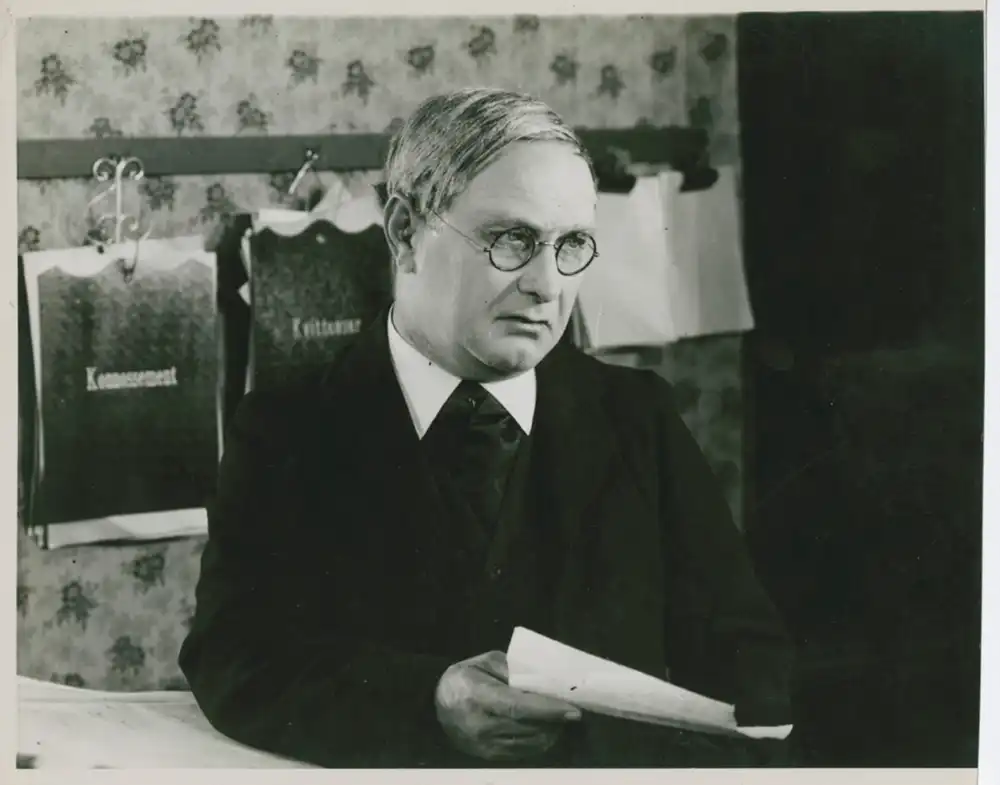
What struck me early on was how much Cederström, played by Hilding Rolin, pushes this Melander guy. It's not subtle at all. He practically shoves Marianne at him. Melander himself, William Engeström, feels more like a prop than a person sometimes. He just kinda stands there, smirking a lot, which makes you wonder what Marianne ever saw in him, or rather, what her dad saw. Money, obviously.
Then there’s Marianne, Ellen Rosengren. She's got this quiet strength about her. You see it in her eyes when her father is going on about Melander. She doesn't really say much, but her expressions tell a whole story. It’s subtle, which is nice, because the plot beats aren't.
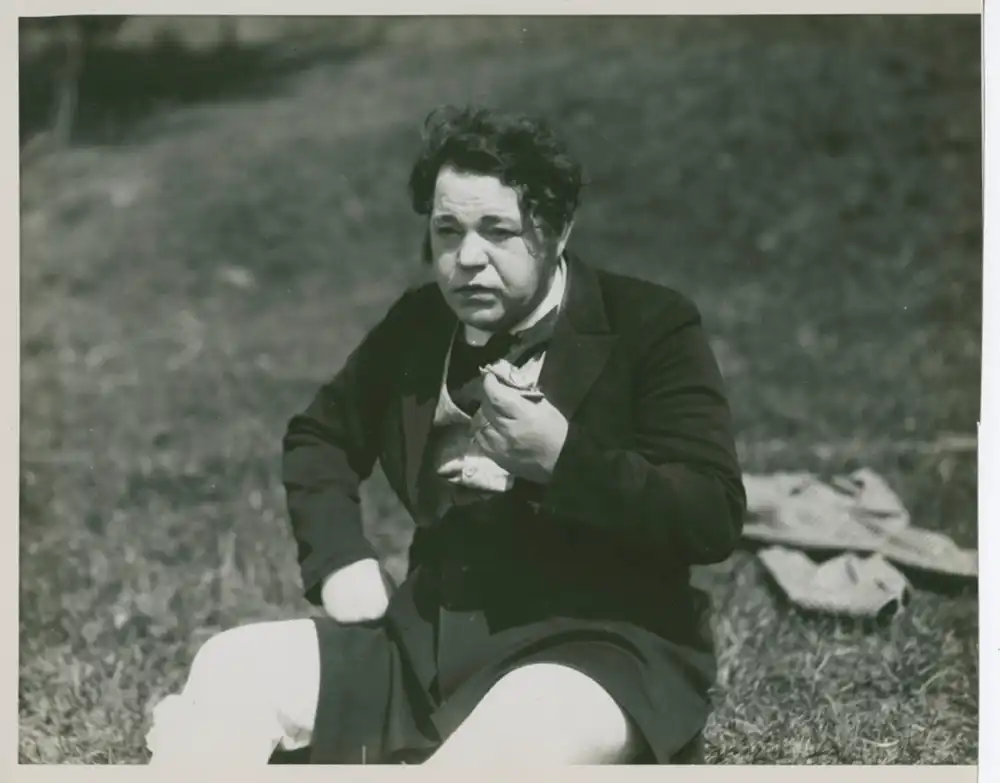
Ernst Malm, the poet (played by Edvard Persson, who also helped write it, interesting!), is the typical romantic lead for this kind of film. A bit dreamy, maybe a touch melancholic. He brings a nice contrast to the stiff Melander. There’s a scene where he recites something, and the way the camera just stays on Marianne's face then... it really tries to make you feel the connection. Almost works.
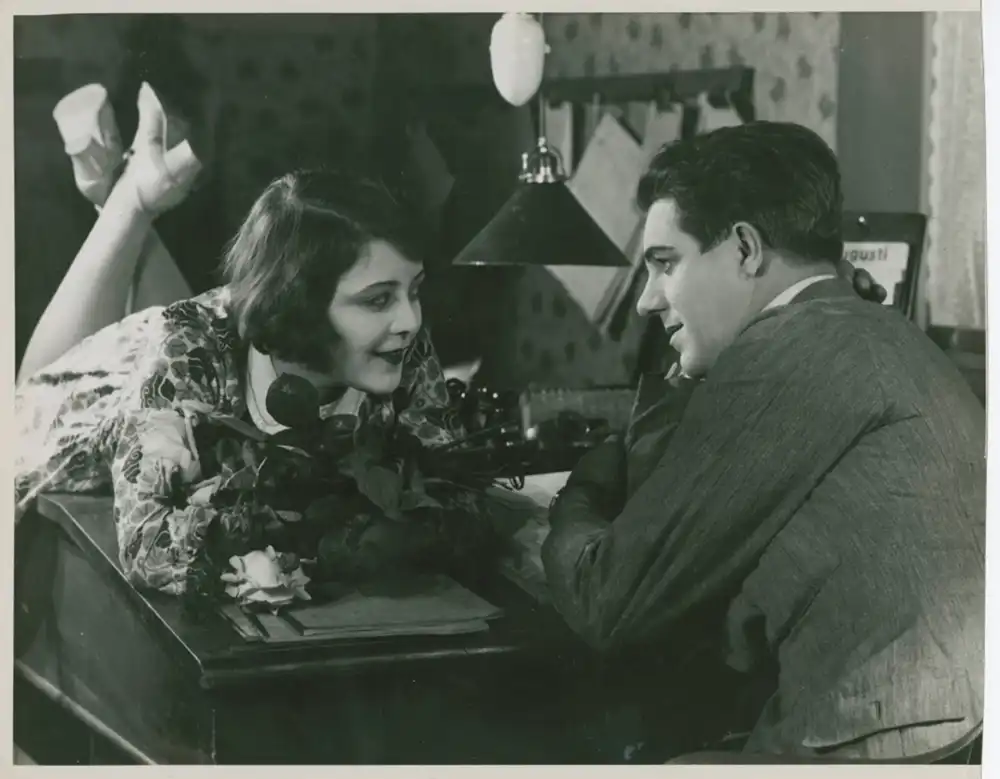
The "bal" itself, the big dance. You'd think it would be a huge deal, but it sort of... happens. It's a backdrop. People are dancing, but the focus is always on these three. There’s a moment when Melander tries to dance with Marianne, and she looks so uncomfortable. You can feel her wanting to be anywhere else. That was a really good bit of acting there, understated.
Some of the other characters are just kinda there, filling out the frame. Jullan Kindahl, I think, as some sort of busybody, she pops up now and then. Adds a bit of local flavor, I guess. The film doesn't really give them much to do beyond being present.
The pacing is very much of its time. Things move slowly. You get a lot of lingering shots on people's faces, letting the emotions, or lack thereof, really sink in. Sometimes it works, sometimes you just want them to get on with it. There’s a specific shot of a teacup sitting on a table for what felt like an eternity. Why? Who knows. Maybe for mood. 🍵
Edvard Persson, as the writer and one of the leads, he really leans into the poet role. He has a way of looking off into the distance, like he's contemplating deep thoughts, or maybe just remembering his next line. It's endearing, if a little cliché. He's got this charm though, a sort of gentle confidence that makes him believable as the "true love" option.
What makes it worth watching, for me anyway, is just seeing these older films. The sets, the way people move, the dialogue – it’s a snapshot of a different era. The story is simple, yes, but it’s told with a certain earnestness. It’s not trying to be groundbreaking. It just wants to tell a sweet, uncomplicated tale. And sometimes, that’s exactly what you need.
Is it perfect? Nah. Some bits drag. The resolution feels a little too neat, even for a romance. But the charm of it, the specific little looks Marianne gives, or the slightly over-the-top hand gestures from her dad, those stick with you. It’s a nice, quiet film for a lazy afternoon. Don’t go in expecting anything epic, and you might just enjoy its small, human moments.
IMDb —
1923
Community
Log in to comment.