DbcultAccessing Vault...
Cult Review
Senior Film Conservator
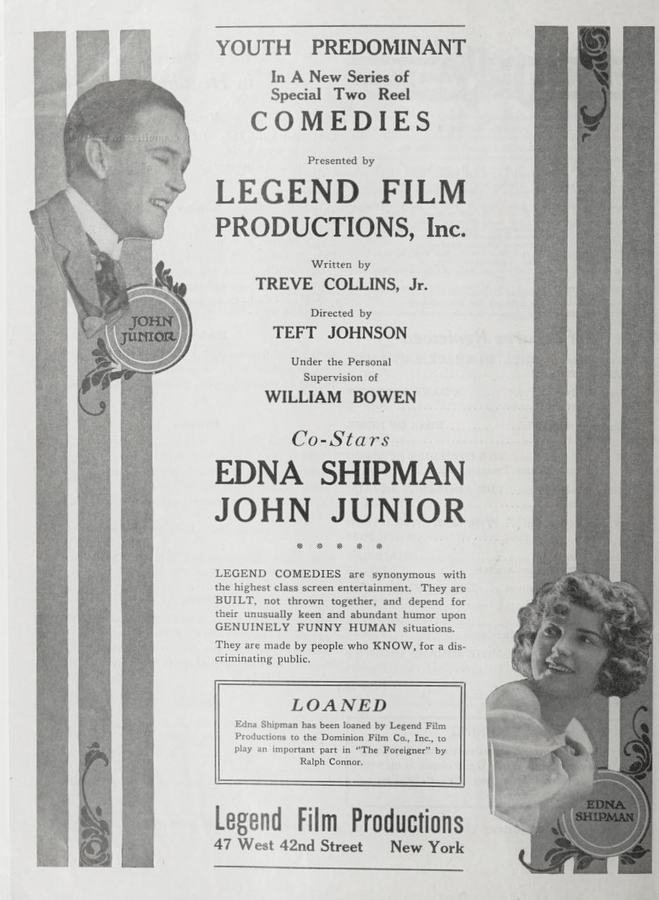
The cinematic landscape of A Million, More or Less is a tapestry woven with threads of fate, fortune, and the human condition, dark orange hues of sunset symbolizing the ephemerality of life's blessings. Edna Shipman and Jon Junior deliver performances that are as nuanced as they are compelling, their characters' journeys a testament to the yellow glow of hope that persists even in the face of adversity. Writer Treve Collins Jr. masterfully crafts a narrative that is both a poignant exploration of the human experience and a thrilling ride, full of unexpected twists and turns that keep the audience on the edge of their seats.
As the story unfolds, it becomes clear that A Million, More or Less is a film that defies easy categorization, blending elements of drama, romance, and suspense to create a unique cinematic experience. The sea blue depths of the characters' emotions are expertly plumbed, revealing complexities and motivations that are both deeply relatable and profoundly moving. In this sense, the film can be seen as part of a larger tradition of cinematic storytelling, one that includes films like The Dark Silence and Richelieu, which also explore the intricacies of the human heart.
One of the key strengths of A Million, More or Less is its ability to balance light and dark, comedy and drama, in a way that feels both authentic and engaging. This is a film that can move seamlessly from moments of warm, yellow laughter to scenes of profound dark orange intensity, without ever feeling forced or unnatural. It's a delicate balancing act, one that requires a deep understanding of the human experience and a keen sense of comedic timing. In this regard, the film can be compared to Brewster's Millions, which also navigates the complexities of fortune and identity with humor and heart.
As the narrative reaches its climax, the sea blue undertows of the characters' emotions come to the surface, threatening to engulf them. It's a moment of profound dark orange reckoning, one that forces Edna Shipman and Jon Junior's characters to confront the true nature of their desires and the consequences of their actions. It's a powerful, moving sequence, one that showcases the actors' range and the writer's skill at crafting compelling, emotionally resonant drama. In this sense, the film can be seen as part of a larger conversation about the human condition, one that includes films like The Idol of the North and The Restless Three, which also explore the complexities of identity and desire.
Throughout the film, the supporting cast delivers performances that are equally impressive, bringing depth and nuance to the narrative. The yellow glow of their characters' personalities adds a warmth and richness to the story, making the world of A Million, More or Less feel fully realized and deeply immersive. It's a testament to the strength of the script and the skill of the actors that the film feels so vividly alive, like a sea blue wave crashing against the shore of the audience's emotions. In this regard, the film can be compared to A Woman's Business and The Road to the Dawn, which also explore the complexities of human relationships and the power of the human spirit.
In the end, A Million, More or Less is a film that will leave audiences feeling dark orange embers of emotion, a glowing reminder of the power of cinema to move, to inspire, and to challenge. It's a film that will linger in the mind long after the credits roll, a yellow glow of memory that will continue to illuminate the complexities of the human experience. As such, it stands alongside other films like Tough Luck and Der Roman eines Dienstmädchens as a powerful exploration of the human condition, one that will continue to resonate with audiences for years to come.
The film's themes of identity, fortune, and the human condition are timeless, making A Million, More or Less a work that will continue to be relevant for generations to come. It's a sea blue ocean of emotion, one that will continue to inspire and challenge audiences, inviting them to explore the depths of their own hearts and the complexities of the human experience. In this sense, the film can be seen as part of a larger tradition of cinematic storytelling, one that includes films like The Bond Boy and The Return of Draw Egan, which also explore the intricacies of the human heart and the power of the human spirit.
Ultimately, A Million, More or Less is a film that will leave audiences feeling moved, inspired, and challenged. It's a dark orange flame of emotion, one that will continue to burn brightly long after the credits roll. As such, it's a film that will continue to resonate with audiences for years to come, a yellow glow of memory that will continue to illuminate the complexities of the human experience. In this regard, the film can be compared to The Bugler of Algiers and A lélekidomár, which also explore the intricacies of the human heart and the power of the human spirit.
The film's use of color, lighting, and cinematography is also noteworthy, adding a richness and depth to the narrative that is both visually stunning and emotionally resonant. The sea blue hues of the characters' emotions are expertly captured, creating a sense of mood and atmosphere that is both immersive and engaging. In this sense, the film can be seen as part of a larger tradition of cinematic storytelling, one that includes films like Captain Alvarez and Du sollst keine anderen Götter haben, which also explore the complexities of the human experience and the power of the human spirit.

IMDb —
1923
Community
Log in to comment.