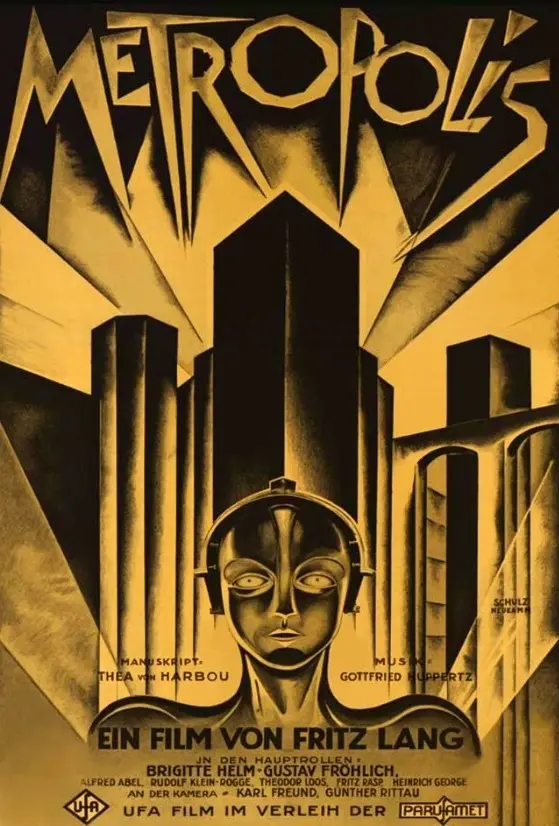
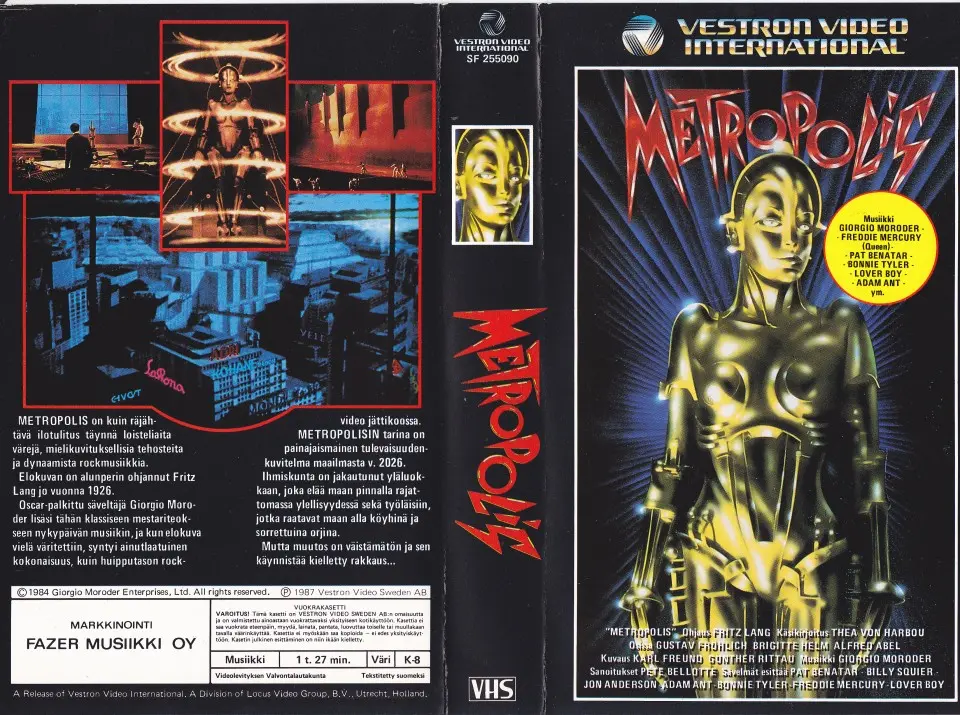
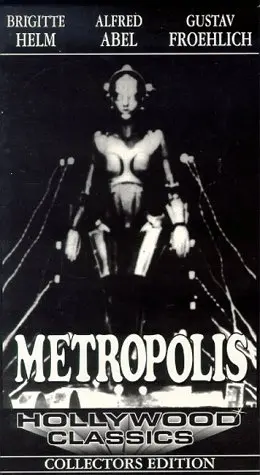
A definitive 8.2/10 rating for a film that redefined the boundaries of cult cinema. Metropolis remains a cornerstone of transgressive art.
Is Fritz Lang's 1927 silent epic, Metropolis, worth watching today? Short answer: absolutely, but with significant caveats that demand a particular kind of viewer. This film is an essential watch for cinephiles, students of film history, and anyone fascinated by architectural design, social commentary, and the sheer audacity of early cinema. However, it is decidedly not for those seeking modern pacing, nuanced character development typical of contemporary drama, or an easily digestible narrative without engaging with its historical context.
To approach Metropolis with contemporary expectations is to fundamentally misunderstand its genius and its limitations. It stands as a towering achievement of German Expressionism and a foundational text for science fiction cinema, yet its narrative beats and melodramatic performances can feel alienating to a modern audience. It’s a film that demands patience and an appreciation for its monumental visual ambition over its often simplistic storytelling. It works. But it’s flawed.
Direct Answer: Does Metropolis Hold Up?
This film works because... its visual grandeur, groundbreaking special effects, and prescient themes of class struggle, technological alienation, and the dehumanizing aspects of industrialization remain powerfully resonant and endlessly influential.
Scene from Metropolis
Cinematic perspective: Exploring the visual vocabulary of Metropolis (1927) through its definitive frames.
This film fails because... its narrative is often simplistic, its character motivations can be one-dimensional, and its pacing, especially in the first act, can be a test of endurance for those unaccustomed to silent film conventions.
You should watch it if... you are a student of cinema, a fan of architectural design, or someone who appreciates films that push technical boundaries and spark intellectual debate, even if they don't always deliver a universally satisfying emotional journey.
The Visionary Direction of Fritz Lang
Fritz Lang was not merely a director; he was an architect of worlds. With Metropolis, he didn't just tell a story; he constructed an entire civilization, replete with its own oppressive infrastructure and social hierarchy. Lang's vision is the undisputed star of this film. His use of scale is breathtaking, particularly in the establishing shots of the city, where towering skyscrapers dwarf the tiny air traffic, creating an immediate sense of both awe and oppressive power. The sheer ambition of the production design, overseen by Otto Hunte, Erich Kettelhut, and Karl Vollbrecht, is still unparalleled for its era, setting a benchmark that few films would dare to challenge for decades.
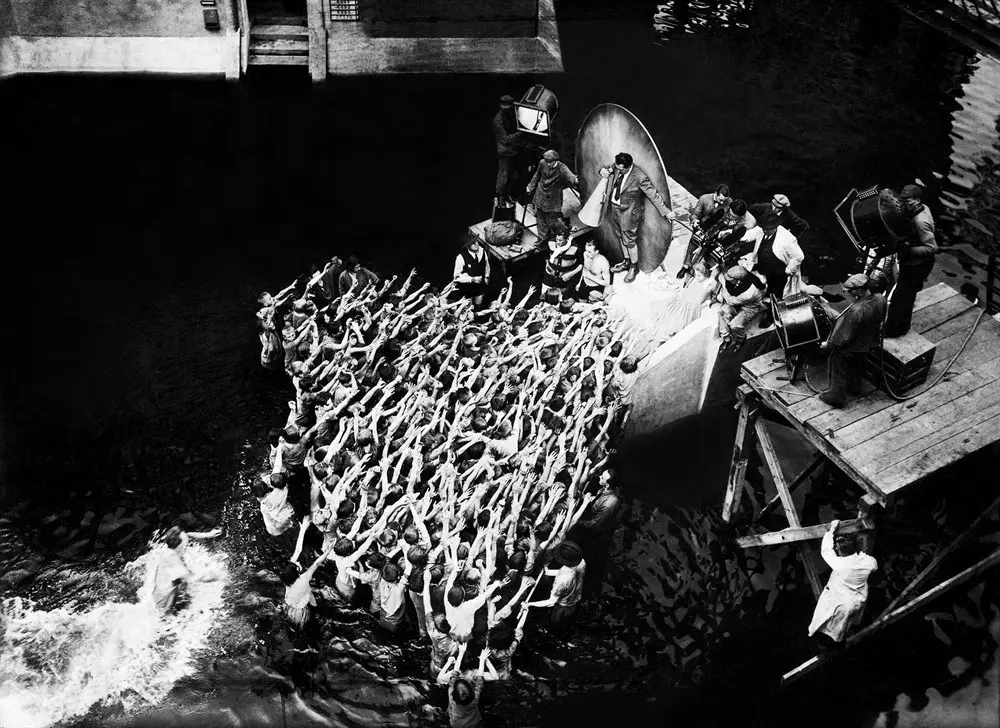
Scene from Metropolis
Cinematic perspective: Exploring the visual vocabulary of Metropolis (1927) through its definitive frames.
Lang’s direction of the masses is equally masterful. The synchronized, almost robotic movements of the workers in the 'Moloch' machine sequence are chillingly effective, transforming individuals into cogs in a colossal, indifferent mechanism. This isn't just background detail; it's a visceral representation of the film's core thematic concerns. Each frame feels meticulously composed, an exercise in geometric precision and dramatic lighting. The iconic transformation of the robot Maria, for instance, is a sequence of such visual ingenuity and tension that it remains a benchmark for cinematic spectacle, a testament to Lang's ability to blend technology and narrative with chilling effectiveness. Compared to other films of its time, such as His Own Law, Metropolis stands apart not just for its budget but for Lang's singular, all-encompassing directorial control over every visual element.
However, Lang's focus on the grand spectacle occasionally comes at the expense of intimacy. While the set pieces are undeniably spectacular, the moments of personal connection often feel less potent, overshadowed by the overwhelming environment. It’s a trade-off: a film of such monumental scope can struggle to root its emotional core in genuinely relatable human experiences.
A City Divided: Themes and Symbolism
Metropolis is a rich tapestry of social commentary, allegorical imagery, and prophetic warnings. At its heart lies the stark division between the privileged 'thinkers' who plan the city and the 'hands' who labor beneath it. This class struggle is not subtle; it’s painted in broad, expressionistic strokes, making the film's message undeniably clear. The opening title card, “The Mediator between the Head and the Hands must be the Heart!” encapsulates the film's utopian, albeit somewhat naive, solution to this profound societal rift.
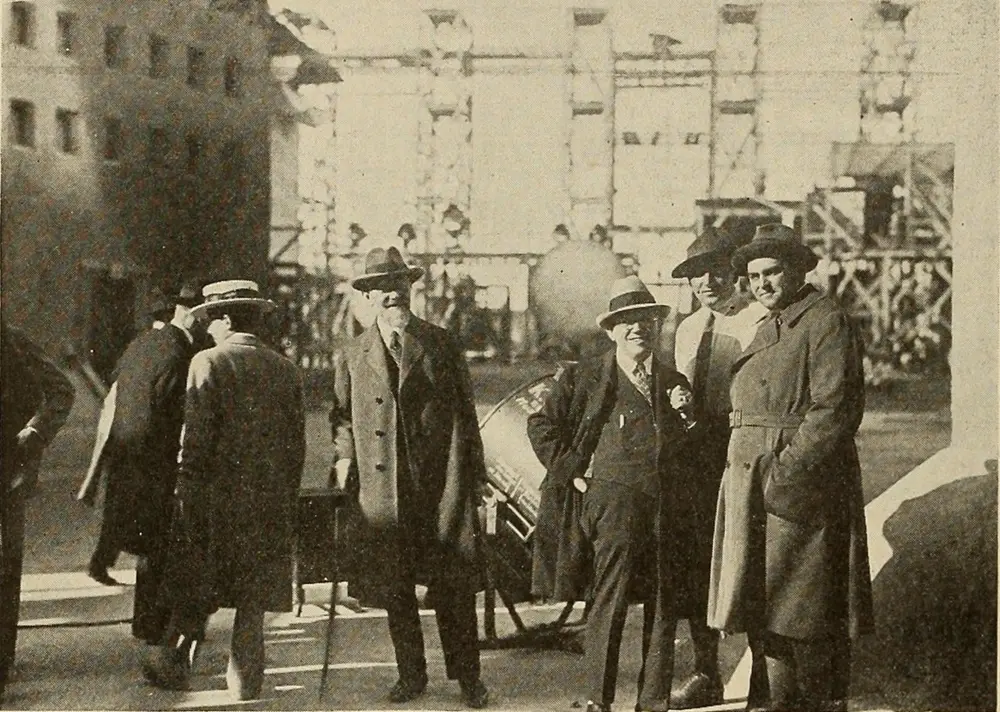
Scene from Metropolis
Cinematic perspective: Exploring the visual vocabulary of Metropolis (1927) through its definitive frames.
The film is rife with potent symbols. The 'Moloch' machine, devouring workers in its fiery maw, is a terrifying personification of industrial capitalism's destructive potential. The Tower of Babel sequence, with its hubris and inevitable collapse, serves as a powerful biblical allegory for the city's self-destructive ambition. Even the names, like Joh Fredersen, the cold, calculating 'head' of the city, and Maria, the pure-hearted 'heart' of the workers, are deliberately symbolic, leaving little room for ambiguity.
Yet, this overt symbolism, while effective for its time, can sometimes feel heavy-handed. The film's resolution, for instance, with Freder serving as the 'heart' to unite 'head' and 'hands', is emotionally satisfying in a thematic sense but perhaps overly simplistic in its practical implications for such a deeply entrenched societal problem. It’s a fairy tale ending for a very real-world issue, which some might find unsatisfying. Despite this, the film’s exploration of dehumanization through technology and the dangers of unchecked power feels astonishingly relevant even a century later, proving its enduring thematic strength.
The Performances: Grand Gestures and Melodrama
Acting in silent films, particularly those from the Expressionist movement, demands a different lens of appreciation. The performances in Metropolis are, by modern standards, highly theatrical and often melodramatic, relying on exaggerated facial expressions and grand physical gestures to convey emotion without dialogue. This is not a flaw; it is a convention of the era, and within that context, the cast delivers.
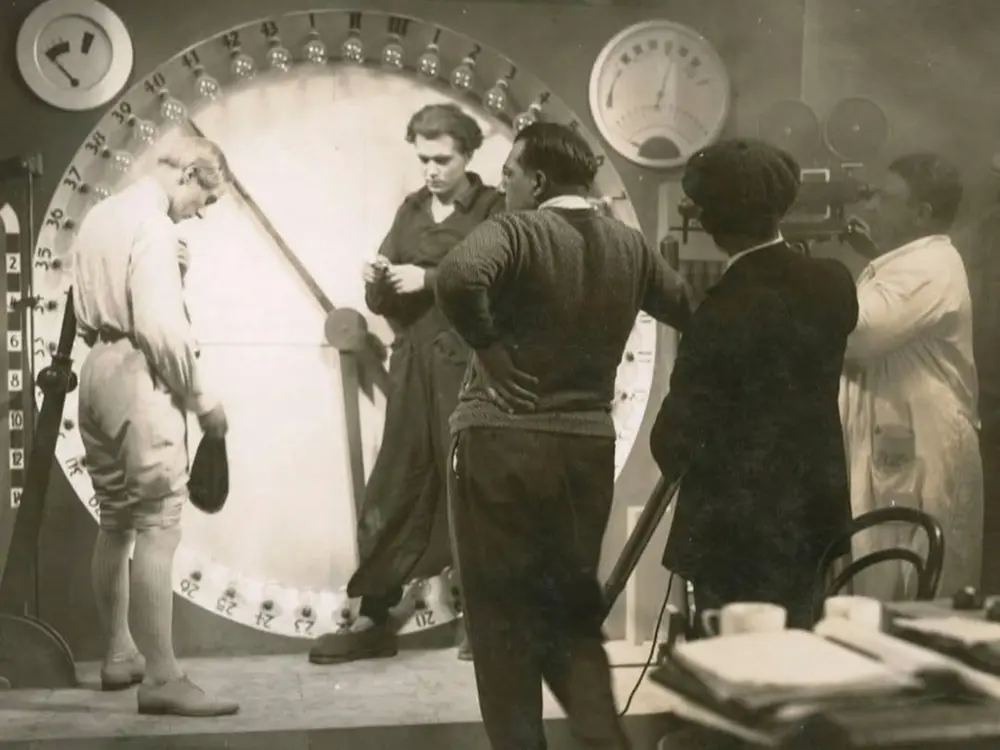
Scene from Metropolis
Cinematic perspective: Exploring the visual vocabulary of Metropolis (1927) through its definitive frames.
Brigitte Helm, in her dual role as Maria and the Maschinenmensch (robot Maria), is absolutely captivating. Her portrayal of the innocent, compassionate prophetess is contrasted starkly with the seductive, destructive robot. Helm’s ability to switch between these two personas, often with little more than a subtle shift in posture or a glint in her eyes, is a standout achievement. The transformation scene, where the robot takes on Maria’s likeness, is not just a triumph of special effects but also of Helm's physical performance, embodying the unsettling shift from human grace to mechanical menace.
Gustav Fröhlich as Freder, the idealistic son, carries much of the film's emotional weight, though his youthful fervor sometimes borders on the histrionic. His journey from pampered aristocrat to empathetic worker is visually compelling, even if his motivations occasionally feel more plot-driven than deeply internalized. Alfred Abel as Joh Fredersen, the city's mastermind, exudes a cold, calculating authority that perfectly embodies the detached 'head' of the city. His stern, unyielding presence provides a formidable counterpoint to Freder's idealism. While the acting style might initially be jarring for new viewers, it’s integral to the film’s larger-than-life aesthetic.
Cinematography and Production Design: A World Reimagined
The visual artistry of Metropolis is its most undeniable and enduring strength. Karl Freund, Günther Rittau, and Walter Ruttmann’s cinematography is revolutionary, employing innovative techniques like forced perspective, miniatures, and elaborate matte paintings to create a futuristic city that feels both colossal and terrifyingly real. The iconic cityscapes, with their dizzying layers of elevated roadways and towering structures, are not merely backdrops; they are characters in themselves, dictating the lives and fates of those within them.
Scene from Metropolis
Cinematic perspective: Exploring the visual vocabulary of Metropolis (1927) through its definitive frames.
The production design, as mentioned, is a marvel. The attention to detail, from the art deco flourishes of the rich 'Club of the Sons' to the stark, industrial brutality of the workers' city, creates a fully immersive world. The contrast is stark: the gleaming, geometric lines of the upper city against the grimy, labyrinthine tunnels below. The design of the Maschinenmensch, a sleek, metallic figure that would go on to influence countless robots in cinema, is an absolute triumph of industrial art. It’s a design that is both elegant and menacing, perfectly encapsulating the film's anxieties about technology.
Even the costumes contribute to this visual storytelling. The workers' utilitarian, almost uniform attire emphasizes their collective, dehumanized status, while the flowing, luxurious gowns of the upper class highlight their leisure and detachment. Every visual element in Metropolis serves a purpose, contributing to its grand, allegorical narrative. This is where the film transcends mere storytelling and becomes a pure cinematic experience.
Pacing and Tone: A Test of Patience
Here is where modern audiences may find Metropolis most challenging. The pacing is deliberate, often slow, especially in its initial exposition. Lang takes his time establishing the world and its inhabitants, lingering on shots of machinery and the repetitive, exhausting work of the laborers. While this methodical approach builds atmosphere and emphasizes the drudgery of the workers’ lives, it can feel protracted to viewers accustomed to the rapid-fire editing of contemporary cinema.
The film's tone is largely serious, even somber, punctuated by moments of frantic action and intense melodrama. There’s a relentless sense of foreboding, a constant undercurrent of social tension that keeps the narrative taut, despite its slower moments. The tone swings wildly from utopian idealism to dystopian horror, from romantic yearning to revolutionary fervor. This tonal breadth is part of its unique charm, but it also demands a willingness from the audience to embrace its dramatic shifts.
The restored versions, particularly the 2010 complete restoration, which includes significant rediscovered footage, have certainly improved the narrative flow and character arcs. However, even with these enhancements, the film retains a certain stately rhythm that is characteristic of silent epics. It's not a film to casually put on in the background; it requires your full, undivided attention to truly appreciate its intricate details and sprawling vision.
Pros and Cons
Pros:
Unparalleled Visuals: Groundbreaking production design and special effects that remain awe-inspiring.
Influential Themes: Prescient commentary on class, technology, and power that resonates today.
Iconic Imagery: Created visual motifs that have permeated pop culture for a century.
Fritz Lang's Vision: A singular directorial achievement of immense ambition.
Cons:
Pacing: Can be slow and deliberate, especially for modern viewers.
Simplistic Narrative: The plot and character motivations are sometimes underdeveloped.
Melodramatic Acting: The style, while historically accurate, might feel dated to some.
Overt Symbolism: Can occasionally feel heavy-handed, diminishing subtlety.
Key Takeaways
Best for: Film historians, sci-fi enthusiasts, art and architecture students, and anyone curious about the origins of cinematic spectacle.
Not for: Viewers seeking fast-paced action, subtle character drama, or a purely entertainment-driven experience without historical context.
Standout element: The production design and special effects, which set an impossibly high bar for future science fiction films.
Biggest flaw: The narrative’s tendency towards simplistic resolutions for complex social problems, undermining some of its earlier, more potent critiques.
Verdict
Metropolis is more than just a film; it is a monument to human imagination and cinematic ambition. Its influence is undeniable, having shaped the visual language of science fiction from Blade Runner to Star Wars. While its narrative can feel simplistic and its pacing occasionally drags, these are minor quibbles when weighed against its monumental achievements in visual storytelling and its enduring thematic relevance. It’s a film that speaks volumes without uttering a single word, a silent roar against social injustice and technological hubris.
To truly appreciate Metropolis, one must view it not just as a piece of entertainment, but as a historical artifact, a work of art, and a powerful social commentary. It’s a challenging watch, certainly, but an incredibly rewarding one that will broaden your understanding of cinema’s past and its profound impact on its future. It is a cornerstone of film history, and for that alone, it demands your attention. Highly recommended, with the right mindset.