DbcultAccessing Vault...
Cult Review
Senior Film Conservator
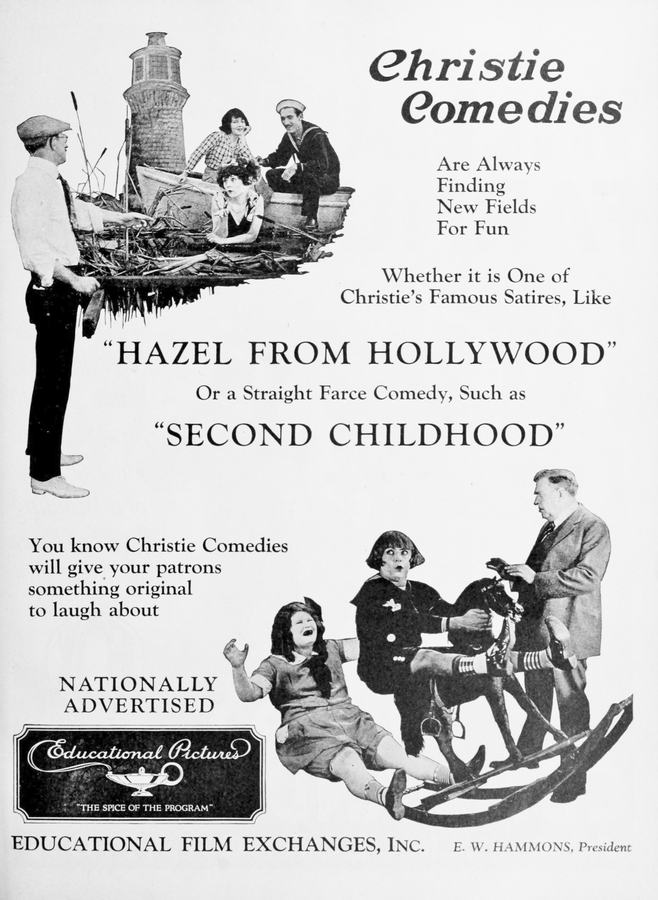
There's an undeniable, almost primordial, enchantment woven into the very fabric of Hollywood's mythology. It's a narrative that has captivated generations, a siren song promising transformation, escape, and the ultimate validation of one's dreams. Walter Graham's 'Hazel from Hollywood' is a quintessential artifact of this enduring allure, a cinematic fable that takes the well-trodden path of the small-town dreamer and infuses it with a delightful twist of serendipity. It's a film that, even decades later, resonates with the universal yearning for recognition, for that singular moment when the ordinary becomes extraordinary. This isn't just a story about ambition; it's a whimsical meditation on the unpredictable currents of destiny, the kind that can sweep an unassuming individual from the periphery directly into the blinding spotlight.
Our protagonist, Hazel, brought to vivid life by the nuanced performance of Dorothy Devore, embodies the quintessential American ingénue, her spirit unmarred by cynicism, her eyes wide with the promise of a world far removed from the familiar landscapes of Iowa. Her journey to Hollywood isn't merely a geographical relocation; it's a leap of faith into the unknown, a testament to the magnetic pull of a city built on illusions and aspirations. Initially, Hazel's existence is one of quiet servitude, a waitress navigating the bustling eateries frequented by the very stars she idolizes. This period of her life, though seemingly mundane, is crucial. It positions her as an outsider looking in, an observer privy to the casual glamour and often-exaggerated personas of the industry's elite. One can draw parallels here with the quiet, observant protagonists of films like A City Sparrow, where the urban environment becomes both a stage and a crucible for the small-town newcomer.
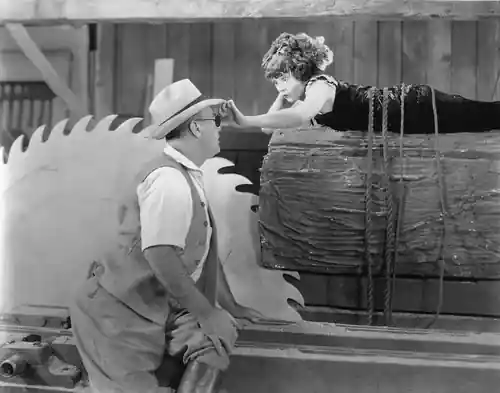
The beauty of Graham's narrative, and indeed Devore's portrayal, lies in the organic, almost accidental, nature of her ascent. Unlike many tales of striving ambition where relentless pursuit defines the hero's path, Hazel's trajectory is dictated by a charming confluence of coincidences. She doesn't scheme or manipulate; rather, she stumbles, quite literally perhaps, into the limelight. This narrative choice elevates the film beyond a simple rags-to-riches story, imbuing it with a delightful sense of fate and a subtle commentary on the often-arbitrary mechanisms of celebrity. It suggests that while talent is important, timing and sheer happenstance can be equally, if not more, potent forces in the making of a star. This unexpected turn of events, where a character is thrust into a role they never actively sought, echoes themes found in classics such as The Conquering Hero, where a protagonist's reputation precedes and often misrepresents his true self, leading to unforeseen consequences and public adulation.
A film of this nature relies heavily on its supporting cast to build a believable, bustling Hollywood ecosystem, and 'Hazel from Hollywood' excels in this regard. Lincoln Plumer, with his commanding presence, likely brings a gravitas to his role, perhaps as a studio mogul or a seasoned director, a figure who recognizes Hazel's raw, unpolished potential. His interactions with Devore's Hazel would undoubtedly provide a crucial dynamic, perhaps one of mentorship or even a more paternal guiding hand, steering her through the treacherous waters of newfound fame. Plumer's ability to convey authority and experience would ground the more whimsical elements of the plot, offering a necessary counterpoint to Hazel's burgeoning naiveté. Without the anchor of such a performance, the film's fantastical elements might float away without proper narrative weight.
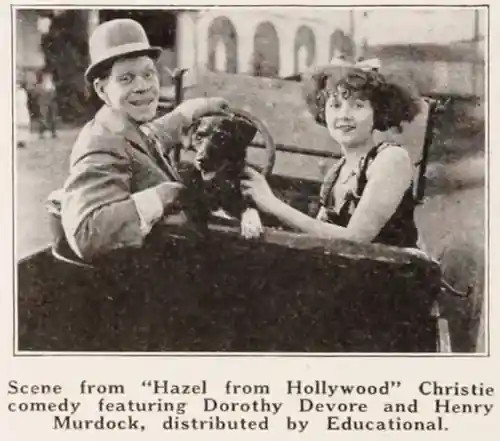
Henry Murdock and Ward Caulfield, as integral members of the ensemble, would contribute to the rich tapestry of characters that populate Hazel's new world. Murdock might embody the charming rogue, the competitive rival, or the cynical insider, providing conflict or comic relief. Caulfield, on the other hand, could portray the earnest admirer, the stalwart friend, or another industry figure, each adding layers to the film's depiction of Hollywood's social strata. The interplay between these characters is vital; it’s through their reactions, their support, or their machinations that Hazel’s transformation is truly illuminated. Consider the complex social dynamics at play in Passion Flower, where the supporting cast often reflects and refracts the protagonist's own journey, highlighting different facets of their character. A strong ensemble not only supports the lead but also expands the world of the film, making it feel lived-in and authentic, despite its often-glamorous facade.
Walter Graham, as the architect of this narrative, demonstrates a keen understanding of both the public's fascination with Hollywood and the inherent dramatic potential of unexpected fortune. His script for 'Hazel from Hollywood' eschews the predictable hero's journey where triumph is earned through sheer force of will, opting instead for a more charmingly chaotic path. This choice imbues the film with a unique flavor, distinguishing it from other narratives of aspiration. Graham's writing likely balances humor with moments of genuine emotional resonance, allowing the audience to truly connect with Hazel's predicament – the joy of success tempered by the disorientation of its sudden arrival.
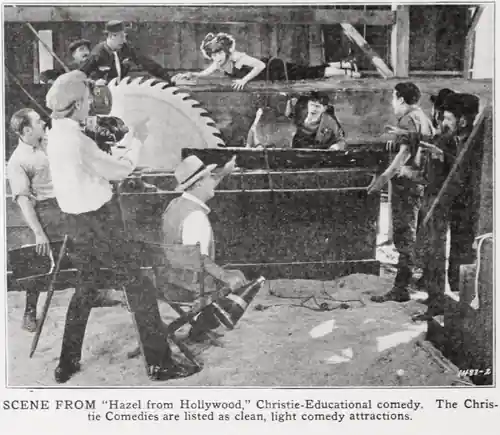
The brilliance of Graham's storytelling lies in making Hazel's accidental stardom feel earned, not through explicit effort, but through her inherent character. Her innocence, her genuine spirit, and perhaps a certain relatable awkwardness in the face of celebrity are what captivate those around her, and by extension, the audience. This narrative technique is a subtle yet powerful one, reminiscent of films like Excuse Me, where humor and character-driven situations often lead to unforeseen outcomes. Graham's ability to craft a story where the protagonist's most authentic self is her greatest asset is a testament to his skill, ensuring that even in the most fantastical moments, the film retains a core of human truth.
'Hazel from Hollywood' is more than just a lighthearted romp through Tinseltown; it subtly explores deeper themes that continue to resonate. The film implicitly questions the nature of fame itself: Is it a reward for talent, or merely a fickle twist of fate? How does one maintain authenticity when constantly performing, both on screen and off? Hazel's journey from anonymity to celebrity forces her, and the audience, to confront these questions. The contrast between her humble beginnings and her dazzling present highlights the often-stark disparities within the American dream, a theme explored with varying degrees of cynicism in films like The Fall of a Saint, where the moral compromises of ambition are laid bare.
Moreover, the film touches upon the idea of identity and self-discovery. Hazel, initially defined by her origins and her aspirations, finds her identity fractured and reshaped by the demands of stardom. Does she remain the simple Iowa girl, or does the Hollywood machine irrevocably transform her? This internal struggle, though perhaps presented with a lighter touch, is a universal one. It’s a journey of self-definition that many characters in cinema undertake, from the nuanced explorations in Black Is White, where identity is a fluid concept, to the more overt transformations seen in Sinner or Saint. The film asks us to consider what remains when the external trappings of success are stripped away, and what truly constitutes a person's core.
'Hazel from Hollywood' occupies a distinctive niche within the annals of early cinema, a charming exemplar of the era's fascination with the dream factory itself. Its depiction of Hollywood, while perhaps idealized, captures a certain truth about its magnetic pull – the raw, unadulterated hope it inspires in countless aspiring artists. The film's enduring appeal lies in its optimistic outlook, its belief in the possibility of unexpected miracles, and its gentle humor. It stands as a testament to the power of a well-told story, even one built on a seemingly simple premise.
In an industry often criticized for its manufactured narratives, a film like 'Hazel from Hollywood' reminds us that sometimes, the most compelling stories are those where fate plays a leading role. It’s a delightful counterpoint to more cynical portrayals of the industry, offering a glimpse into a time when the magic of moviemaking was still viewed with an almost childlike wonder. Comparisons might be drawn to the inherent charm of films like A Kentucky Cinderella or Cameo Kirby, which similarly rely on strong, relatable protagonists navigating new worlds, often with a blend of humor and heartfelt emotion. The film’s lasting impact is not just in its entertainment value, but in its ability to encapsulate a specific cultural moment, a period when Hollywood truly was perceived as the land of endless possibilities, where an Iowa girl serving coffee could, with a stroke of luck, become the next big thing. It celebrates the idea that dreams, however improbable, sometimes do come true, even if by the most circuitous and unexpected routes imaginable. Walter Graham's 'Hazel from Hollywood' remains a delightful and insightful journey into the heart of the American dream, proving that some stories, like some stars, are simply meant to shine.
IMDb 5.2
1936
Community
Log in to comment.