DbcultAccessing Vault...
Cult Review
Senior Film Conservator
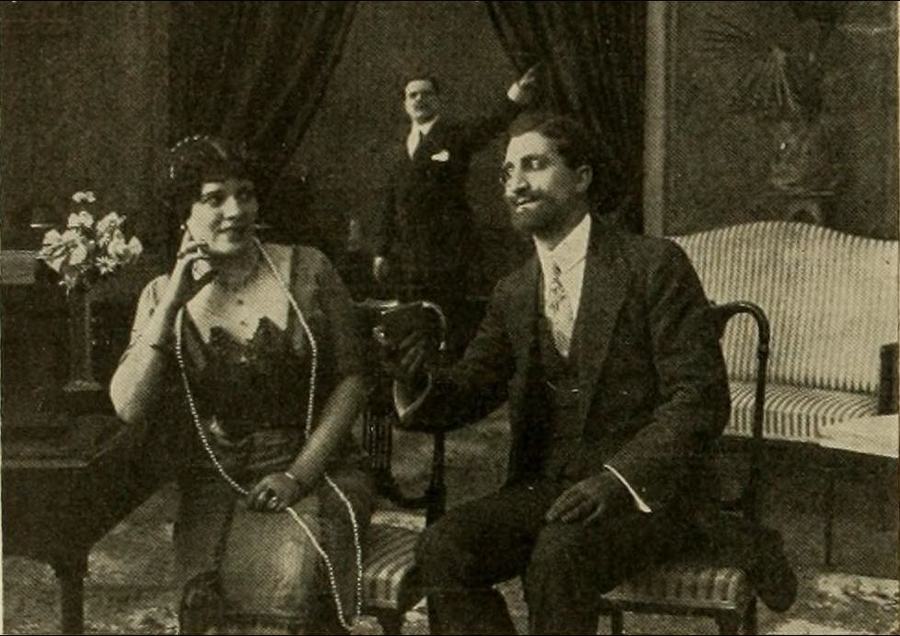
Anna’s attic smells of rusted scissors and lilac water; the sewing machine gallops like a metronome on laudanum, its needle a mechanical mosquito gorging on dusk-blue wool. Outside, Milan’s cathedral spikes the bruised sky, indifferent to one fallen heiress stitching survival into hems.
That sonic contraband—her voice—oozes through floorboards, climbs the spine of Robert, bank clerk by day, poet by ear. He pockets the tremor, carries it to cafés where espresso cups clink like champagne for ghosts of nobility. Their engagement is no giddy waltz but a stately barcarolle across solvent poverty: she mends gowns for countesses who once curtsied to her cradle; he counts other men’s zeroes, each digit a miniature guillotine above his own future.
Enter the “friend”: a shark in spats, name of Morton, whose grin could advertise toothpaste for carnivores. He tests Anna’s timbre as one might flick a counterfeit coin. The maestro’s nod is immediate—here walks a commodity undervalued by the market of bloodlines. Lessons commence; hope, that gaudy phoenix, preens anew.
But narrative demands fracture. Robert is dispatched to Marseilles—city of salt, sex, and ledgers—tasked with escorting enough treasury to make a bishop stutter. Before departure, Anna gifts the snuff-box: oval, silver, cool as moonlit milk. With a jeweled stylus she inscribes the incipit to Mignon—“Kennst du das Land?”—a question that haunts every exile. The box clicks shut like a verdict.
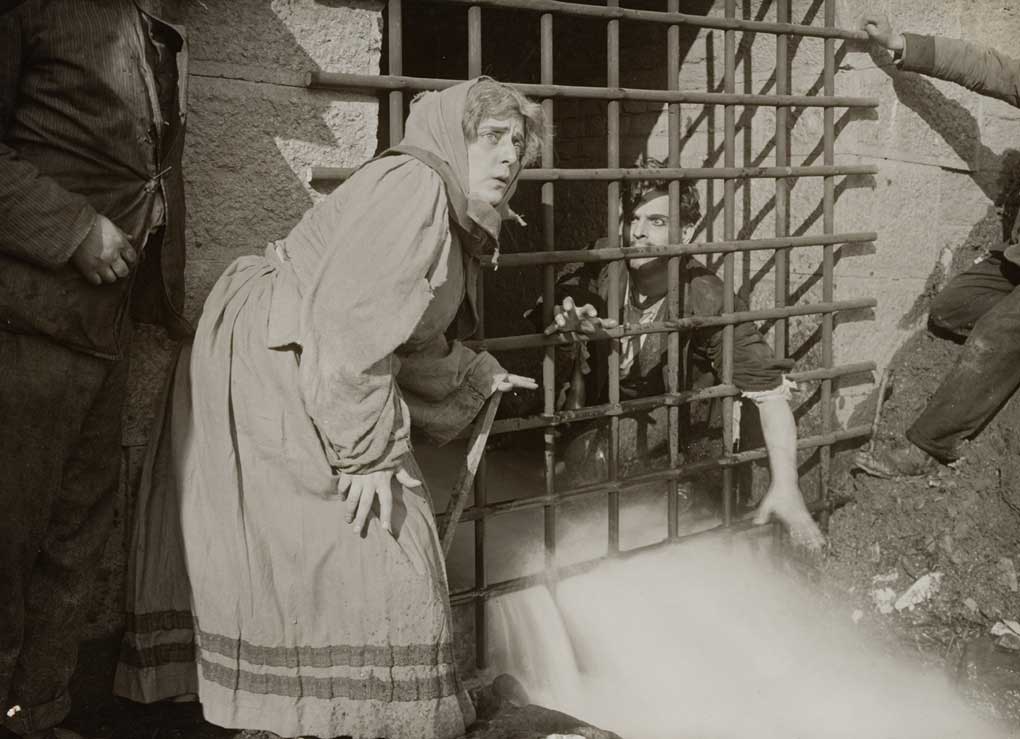
Cut to night on the rails: Morton’s shadow lengthens, a gothic steeple grafted onto Robert’s trust. In the Marseille terminus, a gang swarms—faces half-lit by locomotive breath—money vanishes, chloroform blooms, and our clerk tumbles through a manhole into the city’s digestive tract. Newspapers shriek of embezzlement. Reputations combust faster than flash powder.
Months elide. Anna, rebranded “La Ripamonti,” ascends stages that smell of beeswax and testosterone. Her gowns—stitched by her own once-aristocratic hands—glint like scalps of defeated night. Critics praise the “graveyard within her vibrato,” audiences auction their senses to the highest bidder of pathos. Yet offstage she practices silence, a nun of unsent letters.
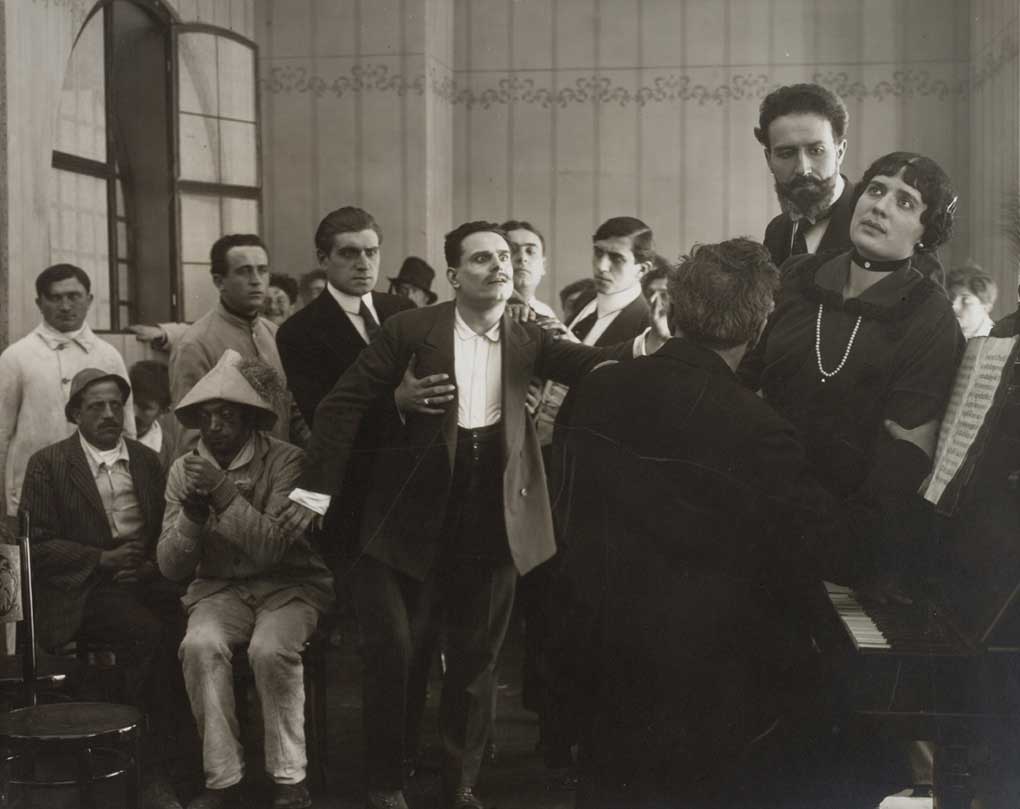
Meanwhile Robert, hair matted like neglected cello strings, wanders the asylum’s corridors. Doctors label him “oblivion’s understudy.” When Anna is invited to carol for the deranged—charity as spectacle—her voice slips through the iron keyhole of his trauma. Memory, that fugitive, snaps its leash. Recognition ricochets: she falters mid-aria, sustains a high C sharp enough to lance boils of fate. Love, exiled, reclaims passport.
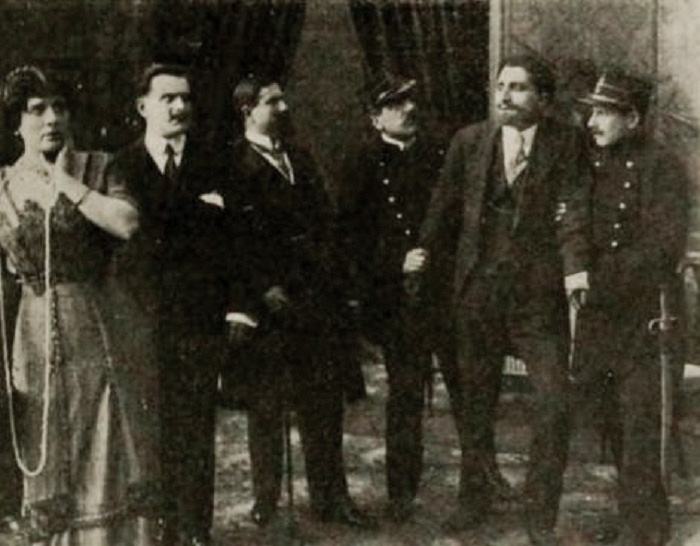
Together they stage a revenge as elegant as a da capo aria. Morton, now Anna’s most lavish patron, courts her with diamonds exhumed from African soil. During a soirée scented with tuberose and complicity, he flourishes the snuff-box—trophy pilfered from Robert’s violated coat. Anna’s pupils dilate like black suns; the room tilts. Next dawn, police—tip-off courtesy of a coloratura with nothing left to lose—storm Morton’s townhouse. Chains clink; headlines burp. The lovers retreat not to riches but to a modest flat where sewing machine and ledger coexist, both finally idle.
Notice how the film’s grammar is stitched rather than cut: intertitles resemble fabric labels—succinct, utilitarian—while the visual lexicon leans on chiaroscuro that Caravaggio might envy. Sewing needles glint like miniature streetlamps; coins stack into crenellated towers of Babel. Director Alfredo Bertone (also scripting) opts for tableau restraint: actors pose as if inside daguerreotypes, yet when Anna sings the frame vibrates, a proto-close-up achieved by scrim and backlight.
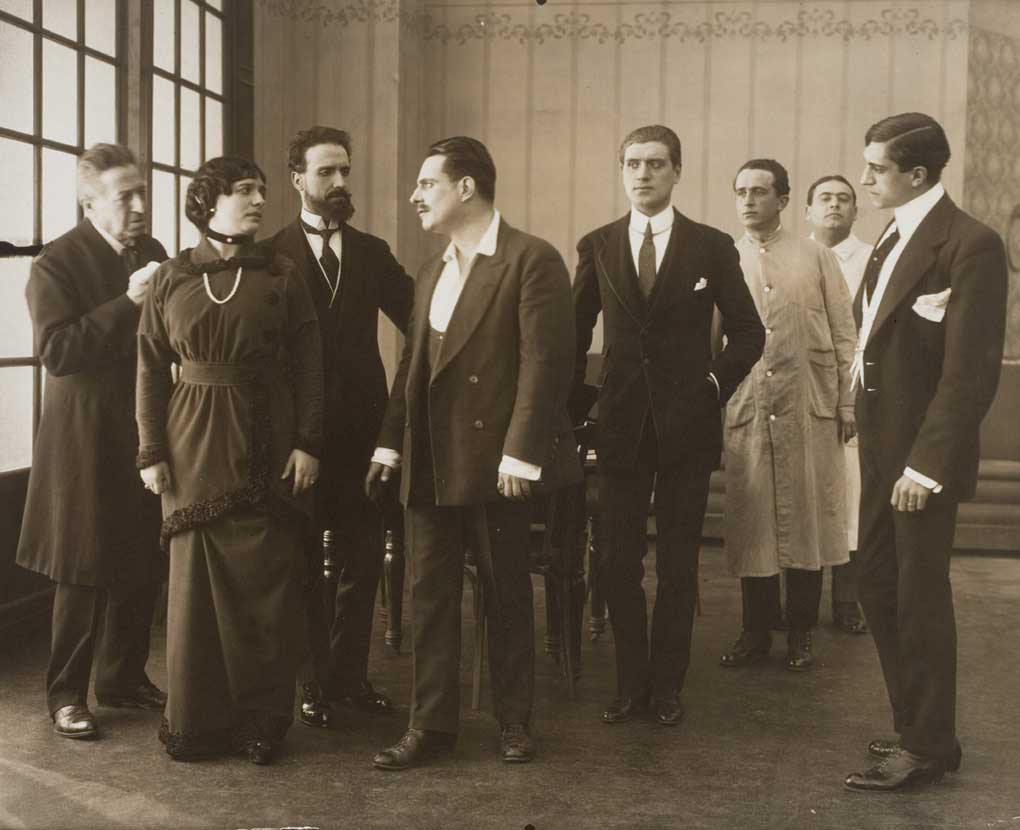
The snuff-box operates as both MacGuffin and moral barometer. Silver tarnishes; so does trust. Its inscription—an unfinished question—mirrors the film’s open arteries of ambiguity. We never see Marseilles; we glimpse only its sewer, as though prosperity were merely drainage viewed from below. This inversion of the travelogue is quietly radical for 1917.
Compare it to The Wishing Ring where objects also mediate class slippage, or to Rebecca the Jewess whose heroine weaponizes voice against pogrom. Yet The Magic Note tempers melodrama with proto-noir fatalism: the villain is no mustache-twirling ogre but a Wall Street doppelgänger, capitalism’s shadow self.
Annetta Ripamonti—stage diva moonlighting as celluloid ingénue—renders Anna’s arc with minimalist bravura. Watch her pupils in the asylum scene: they oscillate between marble-hard resolve and raw egg vulnerability. Mario Voller-Buzzi’s Robert is less efficacious, yet his catatonic drift foreshadows the shell-shocked soldiers soon to populate post-war screens. Their chemistry flickers rather than flames, appropriate for lovers separated by narrative cruelty.
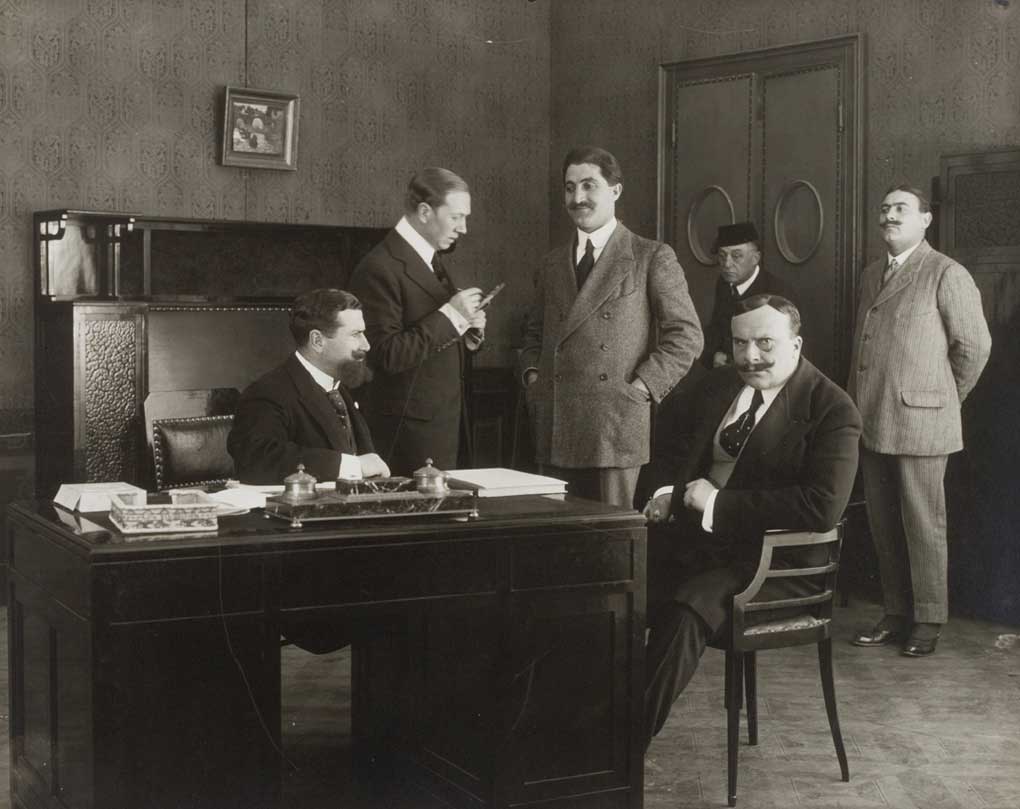
Orlando Ricci’s Morton exudes matinee polish, but the performance slyly interrogates the era’s worship of masculine aplomb: his collapse is not physical but reputational, a prescient nod to the liquidity of identity. In contrast, the asylum inmates—played by non-professionals culled from psychiatric wards—imbue sequences with documentary frisson, prefiguring Balletdanserinden’s use of actual dancers.
Musically, the film survives only in fragmented cue sheets, yet archival notes list motifs: a lullaby for the sewing scenes, a martial snare whenever money changes hands, and an interpolation of Thomas’s Mignon during the climactic recognition. Picture audiences in Palermo’s Cinema Splendor leaning forward as melody threads through darkness, each note a breadcrumb back to sanity.
Visually, Bertone and cinematographer Cesare Zocchi exploit nitrate’s spectral latitude: moonlight bleaches façades into bone, while interiors smolder with umber shadows. The asylum sequence deploys under-cranking—patients jerk in spasmodic ballet, their delirium contagious. Such formal daring rivals Stormfågeln, though Bertone tempens experimentation with devotional sentiment.
What lingers is the film’s uneasy marriage of commodification and redemption. Anna’s voice—first a lullaby for herself—becomes currency, then evidence, then salvation. The sewing machine, once emblem of indenture, ends silent, supplanted by gramophone royalties. Yet the closing iris does not wink; it seals a cosmos where every possession carries latent blood-print.
Contemporary viewers may flinch at the asylum spectacle—lunatics as backdrop for epiphany—yet within Italy’s 1910s sociomedical context, the film flirts with advocacy. Doctors are faceless; song is curative. The implication: art trumps science, a credo the war-shattered decade clung to like driftwood.
For the cine-curious, restored 4K scans circulate in festival peripheries—look for the Bologna Cinema Ritrovato sidebar—accompanied by live trios who interpolate Neapolitan street cadenzas. Seek them; the experience approximates time travel minus the moral luggage of plutonium.
Final arithmetic: the film is neither ossified curio nor prophetic masterpiece but something rarer—a hinge. Watch The Magic Note and you witness melodrama molting into modernity, its stitches visible, its song still airborne a century later, asking—don’t you know the beautiful land?—and leaving us to answer across the rupture of years.

IMDb —
1917
Community
Log in to comment.