DbcultAccessing Vault...
Cult Review
Senior Film Conservator
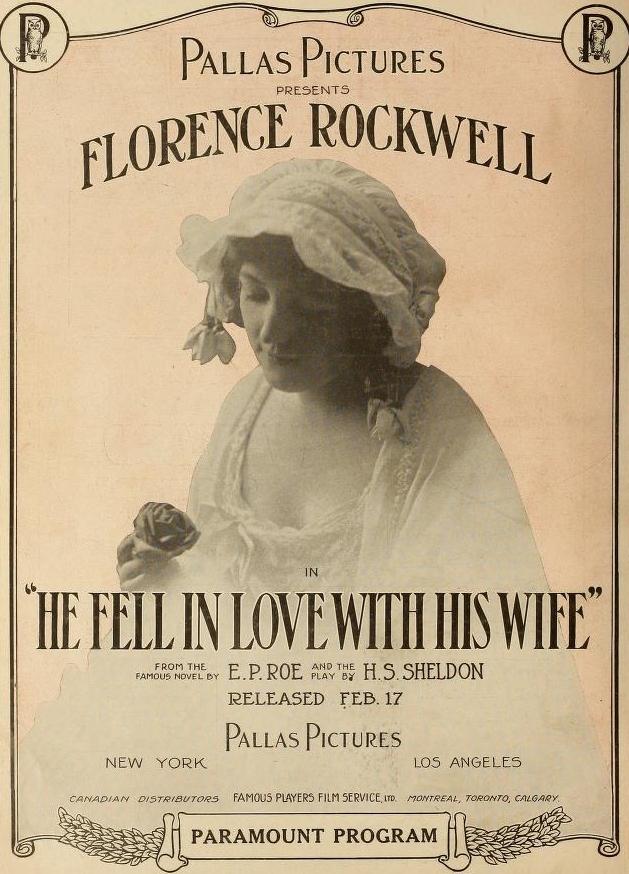
In the annals of early cinema, where narratives often served as moral parables or dramatic reflections of societal anxieties, 1911’s 'He Fell in Love with His Wife' emerges as a fascinating, albeit perhaps less widely celebrated, artifact. This film, a product of its nascent medium, delves into themes that remain startlingly resonant even today: the intricate dance between necessity and affection, the profound weight of a hidden past, and the insidious nature of domestic tyranny. It’s a narrative woven with threads of quiet desperation and simmering danger, showcasing how even the most pragmatic of unions can become a crucible for profound emotional awakening and life-altering peril. As a film critic, one is often drawn to the grand spectacles or the groundbreaking innovations, yet there's a unique satisfaction in unearthing a piece like this, which, despite its age, offers a rich vein of human experience to explore.
The film introduces us to a widowed farmer, a man whose grief is perhaps overshadowed by the crushing practicalities of his existence. His household, bereft of a woman’s touch and organizational prowess, verges on disarray. This isn't a man seeking romance in the traditional sense; he is seeking a partner in labor, a manager of the domestic sphere, someone capable of restoring order to his disrupted life. His quest, therefore, isn't for a soulmate but for a helpmate, a pragmatic solution to a pressing problem. This utilitarian approach to matrimony, while jarring to modern sensibilities, was not uncommon in rural communities of the era, where survival often dictated the terms of engagement. It echoes the stark realism found in literary works like Thomas Hardy's Far from the Madding Crowd, where circumstance and practicality frequently steer the course of relationships.
Into this scenario steps a young woman, seemingly a perfect fit for the farmer's requirements. She is capable, diligent, and possesses a quiet strength that promises stability. Yet, the film masterfully, through the subtle cues available to early silent cinema, hints at a deeper, more turbulent narrative beneath her composed exterior. What the farmer doesn't know, and what forms the core of the film's dramatic tension, is that this woman is not simply seeking a new life; she is actively fleeing a nightmare. Her past is haunted by a brutish and violent husband, a man whose cruelty is compounded by the shocking revelation of his bigamous nature. This secret, a ticking time bomb of legal and personal peril, casts a long, foreboding shadow over her new, ostensibly safe, existence. The film, therefore, sets up an intriguing premise: a marriage built on necessity for one party, and on desperate escape for the other. It’s a union born of disparate motivations, yet destined to intertwine their fates in unforeseen ways.
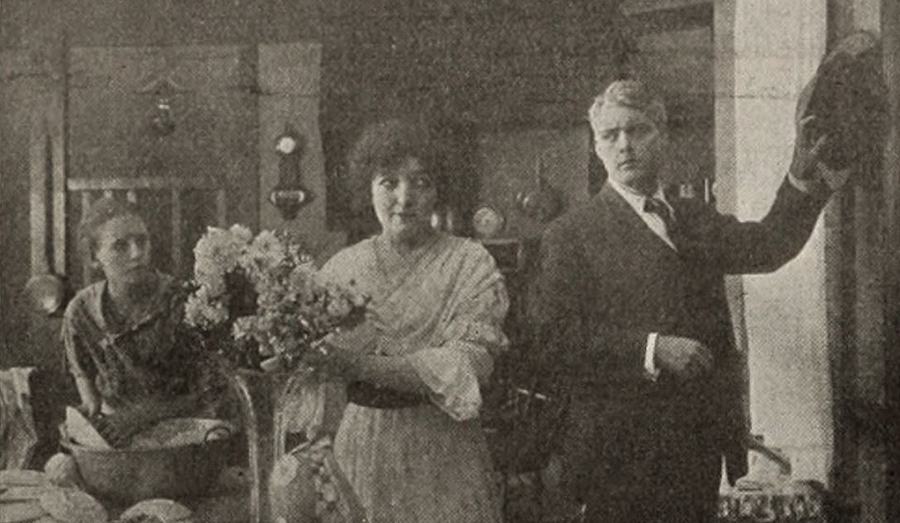
The true antagonist of the narrative is not merely the farmer's domestic disarray, but the vengeful, bigamous husband who relentlessly hunts his runaway wife. This character, unseen for much of the initial exposition but ever-present in the wife's fearful demeanor, embodies a primal threat. His pursuit isn't just about reclaiming a spouse; it's about control, ownership, and the brutal assertion of a twisted sense of justice. The revelation of his bigamy adds another layer of villainy, painting him not just as an abusive spouse but as a serial deceiver, a man who lives a life of calculated falsehoods. This element of a hidden, dangerous past is a potent dramatic device, often explored in later thrillers such as The Shielding Shadow, where concealed identities and past crimes drive much of the suspense. For the audience of 1911, this would have been a profoundly shocking and morally reprehensible transgression, challenging the very sanctity of marriage and societal order.
The film, through its developing plot, meticulously builds the tension surrounding this impending confrontation. Every rustle of leaves, every distant figure on the horizon, becomes a potential harbinger of the husband's arrival. The wife's internal struggle, her constant vigilance and quiet terror, are conveyed through the expressive acting styles characteristic of the silent era. The farmer, meanwhile, remains blissfully unaware of the tempest brewing beneath the surface of his seemingly stable new life. This dramatic irony is a powerful tool, drawing the audience into a state of anxious anticipation, knowing a truth that the protagonist does not. The film effectively uses this suspense to explore themes of vulnerability, the precariousness of newfound peace, and the enduring power of past trauma. It's a testament to the storytelling capabilities of early cinema that such complex emotional landscapes could be conveyed without a single spoken word.
While detailed performance critiques from this era are often limited by the scarcity of historical records and the nascent state of acting techniques, we can infer much from the film's narrative efficacy. The cast, including Florence Rockwell as the beleaguered wife and Howard Davies as the unsuspecting farmer, would have relied heavily on exaggerated facial expressions and gestural language to convey their characters' inner lives. Louise Emmons, Page Peters, Forrest Stanley, and Lydia Yeamans Titus, though their specific roles are not detailed in the plot summary, would have contributed to the film’s ensemble, perhaps as concerned neighbors, community figures, or even the menacing bigamist himself. The success of a silent film often hinged on the actors’ ability to project emotion and intent without dialogue, making their physical presence and dramatic timing paramount.
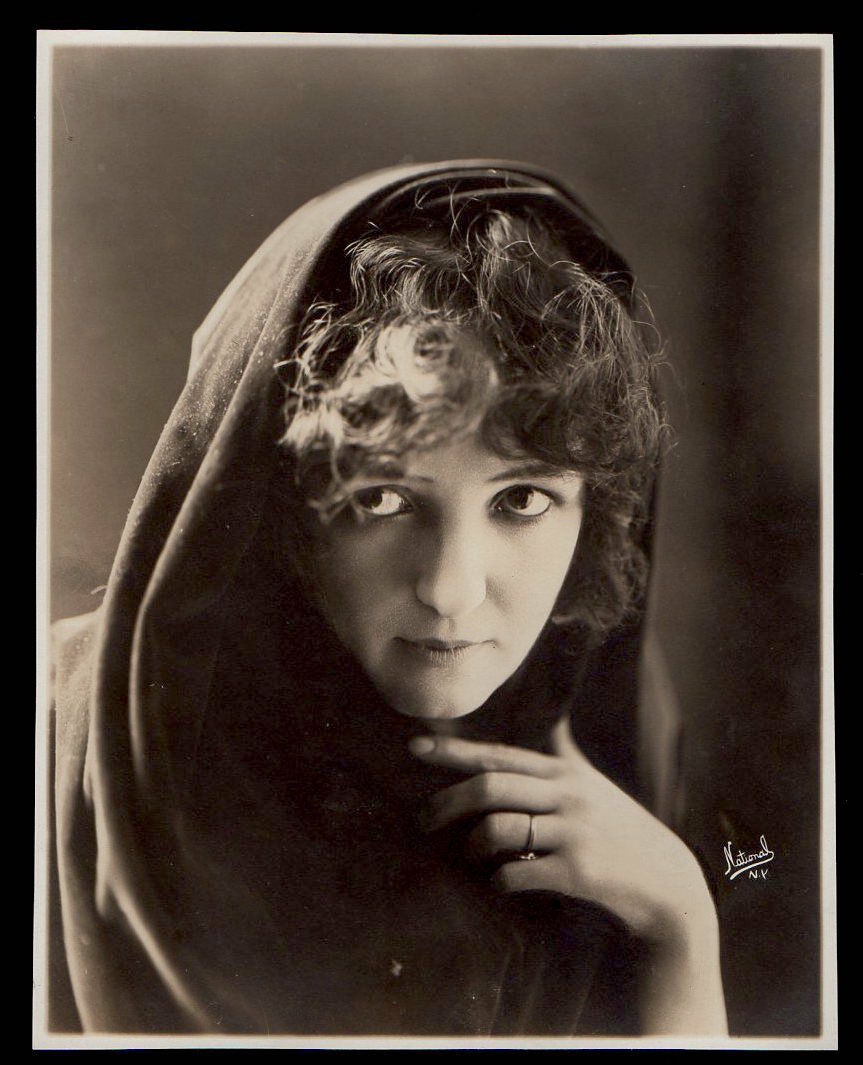
Florence Rockwell, in particular, would have carried the immense burden of conveying fear, resilience, and the quiet dignity of a woman trapped by circumstance. Her portrayal would need to evoke empathy from the audience, making her plight palpable. Howard Davies, as the farmer, would have needed to project a sense of earnestness, a man of the land whose initial pragmatism slowly gives way to genuine affection for his wife. The transformation of his feelings, implicit in the film's title, would be a subtle yet crucial arc. The villainous husband, likely played by someone like Forrest Stanley or Page Peters, would require a menacing physicality, a presence that radiates danger and malevolence. The interplay of these performances, however broad by modern standards, would have been the engine driving the film's emotional impact. This reliance on visual storytelling is a hallmark of the period, demanding a unique skill set from its performers, a skill that, when executed well, could transcend the lack of spoken dialogue and resonate deeply with audiences.
The narrative backbone of 'He Fell in Love with His Wife' originates from the pen of E.P. Roe, an American novelist whose works often featured romantic and moralistic themes, popular in the late 19th century. His literary contributions provided fertile ground for early cinematic adaptations, given their strong plotlines and clear moral compass. Julia Crawford Ivers, the credited writer for the film, would have been responsible for translating Roe's novelistic prose into the visual language of silent cinema. This adaptation process was an art in itself, requiring an understanding of how to condense complex narratives, convey character motivations through action, and build suspense without the aid of dialogue. Ivers, a prolific writer, director, and producer in the early Hollywood era, was instrumental in shaping many films of the period, demonstrating a keen understanding of the medium's unique demands. Her work, alongside that of many pioneering female filmmakers, often went underappreciated in a male-dominated industry, making her contributions all the more significant. The ability to craft a compelling screenplay from a popular novel, ensuring it resonated with the visual grammar of film, speaks volumes about her talent and foresight.
The plot itself, with its focus on a woman’s escape from an abusive and bigamous husband, touches upon themes of social justice and female agency that were increasingly gaining traction in the early 20th century. While the film may not explicitly advocate for radical change, it certainly highlights the precarious position of women in a society where marriage was often their primary means of security, and where escaping a bad union was fraught with legal and social peril. The script would have meticulously laid out the stakes, ensuring that every plot point contributed to the escalating tension and the eventual, hopefully just, resolution. This careful construction of narrative, from literary source to cinematic adaptation, is a testament to the burgeoning sophistication of filmmaking as an art form, moving beyond simple actualités to tell stories of profound human drama.
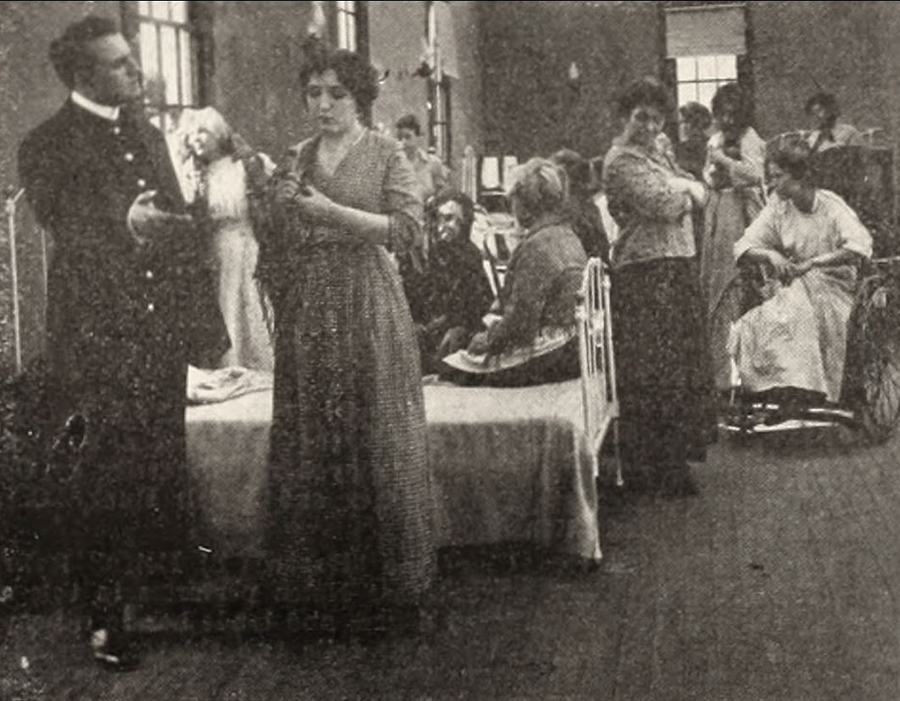
Beyond its immediate dramatic appeal, 'He Fell in Love with His Wife' offers a fascinating window into the social and moral landscape of early 20th-century America. The film implicitly critiques the societal pressures that could force individuals into marriages of convenience, highlighting the vulnerability of women in particular. The issue of bigamy, while sensational, also speaks to a time when legal and communicative infrastructure was less robust, allowing for such deceptions to occur more easily. Moreover, the portrayal of a violent husband, even if understated by modern cinematic standards, acknowledges the pervasive reality of domestic abuse, a subject rarely openly discussed, let alone depicted, in mainstream entertainment. This film, therefore, functions not just as entertainment but as a historical document, reflecting contemporary anxieties and moral codes.
The title itself, 'He Fell in Love with His Wife', suggests a journey from practicality to genuine affection, a narrative arc that speaks to the transformative power of shared experience and mutual respect. It hints at the development of a bond that transcends the initial transactional nature of their union, suggesting that true love can blossom even in the most unlikely of circumstances. This burgeoning affection on the farmer's part would undoubtedly complicate his reaction to the revelation of his wife's past, adding a layer of emotional complexity to the impending crisis. The film, in this sense, explores the human capacity for empathy and the potential for a deeper connection to emerge from unexpected beginnings. It stands in contrast to simpler narratives of the time, such as Mrs. Plum's Pudding, which often focused on comedic or lighthearted domestic vignettes, instead opting for a more serious examination of marital dynamics.
The resolution of such a narrative, though not detailed in the plot summary, would have been crucial for audiences of the time. Would justice prevail? Would the bigamist be apprehended? Would the farmer accept his wife's traumatic past and protect her? These questions would have driven audience engagement, reflecting a collective desire for moral order and a happy, or at least just, ending. The film’s ability to pose these questions and build towards a compelling climax speaks to its enduring power as a piece of storytelling, demonstrating that even in the nascent days of cinema, filmmakers were adept at crafting narratives that resonated deeply with the human condition.
While 'He Fell in Love with His Wife' may not be as widely discussed as some of its more famous contemporaries, its existence is a valuable reminder of the breadth and depth of early cinematic output. Films from this period, often dismissed as mere curiosities, frequently explored complex themes and societal issues with a surprising degree of nuance. This particular narrative, with its blend of domestic drama, suspense, and moral quandary, showcases the potential of film to engage audiences on multiple levels. It illustrates how early filmmakers were already experimenting with genre conventions, blending elements of romance, melodrama, and even thriller to create compelling stories. The enduring power of a story about love emerging from necessity, complicated by a dangerous secret, speaks to universal human experiences that transcend the limitations of time and technology.
The film's exploration of a woman's struggle for safety and autonomy, even within the confines of a new marriage, is particularly poignant. It serves as a precursor to countless narratives that would follow, examining the complexities of female identity and the challenges women faced in asserting their independence. In a broader sense, it contributes to the rich tapestry of early American cinema, a period of immense creativity and rapid technological advancement. Studying such films allows us to trace the evolution of storytelling techniques, acting styles, and thematic concerns, providing invaluable insight into the cultural history of the moving image. It reminds us that the foundations of modern cinema were laid by courageous pioneers who, with limited resources, managed to craft narratives that continue to resonate, offering both historical perspective and timeless dramatic appeal. Even compared to other dramas like Help Wanted or A Law Unto Himself, this film stands out for its unique blend of rural simplicity and urban peril, a testament to the imaginative storytelling of its era.
IMDb —
1925
Community
Log in to comment.