DbcultAccessing Vault...
Cult Review
Senior Film Conservator
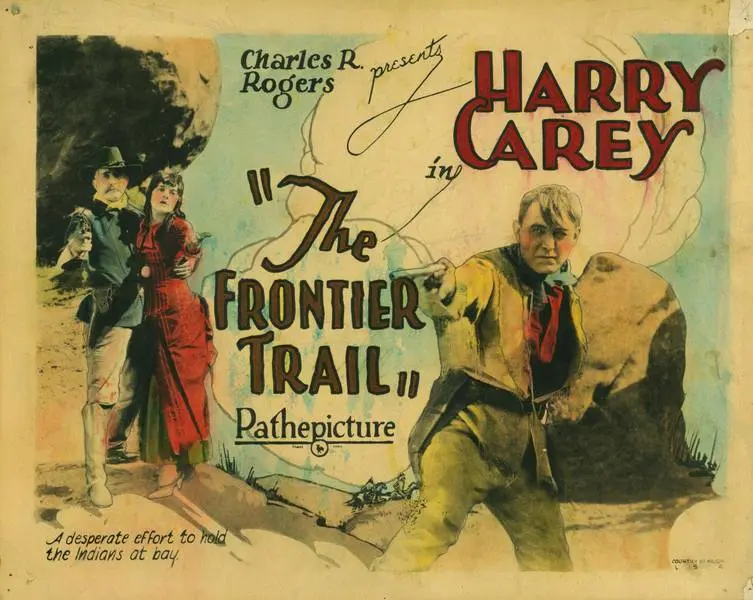
Is The Frontier Trail a forgotten relic or a hidden gem of the silent era? Short answer: yes, it is a vital watch for those who value the grounded, gritty realism that Harry Carey brought to the Western genre before it became a caricature of itself.
This film is for the patient viewer who appreciates the nuance of silent acting and the historical evolution of the American frontier on screen. It is not for those who require the pyrotechnics of modern action or the fast-paced dialogue of contemporary thrillers.
If you are looking for a definitive example of the 'Good Bad Man' archetype that Harry Carey perfected, then this film is absolutely worth your time. Unlike the flashy showmanship of Tom Mix, Carey provides a performance that feels lived-in and weary. The film succeeds because it treats its central conflict—the betrayal of a peace treaty—with a level of gravity that was often missing from the B-Westerns of the following decade. It’s a somber, effective piece of filmmaking that prioritizes character over spectacle.
This film works because it grounds its high-stakes drama in the physical reality of the frontier, using Harry Carey’s weathered face to tell a story of exhaustion and integrity.
This film fails because the pacing in the second act relies too heavily on the 'misunderstood hero' trope, which can feel repetitive for modern audiences accustomed to more complex legal dramas.
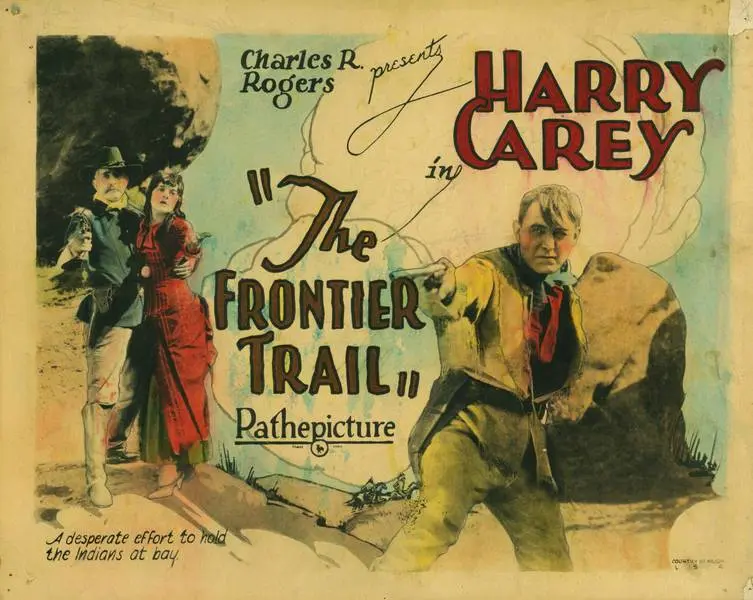
You should watch it if you want to see a bridge between the early silent Westerns and the more mature, psychological Westerns that would emerge in the late 1940s.
Harry Carey was never one for the grand, theatrical gestures of his peers. In The Frontier Trail, his Jim Cardigan is a man of few words—or rather, few title cards. His performance is built on the way he sits in a saddle and the way he looks at the horizon. There is a specific scene where Cardigan is being court-martialed; Carey doesn’t weep or rage. He stands with a stiff-backed dignity that makes the military's incompetence look all the more shameful. It works. But it’s flawed.
His chemistry with Mabel Julienne Scott, who plays Dolly Mainard, is functional but secondary to the film's true interest: the relationship between the scout and the land. Carey’s Cardigan feels like an extension of the soil, whereas the soldiers, particularly Ernest Hilliard’s Captain Blackwell, feel like intruders. This contrast is the engine that drives the film’s tension. For a similar exploration of wilderness survival and social tension, one might look at Tiger Rose, though Carey’s film feels significantly more grounded in military procedure.
The narrative hinge of The Frontier Trail is the physical destruction of a peace note. It is a simple, effective plot device that highlights the fragility of peace on the frontier. Donlin, played with a sneering malice by Frank Campeau, tears the note in a way that completely reverses its meaning. This isn't just a plot point; it’s a commentary on how easily the truth can be manipulated by those with a vested interest in war. The cinematography during this sequence is tight, focusing on the hands and the paper, creating a sense of claustrophobia that contrasts with the wide-open Sioux territory.
The resulting massacre is handled with a starkness that is surprising for 1926. The film doesn't revel in the violence but rather in the aftermath—the silence of the battlefield and the weight of Cardigan’s supposed failure. This sense of impending doom and the struggle for truth is also found in The Firing Line, though The Frontier Trail handles its military themes with a more cynical edge. The betrayal feels personal because we have seen Cardigan’s genuine attempt to bridge the gap between the cavalry and Chief Gray Wolf’s tribe.
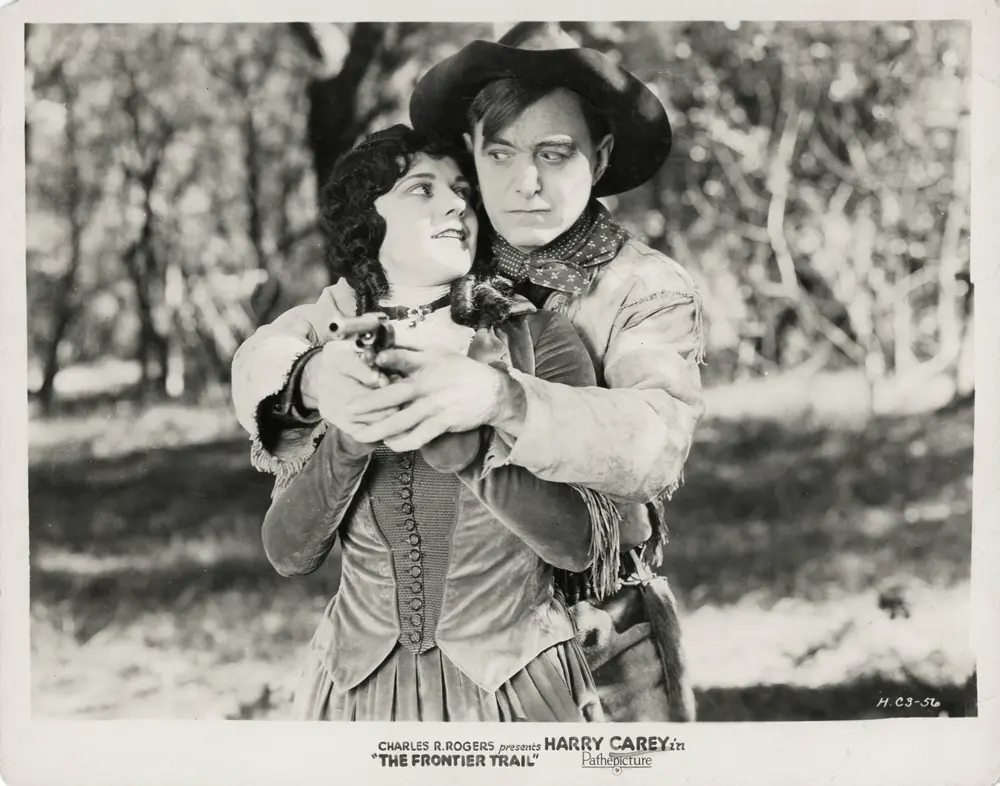
The direction by Scott R. Dunlap (though often overshadowed by the star power of Carey) is remarkably efficient. The pacing in the final third of the film is relentless. Once Cardigan escapes his death sentence, the movie shifts into a chase film that rivals the tension of early espionage dramas like An Affair of Three Nations. The use of natural light in the exterior shots gives the film a documentary-like feel, which helps ground the more melodramatic elements of the renegade plot.
However, the film does suffer from the limitations of its era. The portrayal of the Sioux, while featuring the legendary Chief John Big Tree, still falls into some of the broad archetypes common in 1920s cinema. Yet, there is a clear attempt to show that the conflict was sparked by Blackwell’s arrogance, not the tribe’s inherent aggression. This nuance is a surprising observation for a film of this vintage. It takes a stance against the military's blind adherence to protocol over common sense.
Pros:
- Harry Carey’s restrained and powerful performance.
- High-quality location shooting that captures the scale of the frontier.
- A plot that questions military authority and highlights the cost of arrogance.
- Strong supporting performance by Frank Campeau as the villainous Donlin.
Cons:
- Some secondary characters, like Dolly, are underwritten and serve mainly as plot catalysts.
- The middle section drags as it sets up the legal complexities of the court-martial.
- The print quality of surviving versions can vary, occasionally obscuring the fine detail of the cinematography.
The Frontier Trail is a rugged, honest piece of silent cinema that deserves more than its current status as a footnote. While it lacks the avant-garde experimentation of European cinema of the same year, like Les gaz mortels, it excels in its uniquely American storytelling. It is a film about the weight of a man's word and the fragility of peace. Harry Carey remains the anchor, proving that even without a voice, a great actor can convey the entire history of a man’s soul. It’s not perfect. It’s better than perfect; it’s real. If you can find a clean print, watch it for the history, the grit, and the reminder that the truth usually hides in the last place you’d think to look.
IMDb —
1923
Community
Log in to comment.