DbcultAccessing Vault...
7.7/10
Senior Film Conservator
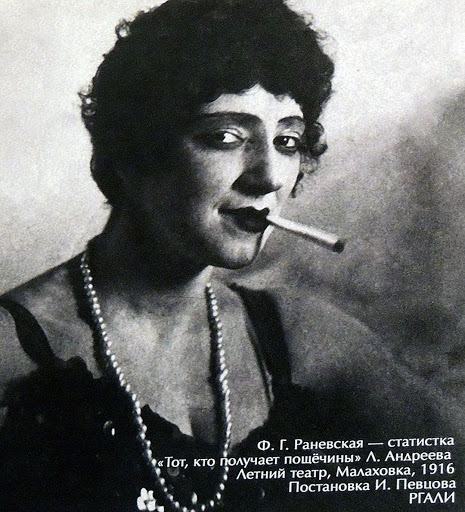
A definitive 7.7/10 rating for a film that redefined the boundaries of cult cinema. He Who Gets Slapped remains a cornerstone of transgressive art.
Stepping into the melancholic, dust-filled tent of He Who Gets Slapped is to enter a psychological arena where the human spirit is both flayed and elevated. Released in 1924, this silent film, adapted from Leonid Andreyev's play, is an astonishingly potent exploration of identity, humiliation, and the tragic allure of self-annihilation. It's not merely a story; it's a profound rumination on the masks we wear, the pain we internalize, and the desperate, often futile, attempts to escape our past. In an era often caricatured for its broad gags and simplistic narratives, this picture stands as a testament to the profound emotional depth cinema was capable of achieving, delivering a punch that resonates with a timeless, universal ache.
The film introduces us to a man of formidable intellect, known only as 'He,' portrayed with mesmerizing intensity by an uncredited, yet unforgettable, actor. Once a brilliant scientist, lauded for his groundbreaking research, He suffers an unimaginable betrayal. His ambitious wife elopes with his patron, the nefarious Count Mancini, who simultaneously steals He's life's work, presenting it as his own. This double-edged betrayal — personal and professional — shatters He's world, leaving him publicly ridiculed and utterly bereft. The raw agony of this initial sequence is palpable; we witness not just a man losing his possessions, but a soul being meticulously dismantled, piece by agonizing piece. The humiliation is so profound, so absolute, that it transcends mere suffering and becomes a catalyst for an extraordinary, albeit tragic, metamorphosis.
Driven by a masochistic impulse to embrace his new reality, He sheds his former identity like a discarded skin. He seeks refuge in the most unlikely of places: the vibrant, chaotic, yet strangely honest world of the circus. Here, amidst the clowns, acrobats, and exotic animals, he reinvents himself as 'He Who Gets Slapped' – a clown whose sole act is to be repeatedly struck by his fellow performers. The irony is excruciatingly beautiful. A man once celebrated for his mind now finds fame in physical degradation, transforming his deepest wound into a public spectacle. This self-imposed purgatory is his penance, his shield, and his new, perverse identity. The circus, often a symbol of escapism and fantasy, becomes for He a canvas for his existential despair, a place where the line between performance and reality blurs into a tragic, poignant dance. It's a fascinating parallel to the internal struggles depicted in other dramatic silent films, though few embrace the sheer theatricality of suffering quite like this.
The ensemble cast surrounding He contributes immensely to the rich tapestry of this narrative. Olga Baclanova, as the youthful and ethereal bareback rider Consuelo, radiates an innocence that is both captivating and heartbreakingly vulnerable. Her character becomes the unsuspecting focal point of He's fractured affections. He sees in her a purity, a glimmer of the beauty and hope he once possessed and has since lost. His love for Consuelo is complex, a blend of paternal protectiveness, romantic yearning, and a desperate desire for redemption through her. He yearns to shield her from the very kind of cruelty that destroyed him, yet his own shattered state renders him seemingly powerless, trapped within the confines of his clownish persona. Baclanova's performance is subtle yet powerful, conveying a profound sense of fragility that makes her plight all the more resonant. She is not merely an object of affection, but a symbol of unspoiled potential, threatened by the encroaching shadows of the past.
The fragile equilibrium of He's circus life is irrevocably shattered by the re-entry of Count Mancini, played with chilling arrogance by I. Vronsky. The Count, now a wealthy and influential figure, arrives at the circus with his retinue, his predatory gaze soon fixed upon the innocent Consuelo. For He, this is a cruel twist of fate, an unbearable echo of his past trauma. The architect of his downfall is now poised to inflict similar pain upon the one person he cares for most deeply. The dramatic irony is thick and suffocating; He, the brilliant scientist, is now the lowest of clowns, forced to perform his humiliating act while his tormentor, oblivious to his true identity, pursues Consuelo in plain sight. The tension builds with exquisite precision, each interaction between the characters layered with unspoken history and simmering resentment. The narrative skillfully uses the public nature of the circus to heighten the personal drama, making He's silent suffering all the more poignant.
The film’s brilliance lies in its masterful use of the circus as a metaphor for life itself – a vibrant, often deceptive, stage where illusions are performed and truths are often hidden in plain sight. He's act of being slapped is not just a performance; it’s a living, breathing symbol of his internal agony, a visible manifestation of his self-inflicted punishment. The roaring lions, the daring acrobats, the boisterous clowns – all serve to highlight the stark contrast between the external spectacle and the internal, psychological torment of the characters. This rich metaphorical landscape elevates the film beyond a simple melodrama, imbuing it with a profound philosophical weight. It prompts introspection into the nature of performance, both on stage and in daily life, and the ways in which individuals construct and deconstruct their identities in response to external pressures and internal wounds.
The narrative unfolds with a relentless, almost fatalistic, momentum. He's internal conflict reaches an unbearable crescendo as he witnesses Mancini's manipulative advances on Consuelo. The desire for revenge, long dormant beneath the veneer of his clownish indifference, reignites with a fierce, desperate intensity. The climax is a breathtaking sequence of dramatic confrontation, where the lines between the clown and the man, the performance and the reality, finally dissolve. Without giving away the precise mechanics, suffice it to say that the resolution is both shocking and tragically inevitable, a testament to the inescapable grip of fate and the corrosive power of unresolved trauma. The film doesn't offer easy answers or convenient happy endings; instead, it plunges into the abyss of human suffering, emerging with a conclusion that is as devastating as it is cathartic. The final act is a masterclass in silent film storytelling, relying on visual cues and the raw power of the actors' expressions to convey an entire spectrum of complex emotions.
Cinematically, He Who Gets Slapped is a marvel of its era. The direction, though credited to Aleksandr Ivanov-Gai, showcases a sophisticated understanding of visual storytelling. The use of shadow and light is particularly evocative, creating a palpable sense of atmosphere and psychological unease. Close-ups are employed judiciously, drawing the audience into the characters' inner worlds, making their unspoken emotions profoundly clear. The set design, particularly within the circus, is richly detailed, creating a believable yet slightly surreal environment that perfectly complements the film's thematic concerns. The stark contrasts between the vibrant colors (implied through tinting in original prints) of the circus and the somber tones surrounding He underscore his internal isolation. The pacing is deliberate, allowing moments of quiet reflection to deepen the impact of the more dramatic sequences. It's a film that understands the power of the unspoken, relying on gesture, expression, and mise-en-scène to communicate its profound message. The visual language is akin to a finely composed painting, each frame contributing to the overall emotional resonance.
Comparisons to other silent era dramas are inevitable, though He Who Gets Slapped possesses a singular intensity. While films like The Italian explore themes of class struggle and personal sacrifice, and Money delves into the corrupting influence of wealth, this film distinguishes itself through its specific focus on self-imposed humiliation and the psychological ramifications of betrayal. The narrative's unflinching gaze into the protagonist's shattered psyche, and his subsequent transformation into a performing symbol of his own pain, sets it apart. It shares a thematic kinship with the European expressionist movement in its exploration of distorted realities and internal anguish, even if its aesthetic is more grounded in American cinematic tradition. However, the raw, almost visceral portrayal of suffering and the theatricality of the circus setting give it a unique flavor that is rarely replicated with such effectiveness. The film manages to be both grand in its dramatic scope and intimately personal in its emotional core.
The performances by the lead actors are nothing short of exceptional. While the names of Illarion Pevtsov and A. Nekrasov might not be as widely known today, their contributions are crucial. Pevtsov, in particular, embodies the tortured soul of 'He' with a remarkable blend of pathos and simmering rage. His eyes, even through the clown makeup, convey a universe of pain and suppressed fury. Olga Baclanova's Consuelo is a study in delicate beauty and burgeoning awareness, her expressions shifting from playful innocence to dawning fear with compelling authenticity. The chemistry between the characters, particularly the unspoken bond between He and Consuelo, is powerfully conveyed, making their eventual entanglement with Mancini all the more heartbreaking. The film's strength lies not just in its plot, but in the nuanced, non-verbal communication of its cast, a hallmark of great silent cinema.
Ultimately, He Who Gets Slapped is far more than a historical curiosity; it is a profoundly moving work of art that continues to resonate with contemporary audiences. Its exploration of identity, betrayal, unrequited love, and the search for meaning in the face of overwhelming despair is timeless. The film challenges us to look beyond the surface, to peer into the tortured souls behind the painted smiles, and to consider the true cost of humiliation and the desperate measures individuals take to reclaim a semblance of dignity. It's a somber, yet ultimately cathartic, experience that reminds us of cinema's power to illuminate the darkest corners of the human condition. For those seeking a silent film that transcends its era with psychological depth and emotional intensity, this is an absolute must-watch. Its legacy is not just in its technical achievements, but in its unwavering commitment to portraying the complexities of the human heart, making it a masterpiece that continues to slap audiences with its raw honesty and enduring power.
IMDb 6
1930
Community
Log in to comment.