Summary
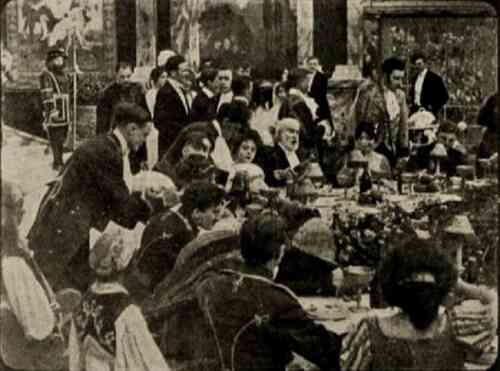
In a 1921 metropolis of soot-stacked skylines and ticker-tape tempests, John D. Maximillian—nicknamed “Croesus” in sneering headlines—has cornered not merely wheat futures but the very respiration of commerce: utilities, mills, the marrow of labor. His daughter Ruth, raised inside gilded silence, tours the family’s steel cathedral and witnesses only the sparks, not the blood that tempers them. Cyrus Livingston, the tycoon’s sleek lieutenant, prowls the catwalks, avarice tucked behind silk gloves; in a superintendent’s office he lunges at Hope Ross, stenographer and moral compass, only to be floored by her lover George Crosby, a foreman whose sinewy rectitude brands him instant enemy. A banquet of Lucullan excess—peacocks in molten chocolate, champagne cascades—ignites worker fury; the palace is stormed, Crosby battered, Ruth awakened. Abduction plots swirl: Livingston, ruined and rabid, conspires with an anarchist to snatch Ruth, but Hope, cloaked in the heiress’s mantle, is hauled aboard a fleeing yacht. Crosby pursues through reef-lashed darkness; a watery duel leaves Livingston food for the undertow. Lightning cleaves the Maximillian citadel, toppling Croesus into his own fountain like a fallen Caesar. Ruth inherits the smoldering ledger, re-forging it into a covenant of living wage and shared breath; Hope and Crosby wed, the mills now ringing with something closer to possibility than despair.
Synopsis
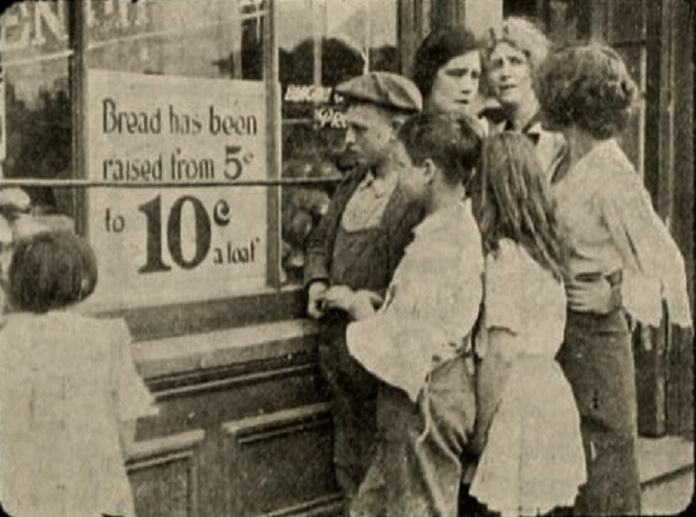
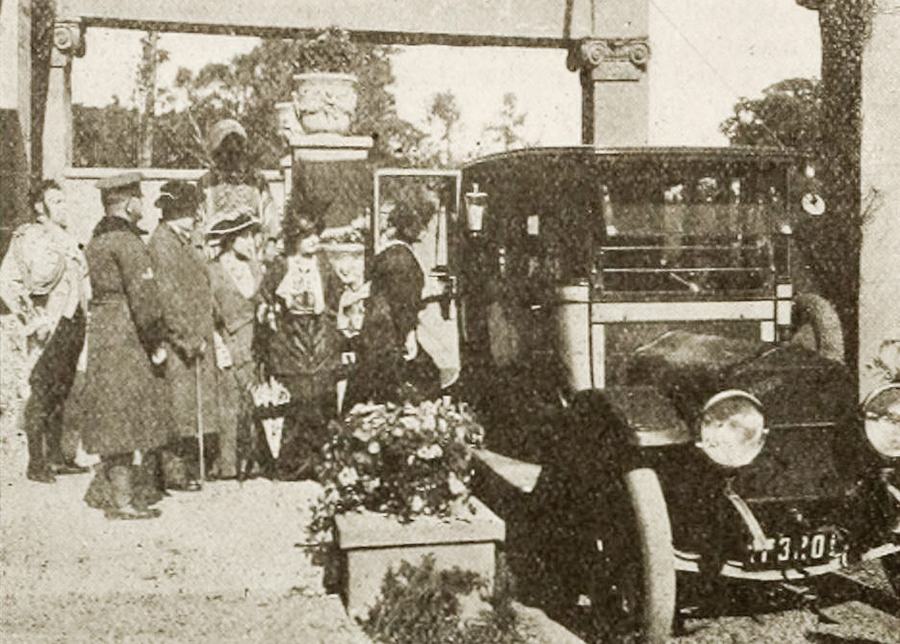
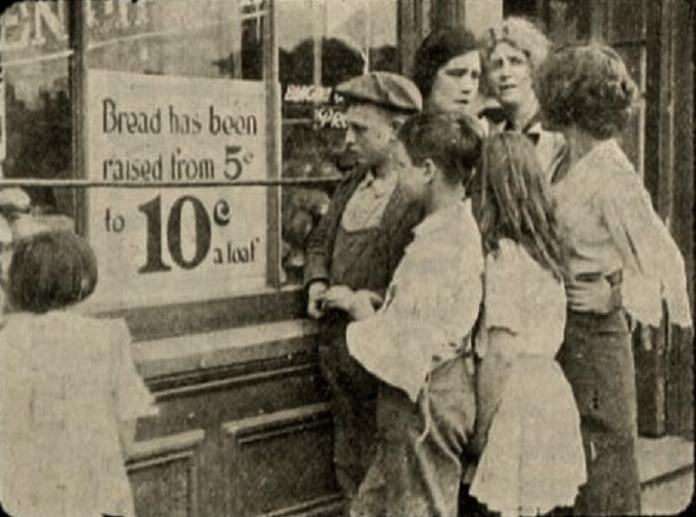
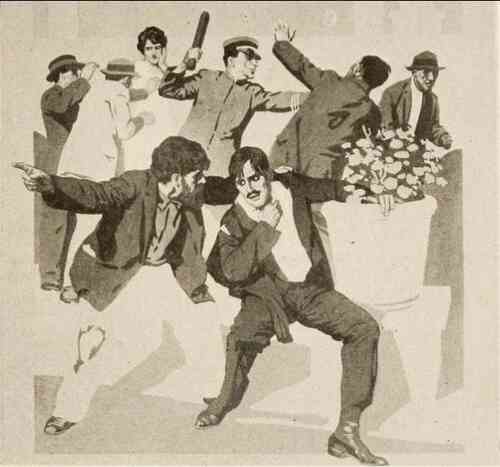
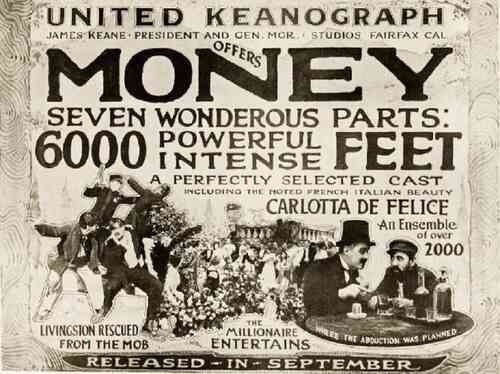
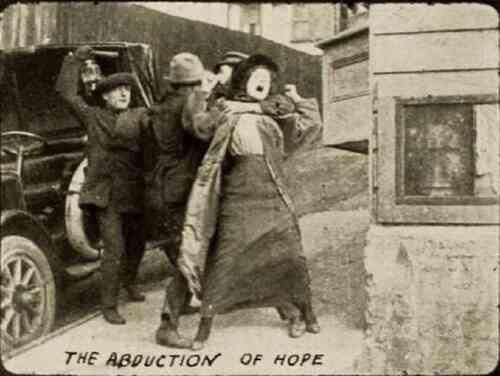
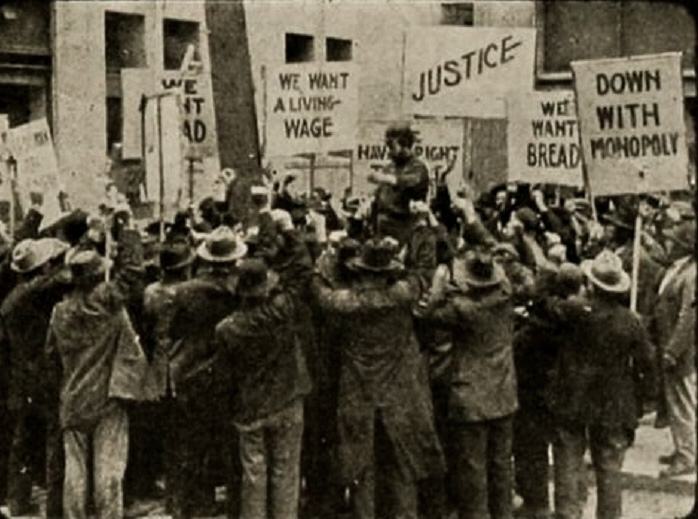
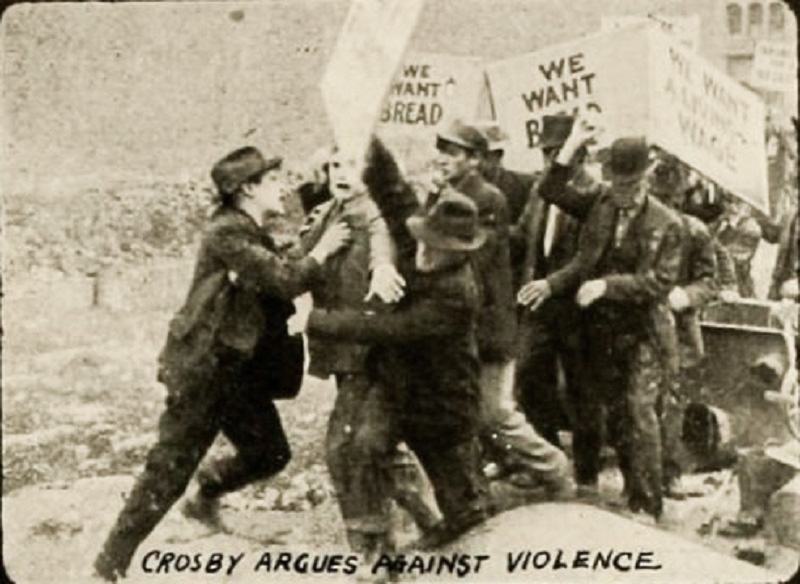
The drama takes as its period the year 1921 and relates how John D. Maximillian, commonly known as "Croesus," has acquired control of the money interests of the world, together with a majority stock in all public utilities. At the opening of the photodrama, the wheat market of the world has passed into his hands. He is assisted in his financial operations by Cyrus L. Livingston, his junior partner and chairman of his board of directors, better known as his financial cabinet. "Croesus" has an only daughter, Ruth, from whom all knowledge of her father's financial transactions and oppression of the poor has been withheld. For the first time she visits the great steel works of her father in company with some lady friends and escorted by Livingston. During the visit to the plant, Livingston absents himself from the party, taking advantage of the fact that George Crosby, the superintendent, is conducting Ruth and her friends through the plant, and that Hope Ross, stenographer and sweetheart of Crosby, is alone in the superintendent's office. Livingston has on several occasions been offensive in his attitude towards Hope, and he now seizes her roughly and insults her just as Crosby returns in time to defend his sweetheart. He gains Livingston's enmity and is about to be discharged when Ruth Maximillian intervenes and assures Hope that in the future she will be protected from any offense on the part of Livingston. Ruth and Hope become friends. At this time Ruth does not know of the friendship between Hope and Crosby, whom she (Ruth) admires. The struggle of the union laboring classes against the oppression of Maximillian reaches a climax in a great strike, which begins at the Maximillian steel works. Maximillian has refused the demands of the union laborers, and to further show his utter contempt for their threats orders a banquet at his palace to outrival the famous feast of Bacchus. While the banquet is in progress, the union forces assault the palace. Ruth has left the orgy in disgust, followed by Livingston, who in an intoxicated condition, roughly assaults her just as the strikers have broken into the palace. Crosby, who was with them attempting to dissuade them from violence, rescues Ruth from the drunken junior partner of her father. Crosby is seriously injured during the struggle and is later carried into the home of his sweetheart, Hope Ross. A week later Ruth Maximilian, accompanied by Hope, with whom she has taken up charitable work in the lowly quarter of the city, visits the Ross home, where Crosby is now convalescent. It is here she realizes the affection existing between Crosby and Hope. Later Livingston, in conjunction with Johanson, an anarchist, plot to abduct Ruth, with the idea of holding her for ransom. Livingston has been completely stripped of his fortune by "Croesus" on account of his insulting behavior on the night of the banquet. Hope, who is wearing a cloak loaned her by Ruth, is mistaken for the latter and carried away on a vessel hired by the abductors. Word is carried to Crosby by Ruth and they follow the abductors in a machine. The chauffeur is wounded by a shot fired from the fleeting taxi, and Crosby continues the chase alone. He enlists the services of the police patrol. The yacht, upon which is Livingston, Hope and the anarchist, attempts to escape by running through the dangerous reefs of Devil's Gap. The yacht is wrecked. Crosby swims from the police boat in time to rescue Hope after having engaged in a terrific struggle with Livingston, whom he forces beneath the water in the sinking vessel and drowns. A great lightning storm sweeps over the city of New York. The palace of "Croesus" is struck and destroyed by flames. "Croesus," himself, struck by a falling column, falls to his death in a fountain situated in the court of his great palace. Ruth now assumes the reins of financial government and deals out justice and equity to all. The scale of wages is restored and Hope marries Crosby, who is now general manager of the Maximillian steel works.
Review Excerpt
"
The gilt cracks open
There is a moment—halfway through James Keane’s 1921 morality phantasmagoria Money—when the screen itself seems to perspire. Foundry light, orange as Judas’s hair, pools across the banquet tables of Croesus Maximillian while outside the palace gates a tide of torch-bearing workers swells like an overdue reckoning. Intertitles flicker: “The feast of the world‐owner begins; the hunger of the world-worker ends.” The cut is surgical: inside, a roasted stag crowned in gold leaf;..."