DbcultAccessing Vault...
5.6/10
Senior Film Conservator
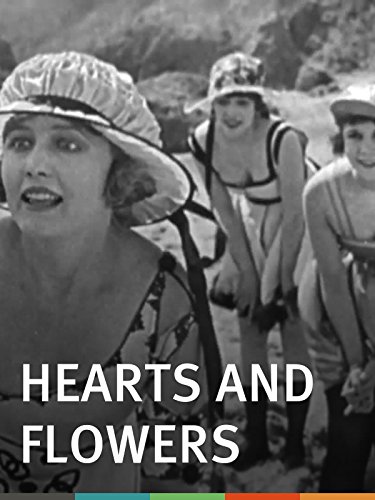
A definitive 5.6/10 rating for a film that redefined the boundaries of cult cinema. Hearts and Flowers remains a cornerstone of transgressive art.
Ah, the roaring twenties, or rather, the nascent stirrings of that vibrant decade, when cinema was still finding its voice, quite literally. To delve into a film like Hearts and Flowers from 1919 is to take a delightful step back in time, to an era where the language of laughter was communicated through exaggerated gestures, frantic chases, and the ingenious artistry of physical comedy. This Mack Sennett production, a testament to the prolific and often chaotic genius of its writer, offers a fascinating glimpse into the foundational elements of cinematic humor, proving that even a century later, the mechanics of a well-timed pratfall or a ludicrous romantic entanglement still possess an undeniable charm.
Sennett, a name synonymous with early American comedy, was a master of the slapstick, a pioneer who understood the raw, visceral appeal of absurdity. His films often revolved around simple premises, yet they invariably escalated into a delightful pandemonium, a carefully orchestrated chaos that became his signature. Hearts and Flowers is no exception. It’s a classic narrative of shifting affections, misguided intentions, and the perennial allure of wealth, all wrapped up in a package designed to elicit guffaws. The plot, deceptively straightforward, acts merely as a springboard for a series of escalating comedic set pieces, a hallmark of Sennett’s approach to filmmaking.
Our story unfolds within the rather elegant confines of a hotel, where a lively orchestra provides the soundtrack to the daily dramas of its patrons. At the heart of this melodic chaos is the orchestra leader, portrayed with a certain roguish charm by Billy Armstrong. Armstrong’s character is not one to let a beautiful face go unnoticed, and his initial flirtations with a captivating young woman in the audience quickly draw the ire of her rather possessive fiancé. This initial skirmish, a delightful interplay of glares, huffs, and puffed chests, sets the comedic tone, establishing the leader as a man whose affections are as fluid as the notes he conducts.
However, the narrative takes an intriguing turn, a pivot that elevates the stakes from mere romantic rivalry to a more cynical, yet undeniably humorous, pursuit of fortune. The orchestra leader soon stumbles upon a revelation: the unassuming flower girl, a figure typically relegated to the background, is in fact a rich heiress. This discovery, a classic trope of mistaken identity and hidden wealth, immediately recalibrates his romantic compass. His attentions, previously directed at the audience member, now swing dramatically towards the newly identified heiress, played with an understated grace that belies her character's eventual significance. This sudden shift, driven by transparent avarice rather than genuine sentiment, predictably throws another wrench into the romantic machinery, as the flower girl’s own boyfriend, a character whose earnestness contrasts sharply with the leader's opportunism, finds himself unceremoniously sidelined.
What follows is a delightful maelstrom of complications, a cascading series of misunderstandings and retaliations that are the very essence of Sennett’s comedic vision. The film doesn't merely present a love triangle; it crafts a multi-faceted geometric tangle of desires, where money, status, and genuine affection (or the lack thereof) collide in spectacular fashion. The beauty of such a narrative, especially in the silent era, lies in its reliance on visual storytelling. Every double-take, every indignant stare, every frantic chase sequence contributes to the unfolding humor, making the audience complicit in the delightful absurdity. The plot, while thin by modern standards, is perfectly suited for the rapid-fire gags and physical comedy that were the bread and butter of Mack Sennett’s studio.
A silent comedy, perhaps more than any other genre, hinges on the expressive capabilities of its cast. Without dialogue, actors must convey entire emotional landscapes through facial contortions, body language, and exaggerated movements. Hearts and Flowers boasts a veritable who's who of Sennett regulars, each bringing their unique brand of comedic flair to the proceedings. Billy Armstrong, as the fickle orchestra leader, embodies the charming cad with an infectious energy. His ability to shift from smarmy flirtation to wide-eyed surprise, often in a single frame, is a masterclass in silent performance.
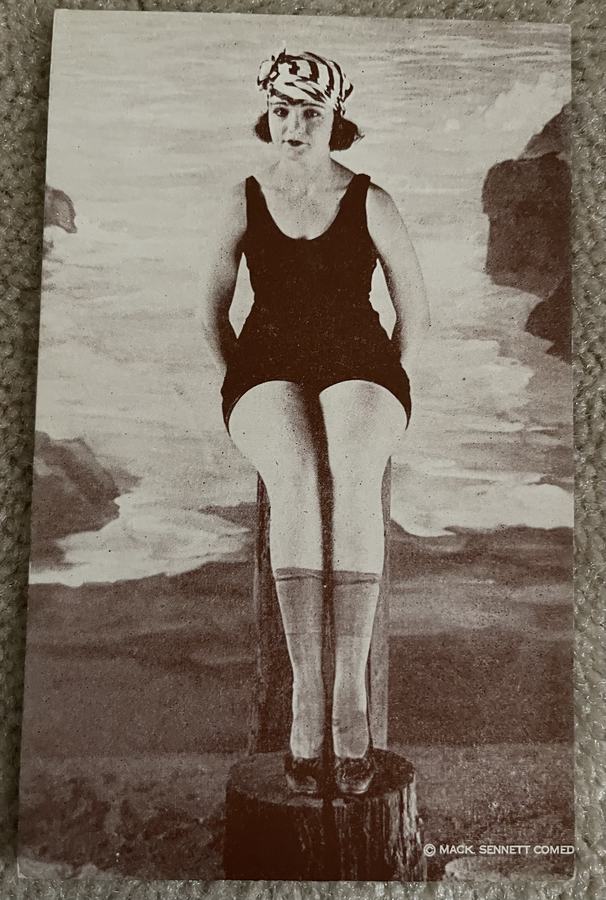
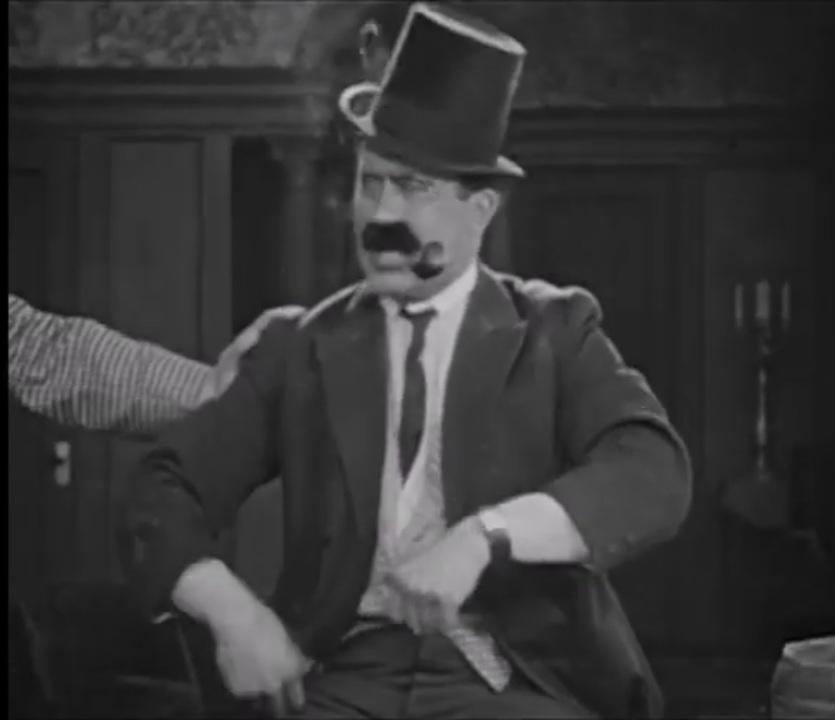
The film also features the talents of George Gray, Charlotte Mineau, and Patrick Kelly, who, though perhaps not as prominently featured as some, contribute significantly to the bustling atmosphere of the hotel and the escalating chaos. Phyllis Haver, often lauded for her vivacious presence, likely brings a spark to her role, whether as the initial object of affection or perhaps as the heiress herself, infusing her character with a blend of innocence and burgeoning exasperation. Virginia Fox, another Sennett stalwart, would have added to the visual dynamism, her expressive face and nimble movements perfect for the rapid-fire gags common in these shorts. Ford Sterling, a foundational figure in Sennett's Keystone Kops troupe, even if not explicitly playing a Kop here, would undoubtedly inject his signature brand of manic energy and distinctive physical comedy into any role he undertook, often characterized by his bulging eyes and frenetic movements. His presence alone suggests a certain level of delightful chaos.
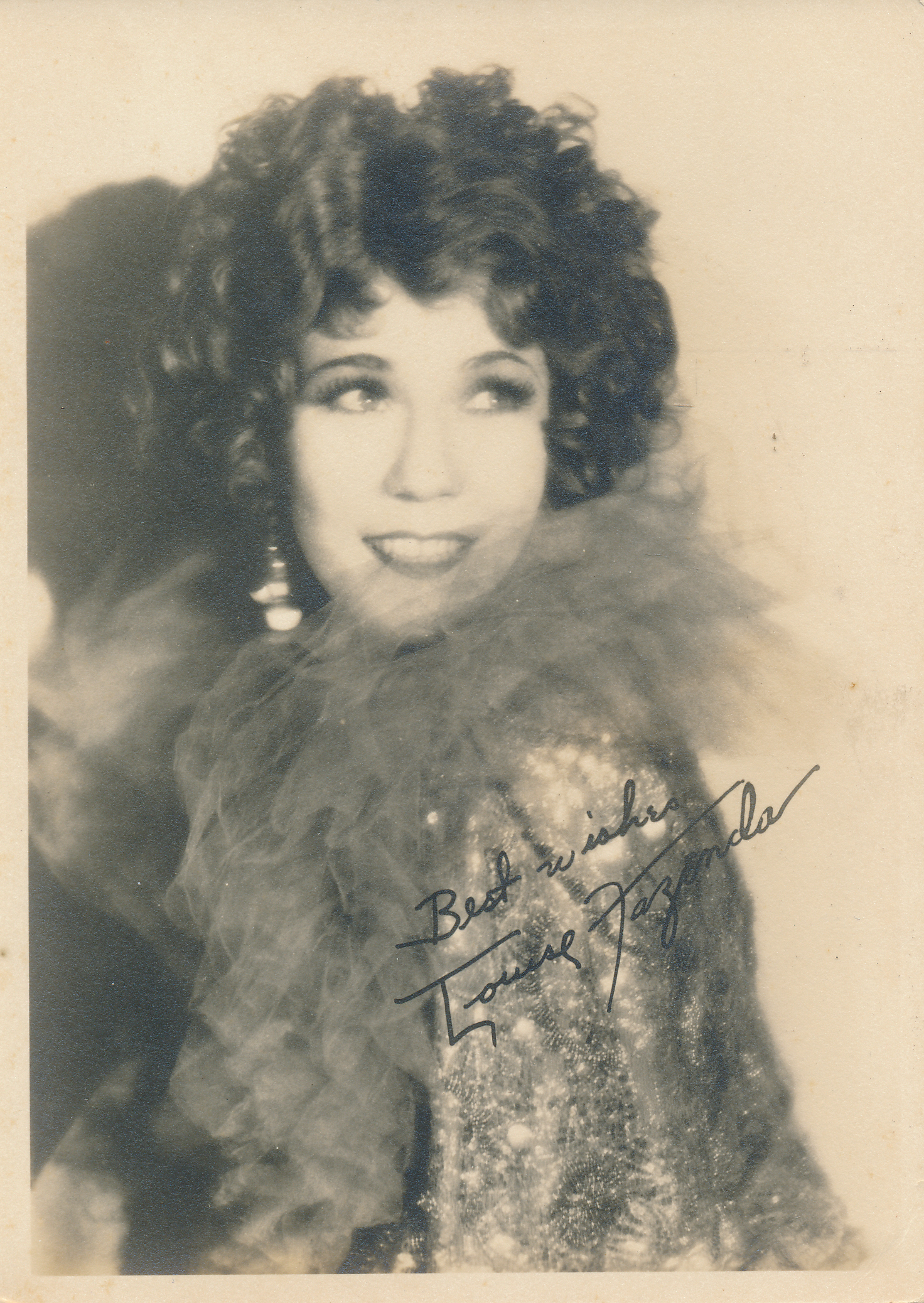
The supporting cast, a robust assembly including Robert Finlay, John Rand, Elva Diltz, Heinie Conklin, and Edgar Kennedy, are crucial to the film’s success. Conklin, with his perpetually bewildered expression, and Kennedy, often playing the gruff authority figure or the put-upon victim, were masters of their craft, each contributing distinct comedic personas that enriched Sennett’s cinematic universe. Gladys Atkins, Eva Thatcher, Marion Aye, Harriet Hammond, Louise Fazenda, and Thelma Bates further populate this comedic landscape, each adding their unique flavor to the unfolding farce. Fazenda, in particular, was known for her comedic prowess and ability to portray a wide range of characters, from the demure to the delightfully eccentric. Joseph Belmont, Harry Gribbon, Isabelle Keith, Bert Roach, Sybil Seely, Kalla Pasha, Jack Ackroyd, and Dorothy Beale round out this impressive roster, forming a vibrant tapestry of characters that bring the hotel setting to life. It’s this collective energy, this shared understanding of the comedic rhythm, that allows a silent film to transcend its lack of spoken dialogue and resonate with an audience.
Mack Sennett’s influence on Hearts and Flowers is palpable in every frame. As the writer, he meticulously crafted a scenario ripe for comedic exploitation, understanding that the most effective humor often springs from human foibles and societal absurdities. His approach was not merely about individual gags but about creating a cumulative effect, where one comedic beat seamlessly led to another, building momentum towards a grand, often chaotic, finale. The pacing in Sennett's films is typically brisk, mirroring the frenetic energy of the characters themselves. This rapid-fire delivery of visual jokes was revolutionary for its time, keeping audiences constantly engaged and anticipating the next ridiculous turn of events.
The film, like many of Sennett’s productions, probably employed the classic Keystone technique of the chase sequence. Whether it’s characters frantically pursuing each other through hotel corridors, dodging obstacles, or engaging in a series of near-misses, the chase was a fundamental component of Sennett’s comedic toolkit. This visual dynamism, coupled with the exaggerated reactions of the performers, created a sense of perpetual motion that was both exhilarating and inherently funny. One can easily imagine the orchestra leader, the two disgruntled boyfriends, and perhaps even some of the hotel staff, all careening through the lobby in a grand pursuit, each with their own urgent, albeit often misguided, agenda.
Sennett also excelled at using props and settings to enhance his gags. A hotel, with its various rooms, public spaces, and often rigid decorum, provides ample opportunities for disruption. A flower cart might be overturned, a grand piano might be involved in a bizarre accident, or a formal dinner might devolve into a food fight. These elements are not just background; they become active participants in the comedic narrative, often serving as catalysts for further chaos. The beauty of these early comedies lies in their inventive use of everyday objects for extraordinary, humorous purposes.
Viewing Hearts and Flowers today offers more than just a laugh; it provides a valuable window into the nascent stages of cinematic language and the social mores of the early 20th century. Silent films, by necessity, developed a unique visual vocabulary. Intertitles, though sparse in a fast-paced comedy, would have provided crucial plot points or witty commentary, guiding the audience through the narrative. The camera work, likely static for much of the film, would have focused on capturing the full physical performances of the actors, allowing their body language and facial expressions to tell the story.
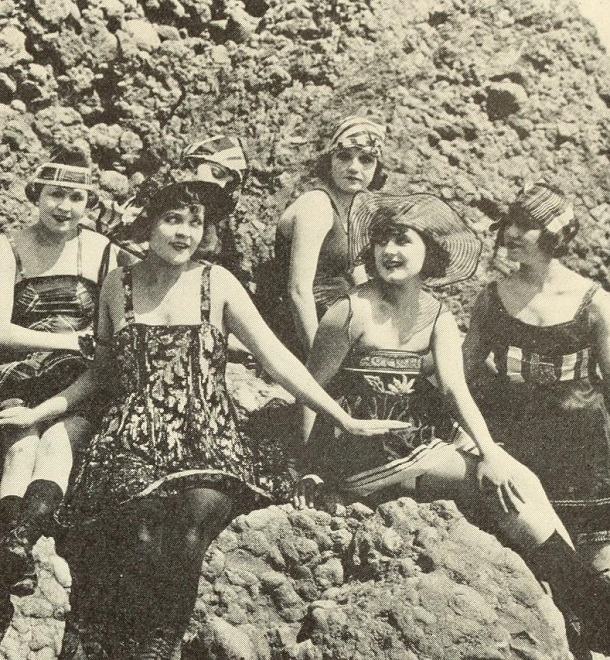
Socially, the film playfully skewers themes of class and ambition. The sudden elevation of the flower girl to heiress status immediately changes how she is perceived and pursued, highlighting the transactional nature of relationships when wealth enters the equation. The orchestra leader’s blatant opportunism, though played for laughs, reflects a certain societal reality where financial gain often dictated romantic choices. This underlying commentary, while never preachy, adds a subtle layer of depth to the otherwise lighthearted farce. It’s a gentle satire on the human condition, particularly our susceptibility to the siren song of money.
Comparing Hearts and Flowers to other films of its era, one can appreciate its place within the broader comedic landscape. While not as grand in scale as some dramatic features, its effective use of ensemble comedy and escalating gags positions it firmly within the tradition of popular entertainment. Films like Joy and the Dragon or The Club of the Black Mask, while perhaps leaning more towards adventure or mystery, often shared the same rapid-fire pacing and reliance on visual cues that were essential to silent cinema. Even romantic comedies like The Man Hater or The Winning of Beatrice, though possibly more focused on character development, would have benefited from the same expressive acting styles that shine in Sennett’s work. The common thread among these contemporary productions was the innovative spirit of early filmmakers, constantly experimenting with narrative and visual techniques to captivate audiences.
What makes a film like Hearts and Flowers endure? It’s not merely its historical significance as an early example of cinematic comedy, nor is it solely the presence of Mack Sennett’s name. Its lasting appeal lies in its fundamental understanding of what makes people laugh: the unexpected, the exaggerated, and the universally relatable human experience of desire, rivalry, and the pursuit of happiness (or, in this case, wealth). The film serves as a charming reminder of a time when entertainment was simpler, yet no less effective. It’s a delightful romp that, despite its age, still manages to elicit chuckles and smiles, a testament to the timeless nature of well-executed physical comedy.
The contributions of its extensive cast, from the central figures like Billy Armstrong and Phyllis Haver to the invaluable supporting players such as Ford Sterling, Heinie Conklin, and Edgar Kennedy, cannot be overstated. Each actor, a vital cog in Sennett’s comedic machine, brought a distinct persona and a mastery of silent performance that allowed the film to transcend its simple premise. Their ability to communicate complex emotions and quick-witted reactions without a single spoken word is a marvel, highlighting the unique artistry of the silent screen era. This collective talent ensures that even a seemingly minor production like Hearts and Flowers remains a vibrant and engaging piece of film history.
In conclusion, Hearts and Flowers, while a product of its time, offers a surprisingly robust and entertaining experience. It’s a joyous celebration of slapstick, a playful commentary on human nature, and a valuable artifact from the golden age of silent comedy. For aficionados of early cinema, or anyone simply in search of a good laugh, this Mack Sennett creation is a delightful discovery, a vibrant splash of color in the monochrome world of 1919 filmmaking. It reminds us that the quest for love, and sometimes for money, has always been a ripe subject for comedic exploration, and that the language of laughter is truly universal, transcending the barriers of time and sound.
IMDb —
1931
Community
Log in to comment.