DbcultAccessing Vault...
5.9/10
Senior Film Conservator
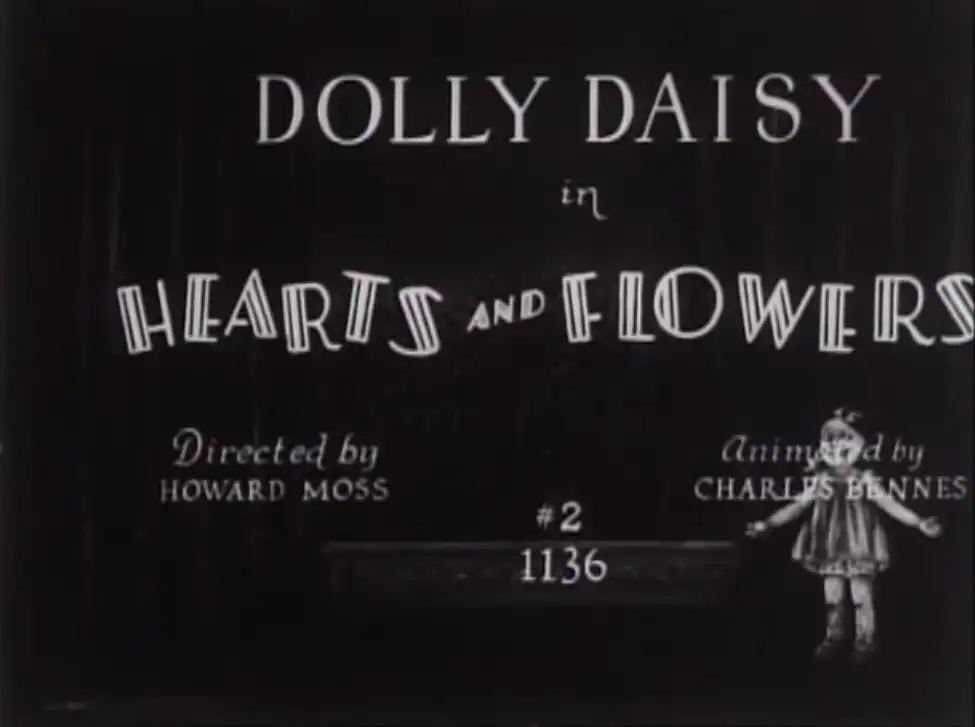
A definitive 5.9/10 rating for a film that redefined the boundaries of cult cinema. Hearts and Flowers remains a cornerstone of transgressive art.
Hearts and Flowers is a curious little piece from 1930. If you’re a classic film buff who loves seeing early sound experiments and simple, earnest stories unfold, you’ll probably find something to smile at here. Anyone looking for deep character arcs or fast-paced drama, though, might find it a bit of a *slog*. It's for the patient viewer, really, the kind who appreciates a film for what it was trying to do at the time. 🤔
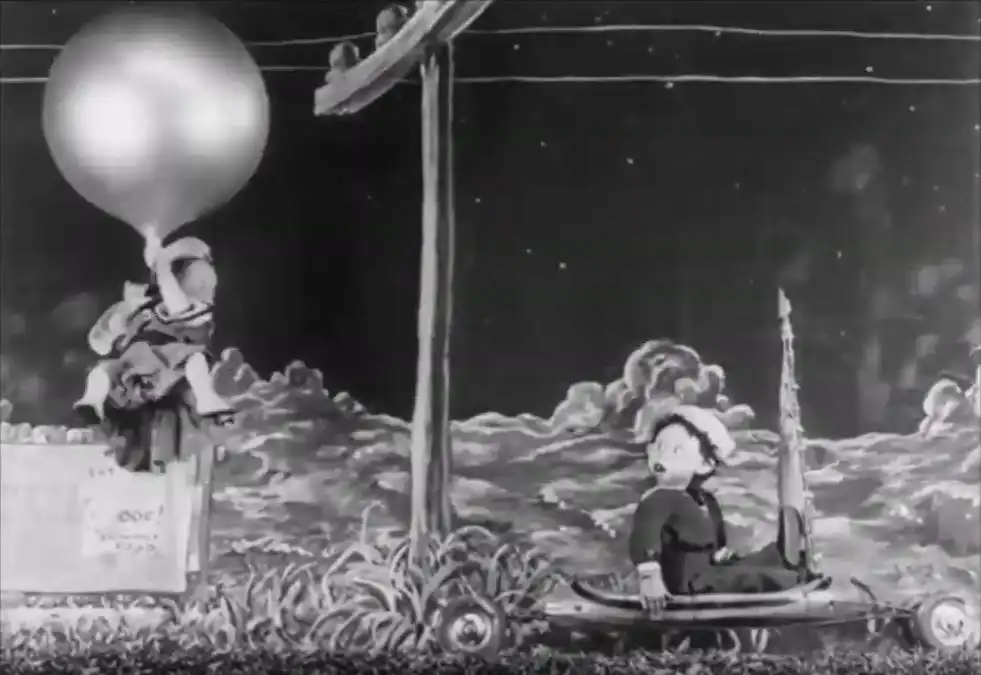
The whole thing centers on Dolly Daisy, who is, let’s be honest, the main event here. She’s got this incredible, almost *too* bright smile that lights up every frame. It’s hard to tell if it's the acting style of the era or just her natural charm, but it really sticks with you. Her character, well, she’s just trying to pick between two fellas.
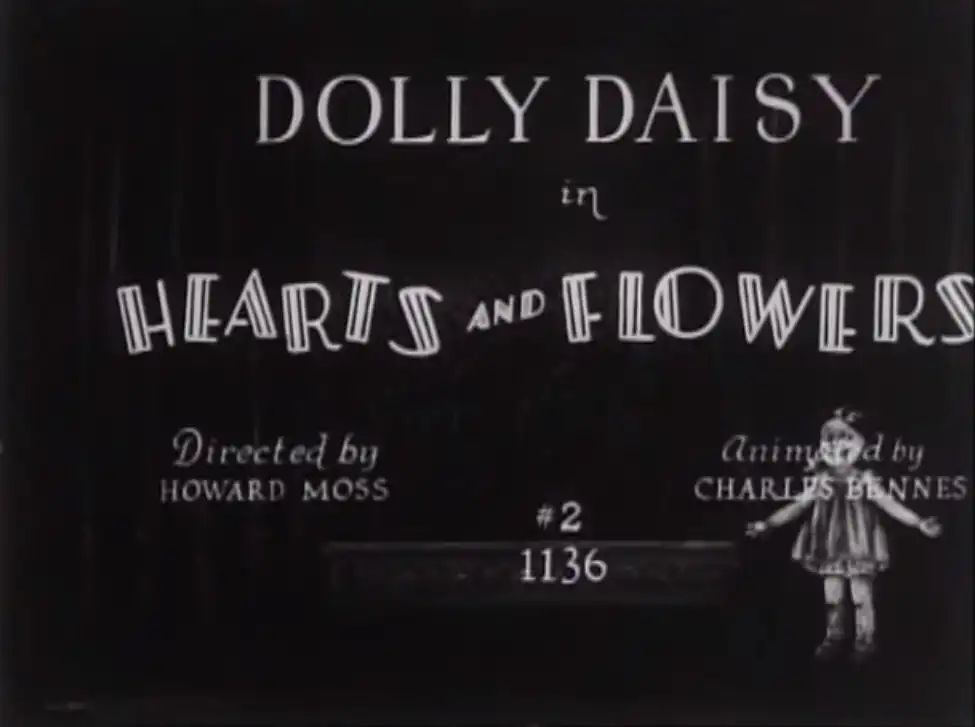
You have George, who is all earnest but a bit clumsy, always tripping over his own words. Then there's Arthur, who's slicker, maybe a little too confident. Their rivalry never gets nasty, which is actually a nice change. It’s more like two puppies trying to get the last biscuit.
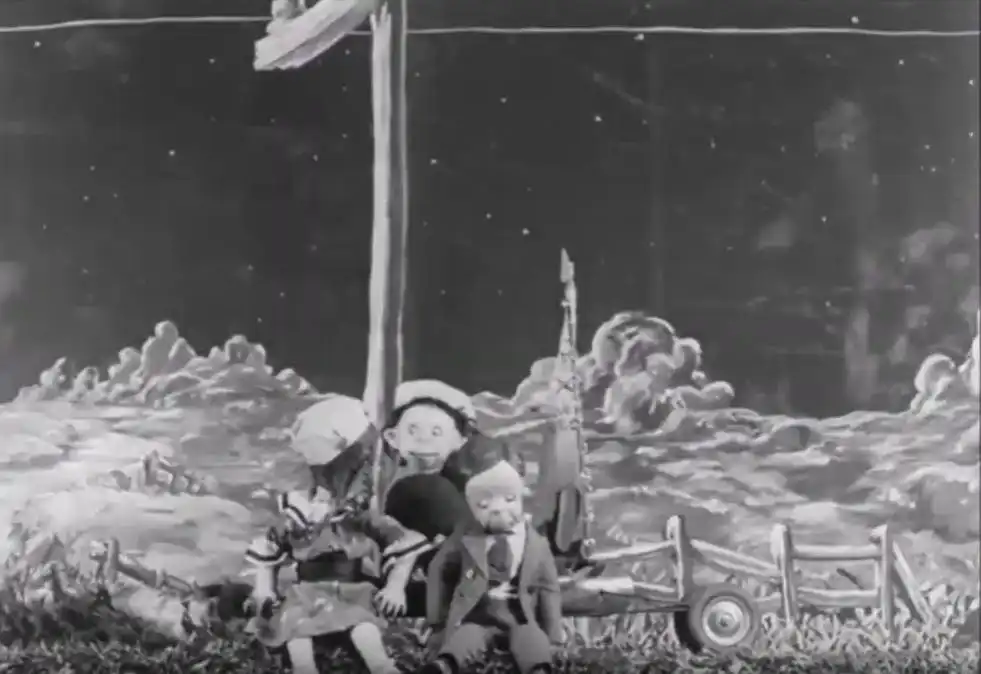
There’s this one scene, I keep thinking about it. They’re both trying to impress Dolly at a garden party. George tries to recite poetry, and he completely forgets the lines, just stumbles through it. Arthur, meanwhile, pulls out a ukulele and starts strumming. The sound of that ukulele, it’s a bit tinny, a bit muffled, but it’s *there*. You can almost hear the sound engineer cheering from the sidelines. 🎶
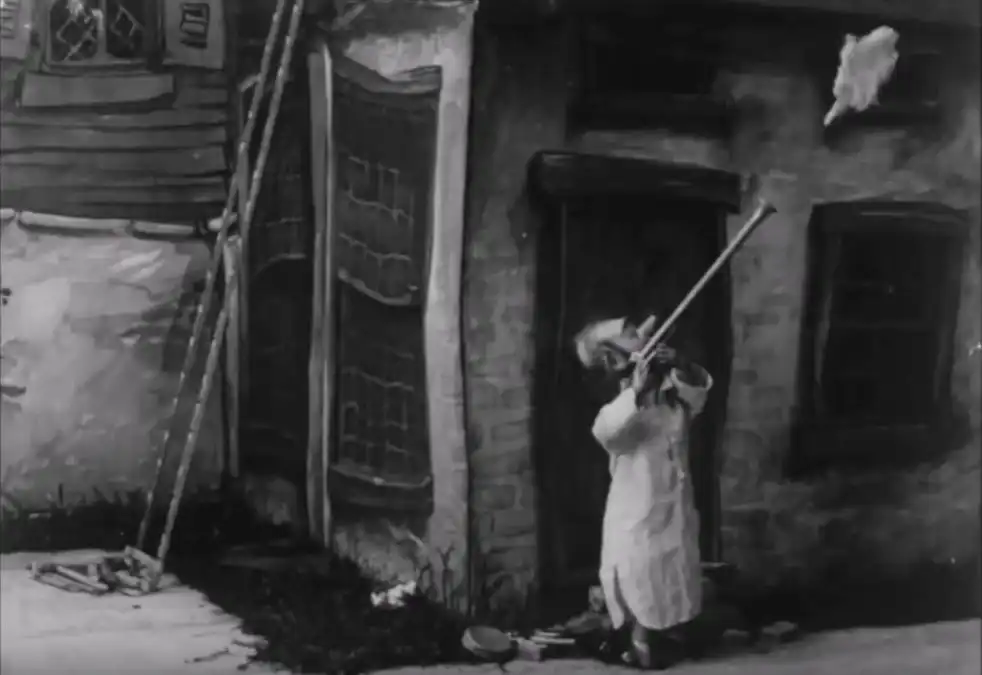
It’s moments like these that make you realize how new sound was. The dialogue often feels a bit stiff, like everyone’s waiting for their cue, but then you get these little bursts of genuine human reaction. Like when Dolly laughs at George’s botched poem, it’s a real, hearty laugh, not just a polite chuckle.
The plot itself, it's pretty much what you'd expect. Two boys, one girl, a few misunderstandings. The stakes feel incredibly low, which is fine, sometimes you just want that. No grand pronouncements, no huge dramatic twists.
I did notice the camera work during the dance sequence, it's quite static. Mostly medium shots, not much movement at all. You can almost feel the camera operator thinking, "Don't move, don't mess up the sound!" It gives the whole thing a certain quaintness, almost like watching a play.
And the ending? It just… happens. No big flourish. One guy gets the girl, the other looks a bit sad, and then fade to black. It’s very abrupt, almost like they ran out of film or time. It leaves you with this feeling of, "Oh, okay. That's that then." Which, for a 1930 movie about love, is maybe just right. Not everything needs a grand finale, does it? 🤷♀️
IMDb —
1924
Community
Log in to comment.