DbcultAccessing Vault...
5.4/10
Senior Film Conservator
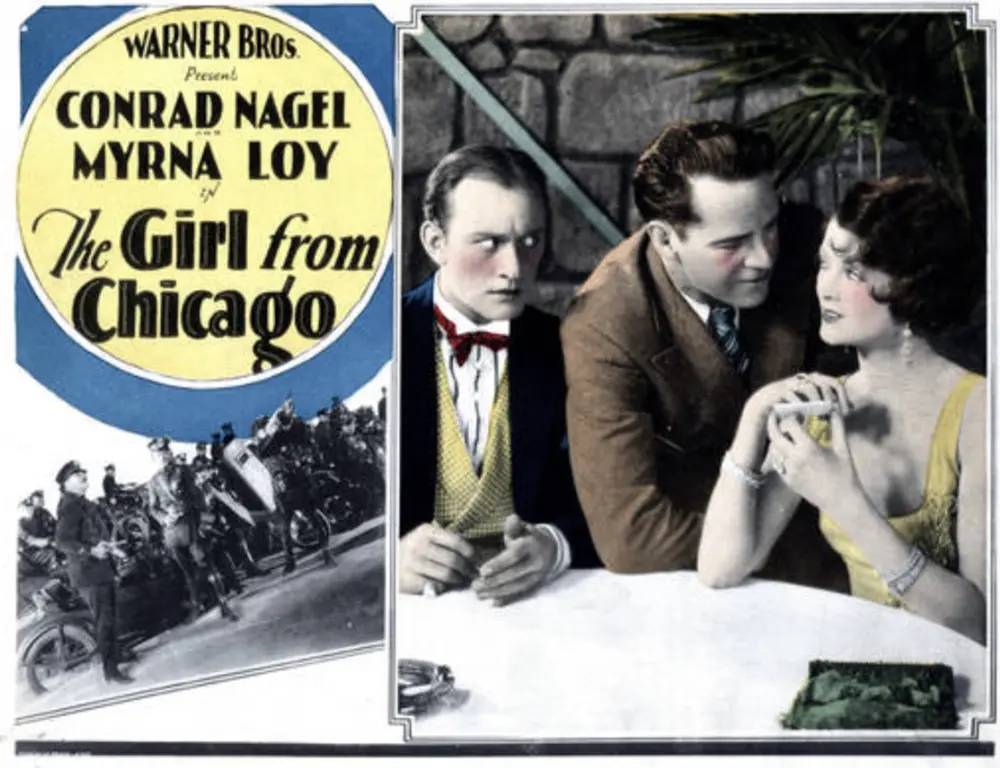
A definitive 5.4/10 rating for a film that redefined the boundaries of cult cinema. The Girl from Chicago remains a cornerstone of transgressive art.
Is 'The Girl from Chicago' a forgotten gem worth your time today? Short answer: yes, but it is strictly for those who value the historical evolution of the crime genre over modern cinematic polish. This film is for the silent cinema completionist and fans of Myrna Loy who want to see her before she became a household name; it is not for those who demand high-octane action or complex psychological depth.
1) This film works because Myrna Loy carries a level of gravitas that outshines the somewhat thin script, proving her star power long before the 'Thin Man' series made her a legend.
2) This film fails because the transition from the rural Southern setting to the gritty Chicago underworld feels narratively disjointed, lacking the connective tissue found in more sophisticated silents like The Mystery Road.
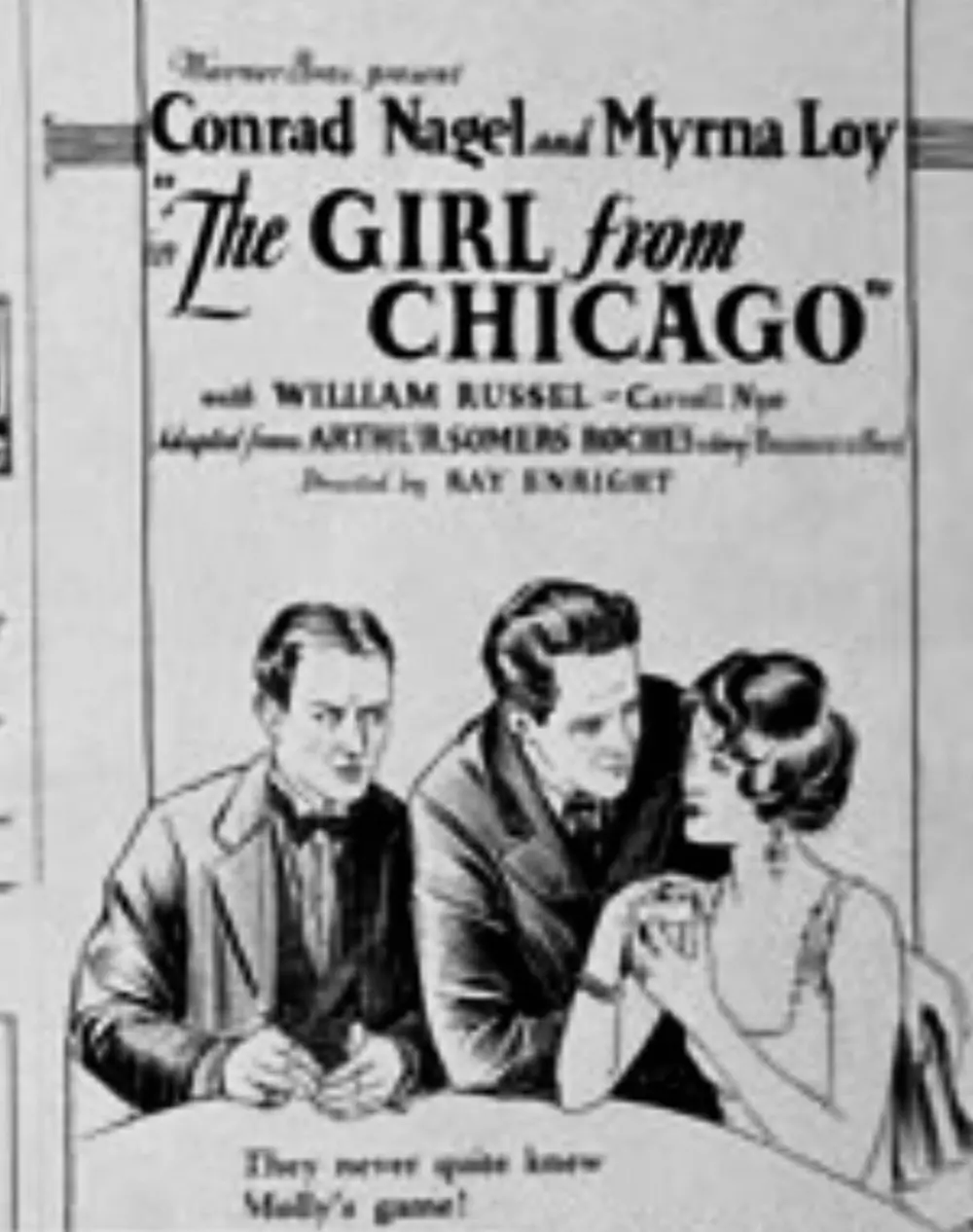
3) You should watch it if you are researching the 'Pre-Code' roots of the gangster genre or want to witness Conrad Nagel's 'Handsome Joe' archetype in its natural, unironic habitat.
The script by C. Graham Baker and Arthur Somers Roche isn't interested in nuance. It functions on the binary logic of 1920s melodrama: the pure South versus the corrupt North. When we first meet Mary Carlton, she is framed in soft, ethereal lighting that emphasizes her innocence. However, the moment her brother Bob is murdered, the film shifts its visual language. The shadows become longer, and the pacing accelerates.
Take, for instance, the scene where Mary decides to leave for Chicago. There is a specific close-up of her packing a small bag where her hands tremble, but her eyes remain fixed and cold. It is a subtle piece of acting that elevates the material. Unlike the more whimsical tone of What Ho, the Cook, this film leans into the grim reality of loss. The stakes are personal, and the film never lets the audience forget the weight of Bob’s death.
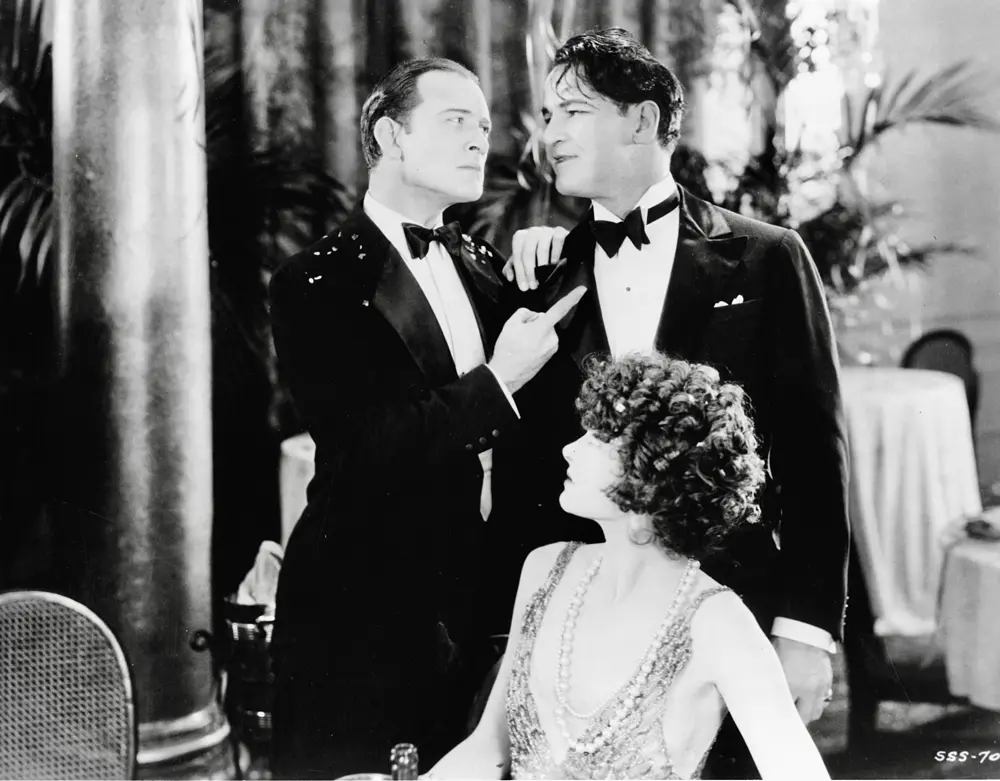
The Chicago depicted here is a caricature of vice, but it is an effective one. The sets for 'Big Steve' Drummond’s headquarters are filled with smoke and low-hanging lights, creating a claustrophobic atmosphere that contrasts sharply with the open vistas of the Carlton estate. This contrast is essential for the film's primary theme: the corruption of the innocent by the environment, and the eventual triumph of character over circumstance.
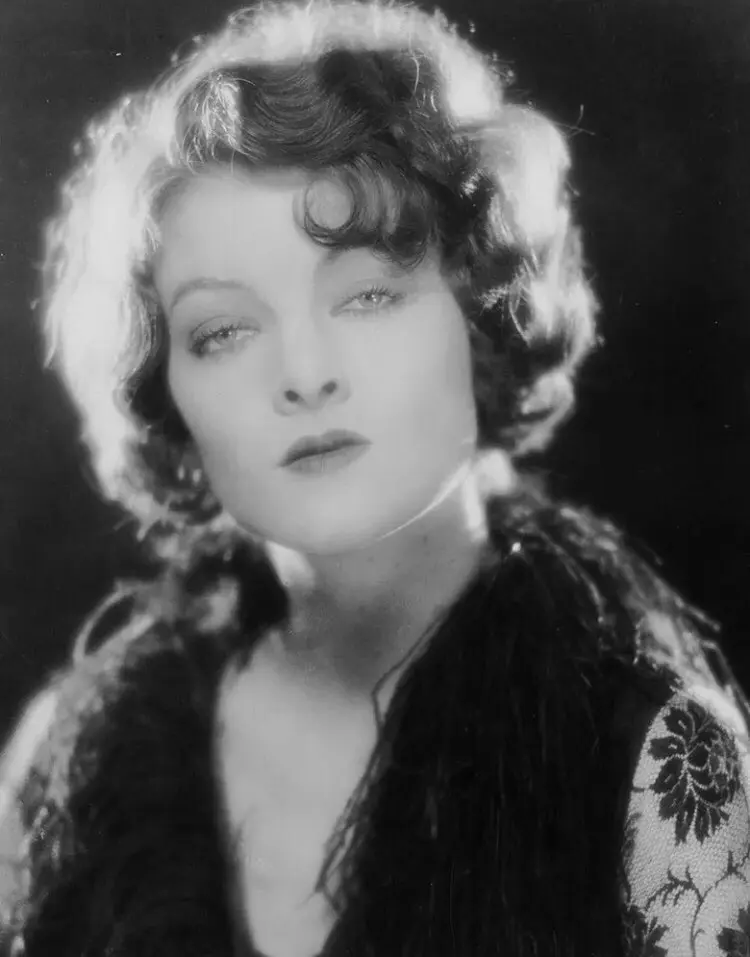
It is impossible to discuss 'The Girl from Chicago' without focusing on Myrna Loy. In 1927, she was still finding her footing, often cast in 'exotic' or 'vamp' roles. Here, she plays a more grounded character, yet she retains that magnetic screen presence. Her Mary Carlton is not a damsel in distress. She is the architect of Drummond’s downfall.
In the climactic confrontation with Big Steve, Loy uses her eyes to convey a mix of terror and triumph. While Conrad Nagel’s 'Handsome' Joe provides the physical muscle, Loy provides the intellectual and emotional core. Nagel is adequate, but he suffers from the 'stiff-upper-lip' acting style prevalent in the mid-20s. He lacks the fluid physicality seen in actors from Young Sherlocks. He is the 'detective' by numbers, whereas Loy is a living, breathing person.
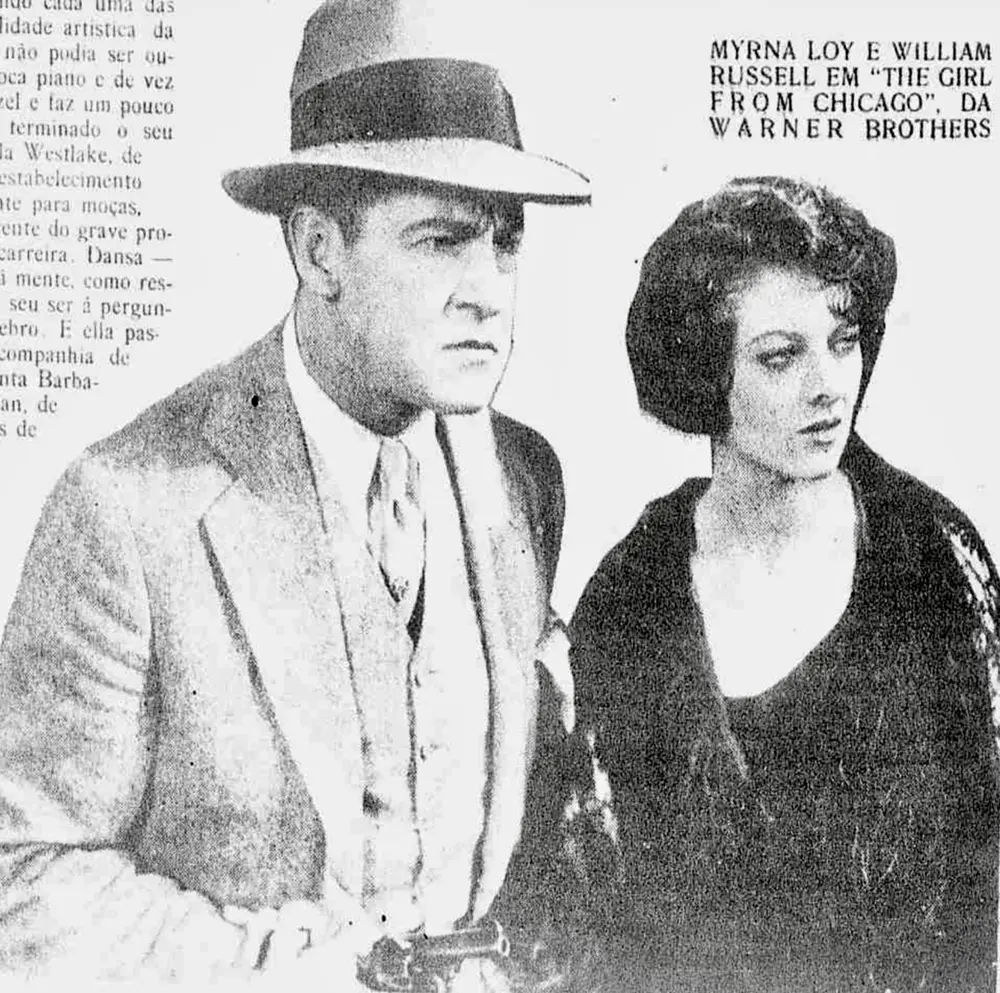
The chemistry between the two is functional but lacks the spark of later screwball comedies. It is a professional partnership born of necessity. One might compare their dynamic to the leads in Any Woman, where the romance often feels secondary to the social hurdles the characters must overcome. In this film, the 'romance' is a reward for justice, not the driver of the plot.
The direction (often attributed to Ray Enright, though the writers often took the spotlight in promotional materials of the era) is workmanlike but efficient. The film uses a standard 'crime-and-punishment' template, but it manages to inject tension through clever editing. The sequence where Joe and Mary set a trap for Drummond is a masterclass in silent suspense.
Consider the use of cross-cutting between the police closing in and Drummond’s henchmen preparing for a getaway. This technique, while common today, was still being refined in 1927. It creates a ticking-clock element that keeps the viewer engaged despite the predictable outcome. It lacks the atmospheric dread of Der Hund von Baskerville, but it replaces that dread with a brisk, American energy.
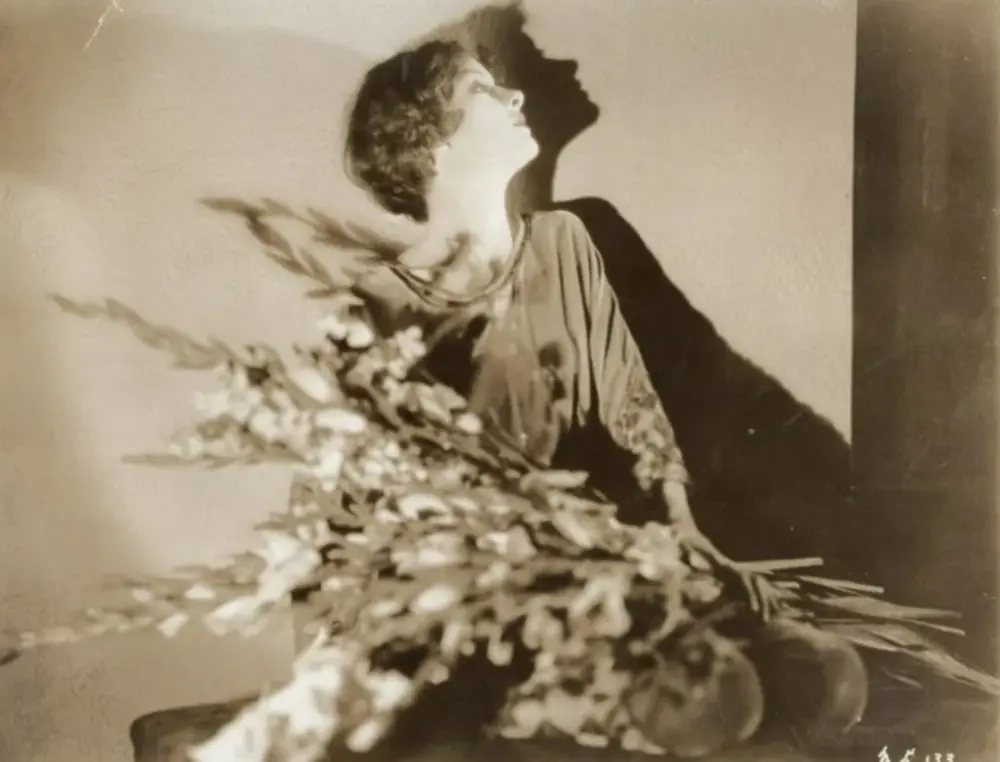
The cinematography by Barney McGill (uncredited but stylistically present) utilizes the 'Warner Bros. look' of the late 20s—high contrast and gritty. The alleyway scenes are particularly effective, using deep blacks to hide the limitations of the studio sets. It creates a sense of a sprawling, dangerous metropolis that exists just beyond the frame.
If you are looking for a deep, philosophical exploration of crime, you won't find it here. However, if you want to see the DNA of the modern police procedural, 'The Girl from Chicago' is a fascinating study. It establishes the tropes we now take for granted: the grieving relative, the charming detective, and the untouchable crime boss. It works. But it’s flawed.
The film is worth watching primarily for the performance of Myrna Loy and for the historical context of how Chicago was perceived by the rest of the country during the Prohibition era. It is a time capsule of urban anxiety. While it doesn't reach the emotional heights of Little Dorrit, it occupies a specific niche in the crime genre that remains influential.
Pros:
Cons:
William Russell plays 'Big Steve' with a hulking, physical presence that makes him a formidable antagonist. In the 1920s, villains were often flamboyant, but Russell plays it with a simmer of quiet menace. One of the most effective moments is when he simply sits at his desk, cleaning his fingernails while discussing a murder. It’s a chilling detail that suggests a man completely desensitized to violence.
This portrayal of a gangster is more grounded than the caricatures seen in Flirting with Terror. Drummond isn't a monster; he's a businessman whose commodity is death. This 'corporate' approach to crime would become a staple of the genre in the 1930s, making 'The Girl from Chicago' a significant precursor to the classic Warner Bros. gangster cycle.
'The Girl from Chicago' is a competent, occasionally inspired crime thriller that serves as a vital bridge between the Victorian melodramas of the early silent era and the gritty realism of the Pre-Code talkies. While Conrad Nagel feels like a relic of an older style of acting, Myrna Loy points toward the future of cinema. She is natural, intense, and entirely believable as a woman fueled by grief. The film may not be a 'masterpiece' in the traditional sense, but it is a fascinating, entertaining, and essential piece of film history. It is a solid B-movie from a time when B-movies were crafted with genuine care and theatrical flair. If you can find a clean print, it is well worth seventy minutes of your time.
IMDb 5.6
1932
Community
Log in to comment.