DbcultAccessing Vault...
6.9/10
Senior Film Conservator

A definitive 6.9/10 rating for a film that redefined the boundaries of cult cinema. Hearts in Dixie remains a cornerstone of transgressive art.
Hearts in Dixie is one of those movies you watch today less for pure entertainment and more for what it represents. If you're into early sound film history, or just curious about how movies looked and sounded back in 1929, it's definitely worth checking out. But if you're expecting something fast-paced, with deep characters, or even a story that flows like modern cinema, you're probably going to find it a bit of a tough sit. This one's really for the film buffs, not a casual Friday night watch. 😬
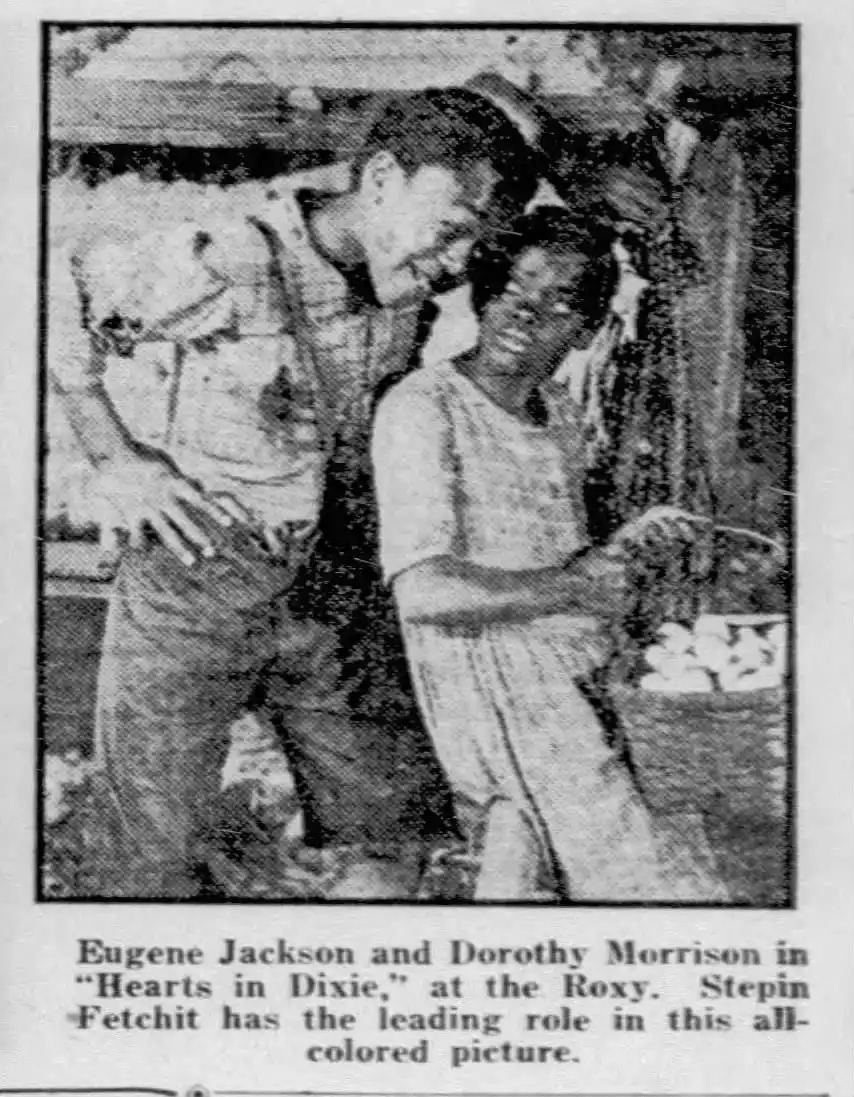
The whole thing centers on this family, Nappus, his daughter Chloe, and her husband Gummy. Right away, you get the picture: Gummy, played by Stepin Fetchit, is just about the laziest guy on screen. He shuffles, he sighs, he avoids work like it’s a plague. It’s a performance that definitely makes you think about how characters were portrayed back then.

Chloe, on the other hand, is just perpetually tired. Dorothy Morrison really sells the exhaustion. She's got two kids, Trailia and Chiquapin, and she’s doing all the farm work, all the house work, everything. You feel her weariness, that's for sure.

The film takes a pretty dark turn when Chloe and little Trailia get seriously sick. Gummy, being Gummy, decides a Vodou doctor is the way to go instead of, you know, a real doctor. That whole sequence feels… staged, but the dread is still there. You know it’s not going to end well, and it doesn't. The moment Trailia passes, it hits you. A quiet, heavy kind of sadness.
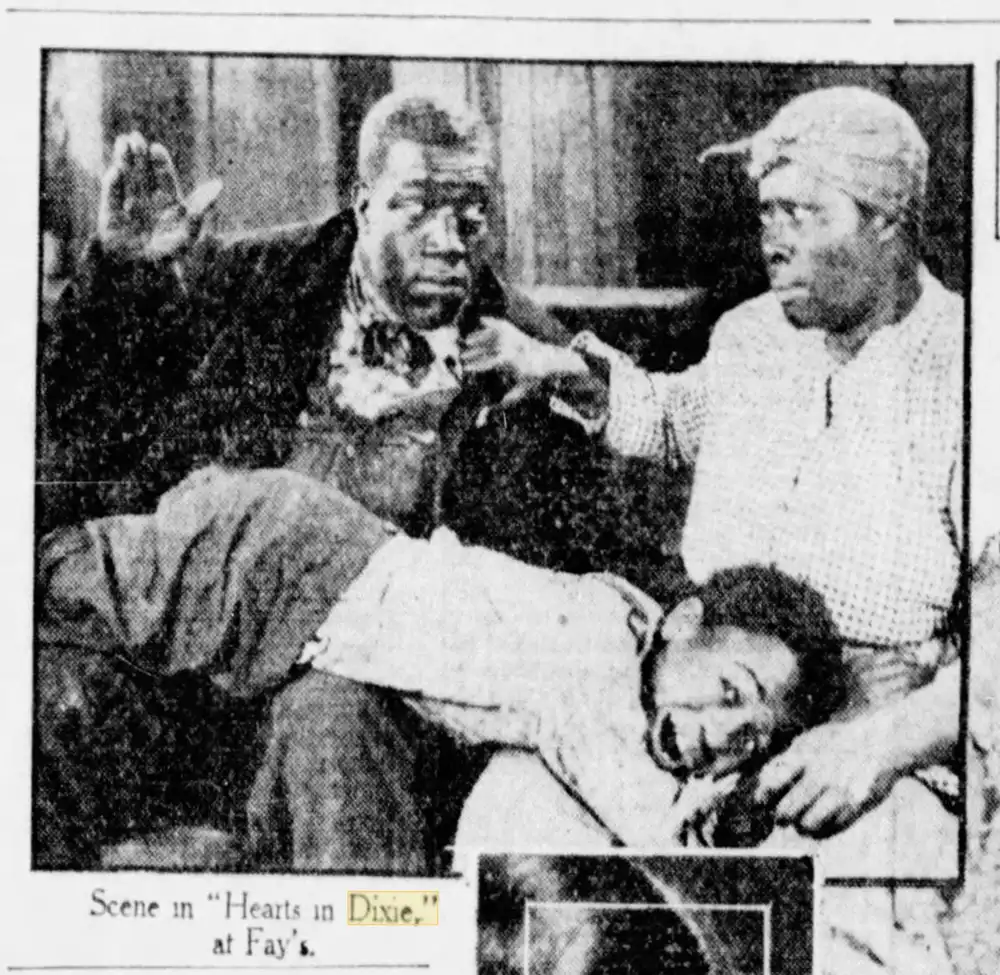
Nappus, the grandfather, is the anchor. Clarence Muse gives a really grounded performance. His frustration with Gummy is clear, but then his grief, and his determination after the tragedy – that's where the movie really finds its footing. He vows to send Chiquapin to medical school, to break the cycle. It's a powerful moment, even if the acting styles are a bit different from what we're used to.
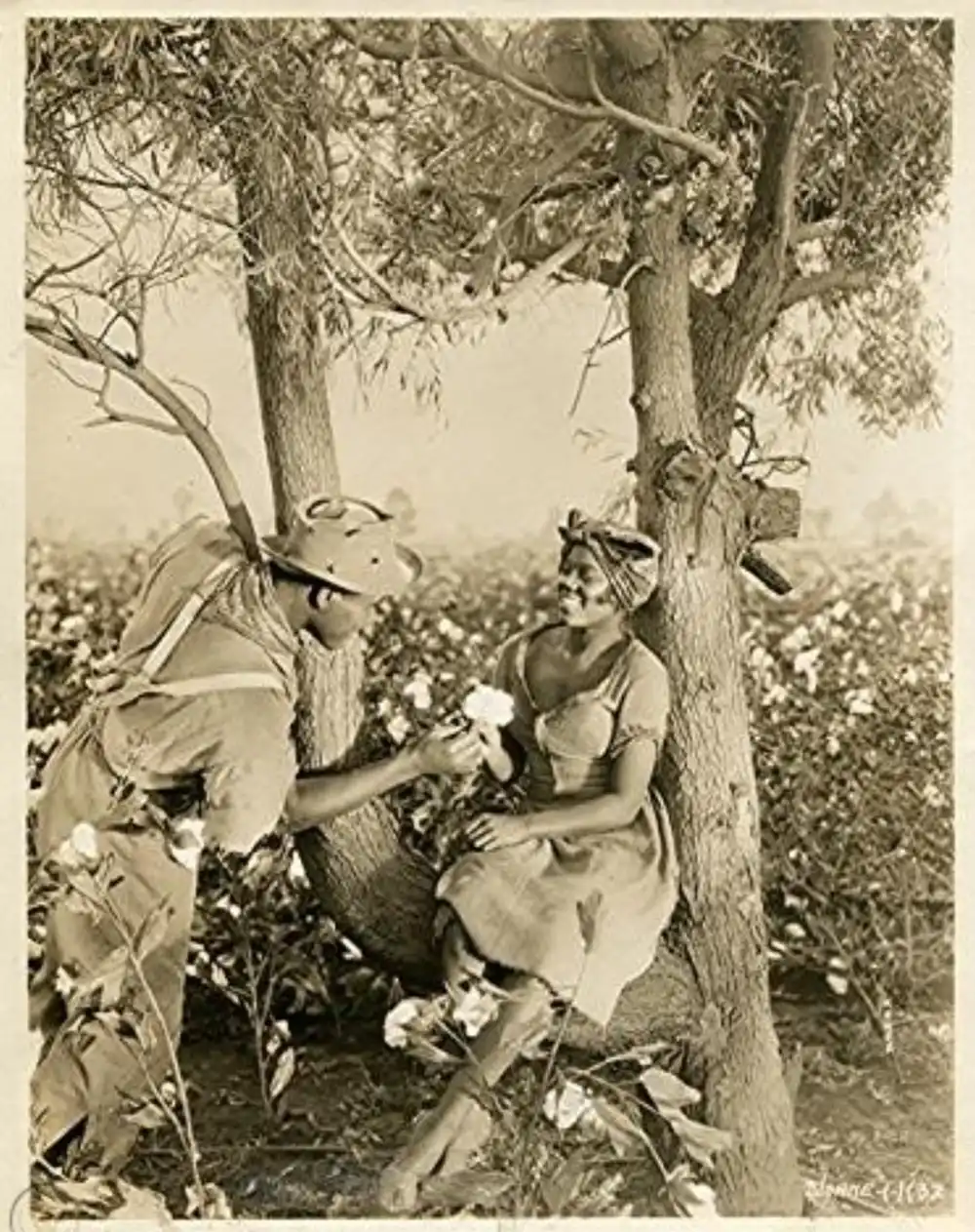
Watching this, you're constantly aware it's an early talkie. The camera doesn't move much; it's almost like watching a filmed play. And the sound mix? Sometimes the singing is crystal clear, other times dialogue sounds a bit muffled, like they're talking into a bucket. You can hear the background hiss, too. It's kind of charming, in its own way, to experience that raw early tech.
The Bilbrew Chorus pops up throughout, singing spirituals. It’s beautiful, no doubt. But it sometimes feels disconnected from the story, like a musical interlude rather than part of the narrative flow. One minute, there's drama, the next, a full-on choir performance. It's a curious blend.
There's this one scene where Gummy is just trying to fix a leaky roof, and he's complaining the whole time. It goes on for a bit. You see the effort, but also the sheer reluctance. It's a small thing, but it perfectly sums up his character.
What sticks with you is the sheer grit of Nappus. His quiet resolve to change things for his grandson. It's a glimpse into the hopes and struggles, told through very early cinema eyes. It's not a smooth ride, but it definitely leaves a mark. Especially if you let yourself sink into its particular rhythm.
IMDb —
1919
Community
Log in to comment.