DbcultAccessing Vault...
3.5/10
Senior Film Conservator
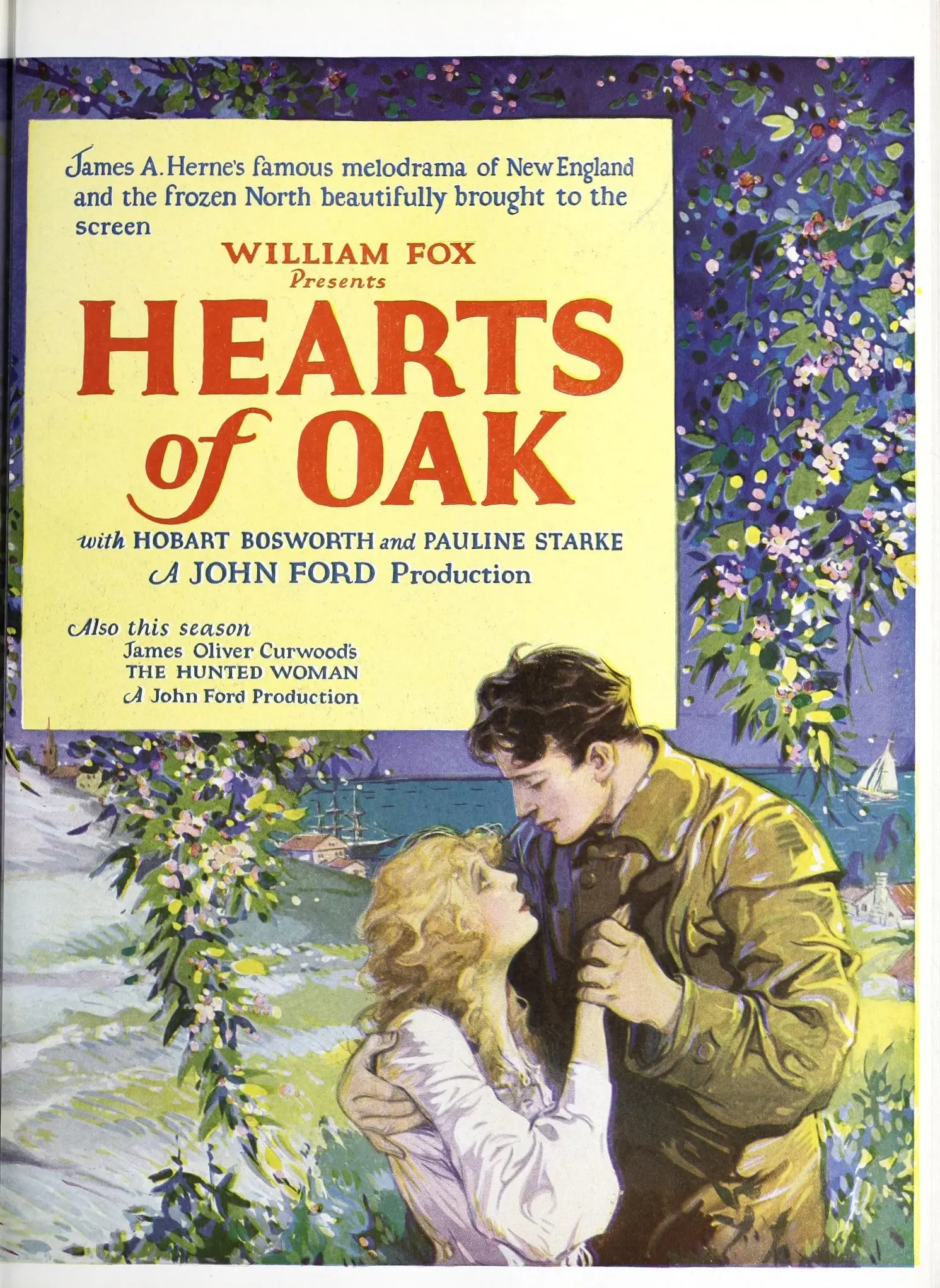
A definitive 3.5/10 rating for a film that redefined the boundaries of cult cinema. Hearts of Oak remains a cornerstone of transgressive art.
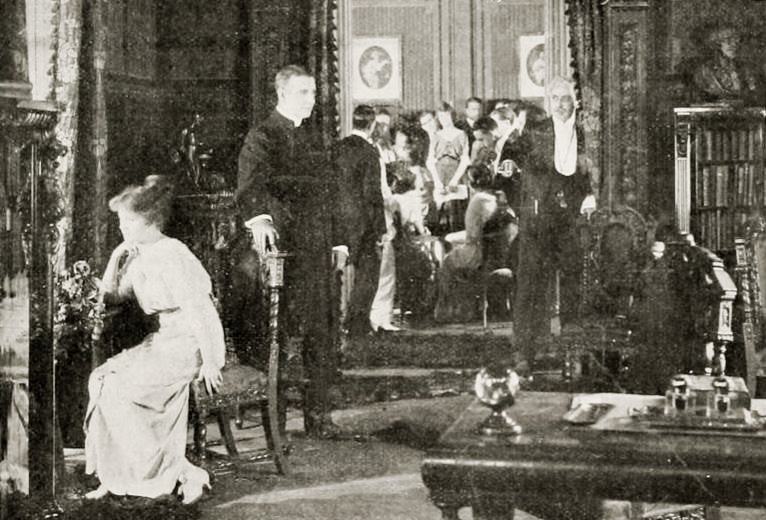
The cinematic landscape of the 1920s was replete with films that delved into the human condition, laying bare the complexities and nuances of love, sacrifice, and redemption. Hearts of Oak, a 1924 film directed by the inimitable Charles Kenyon, is a poignant tale that navigates the intricate web of relationships, expertly weaving a narrative that is both haunting and beautiful. As we delve into the world of Terry Dunnivan, a retired sea-captain living in the picturesque town of Marblehead, Massachusetts, we find ourselves immersed in a story that is as much about the human spirit as it is about the frailties of the heart.
The film's narrative is set in motion when Terry, played by the talented Hobart Bosworth, adopts two children, Chrystal and Ned. As the years pass, Terry's paternal affection for Chrystal blossoms into something more, prompting him to propose to her. Chrystal, however, harbors feelings for her foster-brother Ned, and in a selfless act, agrees to marry Terry to preserve his happiness. This complex dynamic is reminiscent of The Foolish Age, a film that also explores the intricacies of love and relationships.
As the story unfolds, we find ourselves drawn into a world of sacrifice and redemption, where the characters are forced to confront their own desires and the consequences of their actions. Ned, played by the talented James Gordon, returns from a lengthy voyage, intent on making Chrystal his wife, but upon discovering Terry's plans, he chooses to embark on a perilous Arctic expedition, potentially sealing his own fate. This act of selflessness is a testament to the human spirit, and serves as a poignant reminder of the sacrifices we make for those we love.

The film's use of light and shadow is a masterclass in cinematic storytelling, with the dark oranges and yellows of the setting sun giving way to the sea blues of the ocean. This dichotomy serves as a visual representation of the characters' emotional journeys, and adds depth and complexity to the narrative. The cinematography is equally impressive, with the camera work capturing the beauty and majesty of the natural world.
As we navigate the complexities of Hearts of Oak, we find ourselves drawn into a world of love and sacrifice, where the characters are forced to confront their own desires and the consequences of their actions. The film's themes are timeless, and serve as a poignant reminder of the human condition. In an era where Sunlight's Last Raid and The Reward of Patience were pushing the boundaries of cinematic storytelling, Hearts of Oak stands as a testament to the power of film to capture the human experience.
The film's cast is equally impressive, with Hobart Bosworth delivering a nuanced and powerful performance as Terry Dunnivan. The supporting cast is equally impressive, with Francis Powers and James Gordon delivering standout performances. The chemistry between the actors is palpable, and serves to add depth and complexity to the narrative.
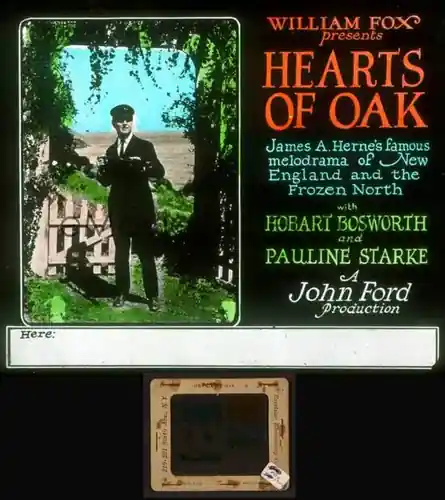
In conclusion, Hearts of Oak is a film that will leave you breathless, with its poignant tale of love, sacrifice, and redemption. The film's themes are timeless, and serve as a poignant reminder of the human condition. If you're a fan of Eve's Daughter or Cameo Kirby, you'll find Hearts of Oak to be a similarly captivating and emotionally resonant film. So, do yourself a favor and experience this cinematic masterpiece for yourself.
As we reflect on the film's legacy, it's clear that Hearts of Oak has had a lasting impact on the world of cinema. The film's influence can be seen in a wide range of films, from Lao gong zhi ai qing to The Evil Eye. The film's themes of love, sacrifice, and redemption continue to resonate with audiences today, and serve as a testament to the power of film to capture the human experience.
In the end, Hearts of Oak is a film that will stay with you long after the credits roll. The film's poignant tale of love, sacrifice, and redemption is a powerful reminder of the human condition, and serves as a testament to the power of film to capture the complexities and nuances of the human experience. So, if you haven't already, do yourself a favor and experience this cinematic masterpiece for yourself. You won't be disappointed.
IMDb —
1923
Community
Log in to comment.