DbcultAccessing Vault...
5.1/10
Senior Film Conservator
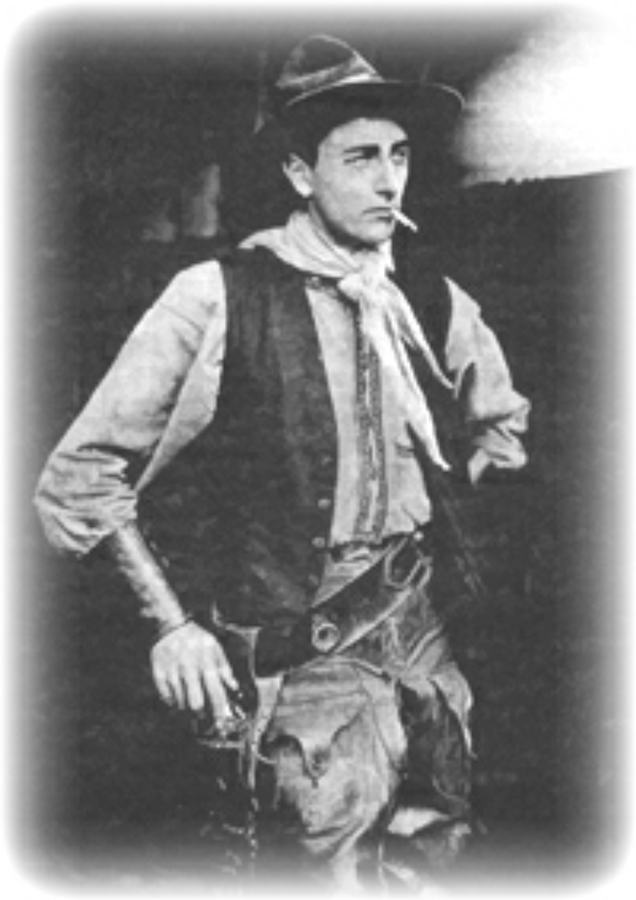
A definitive 5.1/10 rating for a film that redefined the boundaries of cult cinema. Bull Arizona remains a cornerstone of transgressive art.
In the vast, untamed canvas of the Wild West, where legends are forged in gunsmoke and grit, there emerges a figure whose very name conjures both fear and a peculiar fascination: Bull Arizona. This particular installment in the revered 'Bull Arizona' series doesn't just present a tale of audacious bank robberies and swift justice; it delves into the intricate psychology of its titular hero, painting a portrait of a man whose outward ferocity belies an inner world of profound moral conviction. Penned by the insightful Hermann Basler, this film distinguishes itself by challenging the simplistic dichotomies of good versus evil, offering instead a nuanced exploration of an outlaw whose 'rough shell' conceals a 'golden heart.' It’s a narrative choice that elevates the standard Western fare, pushing it into the realm of character study, a feat not often achieved with such compelling depth in the genre’s early days.
The allure of the Western genre has always been its ability to encapsulate fundamental human struggles against a backdrop of raw nature and nascent civilization. From the stoic cowboy to the ruthless bandit, these archetypes often serve as moral guideposts. Yet, Bull Arizona, as embodied by the formidable Horst Krahe, transcends mere archetype. Krahe's portrayal is a masterclass in subtlety, conveying a character perpetually wrestling with the implications of his chosen path. His eyes, often narrowed in suspicion or determination, occasionally betray a flicker of weariness, a hint of the burden carried by a man who lives by his own code in a world that demands conformity. This isn't just about escaping the law; it's about navigating an internal landscape as treacherous as the Arizona desert itself.
What truly sets Bull Arizona apart is the deliberate juxtaposition of his profession with his inherent decency. He is a bank specialist, a meticulous planner, and a formidable presence in any confrontation. Yet, his actions are consistently underscored by a moral compass that points true, even when his methods seem to stray into criminality. This isn't the chaotic, self-serving violence of a typical desperado. Instead, there's a precision, almost a surgical quality, to his heists, suggesting a man who takes what he deems necessary, perhaps even justified, rather than simply plundering. The script, a testament to Hermann Basler's thoughtful writing, never explicitly spells out the 'why' behind Bull's golden heart, allowing the audience to infer the deeper motivations that drive him. Is he righting unseen wrongs? Protecting the vulnerable? Or simply a man who, despite his chosen profession, cannot shed his innate humanity? This ambiguity is the film's greatest strength, inviting repeated viewings and endless interpretation.
The supporting cast plays a crucial role in highlighting Bull's unique position. Sepha Berny, as a character whose path frequently intersects with Bull's, brings a compelling vulnerability and resilience, often serving as a mirror reflecting Bull's own complex nature. Their interactions are charged with unspoken understandings, revealing the human connections that even an outlaw cannot entirely sever. Robert Moser and Mary Basler contribute performances that ground the narrative in the harsh realities of frontier life, embodying the citizens, both desperate and hopeful, whose lives are irrevocably touched by figures like Bull Arizona. Hermann Basler, pulling double duty as writer and actor, crafts a character that serves as a foil, further emphasizing Bull's distinct moral code. And Sonya Bernini adds another layer of emotional depth, her presence often sparking moments of reflection or quiet tension that underscore the film's thematic concerns.
Historically, the Western genre has often relied on clear-cut distinctions between heroes and villains. Yet, films like The Corner, with its gritty portrayal of urban struggle, or even the subtle psychological tension of The Spider, demonstrate a growing appetite for more complex characterizations in cinema. 'Bull Arizona' bravely steps into this territory, predating many of the 'revisionist' Westerns by presenting a protagonist who defies easy categorization. He's not a lawman, nor is he purely destructive. His actions, though criminal, are often imbued with a sense of purpose that feels almost righteous, albeit through unconventional means. This moral ambiguity is a refreshing departure, inviting audiences to reconsider their preconceived notions of justice and heroism.
The film's visual language, while perhaps constrained by the filmmaking techniques of its era, effectively conveys the desolation and beauty of the Wild West. The wide-open spaces emphasize Bull's isolation, while the cramped interiors of saloons and banks heighten the tension of his endeavors. There’s a palpable sense of the stakes involved, not just for Bull, but for everyone caught in the unforgiving landscape. The pacing, deliberate yet never sluggish, allows for moments of quiet introspection alongside bursts of exhilarating action, ensuring that the audience remains engaged both intellectually and viscerally. This thoughtful rhythm is another hallmark of Basler's script, demonstrating an understanding of how to build suspense and develop character without relying solely on exposition.
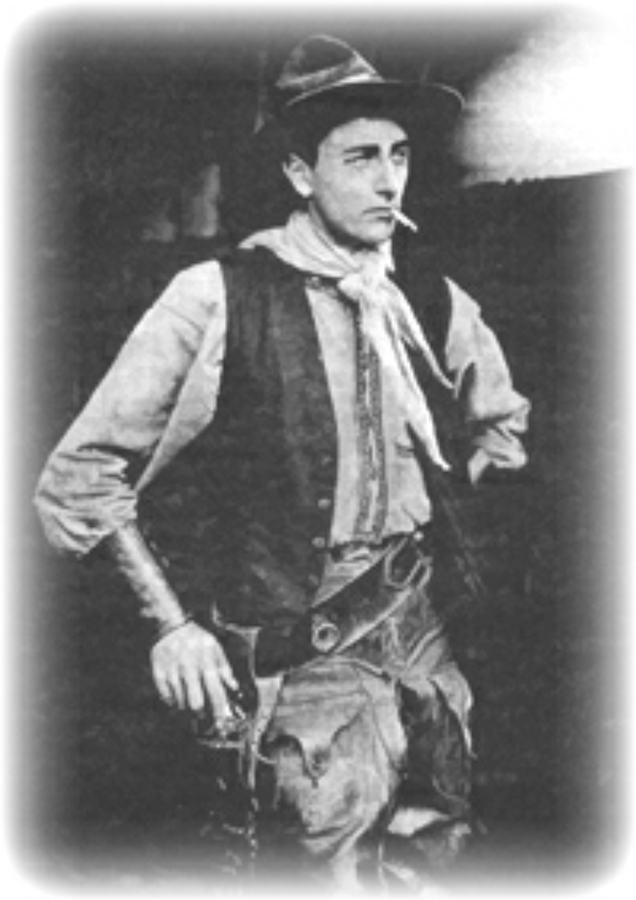
Horst Krahe’s portrayal of Bull Arizona is, without hyperbole, the cornerstone of the film’s success. He doesn't merely play an outlaw; he inhabits the role, bringing a gravitas and an internal conflict that is utterly captivating. His physical presence is commanding, yet it's the subtle nuances in his expressions, the way he holds himself, that truly communicate the 'golden heart' beneath the 'rough shell.' One cannot help but be drawn to his quiet intensity, a stark contrast to the often bombastic portrayals of villains in contemporary cinema. Krahe’s performance elevates the material, transforming what could have been a straightforward adventure into a compelling character study.
Sepha Berny delivers a memorable performance, crafting a character who is both strong and vulnerable, often caught in the crosscurrents of Bull's world. Her interactions with Krahe are particularly noteworthy, imbued with a chemistry that speaks volumes without needing excessive dialogue. Their relationship, whatever its nature, serves as a vital human anchor, reminding us that even the most hardened individuals are susceptible to connection and empathy. Similarly, the contributions of Robert Moser, Mary Basler, and Sonya Bernini, though perhaps in smaller roles, are instrumental in building the rich tapestry of the frontier community. Each actor brings a distinct flavor to their character, whether it's the desperation of a townsfolk or the stern resolve of a lawman, contributing to the film's overall authenticity.
The enduring appeal of 'Bull Arizona' lies in its timeless themes. It explores questions of justice, morality, and the individual's struggle against societal expectations. Is true justice found in the letter of the law, or in the spirit of a man who, despite his outlaw status, acts with integrity? This is a question that resonates far beyond the dusty trails of the Old West. The film subtly suggests that heroism isn't always found in a badge and a white hat; sometimes, it emerges from the most unexpected places, cloaked in a black hat and a reputation for daring deeds. This sophisticated thematic approach places 'Bull Arizona' in conversation with films that explore similar moral ambiguities, such as Her Beloved Enemy, where personal relationships are complicated by conflicting loyalties and hidden virtues.
Hermann Basler's writing is particularly commendable for its ability to craft a narrative that is both thrilling and thought-provoking. He avoids clichés, instead opting for a story that allows its characters to breathe and evolve. The dialogue is sharp and economical, often conveying more through implication than direct statement, a hallmark of effective storytelling. This economical approach ensures that every scene, every line, serves a purpose, driving the narrative forward while deepening our understanding of the characters and their motivations. Basler's vision for Bull Arizona is clearly one of a complex, multifaceted individual, and this vision is meticulously brought to life on screen.
'Bull Arizona' is more than just another Western; it's a testament to the power of character-driven storytelling and a nuanced approach to genre conventions. It reminds us that even in the most lawless of times, human decency can find a way to manifest, often in surprising forms. The film's influence, though perhaps subtle, can be seen in later works that dared to explore the darker, more morally ambiguous corners of the frontier mythos. It challenges us to look beyond superficial appearances, to question the labels we assign, and to seek the inherent goodness that can reside even within the most 'outlawed' of souls. Its place within the 'Bull Arizona' series is solidified not just by its action, but by its profound humanism.
In an era where much of cinema focused on clear-cut narratives, 'Bull Arizona' offered a glimpse into a more complex moral universe. It didn't just entertain; it provoked thought, inviting audiences to grapple with the very nature of heroism and villainy. This enduring quality ensures that even today, the tale of the bank-specialized outlaw with a rough shell and a golden heart continues to captivate and inspire contemplation. It's a vital piece of cinematic history, offering a rich narrative experience that transcends its historical context and speaks to universal truths about humanity. For anyone seeking a Western with intellectual heft and emotional depth, 'Bull Arizona' remains an essential viewing, a gleaming nugget of gold in the vast, dusty expanse of classic cinema.
IMDb 7.1
1935
Community
Log in to comment.